Star Trek: 10 CORE Spock Moments
Spock is one of Science Fiction's greatest characters, and is one of the true hearts of Star Trek
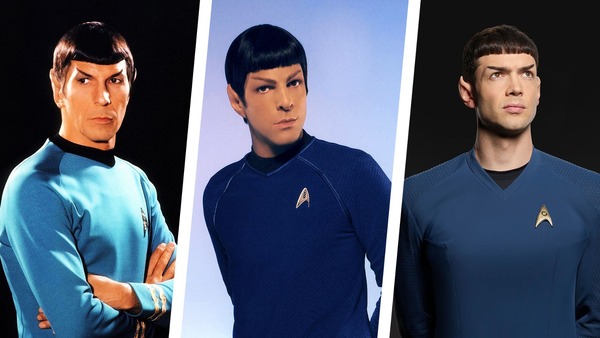
How does one separate the most important moments for one of television and film's most well-known characters? This list could simply speak about the first ten episodes that feature Spock and still barely scratch the surface. To paraphrase a certain southern Doctor, there's a lot to get through when it comes to this green-blooded son of a bitch.
Spock was introduced in The Cage, the first pilot for Star Trek. He was, initially at least, the only character to survive the retool before Where No Man Has Gone Before, now serving alongside James R. Kirk, and ditching much of the emotion that was on display earlier.
Since then, Spock has become one of the most developed and intriguing characters in science fiction, has been recast several times, and continues to be an extremely popular icon of pop fiction. His pointed ears are recognisable to those who may never have watched a moment of the franchise he's from, and the famous Vulcan hand gesture, introduced by Leonard Nimoy, is a universal greeting.
Spock, the half-Human, half-Vulcan symbol of joined worlds and logical thinking, has somewhat eclipsed the Trek into which he was born. But why? What is it about this man that makes him so engaging to so many? What is it, in his life, that has allowed him to become so loved and recognised?
Here, we break down those moments that truly stand out for this son of Sarek, helping him to become the famous Vulcan he is today.
10. Check The Circuit
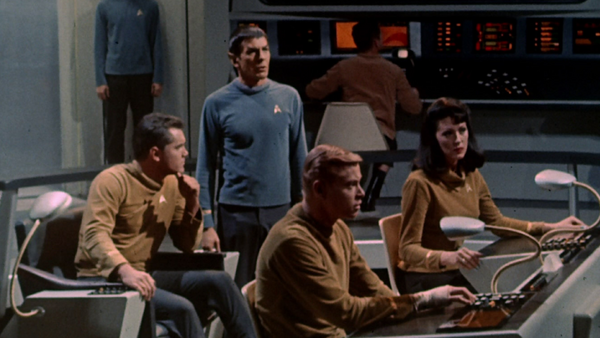
Spock spoke the first lines ever heard in Star Trek, with Leonard Nimoy's deep voice asking a fellow crewmember to 'Check the circuit!'
In The Cage, Spock is both a science officer and an example of alien life co-existing peacefully aboard the USS Enterprise. Serving under Christopher Pike, this version of the character was a template for what would come later. Though shades of the logic that would define Vulcans going forward were there, Spock was also quick to smile, unafraid of the odd outburst, and was an outward fan of blue flowers.
This early pilot was a suggestion of what Star Trek was. With Strange New Worlds picking up several years after this story (several decades later in the real world), the Spock on show there was closer in tone to this version.
Perhaps Gene Roddenberry knew that Spock was destined to become the icon that he did. Giving him the opening lines in a brand-new show, as well as crafting that alien look (one that was a shade too demonic for some viewers at the network in the mid-60s), was a gamble. Had Leonard Nimoy not been able to pull it off, the chances were that Spock would have followed the rest of that early crew of the Enterprise into rewrite oblivion, serving as sacrificial lambs on the altar of network approval.
Thankfully, with that clear and concise order, Spock entered the public consciousness, even if the initial audience was just the executives waiting, red pen in hand.