10 Things The Doctor Who Reboot MUST Do
All the things the BBC should be looking for in those Doctor Who tender pitches…

Following the cancellation of Doctor Who’s 2026 Christmas special and the BBC’s decision to put the show out to tender, it’s all but confirmed that the next era will be another big reboot – not in the sense that the show will start over again with the First Doctor, but in the sense that this will likely be the biggest overhaul of Doctor Who since 2005.
Exactly what this next reboot will look like isn’t clear. Who will be writing it? What colour will the logo be? How will the theme tune sound? And who will be playing the Doctor?
Answers to these questions are probably a long way off. But if one thing’s for sure, it’s that when the show eventually returns, there’s going to be a lot riding on it. And there are certain marks it’s going to need to hit in order to be successful...
10. Give The Doctor ONE Main Costume
One of the biggest things that marked the Fifteenth Doctor out from his predecessors was the fact he lacked a regular outfit and would switch-up his appearance in each adventure.
As a result it felt like this Doctor was just a guy wearing clothes rather than an alien with a particular quirk. Russell T Davies wanted to make Fifteen easier to cosplay but he also succeeded in making him the least-iconic Doctor of all time.
Fifteen was far less distinctive, and far less instantly-recognisable, than other incarnations. And some of his outfits (particularly the duffle coat and beanie in 73 Yards) felt pretty un-Doctor-ish.
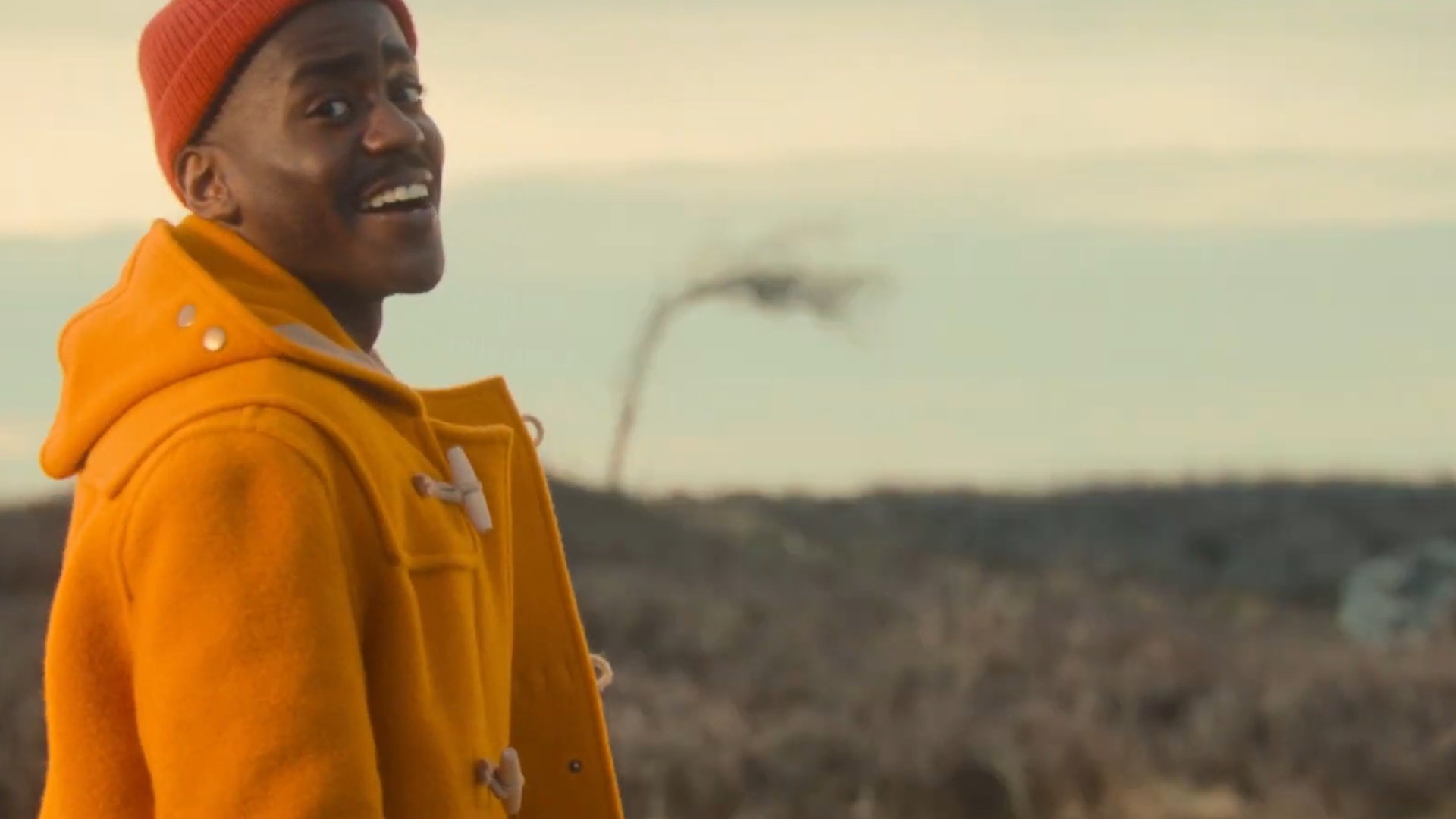
Given how synonymous past Doctors have been with their clothes, this is undeniably a crucial aspect of the character. Tom Baker hasn’t played the part since 1981, but he's still known as 'the guy with the long scarf'. And Matt Smith will be associated with bow ties for as long as he lives!
A great singular outfit can also inform the character too. Eccleston's dark leather jacket was the perfect reflection of his grittier take on the Doctor, while Whittaker's long flowing coat and pops of colour signalled her joyous, bubbly approach to the role.
Have other outfits every so often of course (like the orange spacesuit), but a regular fit is by far the best approach.
9. A More Sophisticated Tone

If Doctor Who wants to be taken more seriously again, its needs to take itself more seriously.
For a start that means ditching all the sillier aspects of RTD2. The musical numbers. The dancing. The cringe, childish humour. The constant flashbacks and callbacks, which just made the show feel like a parody of itself.
Doctor Who has often swung from one extreme to another, and now would be the perfect time to go in a more mature and sophisticated direction.
That doesn't mean it needs to be the most bleak and depressing thing on TV, it's just that its baseline should be a bit more grounded.
Have the Doctor solving a murder mystery that spans the cosmos. Or go more horror-infused, like the early Tom Baker seasons. Or more in tune with real-world science (which is how we ended up with stuff like the Cybermen in the '60s).
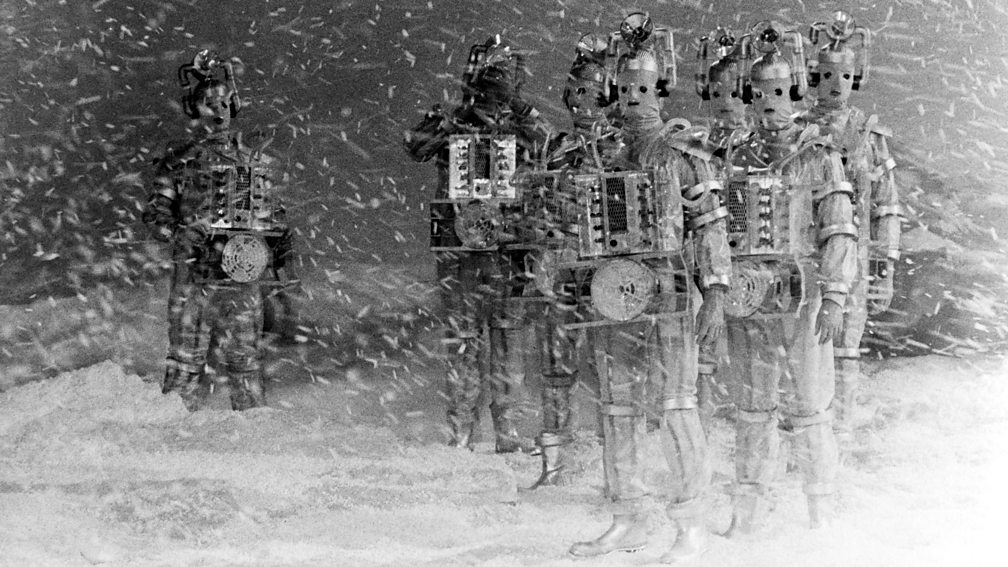
Doctor Who should also be smarter and more ambitious with its storytelling, not just its tone. Steven Moffat was criticised for making Doctor Who too convoluted, but the kind of ambition he displayed with his complex time travel stories and series arcs is something we need more of, not less.
Particularly in the streaming age, people don’t want stuff that plays it safe. They want stuff that’s breaking new ground and doing something different.
8. Rethink The TARDIS And Sonic Screwdriver

The TARDIS and sonic are always going to be highly subjective but it feels like we haven't had a truly great version of either in quite some time.
The Disney-era TARDIS was an impressive set, and a true feat of engineering with those curved walls of roundels and spiralling walkways. But it also felt quite empty and soulless. And the less said about whatever that Sky TV remote excuse for a sonic screwdriver was, the better.
The next TARDIS interior should be moodier and more furnished, to match what we're hoping to see from the show's tone. And make it a 360 set again, a la the 2013 and 2018 interiors, which would make it feel more like a room and less like a set.
For the sonic, the solution is simple: just make it actually look like a sonic! As the recently revealed Fugitive Doctor model proves (along with 2025's brilliant Rani model), it’s still possible to do something different with the original template.
That’s if we still need the sonic at all – given how overused it’s become, it might be best to just ditch it entirely.
7. Cut Ties With The 2005 Revival

Just as the 2005 revival was a clean break from the classic series, Doctor Who’s next era needs to completely cut ties with the 2005 revival.
Towards the end, NuWho ended up feeling like a snake eating its own tail, with David Tennant and Catherine Tate returning, Midnight getting a sequel and the Doctor regenerating into Billie Piper.
Naturally the show will always call back to its past, and no-one’s going to complain about seeing the odd Ood, for example. But if it’s going to make any kind of impact, the next era needs an identity of its own. It can’t just be a variation on what’s come before.
This also goes for the behind-the-scenes talent. The next showrunner shouldn’t just be Pete McTighe or Mark Gatiss, or one of RTD, Moffat and Chibnall’s other pals. Doctor Who has been made by the same circle of people for 20 years – it's insane when you think about it, because it's not at all conducive with the change that's at the heart of the show.
Heck, maybe even someone who’s not actually that familiar with Doctor Who would be the best bet. Someone with no preconceptions and no stake in the game, who’s not afraid to come in and do their own thing.
Andor showrunner Tony Gilroy openly admitted he wasn't a fan of Star Wars, then went on to make the best Star Wars project in years. That's not a coincidence.
6. Treat The Doctor Like A New Character

One of the problems with Doctor Who in recent years is that its lead character has had so much baggage.
The Doctor isn’t just the Doctor. They’re also the Timeless Child. And the last of the Time Lords (again). Oh, and they keep meeting their past incarnations every five minutes!
It just makes the character impenetrable to new viewers. At the end of the day, the Doctor is a time traveller who ran away from their own planet to see the universe. That’s really all you need!
If the Doctor is to have a backstory then it has to be all new, and not rewriting anything that came before – something that new viewers can understand without feeling like they’ve missed anything, or need to do their homework.
The 2005 revival did this perfectly with the Time War, which was as much of a mystery to old viewers as it was to new ones, because it took place offscreen (and after the classic era, rather than during it). One popular fan suggestion is to have the Doctor suffering from amnesia, and slowly discovering themselves again over the course of the season.
Whatever the case, the key is to ensure that the character is at a baseline that both rookies and diehard Whovians can get onboard with.
5. A Consistent Release Schedule

For its first four years, NuWho’s release schedule was incredibly consistent: a series of 13 episodes premiering around Easter weekend, with a Christmas special later in the year.
But basically ever since, it’s been a hot mess.
We’ve had spring seasons. Autumn seasons. Winter seasons. Spring seasons again. Gaps of a year between episodes. In 2016 and 2019 the only episode released was the festive special. And most startlingly of all, we're now in our longest gap between episodes since 2005.
RTD promised annual Doctor Who again for his second era, and he delivered to begin with… but then everything just crashed and burned. Whoever takes Doctor Who on needs to be realistic. And fans might need to temper our expectations.
In the current climate, there’s no way we’re getting 13 episodes per year, and even ten might be a stretch. So how about six hour-long episodes every year? Or ten episodes every two years, with a couple of specials (or a spinoff) spread throughout that intervening year?
There are so many ways the production of the show could be eased. RTD was onto something with filming well in advance, so that could be looked at again. The show is likely to have a smaller budget this time around and won't be lumped with Disney's exhaustive and expensive 4K upgrade requirements, which will allow episodes to be produced quicker. And going fully serialised to help spread around the cast, sets and locations a bit more feels inevitable.
Whatever the case, having some sort of consistent schedule is important. Erratic release patterns damage the hype and relevance of a show, and Doctor Who has been suffering with this problem for over a decade now.
4. Have A Small TARDIS Team

Doctor Who may have started off with a four-strong cast in 1963, but it’s become far more common for the Doctor to travel with just one or two companions.
We’ve occasionally had three companions in the years since, but there’s never enough space to do them all justice, and the weakest TARDIS teams in the show tend to be the ones that are more crowded.
Having just one or two companions who we can really get to know and care about is undoubtedly the best approach going forward, particularly if we’re now dealing with shorter seasons. There’s simply not enough space to develop loads of companions and do everything else Doctor Who needs to do when you're pressed for time.
As we saw with Ruby and Belinda, even eight 45-minute episodes to develop one companion is pushing it, although the writing was also at fault in those cases.
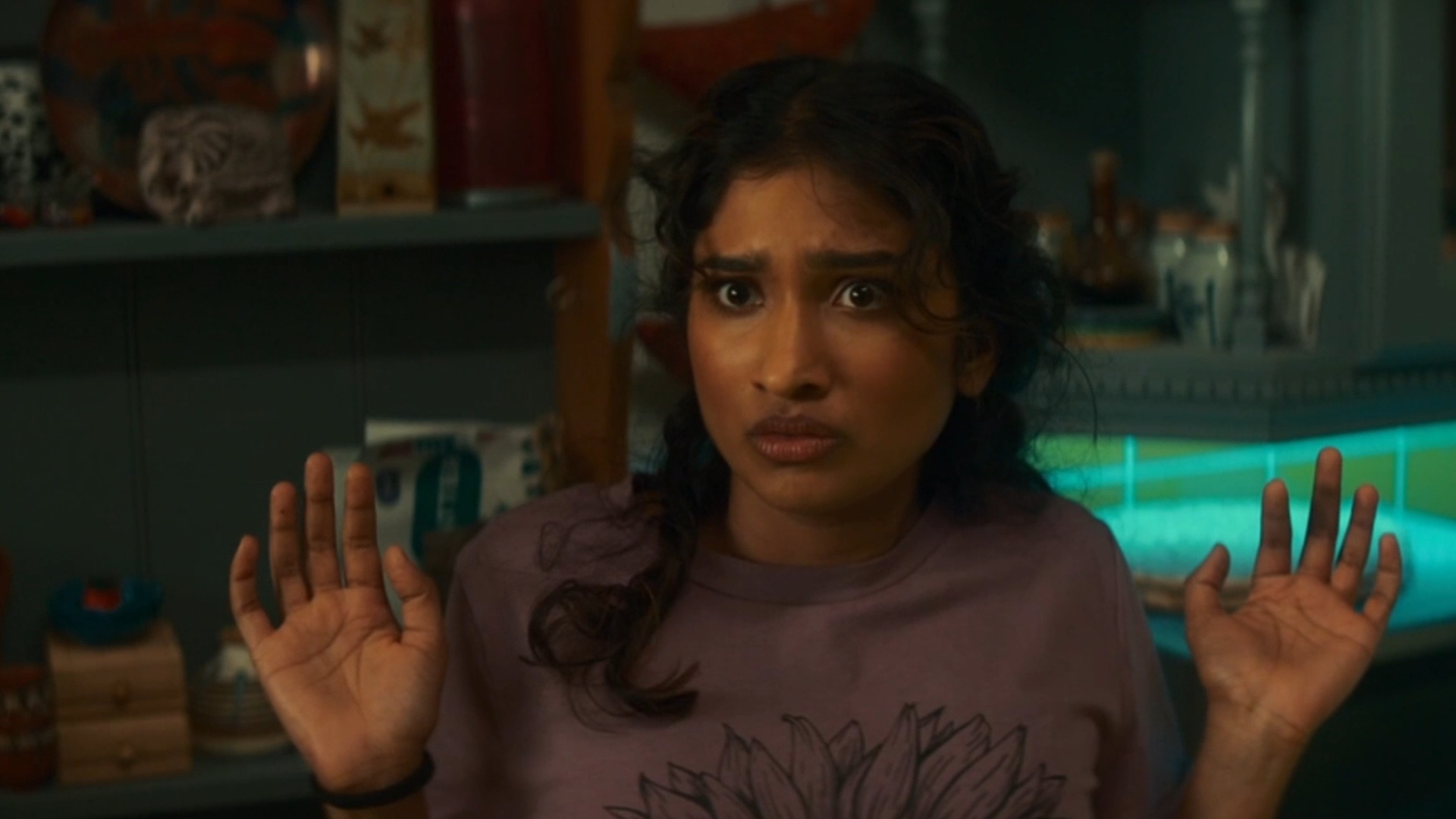
A small TARDIS crew is also the best option for a revival or a refresh. Look at Series 1 and Series 5: the Doctor, one companion, and an emotional, engaging story that both of them share. The last thing we need for the next era is to be bombarded with three companions who all have nothing to do while the Doctor – and by extent, the audience – never really develops a connection with any of them.
The proof is in the pudding. The best TARDIS dynamics in NuWho (including Series 1, Series 4, Series 5, and Series 9) all have one thing in common: a richly-developed relationship between the Doctor and their travel buddy!
3. Don’t Overcomplicate Things
In recent years it’s felt like Doctor Who has thrown everything at the wall, hoping it will stick. And nothing really has.
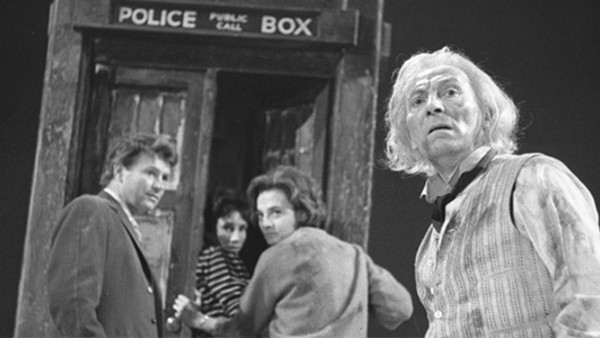
The show has become so obsessed with its own past, to the point where it’s been more about gimmicky callbacks and cameos than its original premise: an alien called the Doctor travelling through time and space with their mates. Or their kidnapped schoolteachers.
That should be the selling point. Not desperate attempts to appeal to fans by bringing back one-off monsters from fifty years ago, or bringing up the fact that the Doctor used to have a granddaughter.
Right at the beginning, Doctor Who didn’t have nostalgia to rely on. It had no choice but to stand on its own two feet and tell original, simple stories. While the landscape has changed massively since then, it really wouldn’t hurt to go back to basics, and treat Doctor Who like a brand-new show again.
No Timeless Children or bi-generations. No 'Doctorverse', no fourth wall breaks and musical numbers. No Daleks, Cybermen or Master in every single finale. Not blowing up Gallifrey every ten minutes.
Rather than looking at everything that’s gone before and asking “How do we reinvent this?”, the incoming production team should be asking, “If Doctor Who was being devised today rather than in the 1960s... what would it look like?”.
2. Cast A Total Unknown As The Doctor

When it comes to the profile of the actors playing the Doctor, there’s no hard and fast rule.
While we’ve never had an actual A-lister, we have had established actors who were already known for other shows (like Peter Capaldi in The Thick of It or Jodie Whittaker in Broadchurch).
At the other end of the spectrum we’ve had complete unknowns, like Tom Baker and Matt Smith, whose big break was Doctor Who.
Ncuti Gatwa was a weird mix of the two. While he wasn’t quite a household name before Doctor Who, his star was already on the rise. And even when he was playing the Doctor, he had other plates spinning – from the final season of Sex Education to stage plays, film roles and fashion campaigns.
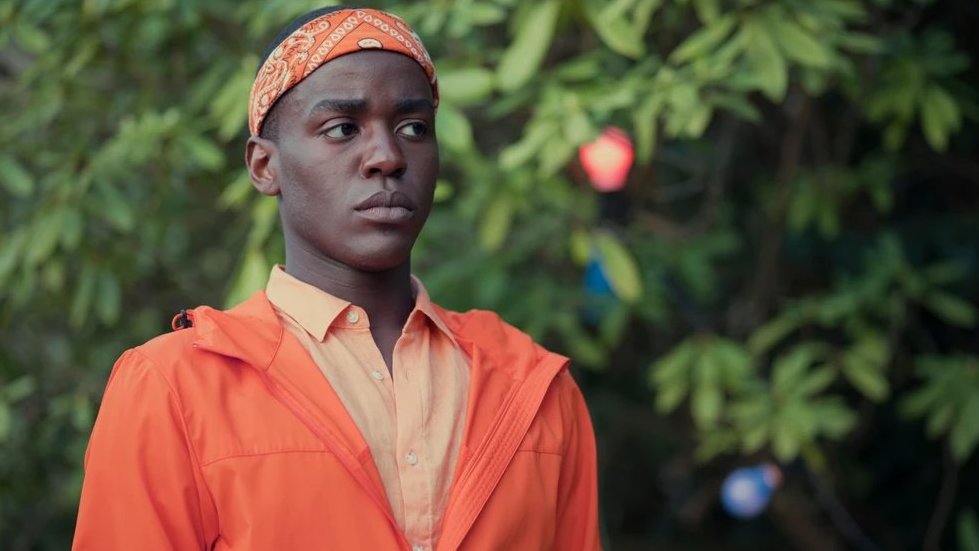
How much more exciting would it be to have someone we only know as the Doctor, because we’ve never seen them as anyone else?
Going out and finding the next Matt Smith would be an ideal move for the new era. It gives us something fresh and different, something we've never seen before. It allows the actor to truly inhabit and become the Doctor, and aids the storytelling in the sense that there's no star power to distract from it.
It might also be easier to tie a newbie down to a longer deal and get them to devote more of their time to being an ambassador for the show.
Of course there are multiple ways to cast the Doctor and multiple ways to make it work, but for us the unknown route ticks more of the boxes we need right now.
1. Sprinkle In Lore Slowly And Carefully

Every time Doctor Who resets itself there’s a question of when to bring in existing lore – and how.
NuWho started and ended with two contrasting approaches: the cautious reintroduction of iconic elements in RTD1, and the nostalgia overload that was RTD2, where every other episode featured an obscure returning character or villain.
Needless to say, the former was more successful.
The RTD1 approach of bringing back a new big-bad each year (the Daleks in 2005, the Cybermen in 2006, the Master in 2007, the Sontarans and Davros in 2008, and the Time Lords in 2009) worked perfectly. And enough time has passed for it to be repeated.
Even the order in which those returns happened was smart. Daleks, Cybermen, Master, Sontarans, Time Lords – that's basically in order of how popular and iconic they are, from most to least. By the time we got to Series 4, the show had earned bringing back the Sontarans, Davros, the Time Lords, and visiting Gallifrey. And the audience was ready for it.
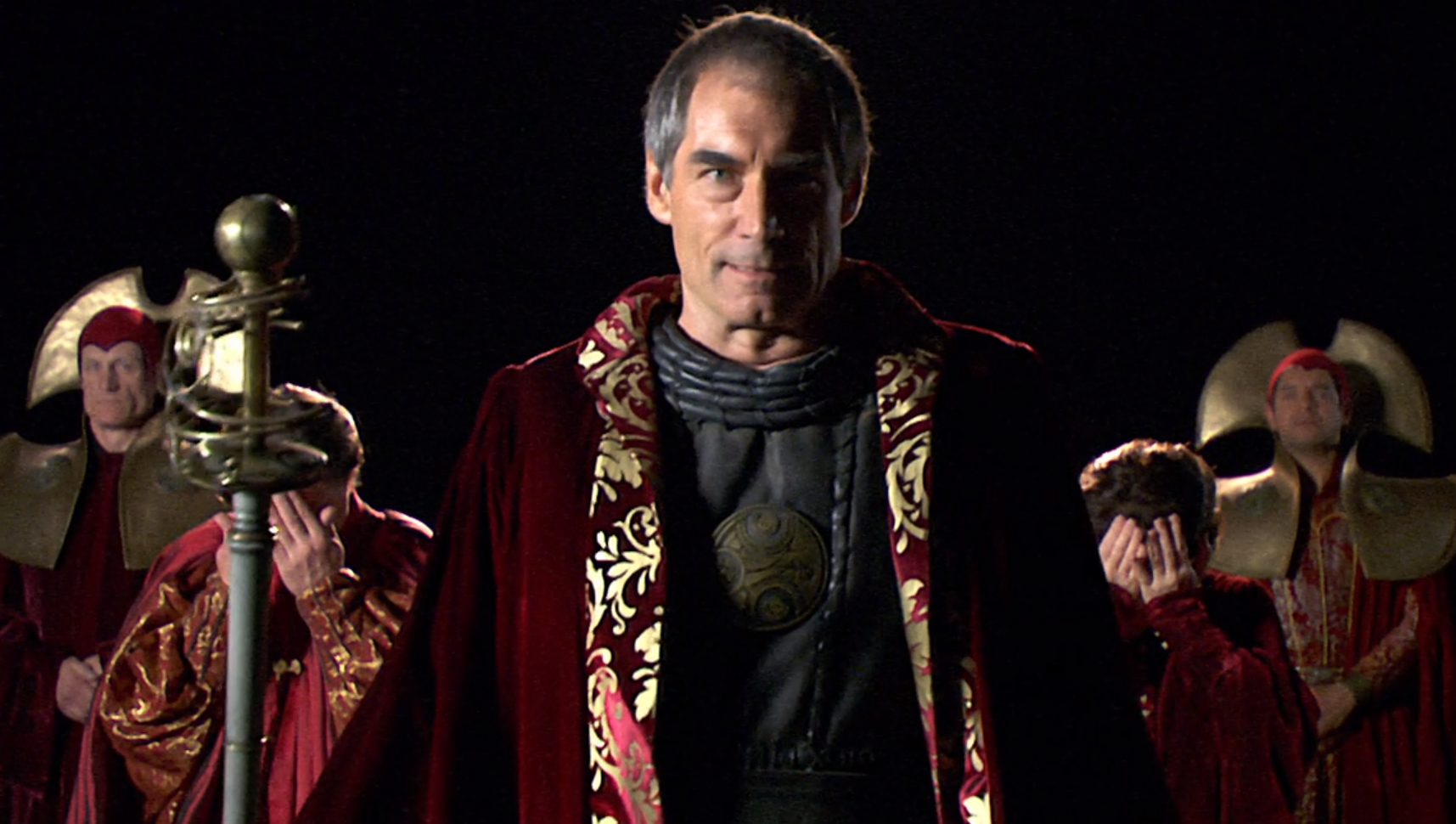
The next era doesn't need to follow that template to a tee. But certainly with the Daleks and Cybermen, there’s a real opportunity to do some big RTD1-style, headline-making comebacks, because neither has appeared in the show since 2022. With other stuff, it’s simply about striking the right balance.
The whole point is to attract new viewers and you have to earn their trust and get them onboard before going crazy with Doctor Who history. If the first season is about the Zarbi and the Wirrn having a war outside Totter's Lane while Romana returns to help the Doctor fight a new CGI Black Guardian, then we've already lost. Certainly, give the Daleks an episode in Season 1. But Sutekh is a Season 3 villain, at best.
Above all else, the new production team has to understand that viewers don't like feeling as though they're missing an inside joke. That's one way to have people reaching for the off button.