25 Failed Experiments From WWE Developmental
Everybody wants to make it to the top, but these market leader misfires couldn't even escape bottom
WWE’s developmental system has always marketed itself a breeding ground for greatness while simultaneously being a graveyard for failure.
For every megastar that has exploded onto the scene from NXT, FCW, OVW or the countless different feeder systems the market leader has used over the years, there are many more who fell short of their potential. Some of that is the reality of basic maths, but in a system designed to churn out the next Roman Reigns on a regular basis, it’s less than ideal when so many that follow every well-trodden path laid out by the budget and big-time attitude of WWE still end up falling short.
Developmental is where WWE can allegedly refine a talent for TV-ready perfection, but make no mistake; hopes and dreams go there to die too. Ill-fitting gimmicks, injuries, terrible timing or even more terrible booking - there are lots of reasons why the glossy exterior of the Orlando gym doesn't necessarily match the reality of the outcome.
Some are down to the promoters in question, some the performer, and in some cases, a devastating combination of both...
25. Eli Cottonwood
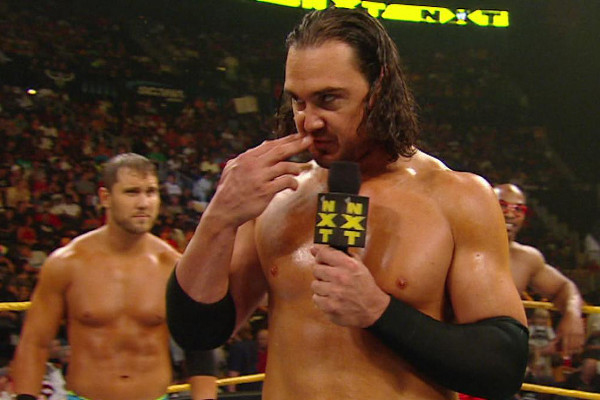
At seven foot tall, Eli Cottonwood seemed like an ideal WWE prospect at first glance. However, his failure in the broken gameshow era version of NXT came down to a combination of indifferent in-ring skills, a strange lack of charisma, an inability to connect with audiences, and one brutally bad promo.
The brief was simple enough with prep time, but Cottonwood had none of that when put on the spot to give a ten second speech about moustaches. His stilted delivery of the lines, "I don't have one" (when he did) and "nobody else here has one" (when they did) killed it all from the off. It was subject to more ridicule the more he tried to recover it, the seconds felt like hours, and a career was permanently tainted.
His release in 2012 reflected that, even after a moment of rehabilitation alongside Bray Wyatt in FCW. WWE wanted some of their biggest wrestlers to pair their size with athleticism and charisma. Unfortunately, Cottonwood had lost the chance to prove he ever had qualities in the first place.
24. Aiden English - Drama King
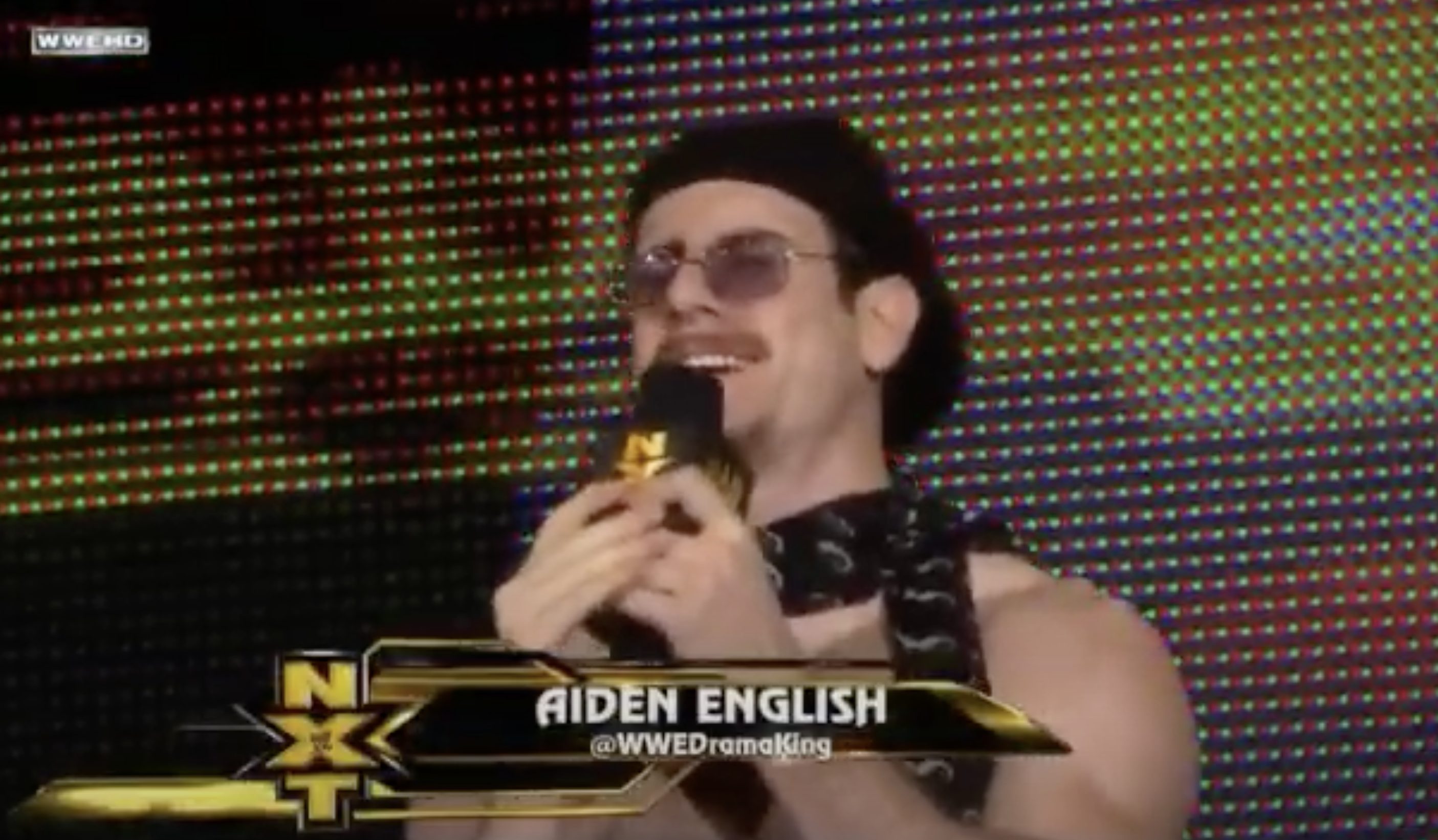
Aiden English’s 'Drama King' gimmick in NXT had enough potential that an upgraded version of it eventually became a crucial part of the Rusev Day phenomenon, but it ultimately fell short at a developmental due to creative inconsistency and a lack of long-term investment.
Introduced as a theatrical performer with a penchant for breaking into song before his matches, English brought a unique flair to NXT’s character-driven roster. His operatic entrances and melodramatic delivery made him stand out, and his in-ring work was solid enough to support the gimmick. However, the character failed to evolve meaningfully, leaving him pigeonholed as a novelty act.
He had to walk a fine line between eccentric and hokey, and though displayed commitment to the role, the character never transcended its gimmicky presentation enough to feel like a legitimate threat. NXT’s increasingly competitive landscape at the time further rooted him to the bottom of the card. His transition to the Vaudevillains tag team alongside Simon Gotch at highlighted WWE’s confidence in the person, if not the persona.
23. Damaja Vs Doug Basham
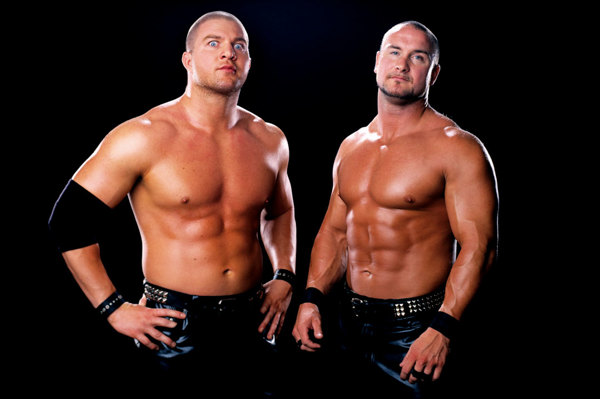
In early-2000s Ohio Valley Wrestling, the feud between The Damaja and Doug Basham was a standout singles rivalry that helped shape their respective characters and the developmental brand itself. The two had been feuding over personal and professional conflicts for years, and had drawn a not-insignificant amount of critical acclaim from hardcores in the process. The storyline was highly effective in building both men’s identities, and seemed like the perfect way of readying two wrestlers for the rigours of the main roster.
All until WWE called up them up together and made them a brother tag team in 2003.
The Basham Brothers act effectively put an axe through Doug and Danny's personal grudge, diluting the feud by forcing fans to accept them as rivals on one show while working as partners in front of a far bigger audience. OVW booker Jim Cornette made sense of the situation by adjusting the storyline to make it seem like an evil Basham masterplan, but the nature of the call-up ultimately stifled the momentum both had worked so hard to build.
22. Richie Steamboat
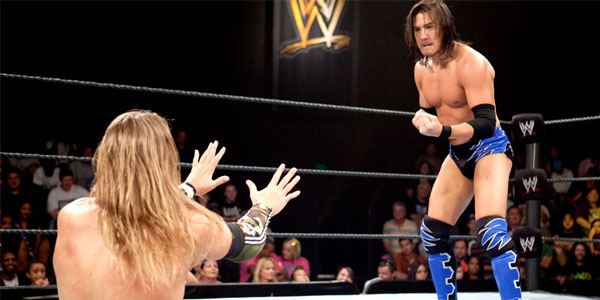
Richie Steamboat seemed poised for greatness due to his wrestling pedigree. However, his time in WWE developmental ultimately ended in disappointment due to injuries and the lack of any real character depth in storylines beyond being Ricky Steamboat's son. While Richie had decent technical skills and a natural athleticism somewhat reminiscent of his father, he struggled to develop a distinct personality that could captivate fans in NXT or FCW.
The blessings and curses of being a second generation star were constantly on show and at war when watching Steamboat, especially when 'The Dragon's shadow was such an enormous one to try and step out from.
Richie struggled on the microphone too, delivering promos that were altogether too bland and unremarkable to endear him to fans or distinguish him from several of the other rapidly rising stars on NXT. A debilitating back injury prematurely ended Richie’s career in 2012, though father Ricky later revealed that his son was happily retired.
21. Lucky Cannon
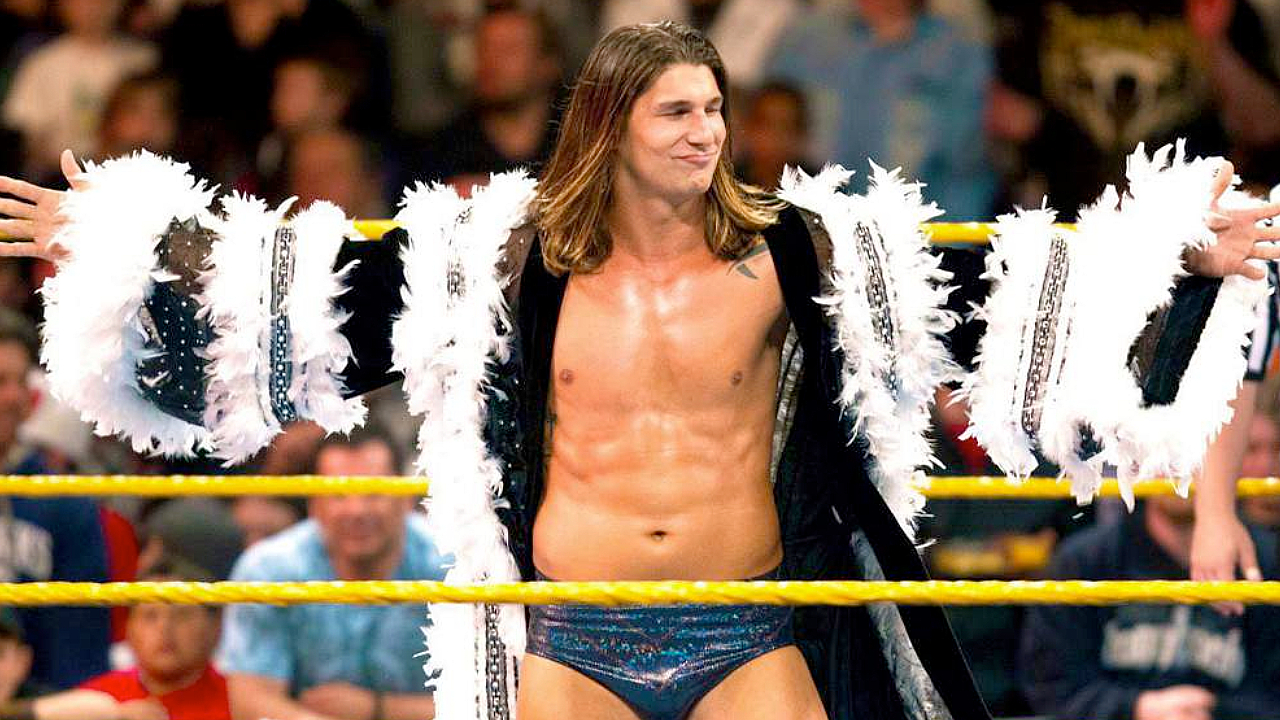
Lucky Cannon's unfocused NXT character never really resonated with fans, not that it ever had much of a chance. Initially introduced as a bland babyface during the second gameshow format season, Cannon struggled to make an impression on a roster filled with more dynamic personalities. WWE's answer was to repackage him as a womanising heel in the "Redemption" season a year later was just as forced, and just as big a failure.
Like others doomed to the dumb idea, one of Cannon’s low points came during a promo challenge segment in Season 2. Tasked with being heartfelt, he came across awkward and inauthentic and bulldozed any chance of a connection with the crowd. The rigged game had won again, and yet again, a wrestler that might have had promise was given almost zero opportunity to show it.
A release in 2011 was indicative of WWE’s mindset to simply move on from prospects unable to survive their wretched process.
20. Jacob Novak
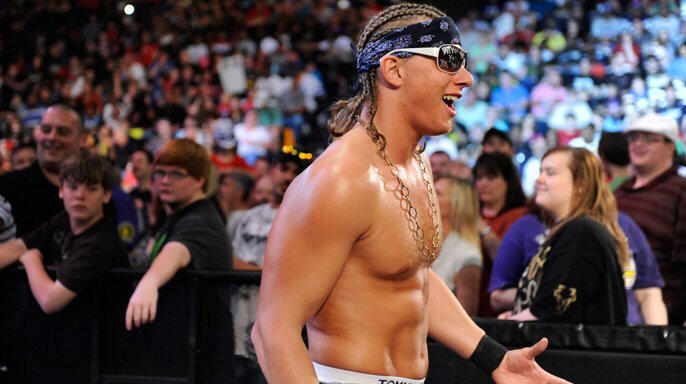
Jacob Novak’s failure as a WWE developmental prospect was, to be generous, mostly but not all his fault.
An indistinct figure on the second season of NXT, Novak never managed to distinguish himself in a field of more dynamic competitors including the likes of the future Fandango and EC3. His lack of emotional range and stiff delivery on the microphone made him totally forgettable, and his in-ring work lacked the finesse needed to stand out when talking couldn't get it done.
A particularly poor moment came during a mini-feud with William Regal during the never-ending Redemption season. There to try and talk down to the commentator and chief voice of the season ahead of a match between the two, Novak had nothing strong in his arsenal and was verbally eaten alive by the veteran from the desk and when they verbally sparred for the benefit of the crowd. The match had nothing to it either, and marked the beginning of the end for his time in the company outright.
19. Bo Dallas (babyface)
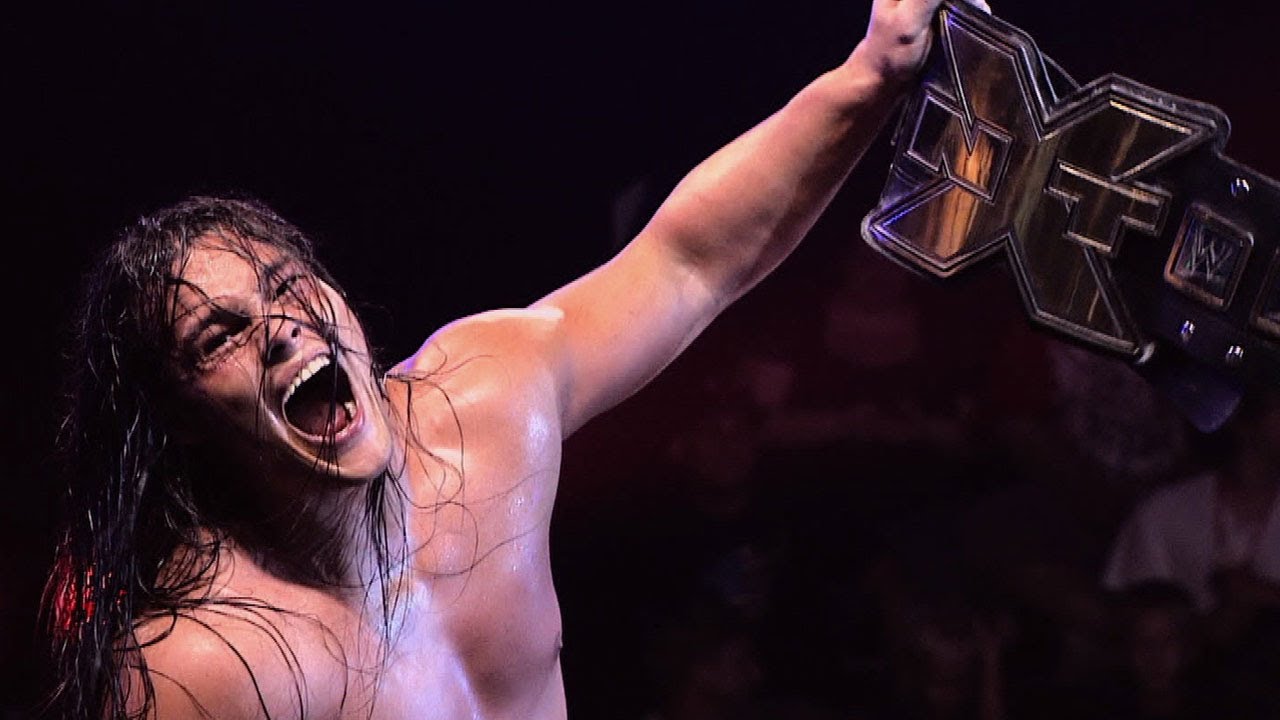
As a heel and NXT Champion in 2013/14, Bo Dallas found exactly what fit for him - a man that thinks he belongs in a spot despite having none of the qualities needed to fulfil the role. Good troll heat well performed and in service of setting up the next champion as a more credible threat.
As a babyface on the come-up headed towards that very belt, it couldn't have ben more opposite.
Given something broadly wild west-adjacent, a proto-Hangman Page Bo Dallas was not - unless you take the “Cowboy Sh*t” catchphrase and switch the words around. Given all the old money moments - a spot in the Royal Rumble long before people outside of the developmental bubble knew him, an unlikely victory over dominant NXT Champion Big E and a kid-done-good underdog story en route to victory, Dallas playing unlikely hero was a great-on-paper/terrible-on-practice bit of booking.
Such was the form of the time, the course correction to him as a cowardly villain not only proved the original idea's failure but also located a best case scenario outcome.
18. Leakee
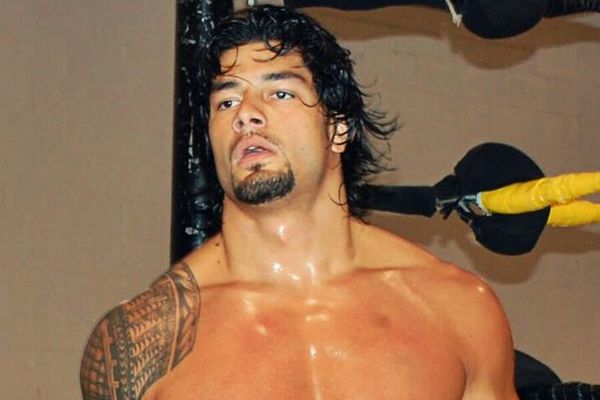
A bonafide star can lurk underneath any bad gimmick, and Roman Reigns’ Leakee gimmick should probably sit within the same space as Stone Cold Steve Austin working as The Ringmaster.
Fundamentally, it failed because it offered little beyond a generic, uninspired presentation that totally obscured the potential of the man behind it. Reigns debuted as a bland, trunks-and-boots babyface with no defining character traits or narrative hooks. While he was clearly a physically gifted athlete with an undeniable presence, the character felt like it had been pulled from the most basic developmental wrestler template.
He was later suited and booted to portray somebody supposedly above the NXT life, but nothing about the persona walked the walk after the talk. It's been reported countless times that CM Punk pitched Chris Hero in the role Reigns eventually assumed in The Shield. Who knows how that 'Hounds Of Justice' variant works out, but it was a lifeline for the future 'Tribal Chief'.
17. Tino Sabbatelli
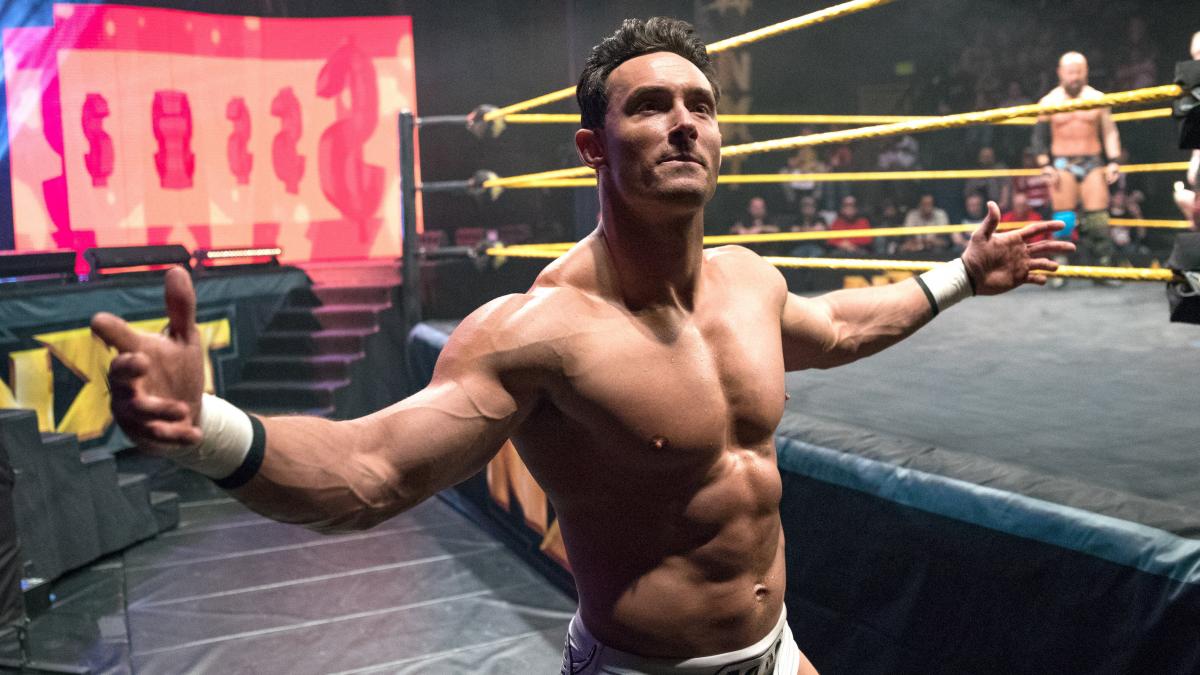
Despite his athletic background as a former NFL player, Tino Sabbatelli's tenure in NXT was surprisingly unsuccessful due to a combination of factors.
The strong strong physical foundation and marketable background and look should have helped him jump several queues, but he struggled to translate any of that into any meaningful character growth. Too coached and polished when he was showing improvement, a lack of depth of thought in his matches resulted in a near-total lack of crowd connection.
Sabbatelli's charisma and decent promo skills subsequently went to waste despite always talking the talk of a top star. Then, the more he lagged behind or got lapped by his peers, the more hollow the words rang. His progress was hampered by injuries - a torn pectoral muscle that sidelined him for over a year - but it'd be generous to say there was momentum to interrupt before he was forced on to the reserve list.
Released then re-hired in 2020, he was gone again in 2021 when the second run similarly lacked as much punch as the first.
16. Solomon Crowe
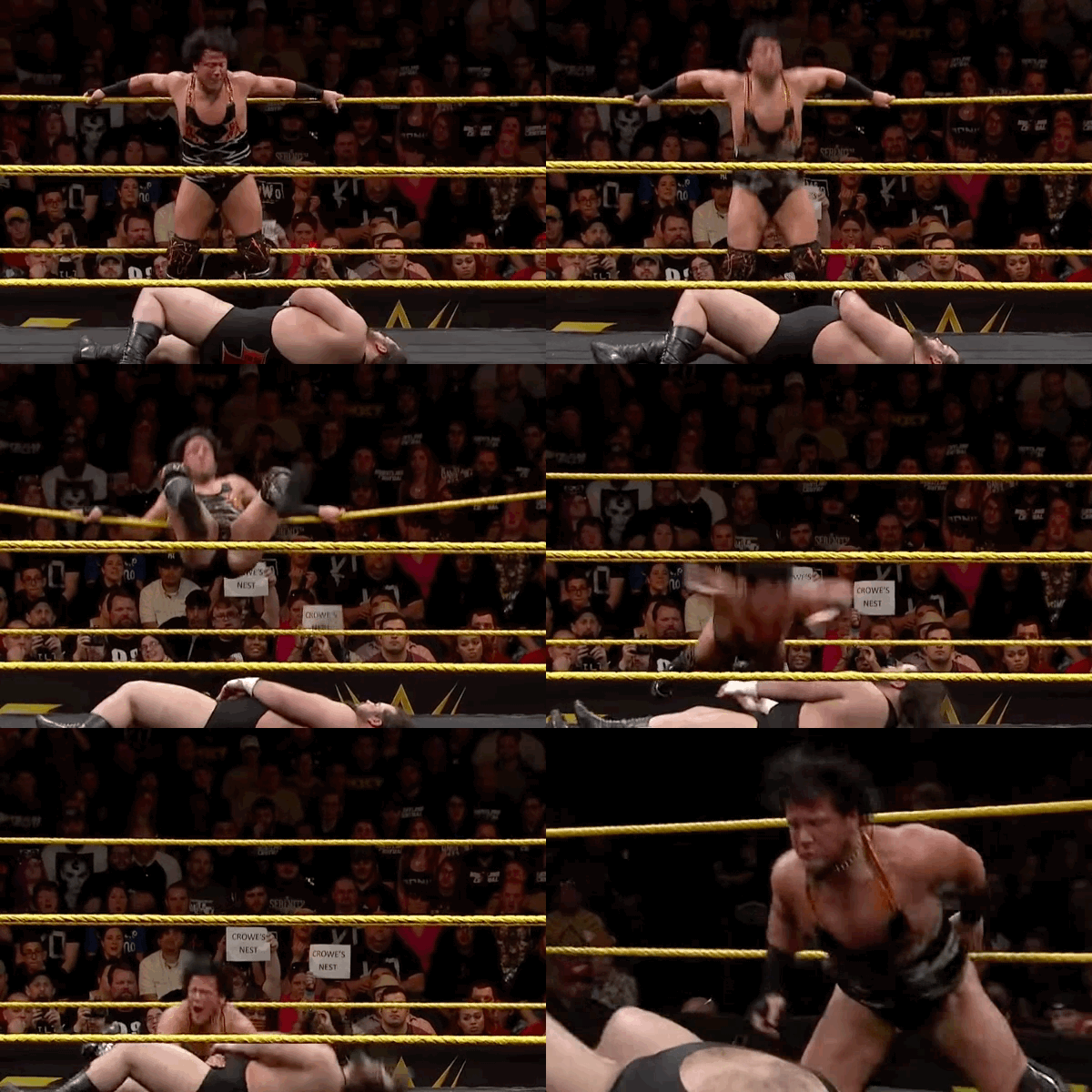
The artist better known as Sami Callihan entered WWE developmental with significant buzz due to his unique style and success on the independent circuit. Yet, his run in NXT was mostly a bust during a time where the creatively the show was booming. What went wrong?
An easy answer can be found looking at the clip above. Crowe had that as a (terrible) finisher, but anything and everything can get over in wrestling if the audience have a buy-in. They were never given one with this flawed, dated and disjointed gimmick. Initially debuting as a hacker-like persona, Crowe was somewhat intriguing on paper but flopped hard in execution. His solid work bell-to-bell was as much a problem as it was a solution - the more normalised he was in matches, the less his character felt like any kind of transgression. Who asked for a hacker in 2014? And why would one dress a bit like The Tasmaniac?
His eventual release allowed him to return to the independents, a TNA World Heavyweight Champion and the deathmatch circuit, where he did at least find what fit him best.
15. Andy Leavine
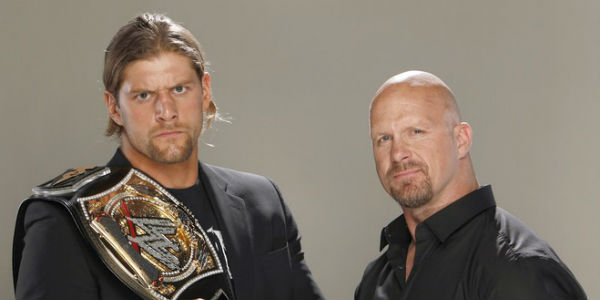
Tough Enough 2011 winner Andy Leavine was tall, had decent hair, and cobbled together a 'Silent Rage' persona during that show that, paradoxically, elevated him above the trainees that had yet to find their own wrestling "voice". That list of attributes was once long enough to get a decades-long run and chance to date then marry the bosses daughter, but Leavine's route to the promised land was altogether briefer.
Infamous to the point of being Leavine’s kiss of death, his supposed victory celebration on a subsequent edition of Monday Night Raw was the beginning of the end. After being slapped by Vince McMahon and stunned by Stone Cold Steve Austin in a bizarre yet totally on-brand initiation ritual, the trainee's selling of the Stunner in particular was deemed too weak and wooden for the big leagues. As far as his superiors were concerned, this was confirmation of his inability to exude the personality required to succeed.
It got no better when he dropped down to FCW, where match reviews ranged from clunky to completely unrefined, obviously reflecting his extremely limited training and experience. Leavine was released in 2012, barely shy of a year on from his crowning moment.
14. Sylvester Lefort
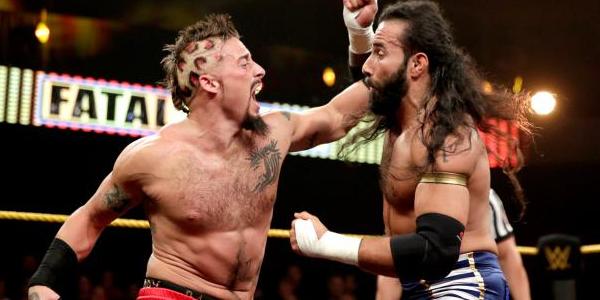
While Sylvester Lefort's clear charisma, unique accent and distinctive look were all in his favour, his inability to connect with even the most dedicated of audiences at Full Sail and some forgettable performances ultimately led to his failure as a hot prospect.
After making the best of things on the NXT undercard as part of The Legionnaires, the reality of his longterm situation was revealed during his hair-versus-hair match against Enzo Amore at NXT TakeOver: Fatal 4-Way in 2014. The match wasn't good, and to make matters worse, Lefort didn’t even participate in the payoff angle after the match. His partner Marcus Louis took the head-shaving punishment and took the heat, and the team weren't ever really considered for a serious run in the aftermath anyway.
The lack of standout moments in promos or the ring coupled with NXT’s eventual shift away from his character's type of comedy resulted in his release in 2016 alongside Louis.
13. Leo Kruger
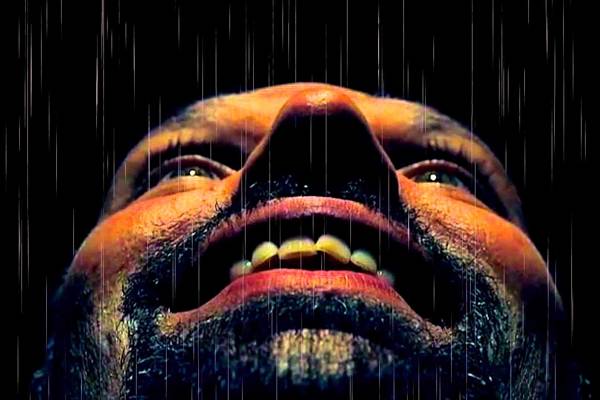
The failure of the Leo Kruger character in NXT was an interesting case of a promising character being diluted by inconsistent creative direction and an evolving brand identity.
Introduced as a sinister South African hunter, Kruger had a unique look, an intriguing backstory, and a menacing presence that set him apart from the more traditional developmental talent of the early NXT era. Initially portrayed as a cold, calculating villain, Kruger was unsettling and seemed primed for a top heel role. Unfortunately, the thread and sense of direction for the gimmick was lost a little, and the character became muddled muddled over time.
Furthermore, as NXT began its transition into a workrate-heavy, character-driven showcase, Kruger’s old-school presentation began to feel dated. In an effort to pivot, WWE repackaged him as the more comedic and flamboyant Adam Rose. That memorably burned bright before burning out, almost highlighting how much the move away from Kruger was required.
12. Bull Dempsey
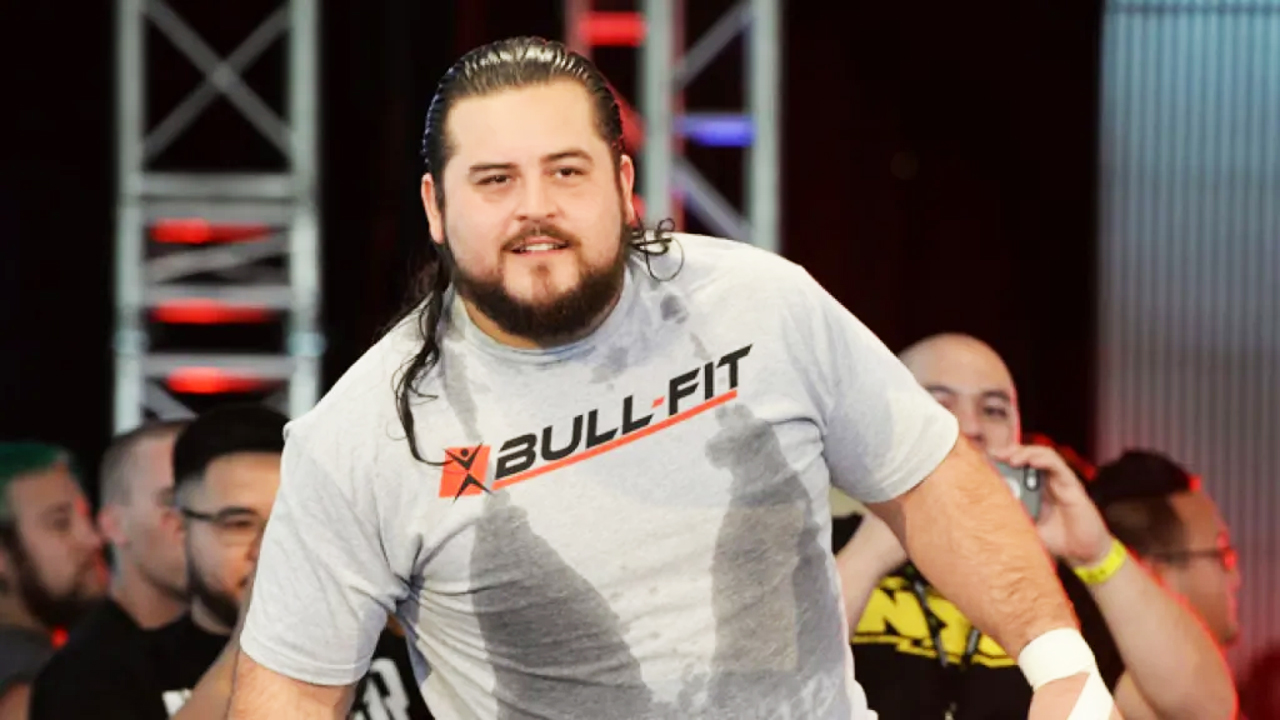
Initially introduced as 'The Last of a Dying Breed', Bull Dempsey’s throwback bruiser gimmick felt more at home in the territorial days than in the polished, workrate-driven NXT of the mid-2010s, but any potential that character had was completely stubbed out by the arrival of Baron Corbin as a modernised version of it.
The two were paired against one another in a scene that only made clearer the gulf in popularity and/or interest between them, forcing Dempsey to accept his fate as a "Bull-Fit" exercise guru that was just as much a joke at the expense of his appearance as a celebration of it. Vignettes reduced him to being a figure of fun, and he failed to connect with a fanbase that increasingly valued serious, athletic competition over hokey gimmicks. His losses piled up, and any momentum he had evaporated.
In the end, Dempsey was a victim of all of the above once too often, and news of his 2016 didn't scan as the surprise it might once have a little over a year earlier.
11. Leviathan
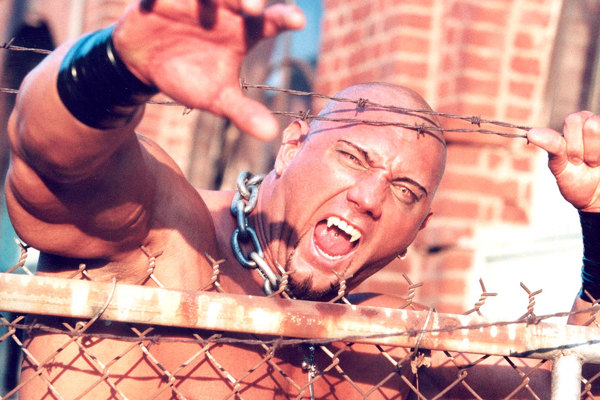
Before becoming a wrestling megastar, Dave Batista was OVW's Leviathan - an unstoppable demon under the control of sinister manager Synn. The character leaned heavily into an over-the-top supernatural persona, but unlike the water he'd sometimes rise up from, lacked depth beyond the overt histrionics. His physique was incredible as always, but that alone didn’t allow the future 'Animal' to showcase the real personality he'd eventually flex to fantastic effect.
Thankfully for Big Dave, WWE ultimately recognised that the Leviathan character, while visually striking, wasn’t going to succeed on the main roster. Nor was "Deacon Batista", but he was at last on the long road to reality-based recovery.
Repackaged as Dave Batista in 2003 in line with getting the all important musclehead spot in Evolution, he was at long last stripped of the supernatural and cartoonish elements and allowed to grow into a more relatable powerhouse.
10. The Minnesota Stretching Crew
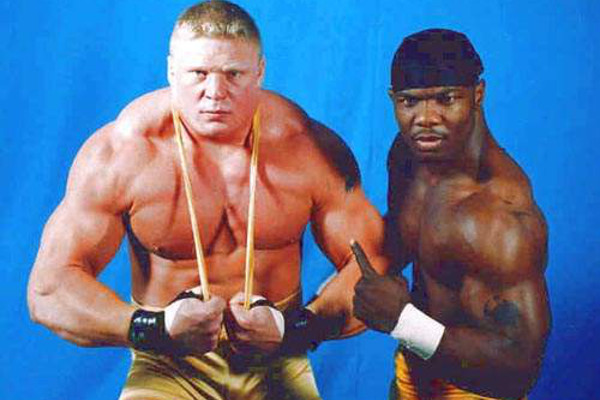
Brock Lesnar and Shelton Benjamin’s celebrated doubles act had the makings of a dominant force on the main roster, but never made the leap due to WWE’s shifting priorities and the singular trajectory of Lesnar’s 'Next Big Thing' push.
As two standout amateur wrestlers, their chemistry was undeniable, blending Lesnar’s raw power and imposing aura with Benjamin’s then-unmatched athleticism and technical skill. Together, they were credible, dynamic, and intimidating and the blueprint for modern tag teams that ultimately came to define the next shift in style as the years passed.
Unfortunately, WWE’s main roster landscape at the time was not conducive to long-term tag team success - certainly not as conducive as Jim Cornette's celebrated OVW had been during their meteoric rise. The division was often treated as an afterthought, and the company’s focus was increasingly on finding breakout singles stars. With his freakish athleticism and obvious presence, Lesnar was earmarked for solo stardom almost immediately, resulting in the Minnesota Stretching Crew never seeing daylight on Raw or SmackDown. Benjamin rebuilt alongside Charlie Haas in the beloved Team Angle group, proving that there was still magic to be made in tags even if Vince McMahon simply didn't want to pony up for four wrestlers when he could get by with two.
9. Kona Reeves
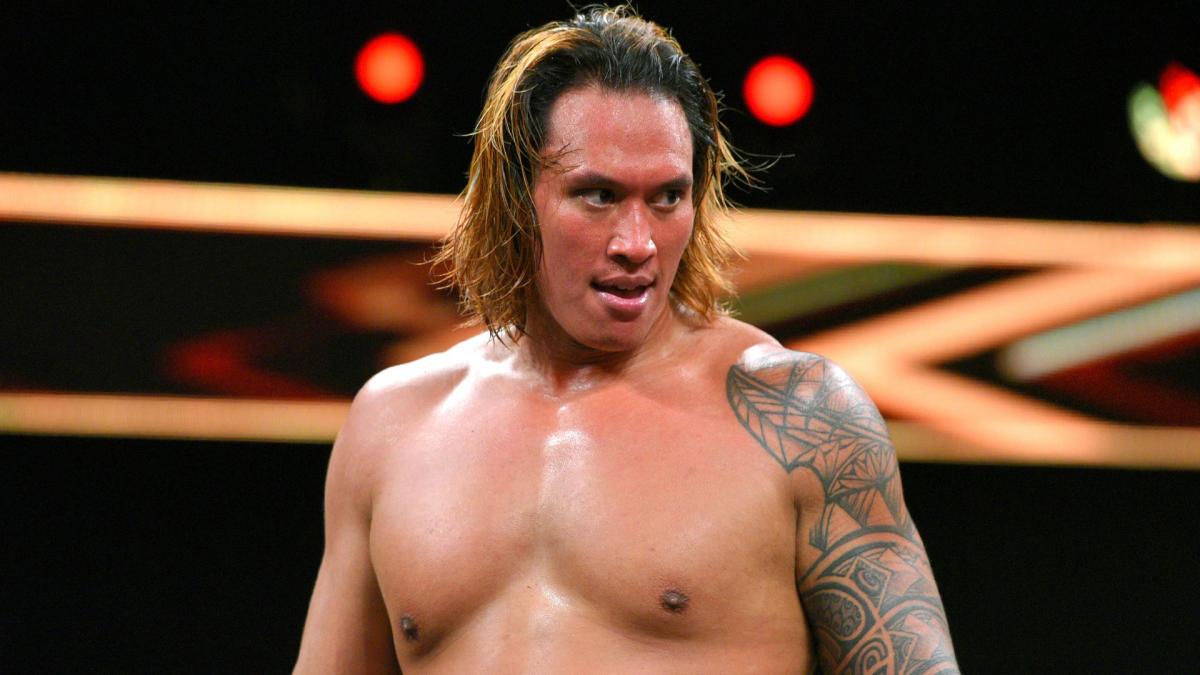
Billed as 'The Finest', Kona Reeves was once given a gimmick based around delusional arrogance, flaunting a supposed lavish lifestyle and unmatched talent. Only some of that was true, and only the falsehoods were crystal clear.
While the idea had potential, Reeves lacked the conviction to connect with an increasingly discerning NXT audience and the gimmick came across as a poor imitation of countless more successful heel archetypes. His in-ring work, while serviceable, never reached a level that could compensate enough for the shortcomings of the one-note character either. Against a roster of increasingly high-end talent, Reeves was constantly out of place and unable to deliver standout performances or generate genuine heat.
The biggest issue was the lack of evolution in his character despite a whopping seven years in the system too. Especially how most of them were during NXT's creative boom. To that end - he's best remembered for getting decked by Ricochet during a Monday Night Raw invasion of the black and gold brand in 2019, stuck more as the punchline to a good visual gag that somebody who could ever turn that funny into money.
8. Santana Garrett
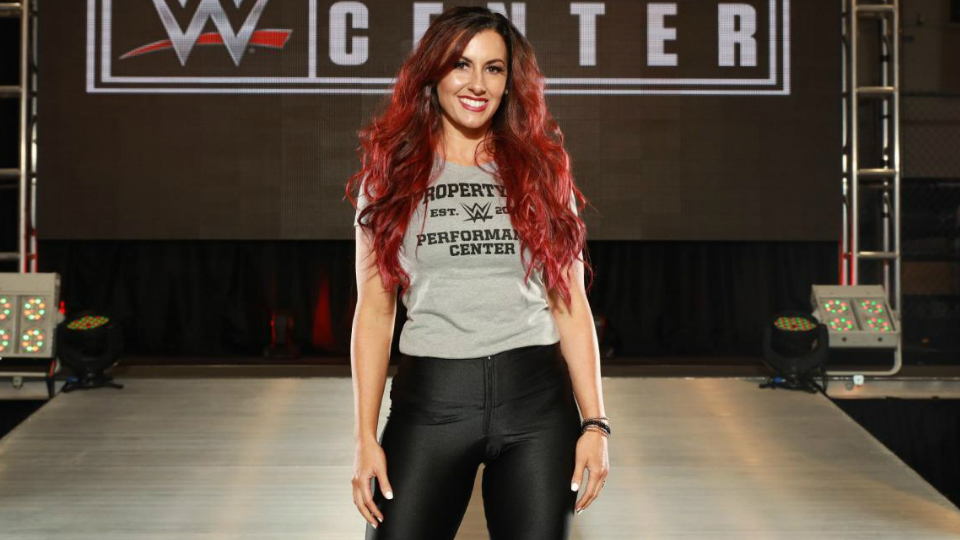
There's no shame in being considered more of an enhancement talent than a breakout star, but the timing of Santana Garrett's hiring snookered her longterm with the market leader.
With a solid indie pedigree and undeniable athleticism, Garrett arrived in NXT with high expectations, and her confidence and charisma at very least looked likely to position her above the rank-and-file. However, much of that was scaled back, truly great matches during a time where the division was truly great failed to materialise, and she was relegated to playing a generic, plucky upstart that never fully resonated with fans and - crucially - never seemed to need to win.
Losing to more established stars without being given a meaningful opportunity to showcase her skills damaged her credibility in a division teeming with dynamic characters and standout performers. As a result she became little more than a forgettable face in the crowd, and she was released in 2021.
7. James Storm
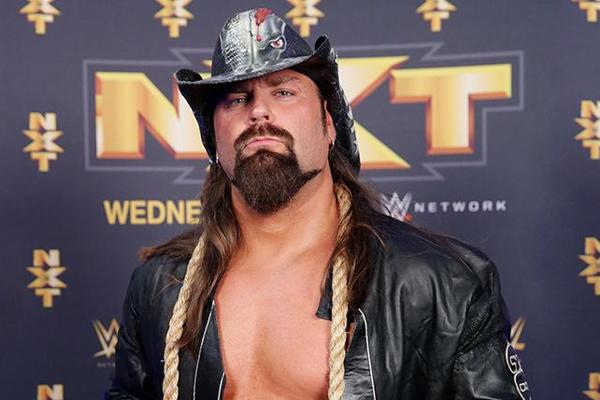
"Failed" perhaps isn't exactly fair here - James Storm made the choice to stick with Impact Wrestling rather than sign on with NXT when he worked a couple of matches at Full Sail University, but there's more than a bit of what-might-have-been about the former Beer Money man's possibilities with the market leader.
'The Cowboy' carried immense credibility as one of the cornerstones of TNA/Impact, where his work as a tag team specialist and singles star made him a respected veteran. And even though NXT was transitioning into WWE’s response to the indie wrestling boom, Storm’s old-school, Southern style was pleasingly at odds with the brand’s evolving identity.
His debut matches showcased his natural charisma and in-ring acumen, but WWE’s reported hesitancy to offer Storm a lucrative deal further complicated matters, and his eventual decision to re-sign with his former employers made sense - there, he was valued as a top-tier performer. In NXT, he risked being just another name on an increasingly-stacked roster.
6. Xyon Quinn
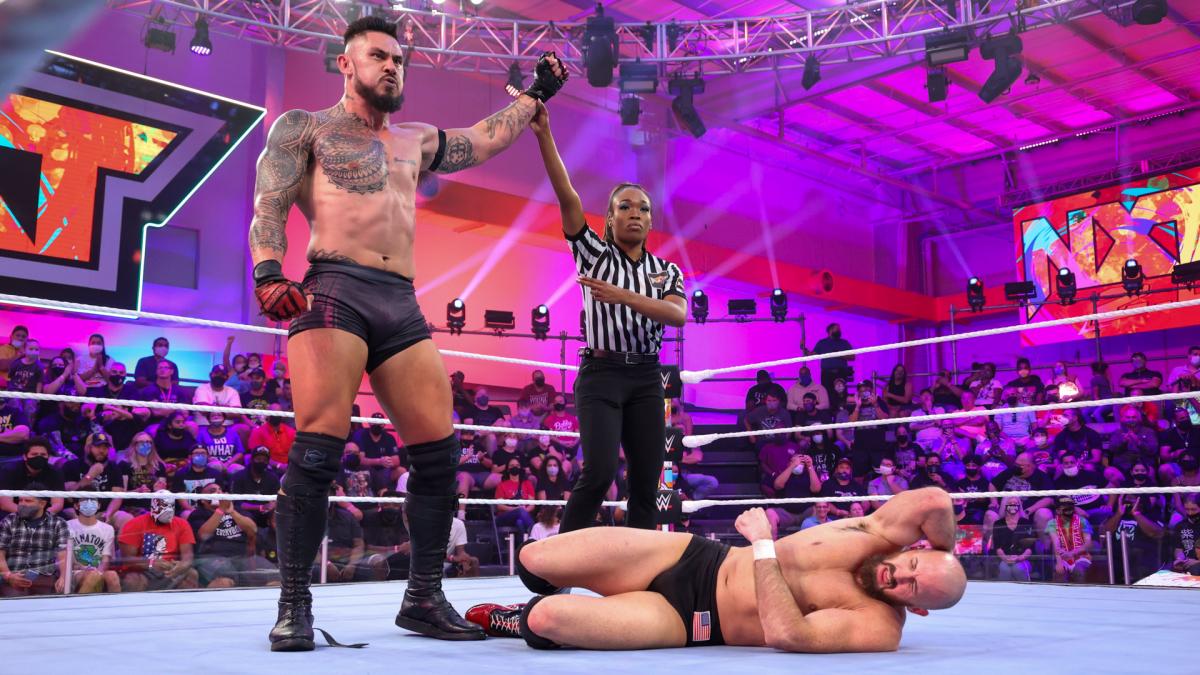
Despite six years within the system, Xyon Quinn’s story in NXT was all too familiar to anybody that knew the potential modern realities of making it in wrestling after leaving another sport behind.
Quinn had the size, athleticism, and an overall look that WWE typically loves, but the Sports Entertainment skills pool was otherwise shallow. Billed as a charismatic, confident athlete with a touch of arrogance, Quinn was just an idea rather than a realised concept, and fans saw through it. His in-ring skills, though solid, were rarely showcased in meaningful matches that could elevate his character too, and without any substantial storylines or rivalries to anchor him, Quinn was left to drift.
Perhaps due to time rather than any one particular breakout moment, Quinn was listed as a "free agent" in the 2023 Draft, but it wasn't a sign of things to come. He made an even smaller dent on Raw and SmackDown than he'd managed on NXT, losing regularly until he was released in 2024.
5. Michael Tarver
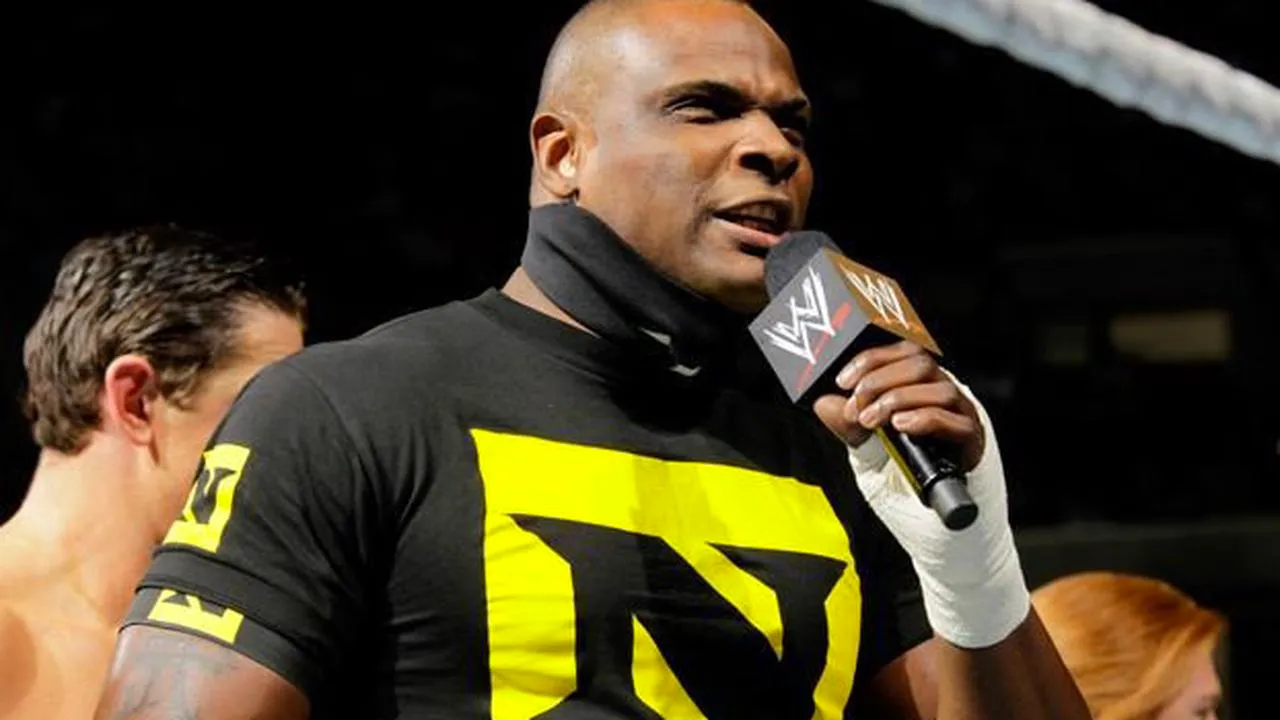
Remembered fondly for how intimidating he looked when Nexus first arrived in WWE, Michael Tarver was a classic case of the market leader's reverse midas touch with developmental call-ups at the turn of 2010s.
WWE barely committed to pushing the group, let alone the individual members, and the giant yellow N that adorned the t-shirt quickly became a sign to hang over a midcard graveyard by the time John Cena and others were finished with them. Whatever his ceiling was, nobody was ever going to see it - Tarver’s failure boiled down to WWE’s inability to commit to the side characters or remotely consider additional storylines beyond big beatdowns in segments and bigger losses when the matches came around.
His time in WWE ended prematurely, and his potential was wasted. Some other Nexus members gradually found their own paths out of oblivion, but Tarver was left in the dust.
4. CJ Parker
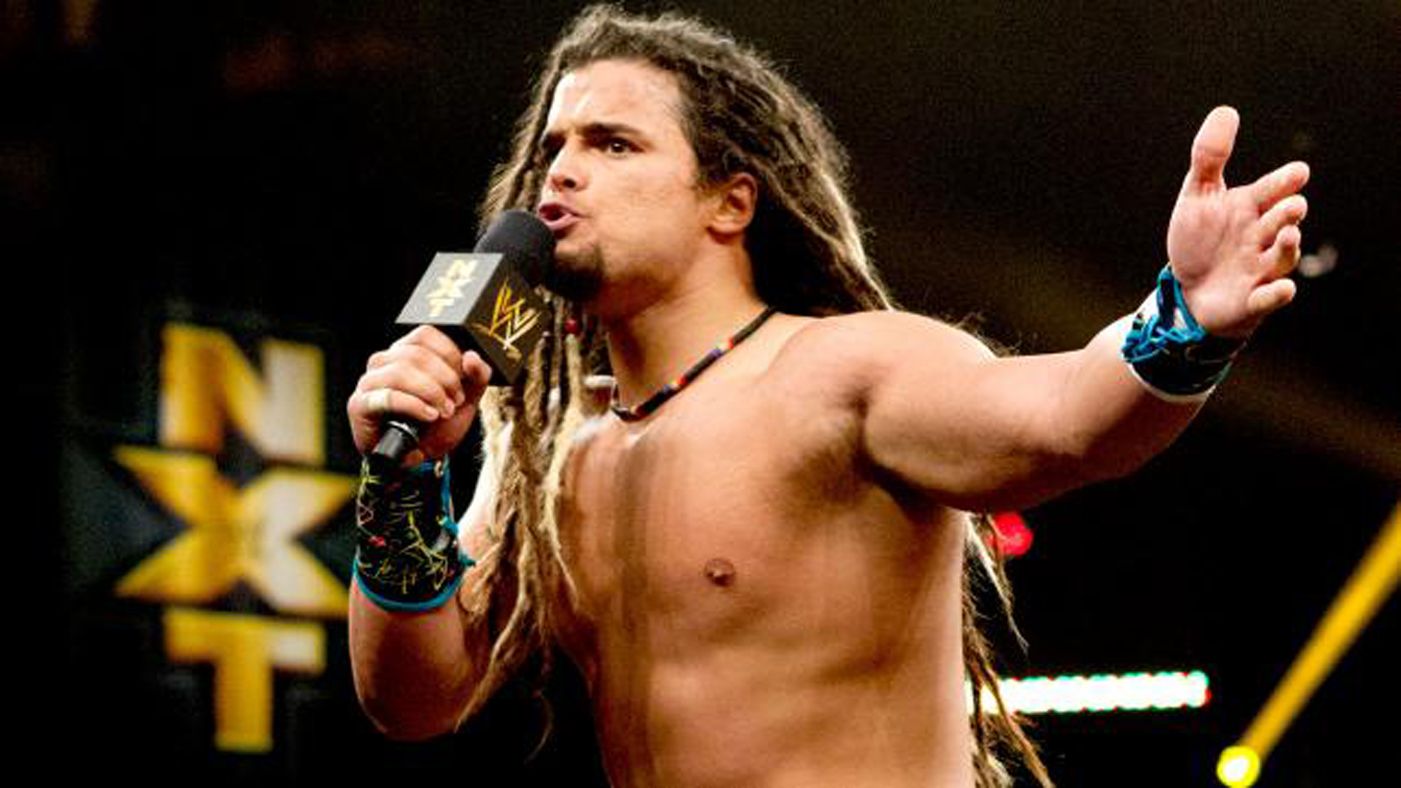
CJ Parker’s failure to get over in NXT is in stark contrast to the success he would eventually find outside of WWE's restrictions as Juice Robinson.
Parker was saddled with a one-note, preachy eco-heel gimmick that felt more annoying than endearing. His persona - intended to be sanctimonious - lacked the layers or charisma needed to connect with the audience. The presentation, in spite of Parker's efforts, felt dated and on-the-nose too. Fitting, considering how Kevin Owens' debut NXT match against him went.
Beyond that grisly battle, Parker had a solid foundation but that was part of the problem. His matches were often drabber for being overshadowed by the gimmick’s limitations, and his lack of engaging storylines kept him saddled as a jobber-to-the-stars. Unlike many of his NXT peers during a golden era for the brand, he never found that all-important breakout moment.
When Parker left WWE and reinvented himself as Juice Robinson in NJPW, everything clicked. The character was given room to breathe, allowing his obvious personality and in-ring talent to shine. The charisma, the flair, and the evolution of his character turned Juice Robinson into a top-tier star - something Parker was never destined to be.
3. The Robert Stone Brand
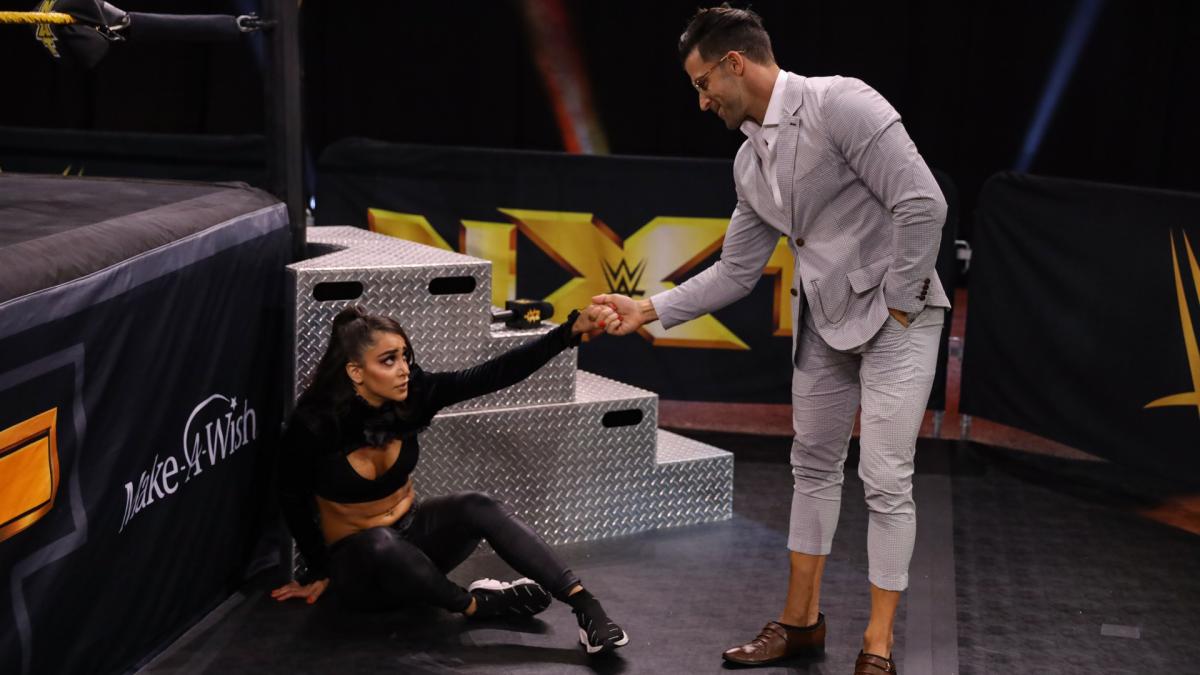
The Robert Stone Brand was an all-too-familiar case of a developmental experiment that never quite figured out what it wanted to be, leaving it to flounder in NXT's overcrowded landscape.
Led by wrestler-turned-manager Stone, the stable struggled to find its identity. The idea of a sleazy, opportunistic agent building a faction of misfits made sense on paper, but in practice, it quickly became a series of half-baked gimmicks that never gained traction in any of the feuds.
Stone’s charisma and ability to talk a big game were his strongest assets, but the talent he managed often found themselves more defined by the wacky antics than their own work. The stable didn’t have the compelling chemistry or purpose needed to push it beyond the midcard, and instead came off as a random collection of underutilised talent being subjected to bad comedy and bad booking.
Like much within that wretched era for the black-and-gold brand, a lack of directions, arc or a story that genuinely connected, it was yet another forgettable pandemic-era experiment.
2. The Forgotten Sons
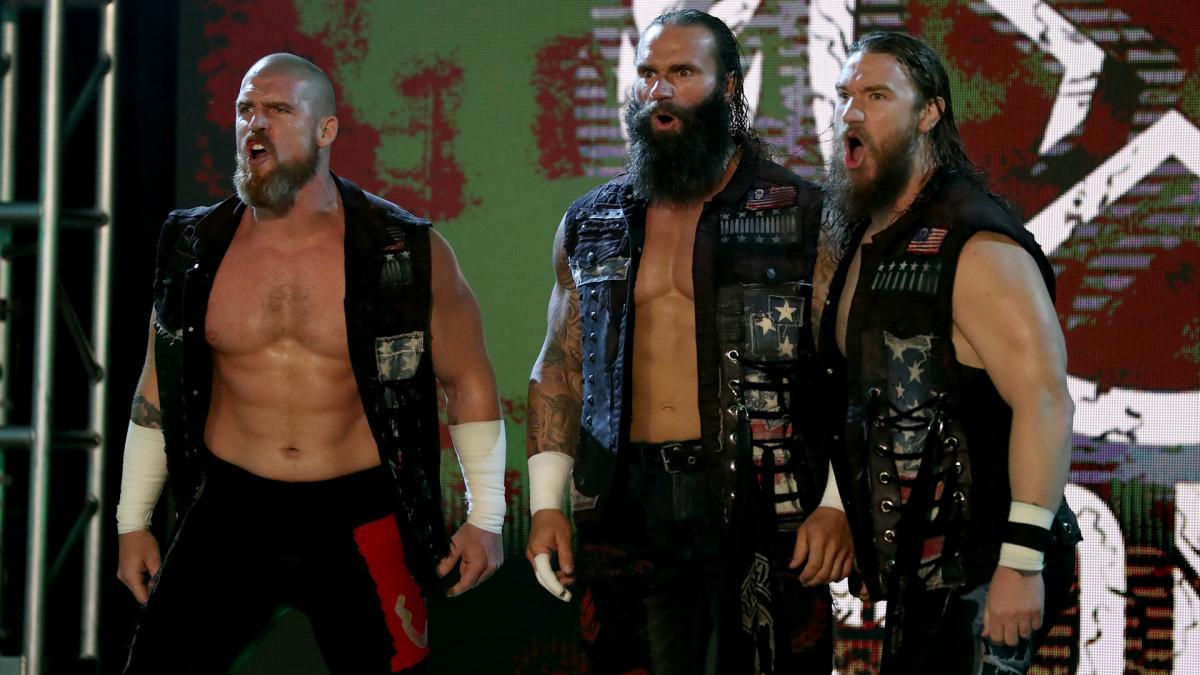
A self-own stable within a product that was by that point a little too in with its own scent, The Forgotten Sons' flaws were heightened when they moved to the main roster, but the rot had already set in during their time in NXT. Billed as a hard-hitting, military-inspired faction, Wesley Blake, Steve Cutler and Jaxson Ryker had potential with characters rooted in the "forgotten" nature of disenfranchised veterans. However, the gimmick never fully connected with the NXT audience, leaving them as angry...sympathetic heels?
It put the blockers on them getting interesting creative beyond being generic heels that had Ryker as a token monster, and the call up was as much to get them out of developmental as it was to get them into the weekly churn.
Things predictably didn’t improve. Their gimmick came across as outdated and tone-deaf in the more polished WWE environment, and when Ryker was outspoken with some extremely controversial and poorly-timed remarks, the group were doomed beyond any recourse.
1. Toni Storm
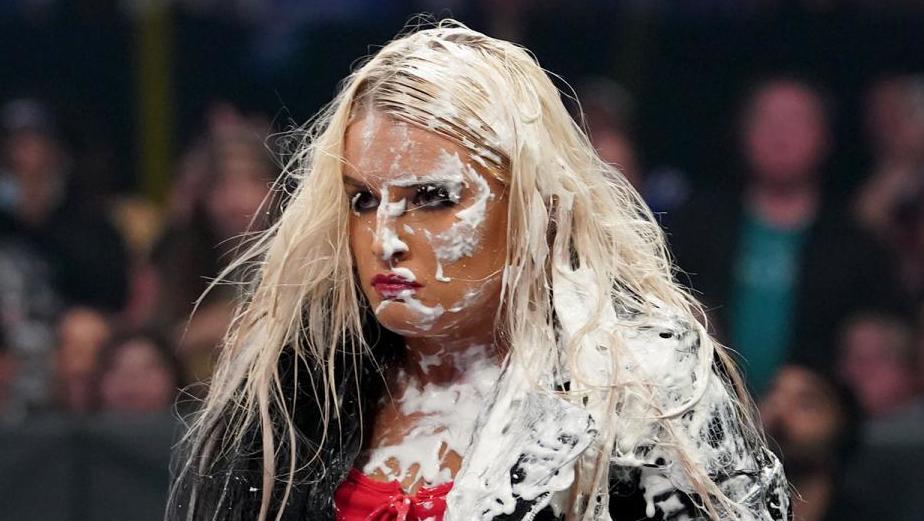
Toni Storm’s WWE journey was a frustrating tale of wasted potential, with both her NXT run and main roster debut failing to live up to even moderate expectations.
As she's proven in AEW across several different years and personas, she's a world-class wrestler with the charisma to match. That, outside of a run as NXT UK Champion on that busted flush of a show, these skills were not taken advantage of speaks to just how broken the systems were by the the early 2020s.
Her 2020 heel turn in particular was a tone-deaf moment that signalled just how out of touch Triple H's CWC-era NXT booking was with fans and Storm's own potential. Instead of building on her natural charisma as a babyface following a recent return, they shoehorned her into a lacklustre heel persona that only existed for the sake of making up the numbers in a totally forgotten WarGames build.
When Storm eventually made it to the main roster, she was back as a babyface and - somewhat infamously - back with some abysmal creative. Taking a pie in the face from Charlotte Flair was enough for her to realise that a wrestling career can be anything but timeless. Arriving on Dynamite in March 2022, she realistically stands as one of AEW's best ever signings.