25 Things You Learn Binge Watching Every WWE Ruthless Aggression PPV
6. Going Stadium Crazy Saved WrestleMania
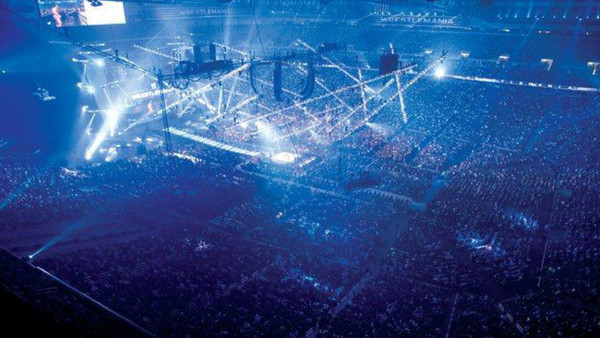
Vince was reportedly unhappy with WrestleMania XIX in 2003 and blamed Seattle for it, but the show had some serious atmosphere to shout about (especially once the sun went down). It looked big time on camera. WWE would end a run of 3 ‘Manias in domes/stadiums by going to MSG for XX. That made sense at the time, but there’s no denying that neither Staples Center for 21 nor Allstate Arena for 22 matched the hugeness needed for WWE’s tentpole event.
Ford Field and the Citrus Bowl for 23 and XXIV respectively made WrestleMania feel big time again, and WWE has stuck to bigger venues ever since. In short, the 'Ruthless Aggression' era saw the last arena ‘Manias. It's certainly arguable that going exclusively into stadiums saved the concept from feeling smalltime.
Beaming live from cavernous venues feels fitting for WrestleMania. After all, it's been promoted as larger than life and the biggest date on the calendar since 1985. A regular arena you might see Raw, SmackDown or 'B' level pay-per-views like Fully Loaded or Unforgiven in never felt grand enough for 'Mania.
WWE finally felt comfortable enough to house the show exclusively in major stadiums and domes from 2007 onwards. The only exception to this was forced; the COVID pandemic put 'Mania 36 behind closed doors at the quaint Performance Center, but that was unavoidable.
We'll surely never see another 'Mania take place in smaller buildings again. If anything, WWE wants to get bigger and bigger with it. Thus, WrestleMania 22 in Chicago will forever be known as the last arena 'Mania.