Everything You DIDN’T KNOW About WCW’s Final Days
8. God, WCW Truly Was Completely Braindead
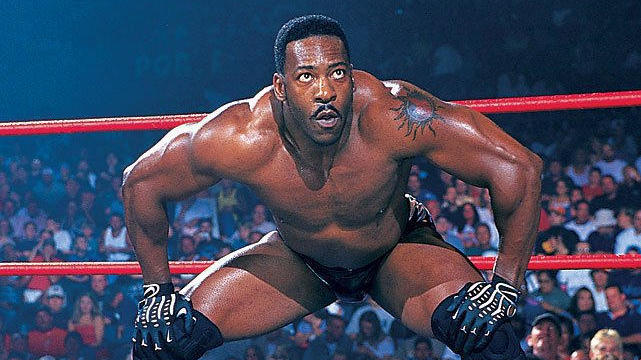
Provided the follow-up plan was actually executed, Eric Bischoff’s big plan to reboot the promotion was not entirely stupid. Not entirely.
In February, Bischoff worked under the assumption that the last weeks and months of WCW television barely counted. Hardly anybody was watching; even fewer people cared. Under the new Fusient Media-backed WCW, Eric wanted to rid WCW of a stigma so awful that even the big stars felt nothing like stars. He was a dunce half the time, Bischoff, but he was savvy enough to grasp that a key way of getting over on TV is to not appear on TV. Wrestling fans are accused of being fickle, but there’s no offseason. A long stretch off is the next best thing, and the first nu-WCW Nitro was always going to pop a decent number. That’s how debuts work.
And so, Bischoff decided to shoot angles in which every babyface was written off TV, so that they would appear shiny and new when reintroduced into a bold new post-takeover era. The problem, and how WCW is this, is that the Fusient deal collapsed and, with it, the plans for a reboot.
The follow-up plan was not executed.
In the meantime, with so few wrestlers that were once perceived as stars appearing on TV, Nitro and Thunder ratings fell to record lows of 2.05 and 1.52 in the penultimate week of February - meaning WCW had never been more worthless at the exact same time as prospective buyers were undergoing the valuation process.
Booker T was brought back in desperation before WCW was then sold to WWE for buttons, meaning the whole thing was worse than a waste of time.