The Rise Of Triple H | Wrestling Timelines
July 11, 2013 - Performance Center
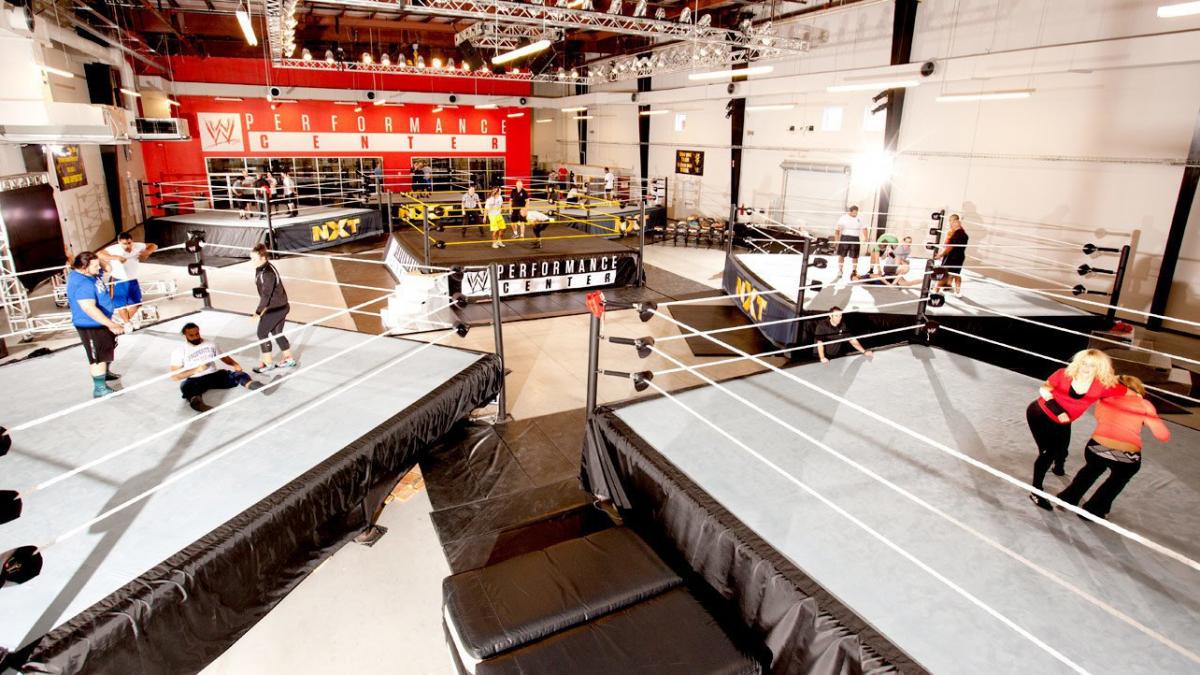
The WWE Performance Center officially opens.
The idea is to create a one-stop shop for talent development. WWE recruits talent with strong collegiate athletic backgrounds, trains them using Levesque’s much talked-about “playbook”, and hopes they will one day “main event” WrestleMania. This approach is consistent with the long-held belief that WWE likes to “make their own guys”.
In reality, the system is unfit for purpose. The irony is thick. Very few of these “from scratch” recruits end up headlining WrestleMania.
Charlotte Flair is debatable - she started training before the PC was opened, but had never worked a match outside of the system. Bianca Belair, who went last against Sasha Banks at WrestleMania 37, absolutely counts. She was the objective of the PC, manifested. Roman Reigns, who headlines more WrestleMania events than anybody else, is a product of the proto-NXT, before Levesque reimagines developmental in his image and hires the controversial Bill DeMott to oversee training.
Beyond the class of ‘Mania headliners, the crop of talent yielded by the PC, while not unimpressive, is hardly a factory of superstar draws. The wrestlers who experience the most success in WWE during the PC era either barely step foot in it, or supplement their in-ring training with a journey on the independents: Roman Reigns, Brock Lesnar, Seth Rollins, Becky Lynch, Cody Rhodes, Kevin Owens, Sami Zayn, Sasha Banks…
It is not, in terms of influence over the biggest show of the year, the New Japan Dojo.
While the PC will eventually reveal itself to be a relative failure, the sentiment surrounding early NXT - highlighted by Cesaro, Sami Zayn and PAC, amongst others - is so euphoric that the unthinkable happens.