The Secret History Of ECW | Wrestling Timelines
September 24, 1991 - Nevermind
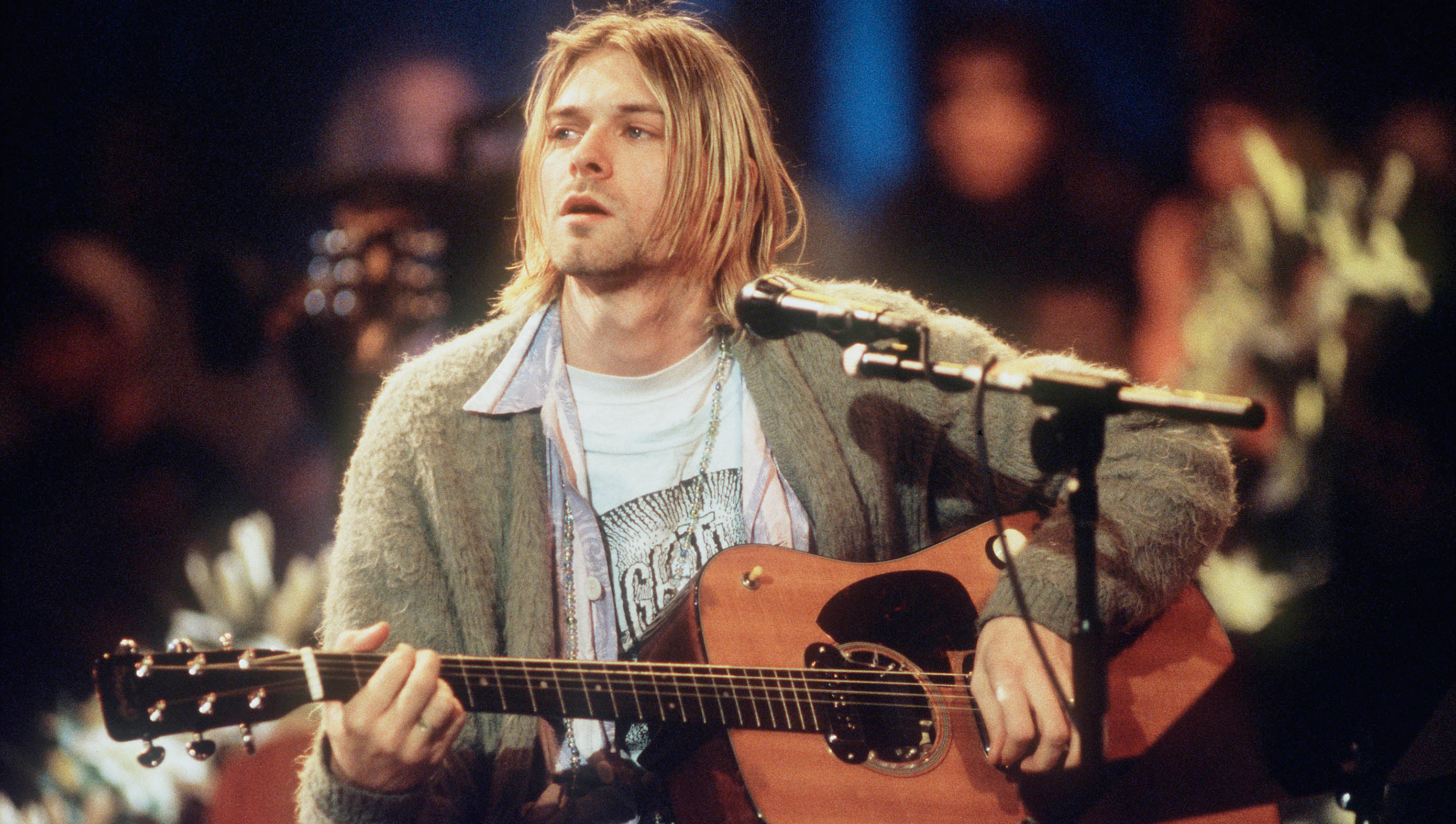
The Seattle grunge outfit Nirvana releases its second album ‘Nevermind’. It’s an enormous hit that dismantles everything: sound, fashion, the psyche of an entire generation. Instantly, the very colour palette of Americana changes. Everything is grey, brown, washed out - a jaded reflection of the disaffected youth movement that is taking over the country.
Pro wrestling is now a fading cultural outlier. The 1980s boom is over. The WWF, soon to be plunged into various scandals of its own, grim making, is dark and rotten on the inside. Outwardly, though, the recognised global leader in sports entertainment is still parading around Hulk Hogan as the top guy. Every babyface wrestler is adorned in bright, garish colours. A moral code emblematic of American values continues to be sold as a character trait.
The WWF and WCW are so wildly out of touch with this shift in mood, in fact, that the mainstream promotions will only begin to capture it in 1996, when grunge is cycling out of fashion. The timing works out well for pro wrestling in the end, though: grunge is displaced by nu-metal in the booming alternative rock market, and its more aggressive, toxic take on disillusionment is a much better zeitgeist synergy than the sensitivity of Kurt Cobain.
There’s one person in wrestling who senses it there and then, but he’s a talent with no creative influence: Paul E. Dangerously, a heel manager working for WCW. He won’t stay there long; an ugly dispute with booker Bill Watts hastens his exit in early ‘93, freeing him up to implement his vision.
Paul Heyman thinks the WWF and WCW is unhip hair metal. He wants his new promotion to be “the Nirvana of pro wrestling”.