10 Reasons Why 'The New Frontier' Will Always Be DC's Greatest Graphic Novel
Darwyn Cooke may have passed, but his work will captivate for lifetimes to come.
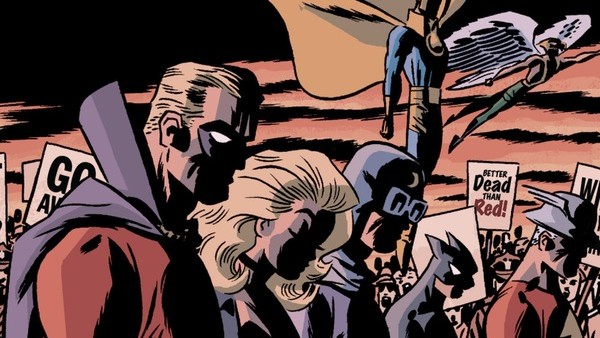
Darwyn Cooke was by all definitions of the word, a legend. In his decades-spanning career, the creator gave birth to some truly remarkable creations, including Batman: Ego, Parker: The Hunter, and countless animated efforts. Cooke's untimely passing has left an irreplaceable hole in the comic book medium, but let us not forget just how magnificently his genre-defining works have resonated with countless fans world-over.
The writer/artist's unique and bold style of story-telling was inextricably linked with childlike wonder and nuance, creating works that transcended the usual tropes of the medium whilst at the same time embracing them wholeheartedly. He was, quite simply, a visionary, and no other tale best exemplifies his talent than DC: The New Frontier.
Set during the Golden and Silver Ages of the DC Comics Universe, The New Frontier revisited a neglected part of the company's history and infused it with erudite social-commentary and complex thematic elements, all while maintaining the era's quintessential Sci-Fi particulars. Cooke nailed the zeitgeist of early '60s America, and the text itself offers invaluable analysis of JFK's promised 'New Frontier' - all while telling an amazing superhero caper in its own right. It is without a doubt the best origin story the Justice League has ever received, and one every comic fan should read without question.
When I first came across The New Frontier, I was completely blown away by just how effortlessly Cooke weaved complex themes into the inherent zaniness of DC's Silver Age.
To me, his magnum-opus encapsulates the pure joy of embracing the comic book medium. It's intelligent, gorgeous, and enthralling from start to finish, and my personal favourite tale of costumes and capes ever to exist.
10. It Reimagined The Silver Age For A New Generation
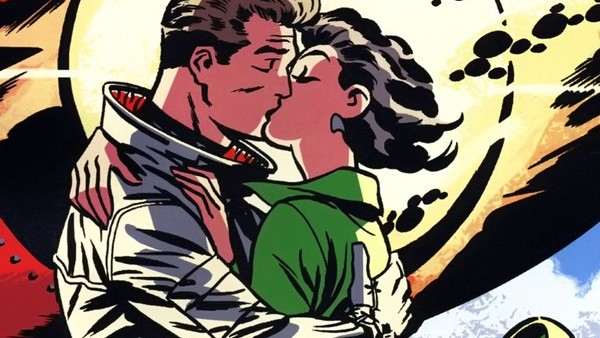
Chances are the first thing that comes to mind when people think of the 'Silver Age' of DC Comics will be Adam West and Burt Ward battling wits with Frank Gorshin's Riddler, shark-repellent Bat-Spray in hand with a groovy musical accompaniment. Now, that may be a fair assumption for an era as characterised as it is lampooned for its camp tendencies, but the way Cooke reinterpreted DC's formative years managed to retain its quirks, while at the same time injecting them with a grounded historical context, akin to Watchmen but in a manner far more befitting of the DCU's most well known and cherished individuals.
The classic costumes of the '50s and '60s were drawn masterfully, penciled and coloured with a bright and vivid pallet that perfectly contrasts with the dark and tumultuous reality of the early years of the Cold War. Make no mistake, whilst Cooke unashamedly embraced the aesthetic of the Golden and Silver Age of the DC Universe, this book is first and foremost a reverent and blistering analysis of the apparent 'youthful optimism' of the 1960s - embodied by the renewed optimism of the Kennedy administration - and with it the violence of confrontations inherently propelled forward by a rapidly changing world.
Using superheroes to chronicle the social changes of these two incredibly influential decades was an absolutely brilliant concept, and one that still holds up today.
9. Every Single Panel Is A Thing Of Beauty
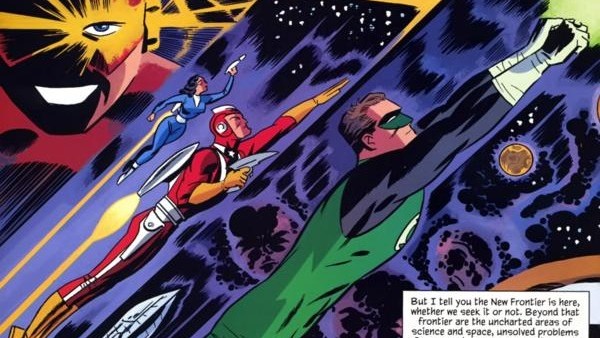
Darwyn Cooke was a beautiful artist. The cartoon-esque vibrant style he so often penned served the creator wonderfully over the years, and, in many ways, seemed like a natural fit for depicting the early days of DC.
Cooke's immaculate drawings lent themselves perfectly to the New Frontier's edgy yet grounded vibe, depicting a more innocent time of the DCU whilst also containing the panels in the historical context of the era. There is a certain ironic dissonance to be had in watching Golden Age Wonder Woman battle with the Viet Cong in French Indochina, but for all intents and purposes it manages to work on every level. It creates an atmosphere that manages to abide by both the intense reality of the time and the extreme fantasy of the decade's comic book creations. This in itself is a remarkable feat, but Cooke's artistry was always a spectacle to behold - in and out of The New Frontier.
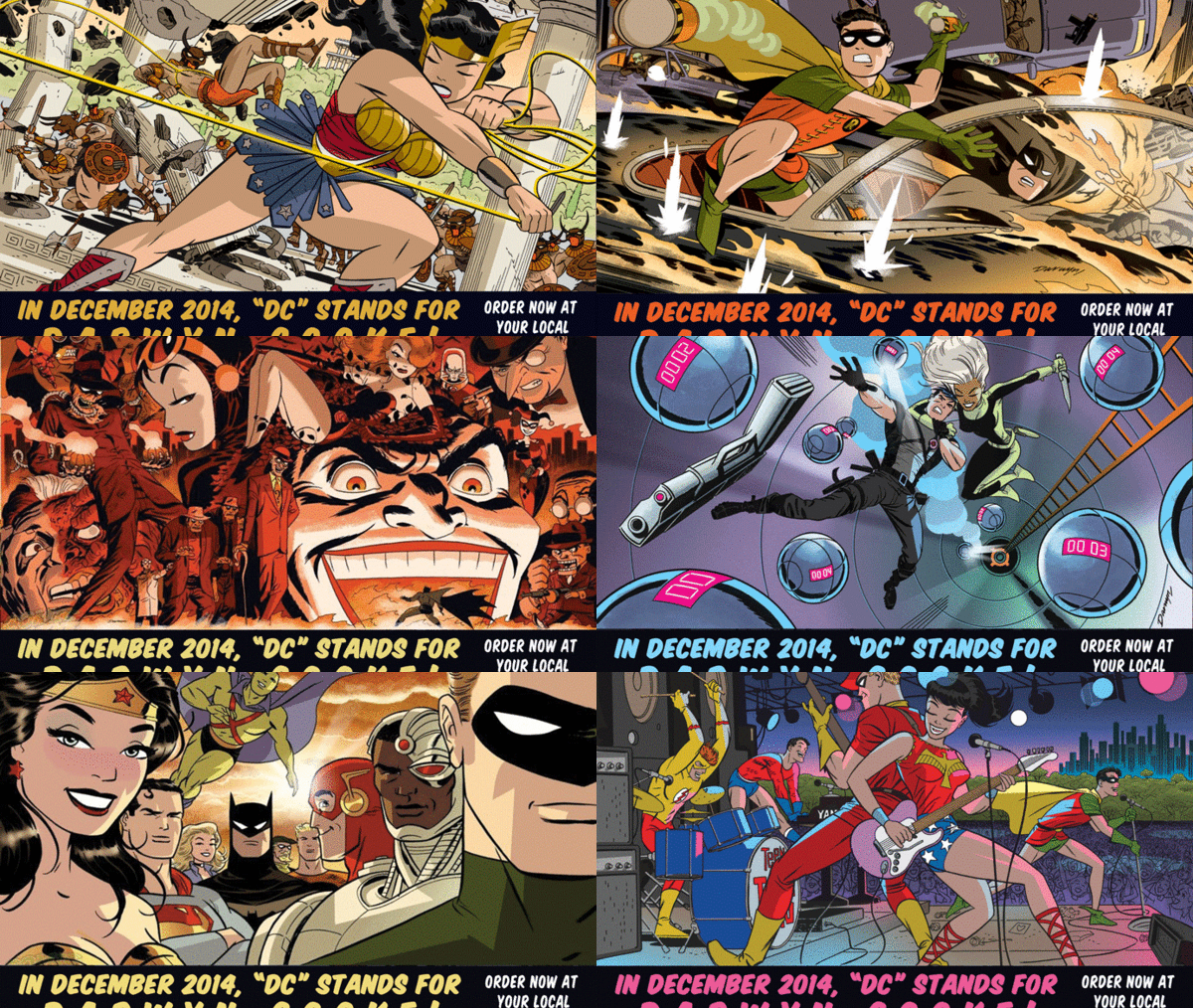
I mean, just take a look at the amount of covers he created for DC back in 2014 - they're a love letter to the medium and that fact runs clear throughout the artist's work.
8. Cooke Meshed Light And Dark Together Wonderfully
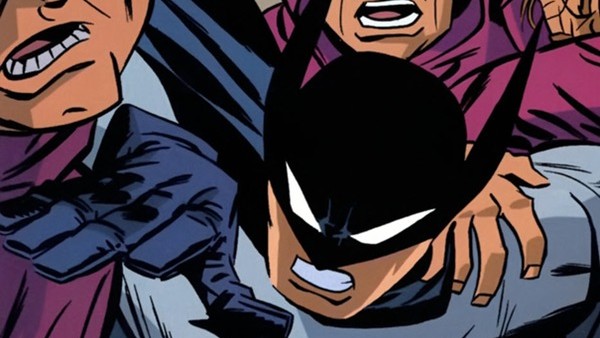
Over the past decade or so, an apparent consensus appears to have been reached in superhero literature: lightness and darkness are mutually exclusive; plot, character and action cannot account for those two opposites concurrently.
First of all, this is a fairly ridiculous concept. Though the medium may have developed a reputation for all things dark and gritty, let us not forget that at the end of the day these are stories revolving around fantastical beings - characters who don bright and colourful costumes, explore the universe, and carry out death-defying feats on a regular basis. Of course this does not limit the potential for creators to explore dark or complex narratives, but there is always a danger of a tale becoming comically serious if it seems to shy away from the crazy and wonderful tenets that their creative properties were founded upon. If anything, The New Frontier proves that you really can have the best of both.
The text is light and funny, yet dark and mysterious. It's unrelentingly fierce in its social-commentary, yet joyful and mystical all in one. The thought of any creator dealing with the rampant racial violence of Jim Crow in a book that also features Dinosaur Island would seem overly ambitious and antithetical at first, but trust me, it's a testament to Cooke's story-telling talent that he could approach both with unreserved nuance and analogous creativity.
7. It Unashamedly Embraces DC's History
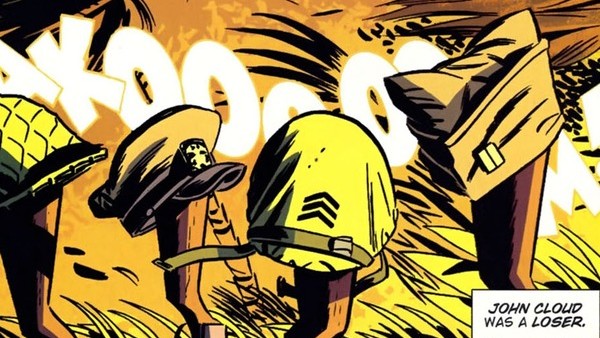
The New Frontier exudes history through every panel, and not just that of the United States either. Honestly, the amount of classic DC characters, locations, and vehicles featured within is nigh-gargantuan. Indeed, the level of respect and adoration Cooke showed for this universe is beyond amazing, at times becoming completely infectious to the reader. You genuinely can't help but get absorbed into the world The New Frontier occupies, and it's believable every step of the way - comprised of a memorable cast of characters that would make even the most jam-packed of Justice League tales green with envy.
It's near impossible to count just how many of DC's denizens make an appearance in Cooke's masterpiece, but you can guarantee that if they were at all prominent during the company's early days, they're bound to be in there somewhere. There's an epic prologue featuring The Losers (a hodgepodge of DC wartime favourites who somewhat resembled the famed Dirty Dozen), The Blackhawks partake in the book's explosive finale against an impending existential threat, and Adam Strange even makes an appearance at different times throughout. There's an absolute bonanza of characters involved in the main story, and that isn't even counting the multiple cameos made during the novel's closing moments.
Even a decade on from its initial release, The New Frontier remains a breath of fresh air in an industry climate that is so often reluctant to embrace the more joyous aspects of comic book creativity, remaining in a recurring deadlock of pseudo-reboots, mandatory yearly 'events', and restrictive character rosters. Cooke bucked all these trends with his throwback to the medium's glory days (and was even critiqued for doing so upon the tale's original release), but time has shown that it was the right thing to do. After all, you don't win multiple Eisner, Shuster, and Harvey awards for nothing.
6. Every Character Is Given A Genuine Voice
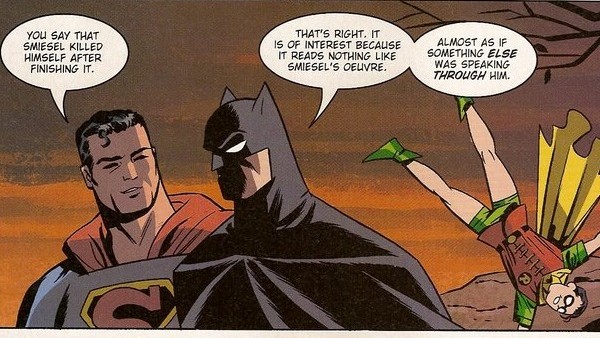
It's not as if all of these aforementioned characters are voiceless apparitions either. Throughout the six-issue course of the plot's events, Cooke spotlights multiple DC heroes and nails each and every one of their respective voices flawlessly. No one feels out of place; every character is compelling, and for a tale that features a breathtaking amount of protagonists that's a pretty impressive achievement.
Though many costumed tales these days fall victim to over-saturation and an over-reliance on popular characters, The New Frontier broke away and tried its own thing. Sure, some heroes (Martian Manhunter, Green Lantern, The Flash) receive more panel-time than others, but the preeminent impression that is left upon the reader by the time they depart Cooke's captivating comic book isn't one of disappointment, but one of amazement.
The story concludes with multiple believable and satisfying character-arcs that only further add to the sheer genius of the book's premise. We see Batman evolve from the grim vigilante of the Kane and Finger days into the Silver-Age champion of the '60s because he "set out to scare criminals, not children," offering a coherent explanation as to why Bruce took up a ward and advanced a stark tonal shift in his once sullen demeanour. Wonder Woman comes to terms with her relationship between Themyscira and her adoptive homeland of America, Martian Manhunter becomes a vessel through which Cooke can illustrate the dangers of bearing reactionary and demonising attitudes, and Hal Jordan overcomes the fear wreaked upon him by his time in North Korea. To handle just these characters with unbelievable levels of complexity and intrigue would've been enough to secure The New Frontier as a 'must read' for fans the world over, but Cooke treats all his actors with equal quantities of depth - it's absolutely incredible.
Even those with only minor roles feel genuine, cementing the tale as a truly heterogeneous work that accounts for all its protagonists with corresponding levels of intensity.
5. It Effortlessly Depicts The Zeitgeist Of The '50s & '60s

Now I may not know the level of research that was put into the creation of The New Frontier, but judging from the historical accuracy alone I'm more than willing to bet that many days and many hours were spent just to make it feel as authentic as possible.
The book simply oozes history at every level, and Cooke's immense understanding of the period shined throughout: whether that be through minute details showcasing era-appropriate fashion, technology and pop-culture, or through his impassioned engagement with historic concepts, ranging from matters of social justice and governmental policy to American notions of Manifest Destiny and everything else in between. Cooke's confidence when approaching these themes, as well as tackling the period as a whole, is vindicated by the overall quality and rigour of the text's metaphors, allegories, and constant social-commentary. When you're reading The New Frontier, it manages to transport you back in time, and it does all of this without even bordering on the nostalgic (though a clear love for DC's oldest stories emanates throughout), painting a picture that is as relevant today as it was back then.
This one's really for all you history lovers out there, so if your passion for comic books is only surpassed by an adoration for all things historical, your pop-culture tastes will be well and truly catered for in this intersecting tale of capes and conspiracies.
4. It Tackles Issues Both Past And Present
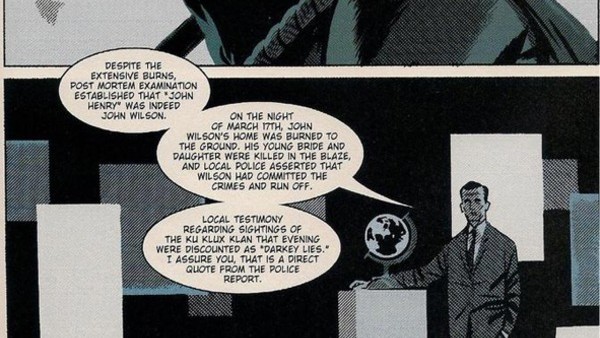
Before I progress, it must be said that the American experience of the 1960s is unfairly glamourised, romanticised, and stereotyped as an age of unshakable idealism and naivety. Many progressive changes were affected, yes, but it was still a decade blighted by racial violence, prejudice, war, and political polarisation. It is the decade that many see as the birth of modern America, exemplifying countercultural norms as well as a new-right resurgence that would later entrench already embittered divisions across the nation. It makes sense that the era has received so much attention, both scholarly and otherwise, but any study of the decade is incomplete without examining its ills as well as its changes.
The New Frontier excels at both, chronicling the birth of the 'long' '60s and with it the formation of DC's Silver Age with great intricacy. Over the course of the novel, Cooke tackles not only the rampant hysteria of McCarthyism and the Red-Scare, but also themes of prejudice, security, freedom, military intervention, civil rights, resistance, and of course the eponymous and ever elusive concept of 'The New Frontier' itself. He did this all with the legendary figures of DC's past, but if there was any one message that resonates most, it would be the dialogue presented between Agent King Faraday and J'onn Jonzz.
Faraday - a government agent most will remember from his brief appearances in Justice League: Unlimited - is as reactionary and conservative as they come when we meet him in Cooke's Earth-21. The main man behind the government's anti-superhero task force, Faraday is a stalwart through and through, unshaken in his belief that his work capturing meta-humans is a righteous act - a necessary evil to safeguard his friends, his family, and his country. However, a chance encounter upon Martian Manhunter offers valuable insight into a character that could be so easily vilified at a glance.
Through their conversations, Jonzz reaches into the agent's mind and reveals that he is, in fact, a good man at heart; not a vanguard of draconian authoritarianism, but a pragmatist that believes "a better day" will render his work redundant. It is with this discussion that Cooke aims to admonish prejudice in all its forms, and it is a theme that is repeated until the tale's final panels.
3. The Dialogue Is Impeccable
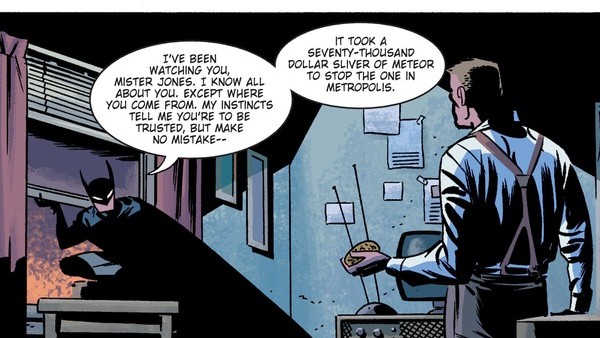
I've already described just how Cooke's natural affinity for all things costumed helped further imbue his work with a sense of authenticity, but I do feel as though dialogue in particular deserves special praise.
The fact this book has the best Batman one-liner in history is reason enough to take it seriously (reminding audiences that he needs only "a penny for a book of matches" to defeat DC's famed Green Martian), but all of the prose delivered, whether that be through narration or direct conversation, is impeccable. Discussions feel organic, relevant, and above all believable and era-appropriate. There's barely a page that doesn't further add to the enjoyment to be had in mingling with DC's fictionalised post-war America, as it reintroduces us to characters we wrongly presumed we knew enough of already.
2. Hal Jordan Is Handled Wonderfully
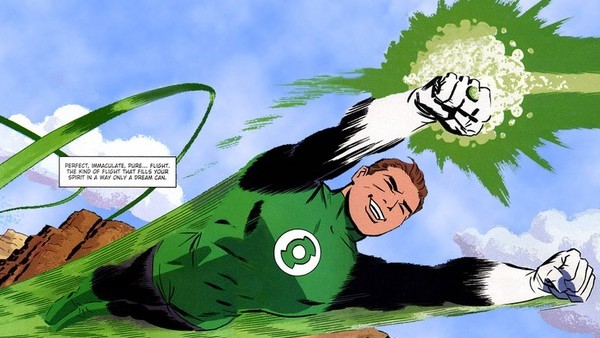
There's a lot to be said about Hal Jordan. He was the first human Green Lantern, the famed intergalactic enforcer of law in sector 2814, an embittered friend and enemy of Sinestro, and a resurrected hero that presided over the resurgence of the Green Lantern brand. The character is a bit of a bore though - a stereotypical male non-entity that has been rejigged as many times as the DCU has had crises. However, his plight in The New Frontier is both engaging and riveting, making new fans of the Air Force pilot at a time when he was unremittingly dull.
Darwyn Cooke's Hal Jordan is a veteran of the Korean War who spent his time above Pyongyang engaging in pacifistic aerial dogfights, until in a tragic turn of events he was forced to take a life on the day a ceasefire was agreed between the North and South.
Jordan carries this experience with him for the remainder of the book, seeing his murder as an act of senseless cruelty. This, along with his relationship with Carol Ferris and his eventual rise to prominence as a Lantern makes the character far more compelling than he has ever been before. Hal is very much the human voice throughout The New Frontier, and a character everyone can easily root for. It's an origin story worth revisiting, and it's wonderful Cooke did so.
1. It Embodies The Optimism Of Kennedy's 'New Frontier'

Whether accurate or not, the early 1960s has often been seen as the hallmark of American optimism. The idea that, prior to JFK's assassination in Dallas, 1963, there was a predominant sense of 'youthful optimism' among the American populace certainly isn't an unusual concept. Matched by the rhetoric of the Kennedy administration, one could easily define the era as an anomalous trend in the American psyche - one synonymous with idealism, optimism, and innocence. The reality was of course far more convoluted, but it is this message that matters the most to The New Frontier's story.
Kennedy was no stranger to boastful rhetoric, but his speech discussing the future of the United States, that rallied behind the concept of a 'New Frontier', may have been his most daring. It is this spirit that Darwyn Cookes swansong embodies, and unlike the former president the tale more than delivers on its promise.
In Cookes world, the heroes of the DC Universe are symbolic of a fully-realised American Dream, unleashing Kennedy's message of a supranational unifying force that could solve the 'unanswered problems of peace and war, conquer pockets of ignorance and prejudice,' and create a future moulded by the young in heart, regardless of age. By the books end, the formation of the Justice League symbolises the first step on this path towards a brighter tomorrow. For countless fans the world over who take solace in the medium, I can attest to the fact that Cookes work certainly brightened mine.
Now if you'll excuse me, I have a well-worn book to reread.
Those looking to make donations in Cookes name can do so either at the Canadian Cancer Society, or through The Hero Initiative.