Why The Comics Industry Needs To Change (Before It's Too Late)
The direct market is bad for business, but neither Marvel or DC will admit it.
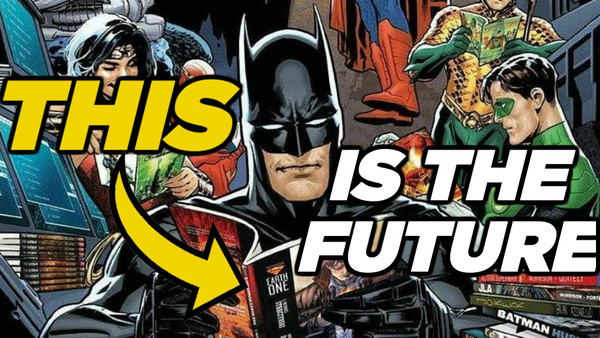
Comic books today are the most valuable resource when it comes pop-culture. Coveted by studios and dominant onscreen, the reign of the superheroes pervades across multiple mediums and doesn't show any sign of waining - at least not in the most obvious places.
Most, perhaps reasonably, would assume that a healthy box-office generated primarily by stories that originated in the comics medium would mean that the comics industry itself is also in a healthy place. That depends on who you ask, but while the industry is still going relatively strong, it's doubtful that there's anyone out there who doesn't think that things need to change. The onscreen popularity of the Marvel Cinematic Universe and, to a lesser extent, the DC Extended Universe, hasn't automatically engendered an uptick in sales on the comics side of things. The same old problems remain, and to many, the comics medium - certainly when it comes to DC and Marvel - is still relatively inaccessible.
How so? Well that comes down to a myriad of issues. For all that DC and Marvel have tried to jump in on the success sparked by big screen adaptations of their comics, only a few initiatives have really worked. Reboots and retcons net a short-term gain but risk alienating older readers, while newcomers may glance at the sheer number of relaunches and retcons and feel that there's no point in jumping in, lest they get invested in a particular continuity, only for either publisher to pull the plug in search of their next harebrained scheme to pull in more readers.
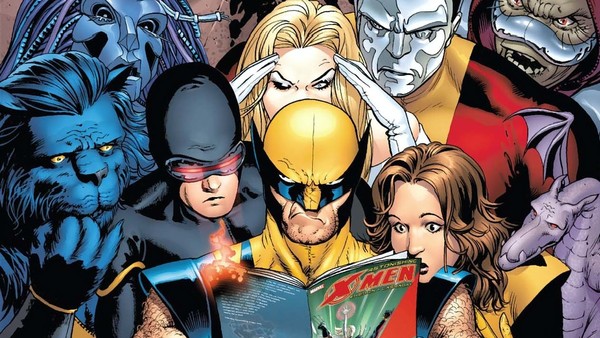
Comics creators themselves have bemoaned attempts from publishers to ape what the films do, and given how neither company looks like they're on the cusp of the next big comics boom, it's fair to say they may have a point.
But for all the reboots, retcons and relaunches, there's one glaring problem neither publisher seems particularly enthused about confronting. Those who don't read comics probably aren't even aware of its existence, but for longtime readers it's a name that needs no introduction - the 'direct market'.
The point is that the way comics are actually sold is holding them back, and with talk of publishers outside of the big two looking to divest from single-issues and adopt a collection-based, graphic-novel-style-only model, things could finally be about to change...