Why The Comics Industry Needs To Change (Before It's Too Late)
3. There's Only One Way To Support A Comic... And It Makes No Sense

In any other industry, sending a message to the decision makers at the top is fairly simple. If you like a given product, let them know by purchasing it. It doesn't really matter how you do (unless it's second-hand); whether you're lining up at midnight to see a film day one or purchasing it digitally months later, studios will have an accurate idea of how popular a given film is based on box-office performance.
TV is somewhat similar. If you like a show, tuning in when it airs terrestrially or by streaming it online is a great way to support it, as the more people who are watching, the more obvious it is for networks to keep it on the air.
Now, imagine that these traditional forms of support didn't exist, and instead, only pre-release tickets counted towards a film's box-office gross, or a given TV show's ratings. That would be wild, right? When these stories are told over a long period of time, with sequels and further seasons lined up, it wouldn't make any sense for producers to axe plans for a follow-up without having a full enough picture, and especially not when the majority of viewers haven't been considered during the decision-making process.
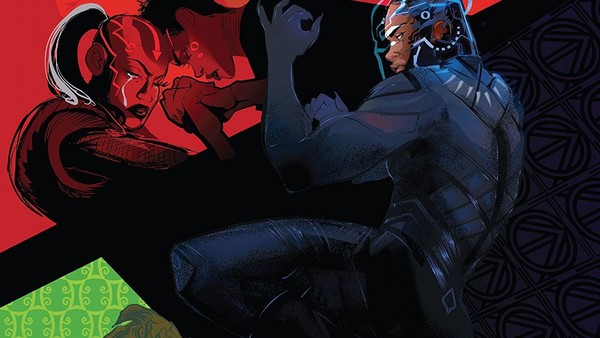
Well, that's currently how things are with comics. The only tangible way to support a series - and to let the powers that be know that there's demand - is to pre-order it through a specialist comic book store months before it's due to release. Under the current system, you could buy an entire series of comics lying on the stands, and if you hadn't pre-ordered them in advance, there's no way for publishers to tell that there's increased demand.
This is obviously a major problem. So many new readers are finding comics through different channels, whether that be digital sales, or even through trade collections after a given arc has wrapped up, but the direct market effectively ignores them! It's as if they're not even buying the series in the first place.
Consequently, we now have a situation where a comic could find an audience through trade, only for said audience to discover that what they're enjoying was cancelled months earlier. Couple that with other issues, such as the inconsistent promotion of certain titles, and it's far too apparent that the current system isn't fit for purpose.