8 People More Important Than George Lucas In Making Star Wars Great

He wasn't even the most important person called Lucas.
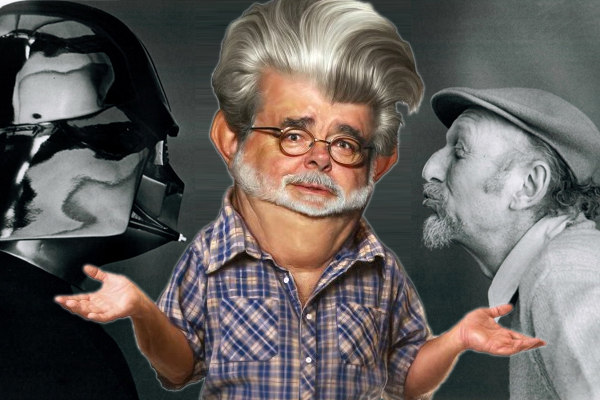
For all the midi-chlorians and increasingly-ridiculous tie-in merchandise, there's one thing that can never be taken away from George Lucas; he created Star Wars. Whatever you think about how his career progressed, he did still invent the world that inspired generations, developing the epic family story of the Skywalkers (well, the first six chapters at least) and bringing them gloriously to the big screen. The films are, as he stated alongside some rather poor words about Disney recently, like his kids. But, flying in the face of auteur theory, he wasn't the only key creative behind the saga. Movie-making is, and always has been, a highly collaborative artform, and Star Wars shows that to a crazy extent. In fact, when you break down the development of Star Wars and look at what made the movies the classic masterpieces they are now regarded as, George Lucas wasn't really the real key to their greatness. There's no denying that Lucas was essential in the genesis of Star Wars - he created the damn thing and without his passion the movies would never have been made - but making them cultural icons (rather than just solid 70's sci-fi) is really the work of a selection of other individuals. Here are the eight people who really made Star Wars great.

8. Lawrence Kasdan Made Sense Of Lucas' Random Ideas
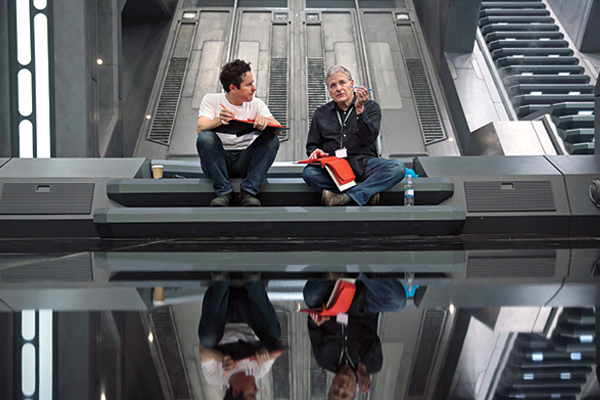
If the prequels proved one thing, it's that while George Lucas is a great ideas man (love or probably hate it, but the concept of the Emperor manipulating the Senate to attain power is great), he's not the best at transferring them into a complete screenplay - each one of Episodes I-III has some great things squashed under leaden dialogue and an inability to get the minutiae of the big ideas right. Heck, when you consider that so much of the original movie's greatness came from factors outside of its script (as we'll see to a great extent throughout this list), it's possible the entire saga could have existed without ever having a worthy shooting script. So it's a bloody good thing that Lawrence Kasdan came along when he did. The man behind the screenplays for The Empire Strikes Back, Return Of The Jedi and The Force Awakens (and Raiders Of The Lost Ark), he ensured that Star Wars expanded beyond a single great movie and defied the sequel curse (back in the seventies and eighties, the notion of a Part II being good was borderline fanciful); Kasdan took Lucas' genius-if-vague stories and turned them into complex morality tales with nuanced characters, a trick he later repeated for Episode VII, returning the series back to its classical status quo.

7. Timothy Zahn Made People Care About Star Wars Again In The Nineties
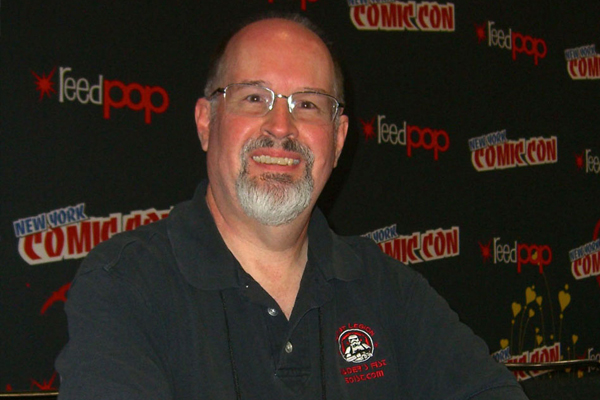
It's now nigh-on impossible to comprehend in a world where the next Star Wars film will never be more than a year away, but in the late eighties the franchise looked pretty much done. The movies had finished in 1983 and since then there'd only been a couple of Ewok movies and a pair of kid-baiting cartoons, leaving the whole thing look set to become a well-remembered, but hardly current, legacy property. Enter Timothy Zahn. There'd been Expanded Universe books written before the Hugo Award winning writer took on Star Wars, but he was the one who really used them to tell an advancing story. The Thrawn Trilogy put Luke, Han and Leia on a new adventure that developed them as characters (as well as introducing some great new ones) and did the seemingly impossible; it made people care about Star Wars again (many even held them as an unofficial sequel trilogy). It's so often stated that it was seeing the CGI in Jurassic Park that convinced Lucas to make the prequels - technology had finally caught up with his vision - but I'd suggest it's (at least partially) something else; the success of the Thrawn novels showed just how popular Star Wars remained in the cultural psyche and revealed that there was a hunger for more, laying the groundwork for the major resurgence in the nineties with the Special Editions and, eventually, the prequels. Had Zahn not come along with his sublime books, then there's every possibility Star Wars would have never gone beyond the original trilogy.

6. Ben Burtt Created Every Single Iconic Sound
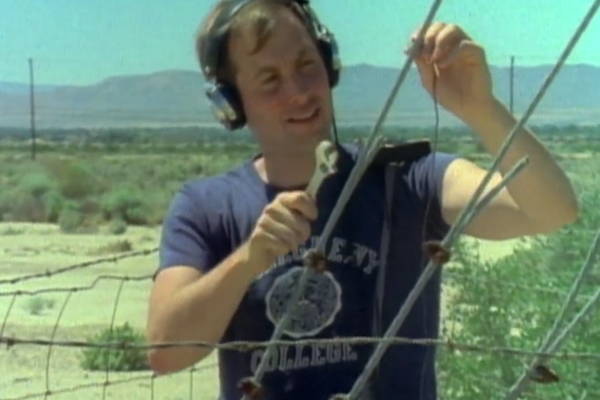
Pop quiz, hotshot. What's the first thing kids do in the playground when imitating Star Wars? It's not debate whether Han shot first or gush over the classical cinematography - it's recreate the sound effects. The swoosh (or vwwing) of a lightsaber, the pew of a blaster and roar of a TIE Figher; that's where the real iconography was born (especially in a world where Star Wars merchandise was just emerging and imagination was the best toy available). And that is all thanks to Ben Burtt. Master sound designer, he created all of the famous sound effects across the saga, using all manner of everyday items to create the uttery and completely fantastical. Lightsaber? Why that's the sound of film projectors played with some television distortion. Blasters? That's hitting the guy-wire of a sound tower with a spanner. TIE Fighters? Elephant screams and screeching cars. Bonkers, but utter genius - these bizarre origins gave an authenticity to Star Wars that set it above other contemporary sci-fi flicks. Not all of Burtt's impact on popular culture was positive though - in the original Star Wars he also resurrected the old Wilhelm scream stock sound effect, something that has been absolutely done to death in the decades since, an illusion-ruining in-joke that stopped being obscure or funny long ago.

5. Irvin Kershner Directed The Empire Strikes Back ('Nuff Said)
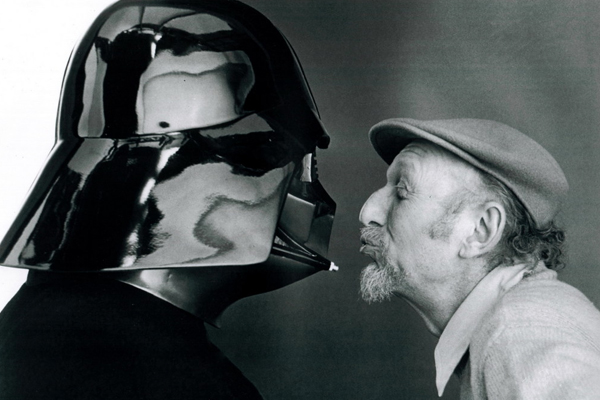
Almost as self-admittance from George Lucas that he wasn't the sole power behind Star Wars, he hung up the directing reigns for the sequel. In his place Irvin Kershner called the shots on The Empire Strikes Back and, as someone who Lucas seriously looked up to, had an awful lot of creative freedom. Creative freedom he used to expand the fabric of the franchise. The big thing Kershner added to the film was subtly. Star Wars was no longer just a story of good versus evil, but a complex morality tale which required strong character focus, something the experienced indie director brought better than Lucas ever could; various moments from the script, particularly those relating to Han and Leia's romance, were restructured on set, keeping Han Solo as a rogue while he falls for the strong-headed princess, rather than letting things veer into sentimentality. The Empire Strikes Back is regularly cited as the best film in the whole saga (although I'd plump for Star Wars), and while that continued success is in part down to Kasdan's script, it's just as much Kershner's handling. Richard Marquand, who directed Return Of The Jedi, doesn't make this list, however, mainly because he much more readily cowered to Lucas' wants and demands, leading to a film many treat as a ghost-directed project (a debate for another time).

4. John Williams Composed The Movie-Dominating Scores
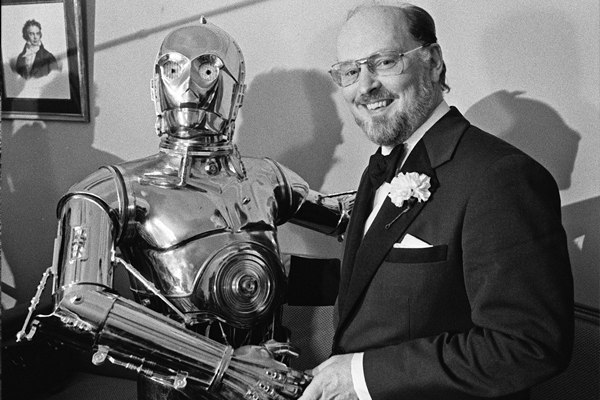
No movie in the history of cinema has been quite so elevated by its score than Star Wars. John Williams music is timeless, rarely diverging into soundtrack traits of the time period (and if it does, that's likely only due to Williams proliferation and influence) and instead invoking classical music such as Holst's The Planets; from the very first blast the saga felt grand and epic. The films really steer into Williams theme, letting him set the tone for the big moments and ensuring that those he's absent from (a key confrontation in The Force Awakens, for example) are all the more impactful for it. His work is so good that even determined prequel-bashers must relinquish that his scores for Episodes I-III are masterful - Duel Of The Fates, Across The Stars and Battle Of The Heroes match anything seen in the originals. Does he have as big an impact as George Lucas though? Composing the music may not seem like the most defining element, but given how intrinsic it's become, it's hard to argue otherwise. It may be a little jokey with its echoey footsteps and pithy roar, but hearing the ending of A New Hope sans-score shows just how much the pieces infer on the films' tone.

3. Gary Kurtz Kept The Focus On Story Over Toys
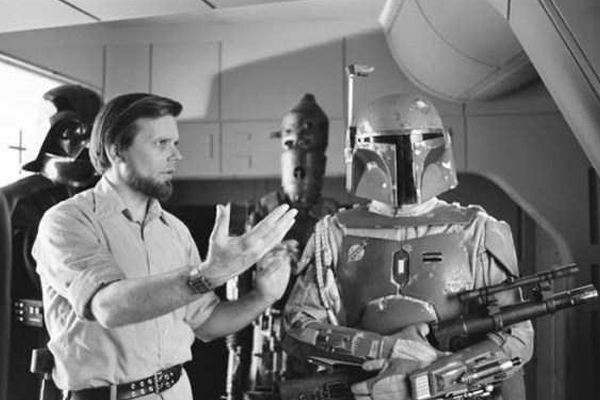
There are several moments that could be said to be the start of George Lucas turning to the Dark Side: first seeing the CGI in Jurassic Park; looking for inspiration for Anakin's turn and seeing his pre-teen son; thinking Star Wars needed politics and a goofy rabbit amphibian. But, when you break it down, the real start was when Gary Kurtz left the pre-production of Return Of The Jedi. Kurtz had been Lucas' producer since American Graffiti, working with him through the first two Star Wars movies and battling the many problems - from uncooperative crew to uncooperative weather - that came about during production. His biggest impact, however, was a deep understanding of what Star Wars was as a story, something that eventually led to a divide between him and Lucas; in development for Episode VI, George restructured the planned film to make it more spectacle driven and lean into merchandising, eventually forcing Kurtz to quit. And we all know what happened next; Star Wars diverged sharply from its early ethos after his departure, only highlighting what a sure hand he had as a producer - Return Of The Jedi, for all its successes, wasn't as keen on breaking new ground as the previous two films, while producer Rick McCallum's work on the prequels amounted to saying "Yes" a lot. A proper unseen presence, it's just sad that the impact of Kurtz's hard work could only be fully felt by his absence.

2. Ralph McQuarrie's Artwork Got The First Movie Green-Lit
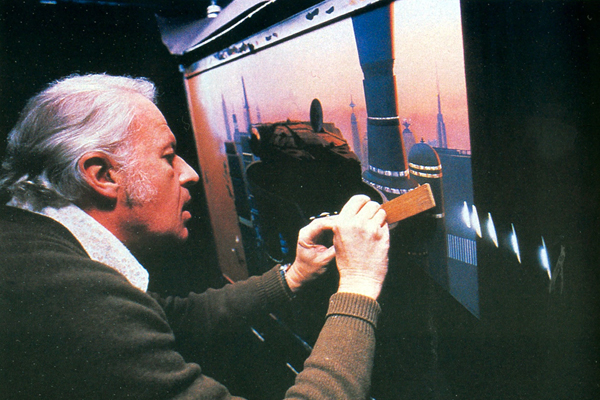
Without Ralph McQuarrie, Star Wars would look very different. Working with George Lucas from early on in the first film's production and translating his incomprehensible into beautiful art pieces, McQuarrie's designs informed every visual aspect of the original trilogy. X-Wings, Taun-Tauns, Jabba? Conceived by Lucas, but given a physical look by McQuarrie. Who knows what this forward-thinking saga would have been without him. Well, it wouldn't have had the big twist in the sequel, that's for sure. Darth Vader was originally meant to be a more standard villain, conceived wearing conventional battle armour without a mask; the breathing apparatus only added to the concept art of the opening sequence when McQuarrie pointed out he was jumping from one ship to another. George Lucas loved the look so much he made it a part of the character, allowing for the later twist Vader was Luke's father to actually make sense. But, beyond just giving Lucas' ideas life, McQuarrie's artworks were actually integral to the movies existing in the first place; his paintings were what sold the idea of the movie to 20th Century Fox. Without McQuarrie, it's quite likely there'd be no Star Wars. The artist also has a more tangible fingerprint on the series too, providing several background matte paintings for the original trilogy (some of which have sadly been altered for the Special Editions).

1. Marcia Lucas Is The Secret Genius Behind It All
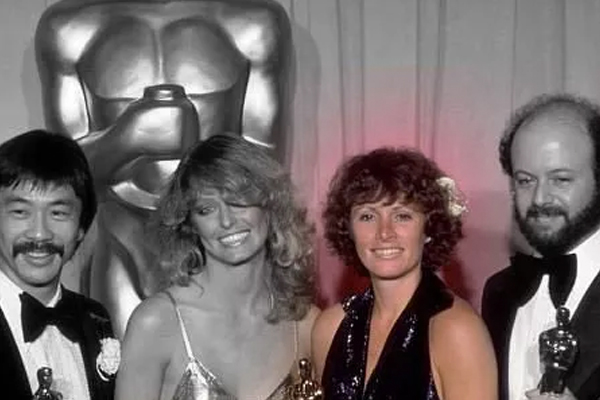
Not only was George Lucas not the most important person in making Star Wars great, he wasn't even the most important Lucas. Put simply, the first edit of Star Wars was a mess. And that's not retroactive hyperbole on my part - George Lucas described it as a "complete disaster", with John Jympson having stubbornly constructed an incredibly standard film with glacial pacing that lacked any of the wonderment that would lead to the series' success (for reference, that unnecessary Anchorhead deleted scene was included in its entirety). In stepped Paul Hirsch, Richard Chew and Marcia Lucas. Together these three transformed the film, tightening the whole thing up and reigning the at points Tolkien-esque story structure into a more suitable three-act narrative. Things were so bad that pretty much every frame of usable footage was included (to the point where the Tusken Raider's iconic battle cry was one clip reversed and looped), but it clearly worked; the trio won the Oscar for Best Editing. It's testament to how crucial to the filmmaking process editing is, but also shows how uncertain Star Wars' greatness was. Marcia's influence didn't stop there, however. Being married to the director, she had also been on hand throughout the development process to bounce ideas off her husband and suggest key story beats, adding a more emotional side to the film; she's the one suggested Obi-Wan die on the Death Star and edged in more of the romance elements. Not that she gets any credit for all that. Following the Lucas' divorce in 1983, Marcia's part in defining the saga was conspicuously downplayed, to the point where she barely qualifies as a footnote in more recent stories told by George. You're left to wonder if all the Special Edition tinkering was really just a cover to get the film to a point where he could wipe Marcia's name off the credits. Who else defined Star Wars more than George Lucas? Shout out anybody we missed down in the comments.

Contributor
Contributor

Film Editor (2014-2016). Loves The Usual Suspects. Hates Transformers 2. Everything else lies somewhere in the middle. Once met the Chuckle Brothers.