Is THIS The Most Underrated WW2 Movie Ever?
The man behind The Dirty Dozen also directed this under-seen WW2 masterpiece...
In 1967, Robert Aldrich delivered one of the most iconic pieces of WW2 genre cinema in history - The Dirty Dozen, a bleak, violent war picture led by Lee Marvin that saw him play an outcast American officer having to lead a band of condemned men on a suicide mission behind Nazi lines. It was a typically subversive effort for Aldrich, a filmmaker whose combative genre work always seemed to have its finger on the pulse of the zeitgeist to at-times precognitive degrees. This resulted in contemporary acclaim, as well as a revered legacy (Aldrich was also a successful president of the Directors Guild of America), and yet his efforts still feel somewhat underappreciated, particularly once they're contextualised within the post-war regression of fifties Hollywood, which Aldrich navigated with a kind of firebrand subtlety that few of his peers could equal.
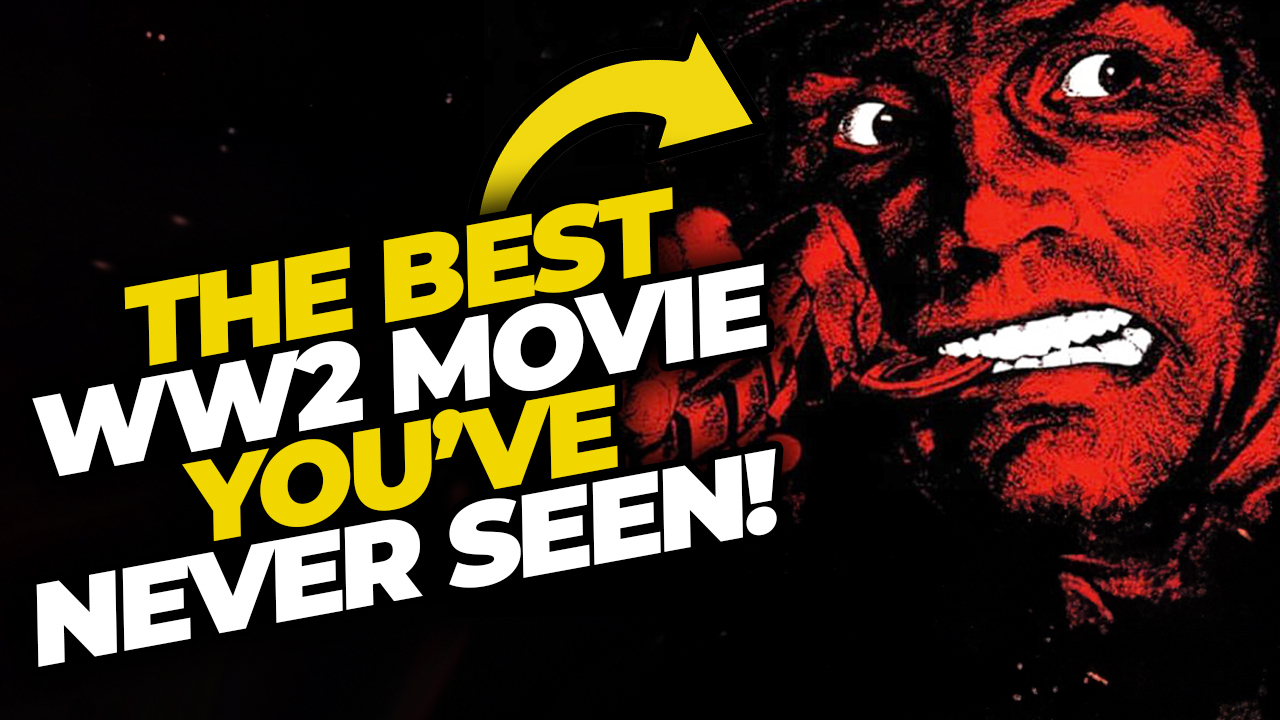
It was during this period - when Hollywood was in the midst of Red Scare hysteria, HUAC, and the steady erosion of New Deal politics - that Aldrich fashioned arguably his most remarkable film, a piece of genre subversion so gripping, so of and yet also ahead of its time, that it should be remembered as one of the greatest war films ever made. This film comprises a star-studded cast, gorgeous, noir-infused cinematography from Joseph Biroc, and a razor-sharp script adapted from the stage by James Poe. And it's one you've probably never heard of - Attack.
Released in cinemas in 1956, Attack was adapted from the play Fragile Fox written by Norman Brooks and starred Jack Palance, Eddie Albert, Lee Marvin, and William Smithers in the lead roles. Set among the cold, unrelenting winter of the Ardennes Offensive, the film follows a company of US soldiers as they navigate corruption and cowardice on the frontlines, where the main obstacle isn't just the advancing SS Panzer Divisions - it's also their superiors. What follows is superbly psychological, gritty, and combustive - a war picture that deviates from the vast majority of its flag-waving contemporaries and in doing so emerges as a uniquely inimitable entity from the era.
As Tony Williams summarised in his book, Body and Soul: The Cinematic Vision of Robert Aldrich, "Attack! reflect[s] in different ways not only Aldrich’s subversion of the traditional Hollywood war movie but also features occurring within his other generic appropriations… it is both a war film and film noire. Style and genre significantly merge.” There were other self-interrogative war films from the immediate post-war period that worked as a suffusion of genres and styles, certainly - John Ford's They Were Expendable stands out as a noteworthy example - but Attack feels singular in both its sub-text and content, directing anger inward until there's nowhere left for it to go.
It is less a mournful ballad for the tolls conflict incurs, and more a breathless, sometimes exhausted repudiation of an emerging post-war consensus - one that obliterated the nuances of the wartime experience and which threatened to undermine the bitterly fought victories made both before and during the war.
[Article continues on next page...]