10 Biggest Mistakes Of The Doctor Who Disney Era
9. Abandoning Sci-Fi Roots

Doctor Who is almost entirely unique in its flexibility when it comes to genre – frankly, I doubt we’d still be getting new ideas almost 900 episodes in without its ability to regenerate week-on-week. It’s a show that, while asking to suspend your disbelief on occasion, has always stuck to some ground rules.
At its heart, it’s sci-fi, and this means that the more fantastical episodes have always at least attempted to justify themselves with science-y wience-y technobabble, to mixed results. There’s a reason that the ‘it was aliens all along’ trope has become such a recognisable cliche of the show. Vampires? Aliens. Werewolf? Alien. It’s a tried-and-tested trick. Ghosts, Mummies, Witches, Zombies, Demons, Sirens, even bloody bees are aliens! It might get tiring, but without these rules, the show loses its identity along with any sense of grounding or internal consistency (and that can sometimes be in short supply as it is).
But the Disney era drifted into full-blown fantasy territory without the usual veneer of pseudo-science to hold things together. The big-time villains of Gatwa’s era were The Pantheon of Discord – cosmic gods that can bend reality to their will. There’s no science here, not even a flimsy justification. This time around, it really is just magic, and it’s extremely prevalent across the era – a whopping 10 out of 19 Gatwa episodes feature a threat that is magical in nature. It’s hard to call it sci-fi at this point.
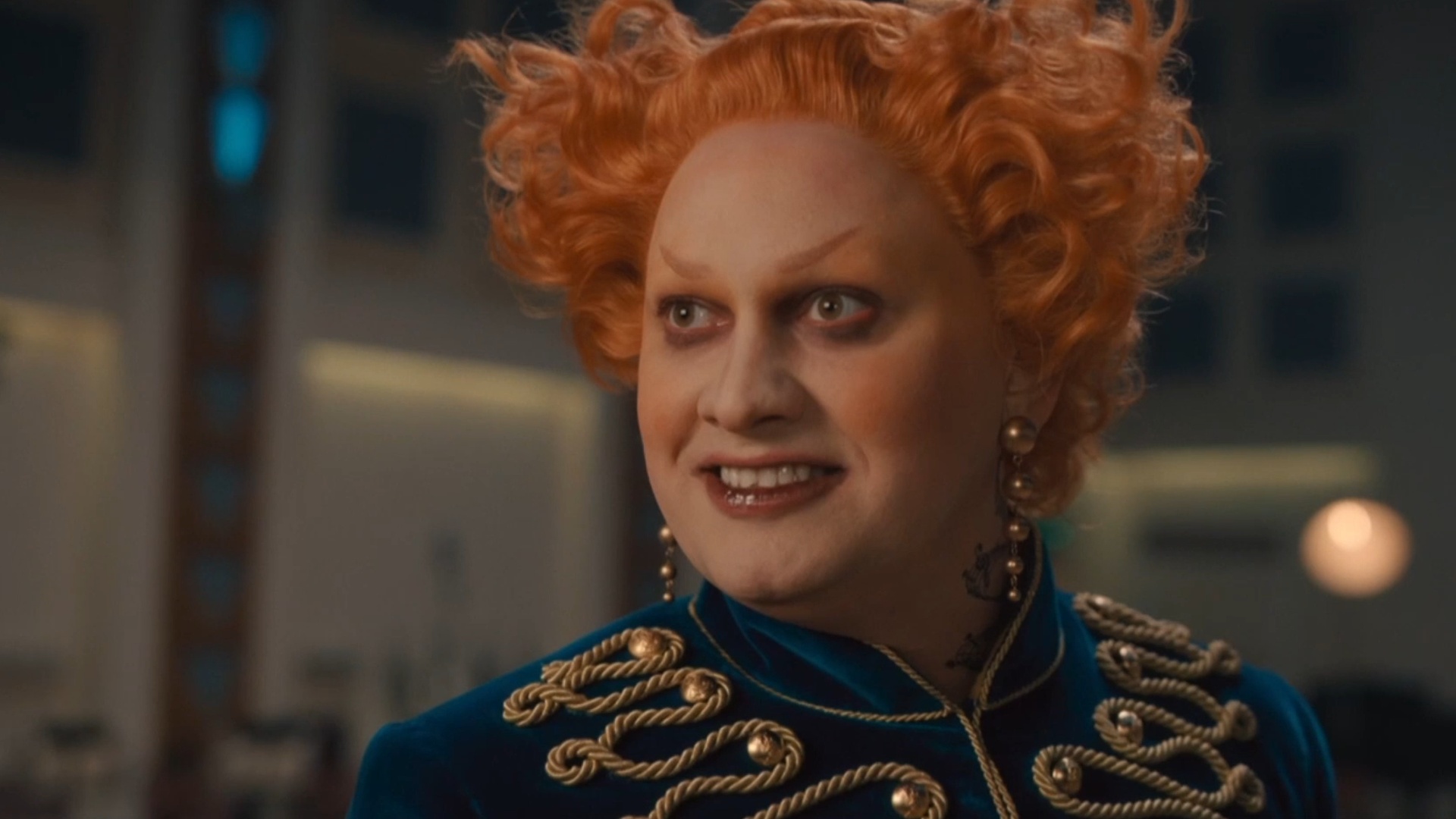
Playing with the rules was fun as a one-off in The Giggle with the return of The Toymaker, but with the context of the era to come, that outing has lost some of its charm. For some this may be a non-issue, but for others, suspension of disbelief finally snapped during The Devil’s Chord with its fourth wall breaking, floating musical notes, and that horrible, horrible musical number.
Lux shredded any benefit of the doubt that remained by having the Doctor literally climb out of the telly and interact with his fans. After 20 years scoffing at folks who claimed the show had ‘jumped the shark’, that claim became more true than it ever had been before.
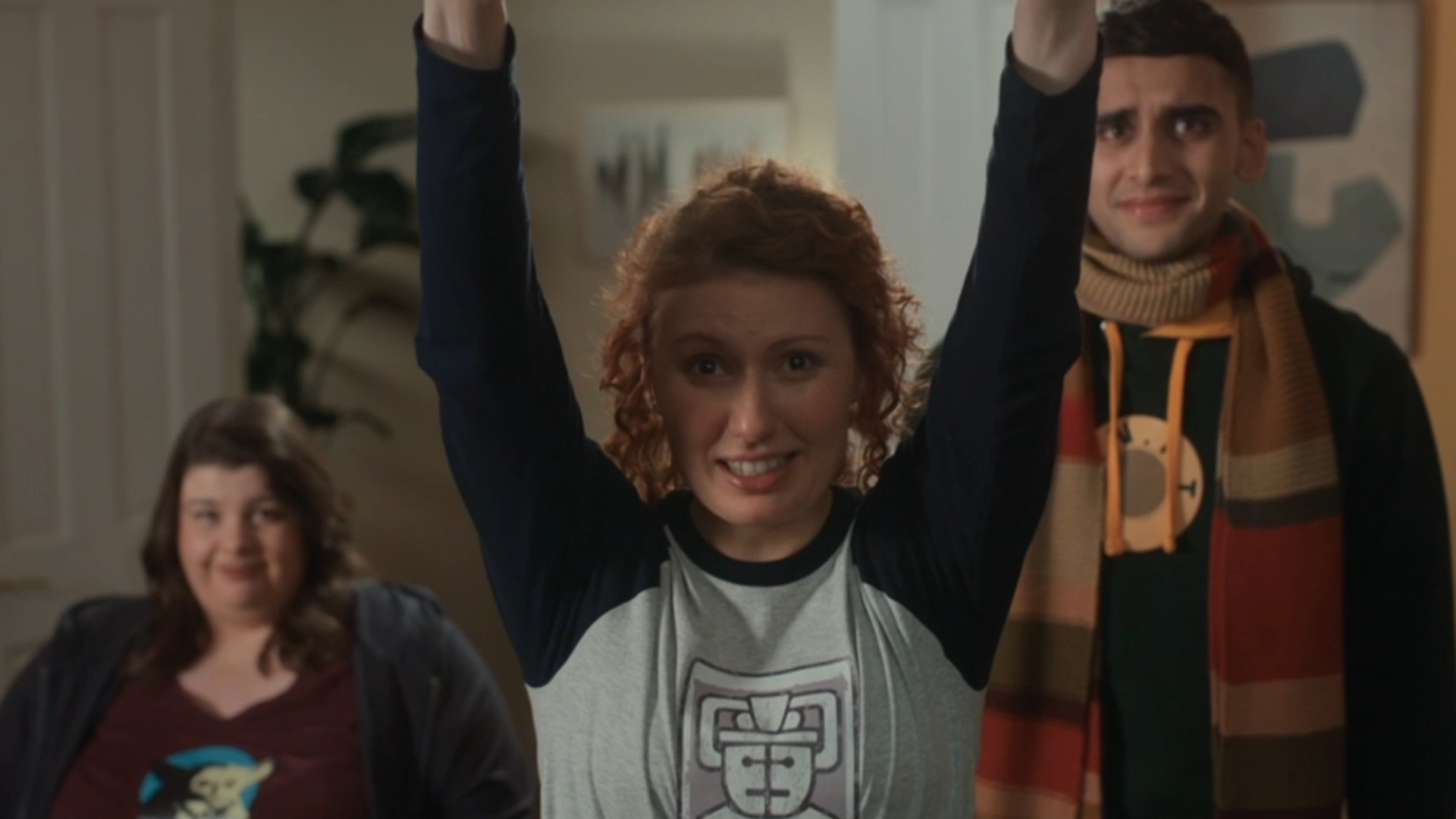
If the Doctor can run into a reality-bending god every few weeks, why should we believe in any permanent consequences? The bad things can be wished away with a magic baby, or miraculously fixed as ‘part of the Toymaker’s game’. Even nonsense needs internal consistency. Without it, the universe starts to feel weightless.