10 Even MORE Doctor Who Episodes You Didn't Know Were Connected
Even more Doctor Who stories connected by lots of wibbly-wobbly, timey-wimey stuff.

When you travel around time and space as much as the Doctor does, it's inevitable that you start to make connections between your various trips. These connections range from the big – like major sequels to classic adventures, or return appearances of the Daleks, Cybermen, Sutekh, or whoever else – to much smaller, deep-cut links.
Many Doctor Who stories are connected by similar props, like the Drahvin gun from Galaxy 4 that shows up in Genesis of the Daleks. Other times, older stories can gain a new dimension, such as when Captain Avery's appearance opposite the Eleventh Doctor retrospectively turned The Smugglers into a sequel to The Curse of the Black Spot.
We've covered this sort of thing once or twice before, but there are now over 60 years of Doctor Who and it feels like the web of time's strands are becoming further and further interlinked. Hell, who could've imagined that Doctor Who's Beatles episode would contain such a direct reference to An Unearthly Child?!
But that sort of connection is far too obvious. Instead, let's take a much deeper dive into the ties that bind the Doctor's adventures.
10. Frontier In Space & Bad Wolf

In Frontier in Space, the Third Doctor is accused of espionage and gets sentenced to hard time in a penal colony on the Moon. This is in the 26th century, where the Lunar Penal Colony is reserved for political dissidents and spies.
Of course, the Doctor immediately tries to escape, with assistance from Outer Space Jeremy Corbyn impersonator, Professor Dale.
The Doctor's escape plan fails when he's double-crossed by an appropriately-named fellow inmate, Cross. However, despite this scandal, Earth appears to continue imprisoning people on the Moon for millennia, long after Frontier in Space.
That's because, in the Ninth Doctor episode Bad Wolf, it's revealed that the Lunar Penal Colony is still in operation in the year 200,100.
When the Ninth Doctor, Lynda with a Y, and Captain Jack Harkness try to bust Rose out of the Game Station, they're swiftly detained by guards. The charge for blowing up Trinny, Susannah, and Anne Robinson? Imprisonment in the Lunar Penal Colony, which is mentioned by one of the guards while the Doctor is in a holding cell.
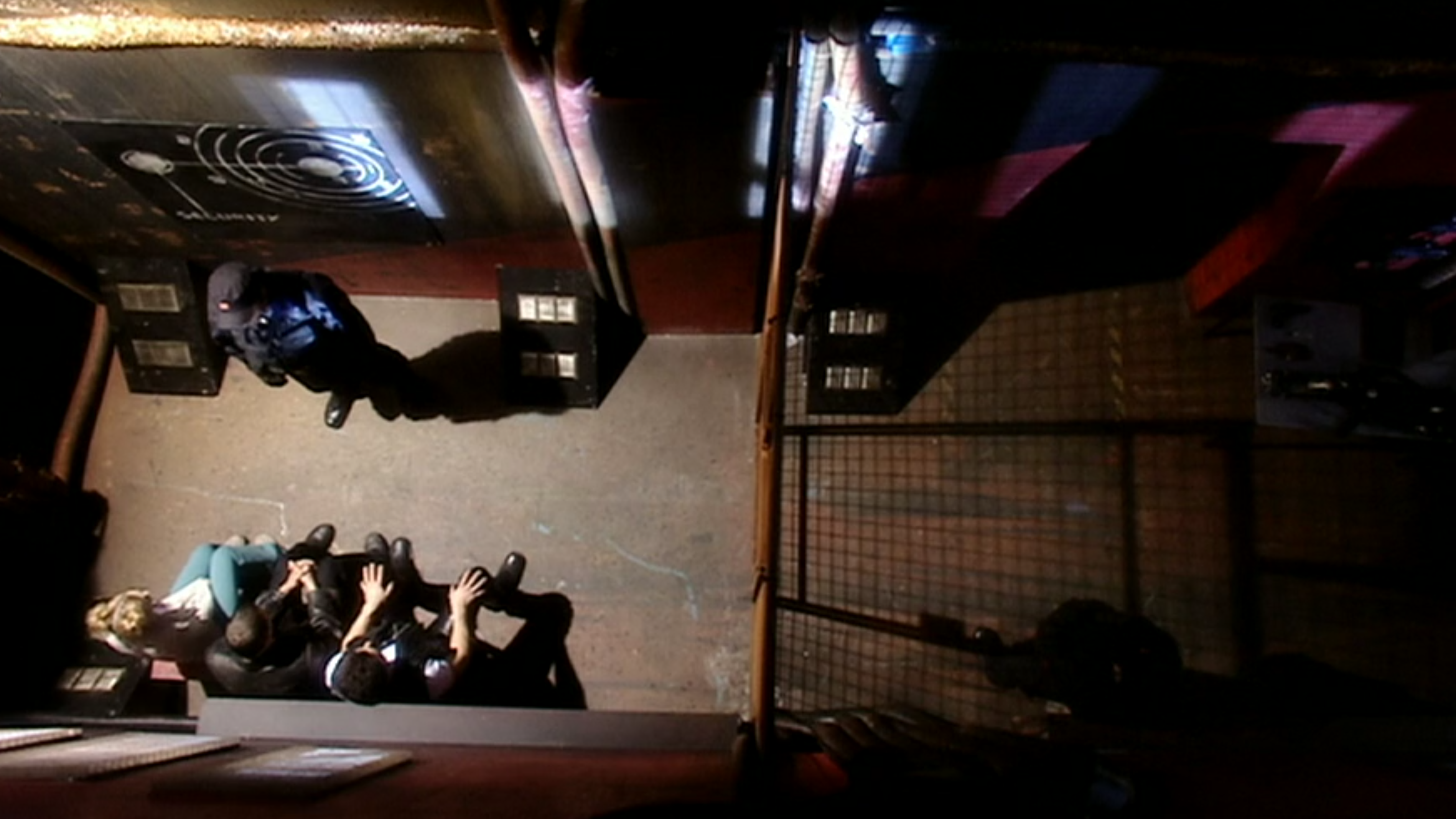
Learning from experience, this time the Doctor makes a bid for freedom before he gets sent to the Moon, preventing Doctor Who from being turned into a drawn-out prison drama. Nice one.
9. Tooth And Claw & The Bells Of Saint John

In The Bells of Saint John, the Eleventh Doctor rides an anti-grav motorbike up the Shard to save Clara Oswald from the nefarious plans of Kizlet and the Great Intelligence.
The Doctor is an old hand at this, because as he tells Kizlet via the Man with Chips, he actually rode this same motorbike in the 2074 Anti-Grav Olympics.
The Doctor also mentions that he came dead last – but which incarnation of the Doctor was it?
Well, in Tooth and Claw, the Tenth Doctor offers to take Rose to the first-ever anti-gravity Olympics. The Doctor and Rose never make it however, because they end up coming face-to-face with Queen Victoria and a werewolf – despite aiming for an Ian Dury and the Blockheads concert in 1979 Sheffield.
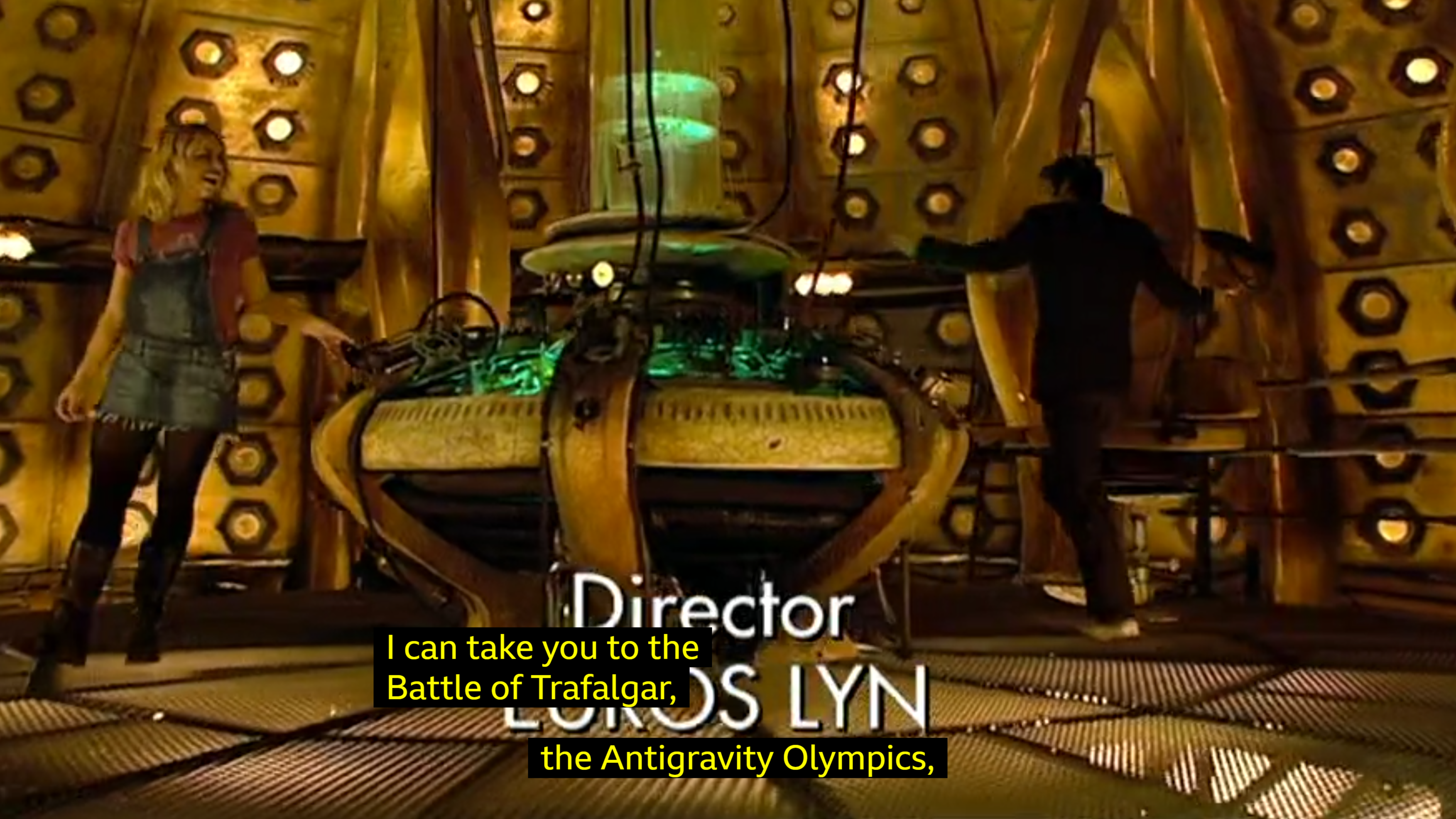
So after being exiled by Queen Victoria, did the Doctor and Rose head to Sheffield and follow it up with a trip to the anti-grav Olympics, where the Doctor came dead-last in a bike race? It's certainly possible!
Let's not forget that the Tenth Doctor jumped in to deliver the torch to its final destination during the 2012 Olympics. So of course he'd volunteer to actually compete himself.
He may not have won, but he did get a sweet ride out of it.
8. Daleks' Invasion Earth 2150 AD & Doomsday

The Peter Cushing Dalek movies take place in an alternate reality to the prime Doctor Who universe. However, they've had a big influence on the modern era of the show, particularly in the design of the Daleks.
Since 2005, Daleks have had the larger dome lights of the Cushing movie versions, and the short-lived colourful Daleks from 2010 owe a major design debt to their chunkier technicolour ancestors.
The biggest influence though was a bit of Dalek lore that had first been mentioned onscreen in 1966's Daleks' Invasion Earth 2150 AD.
This second Peter Cushing movie established that Daleks measure time in rels. The word "rel" had been introduced by Dalek creator Terry Nation in his 1960s tie-in books, but Daleks' Invasion Earth 2150 AD was the only onscreen source to use it... until 2006.
40 years after Daleks' Invasion Earth 2150 AD hit cinemas, Russell T Davies canonised the use of rels in the prime Doctor Who universe, in the episode Doomsday. When the Cult of Skaro is looking at some footage and notices the Tenth Doctor in the background, it is instructed that this footage be rewound by nine rels.
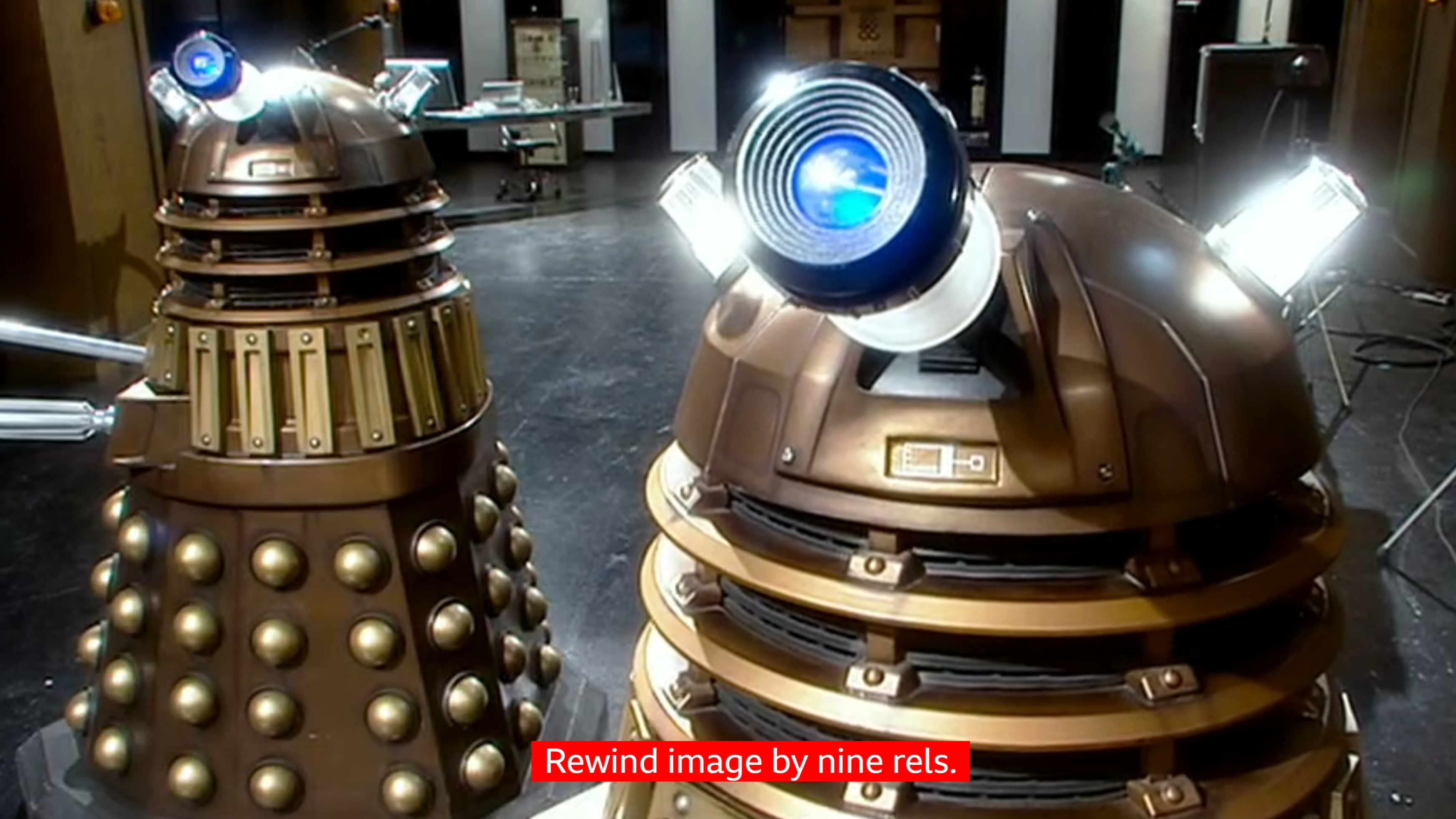
From that moment on, the new series Daleks have measured time in rels, even though nobody is entirely sure how long a rel is. Though based on the rel counter pictured in Daleks' Invasion Earth 2150 AD, it appears that 50 rels is equivalent to 60 seconds.
7. Time And The Rani & A Christmas Carol

Sylvester McCoy's debut serial Time and the Rani is as camp as Christmas, but that's not the only thing that connects it to Matt Smith's first festive special.
While trying to convince a young boy that Santa Claus (also known as Jeff, apparently) is real, the Eleventh Doctor shows him a photograph of himself posing alongside the big jolly fella, with legendary physicist Albert Einstein also pictured.
This photo was taken at Frank Sinatra's hunting lodge in 1952, but what does all this have to do with Time and the Rani?
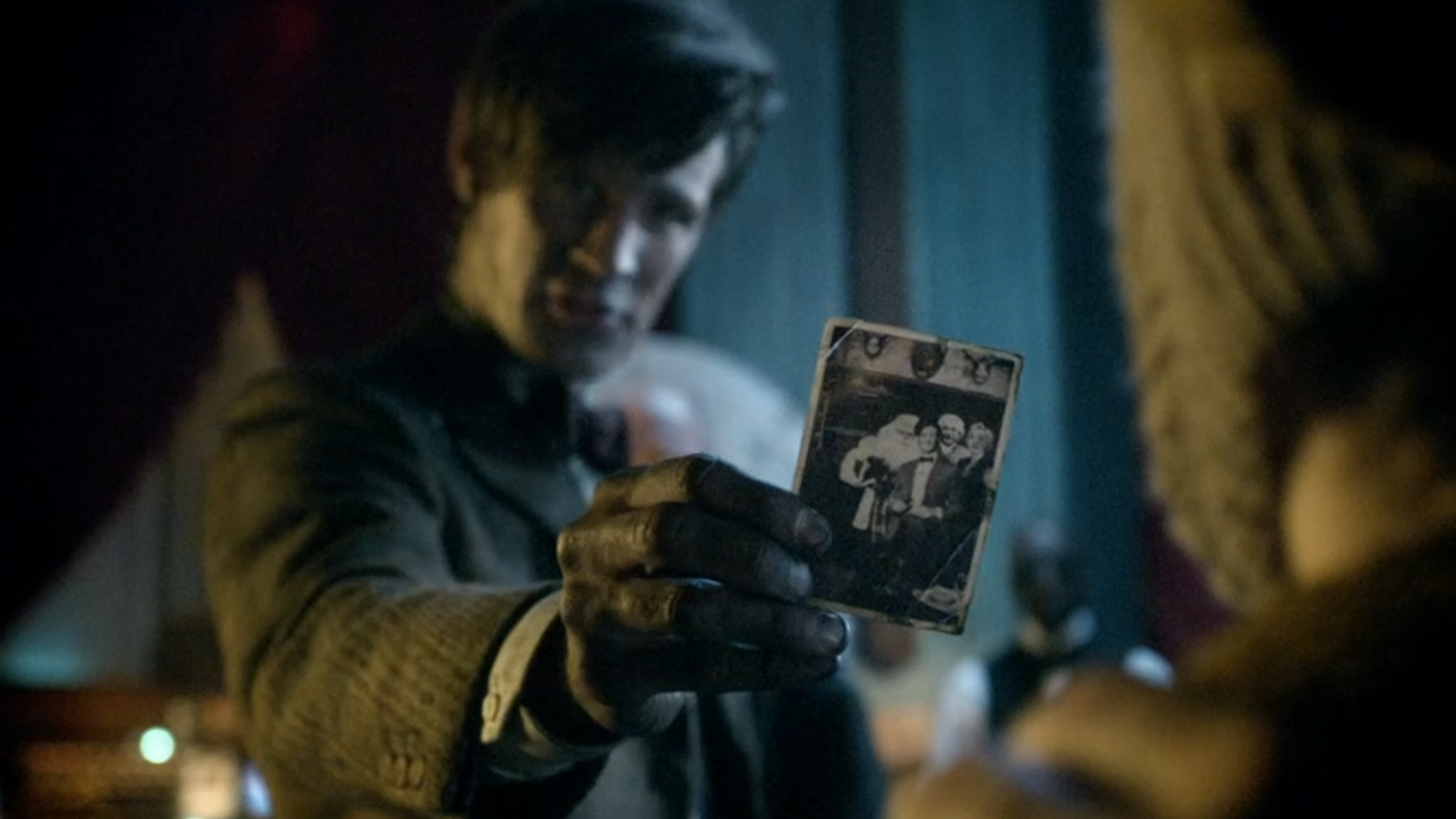
Well, it's clear that the Eleventh Doctor is on good terms with Einstein. Who else would have vouched for him with Frank Sinatra? And the reason the two are good friends is surely because the Seventh Doctor previously rescued Einstein from the clutches of the Rani in Time and the Rani, where the villainous Time Lord had captured him to help in the creation of her giant "time brain".
That sort of thing bonds people for life, especially as the Doctor has a time machine that is obviously of particular interest to Einstein. At the end of Time and the Rani, the Doctor even promises to show Einstein how the TARDIS works!
Clearly they kept in touch, and went on to have wild Christmassy parties at Frank Sinatra's hunting lodge throughout the 1950s.
6. The Day Of The Doctor & The Witchfinders

In The Witchfinders, the Thirteenth Doctor attempts to take the fam to see the coronation of her ex-wife, Queen Elizabeth I. Unsurprisingly, given the Doctor's history with Elizabeth, the TARDIS gives the coronation a swerve, and instead lands them in Bilehurst Cragg in the early 17th century.
This passing reference to Queen Elizabeth I isn't the only link between The Witchfinders and The Day of the Doctor. The Witchfinders also features King James, who takes a particular shine to Ryan and reveals his complicated family history to him.
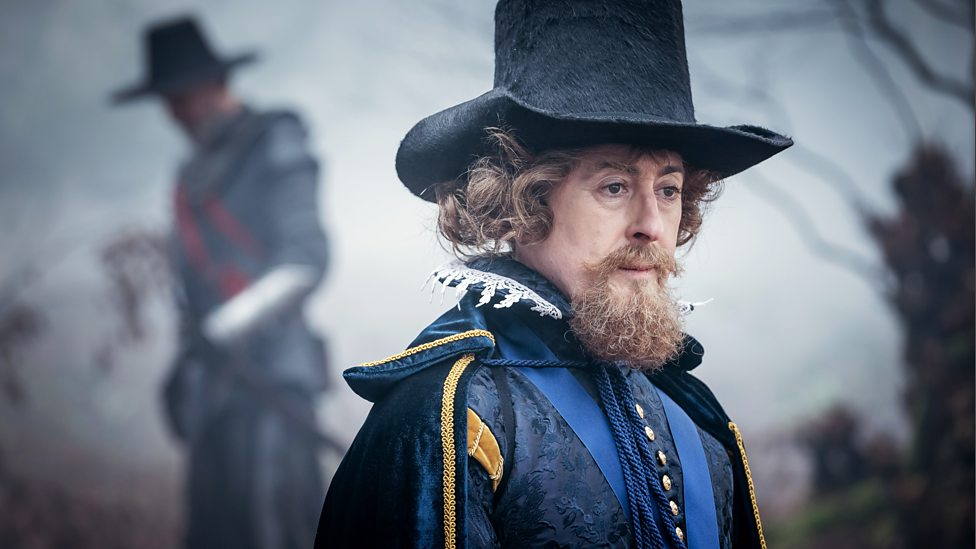
James was the son of Mary, Queen of Scots, who was seen by many as the rightful heir to Elizabeth I's throne. In 1562 – the same year that much of The Day of the Doctor is set – a potential meeting between Mary and Elizabeth to mediate this power struggle was abandoned due to a civil war in France.
From there, the story of Mary and Elizabeth's rivalry becomes long and convoluted and very bloody. But King James neatly sums it up for Ryan, when he explains:
"My father was murdered by my mother, who was then imprisoned and beheaded."
And who ordered that James' mother be beheaded? Elizabeth I, the Queen of England and the Doctor's ex-wife! This is one bit of family drama the Doctor should probably stay out of.
5. The Girl In The Fireplace & The Legend Of Ruby Sunday

Remember how Russell T Davies told the Radio Times that The Legend of Ruby Sunday would reveal that UNIT was harbouring "a long-buried secret" from the era of the Third Doctor?
Yeah, not quite.
Season 1's penultimate episode revealed that UNIT has had possession of primitive time travel technology since the 1970s. It's this technology that allows the Doctor and Ruby to revisit Christmas Eve 2004, to solve the non-mystery of Ruby's mother. The Doctor specifically refers to UNIT's tech as a time window, which you might've forgotten that we actually first saw all the way back in The Girl in the Fireplace.
Obviously, UNIT's fuzzy VHS holodeck isn't a patch on the impressive technology used by the Clockwork Droids, but it clearly works on a similar principle. The time windows in The Girl in the Fireplace and The Legend of Ruby Sunday can only take you to one specific location in one specific time period.
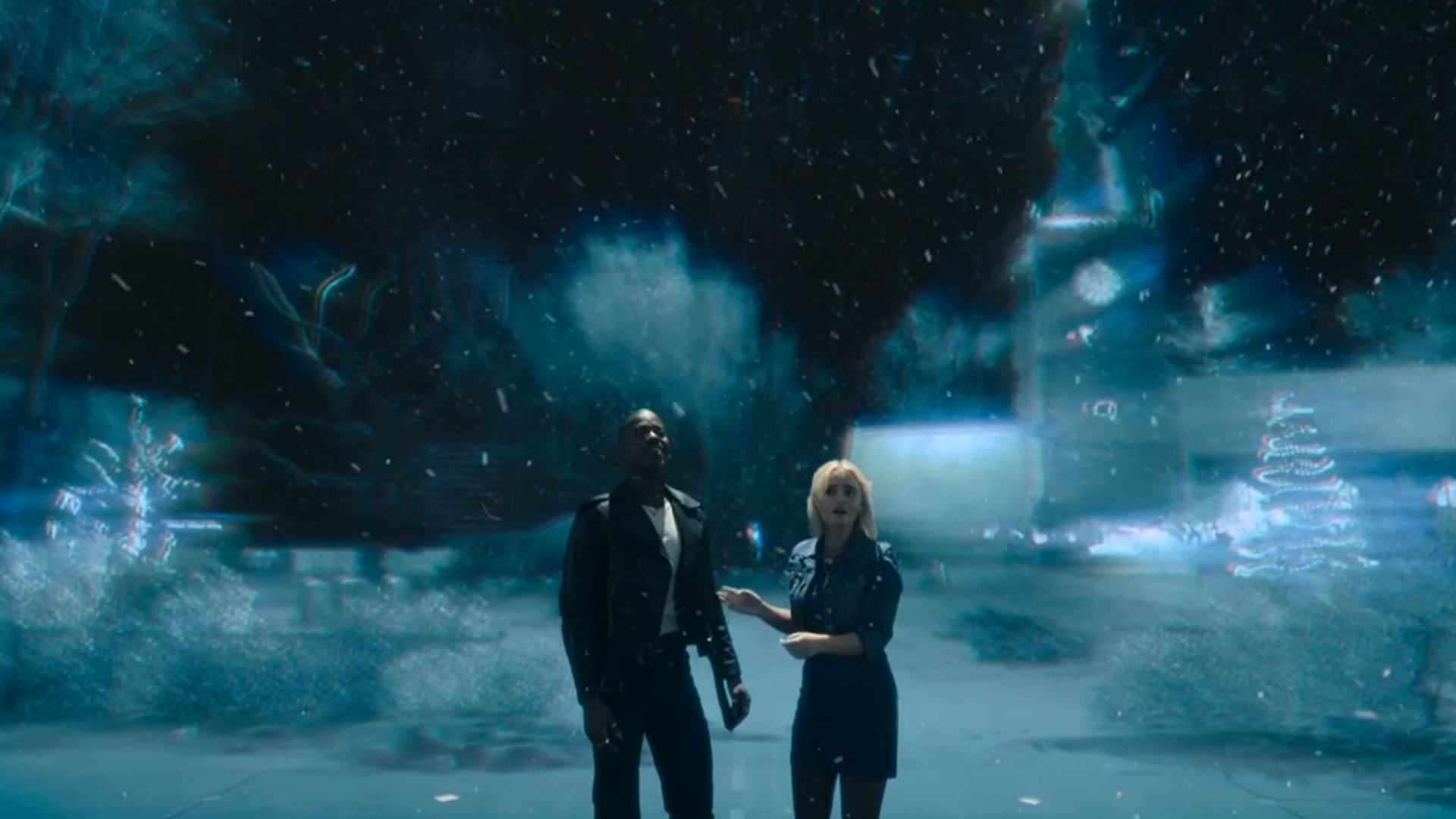
For the Tenth Doctor, the time windows allowed him to access various points in the life of Madame de Pompadour. For the Fifteenth Doctor, they allowed him and Ruby to watch a grainy old videotape scaled up to life-size.
Doesn't quite have the drama of riding a horse through a mirror, but it's an impressive bit of kit all the same.
4. The Angels Take Manhattan & The Crimson Horror

A made-up brand can be a good way to lend continuity to your fictional world. The Simpsons has Duff Beer, the movies of Quentin Tarantino have Red Apple Cigarettes, and Doctor Who has Magpie Electricals.
However, that's not the only brand that recurs across the Doctor Who universe.
Brightwell & Hyman is a manufacturing company that made the matches with which Rory attempts to combat the cherub Weeping Angels in The Angels Take Manhattan. Unfortunately for Rory, Brightwell & Hyman doesn't specialise in anti-Angel super-matches, and they're just as prone to being blown out as any other brand.
Although the 1938-set The Angels Take Manhattan is the first time we see Brightwell & Hyman matches onscreen, the company has existed in the Doctor Who universe since at least 1893.
In The Crimson Horror, a poster can be ever-so briefly glimpsed in the background, advertising "Brightwell & Hyman: Quality Matches".
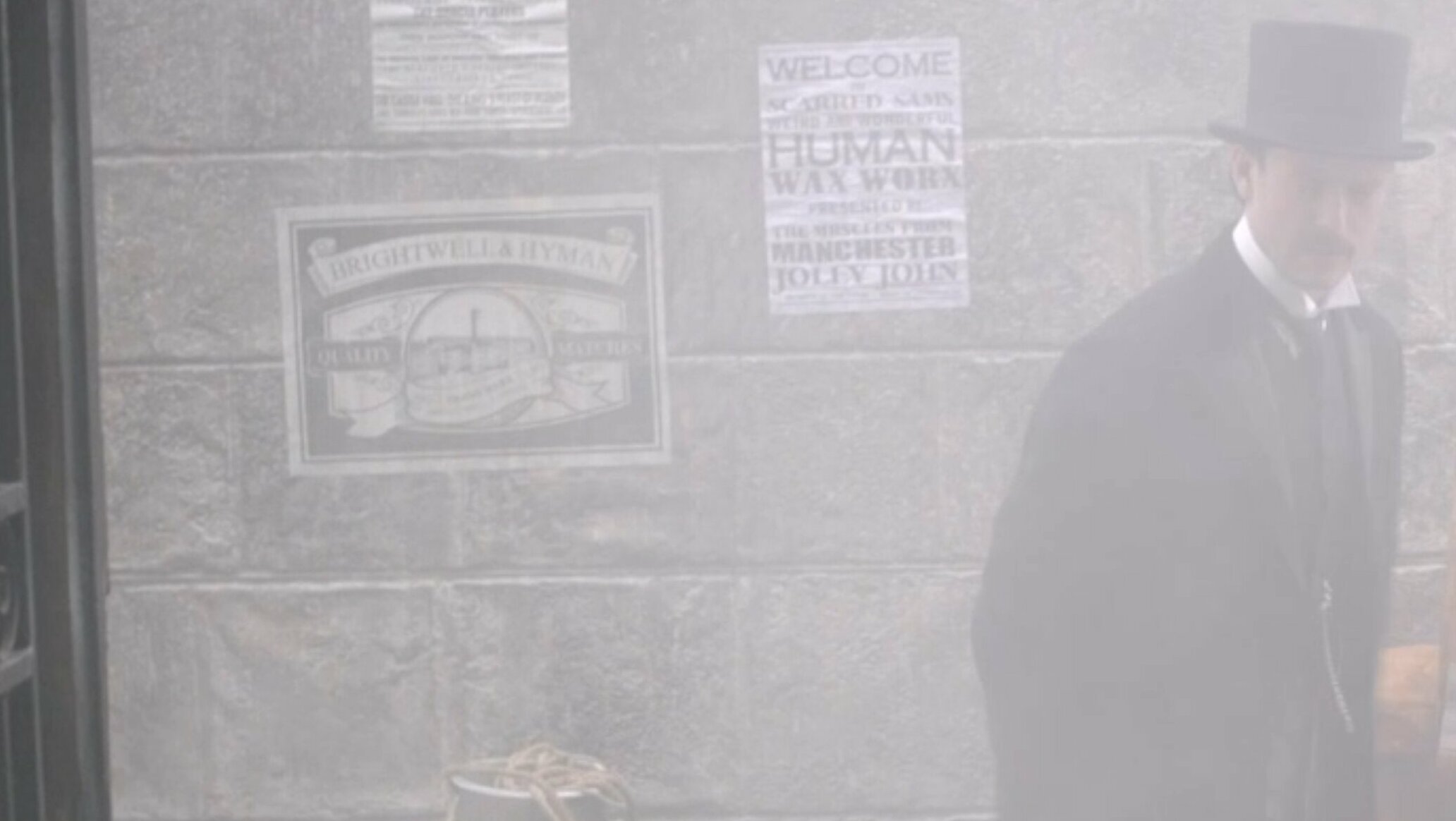
Could it be that Brightwell & Hyman owns the match factory around which Sweetville was built? It's never confirmed in the dialogue, but a similar-looking factory does appear on this blink-and-you'll-miss-it poster.
Despite this being so obscure that even the bloody TARDIS Wiki page doesn't include Brightwell & Hyman's cameo in The Crimson Horror, it's a fun link between two stories from either side of Matt Smith's final series.
3. Robot & Listen

Do you have recurring nightmares? The Doctor certainly does, if Robot and Listen are to be believed.
Listen centres on the Twelfth Doctor exploring the notion of fear itself. From a children's home to the end of the universe, the Doctor is determined to understand the monsters that might be lurking under the bed.
But it's not the monsters under the bed that appear to be playing on the Doctor's mind at the end of the episode – it's the Sontarans! After being knocked unconscious, the Doctor eventually bursts awake with the words:
"Sontarans! Perverting the course of human history!"
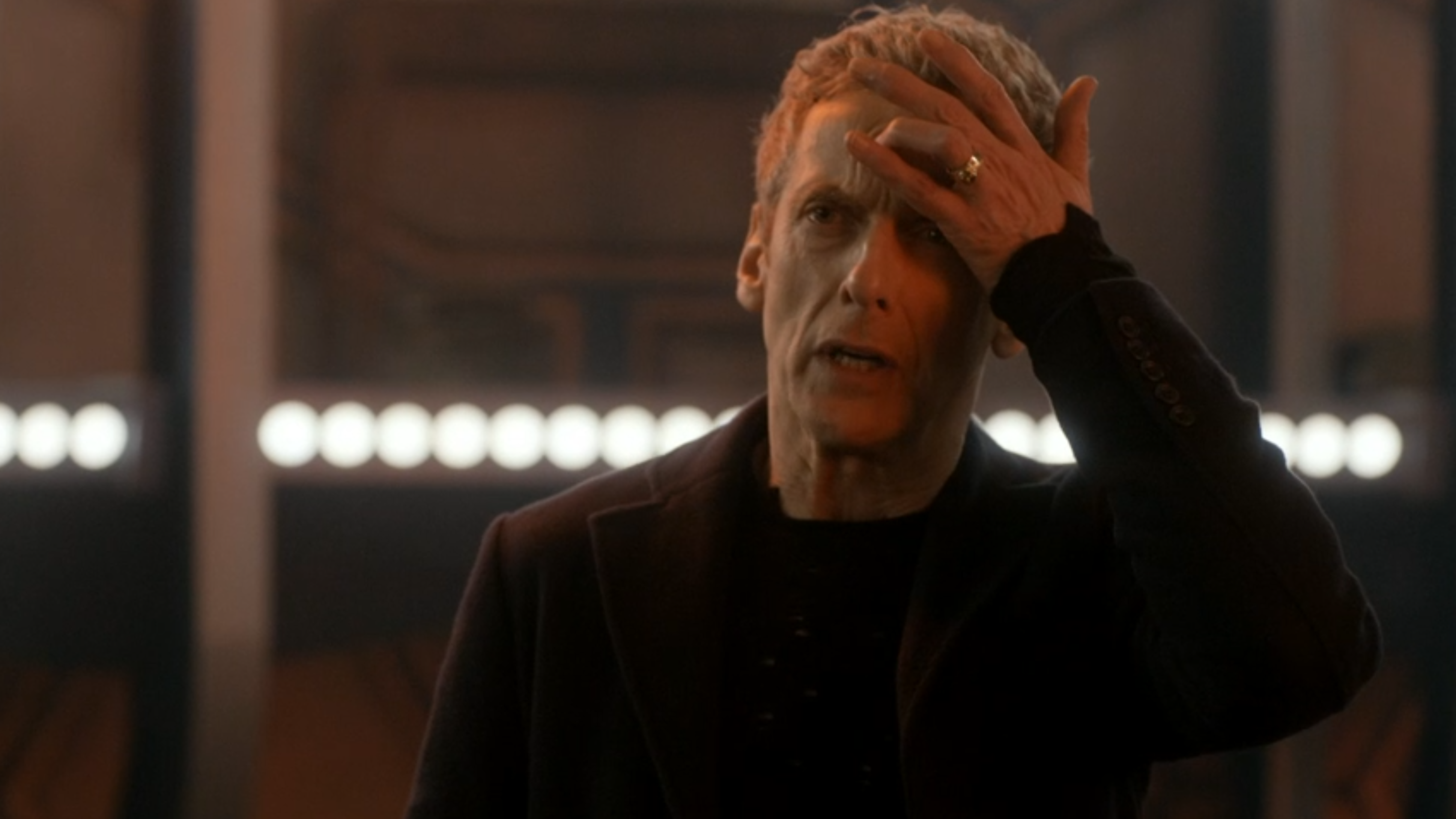
This is obviously a nod to the Third Doctor serial The Time Warrior, in which both the potato-heads and Sarah Jane Smith first appeared. But it's also a more direct reference to the Fourth Doctor's debut story, Robot.
That's because these were the first words spoken by the Fourth Doctor after his regeneration. It's easy to miss Tom Baker's muttered words, but Sarah Jane clarifies them for the Brigadier and the audience, explaining that he's mumbling about something that happened when they first met.
Given that Listen is about constant companions, be they our fears or our friends, it's appropriate that Steven Moffat chose to reference The Time Warrior. It's very touching that the Doctor and Sarah Jane's first meeting is still at the front of the Twelfth Doctor's mind so many centuries later.
2. The End Of The World & The Giggle

Cassandra's "iPod" sure does get around a bit!
This particular model of jukebox first appeared in modern Doctor Who's second-ever episode, The End of the World, where Cassandra's gift to the assembled guests on Platform One housed the works of some of humanity's greatest composers, like Soft Cell and Britney Spears.
Of course, Doctor Who has never met a prop it couldn't reuse, and it appears as though the production team has kept hold of Cassandra's jukebox for almost two decades now.
It was later glimpsed in the diner in Hell Bent, which was revealed to be Clara's TARDIS. And then, we can only assume that the Fifteenth Doctor took some style tips from Clara, because his TARDIS also features that very same jukebox.
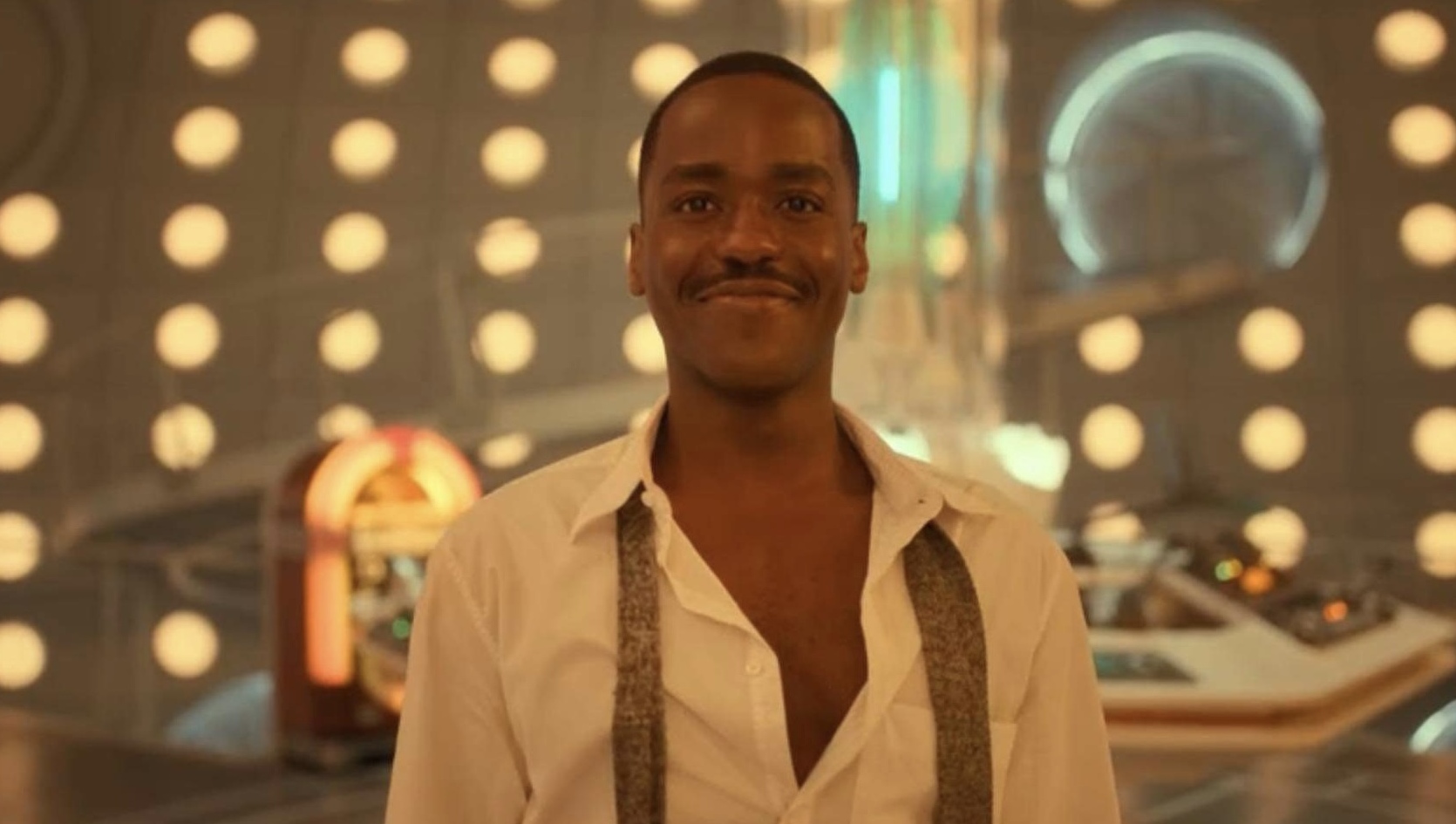
Alternatively, maybe the Ninth Doctor and Rose just hoofed it into the TARDIS? We never saw what they did between viewing the wreckage of planet Earth and arriving back in the present day to go out for chips. Has the jukebox been kept in TARDIS storage for all these years, shaken loose by the Fifteenth Doctor's mallet?
There's loads of random clutter within the TARDIS, so you never know.
1. Mindwarp & Dalek

Some easter eggs are so random and unexpected that it's not entirely clear how they even came about.
That's the case with Mindwarp and Dalek, which are connected by the rather dubious honour of being the only Doctor Who stories to feature the Xenomorph from the Alien franchise.
In Mindwarp, the Sixth Doctor is forced to assist the scientist Crozier with his attempts to transfer the mind of Lord Kiv into another body. While exploring Crozier's laboratory, the Doctor finds a glass beaker that houses a Xenomorph in its infant "chestbuster" form.
The Doctor looks suitably disgusted by what he finds, presumably because he knows how the creature came into being!
Many years later, and much earlier in the life cycle of a Xenomorph, an alien egg is glimpsed in the extensive collection of Henry van Statten. This "Ovomorph", to give it its scientific name, can be seen right next to the TARDIS, though the Doctor doesn't pay it any attention.
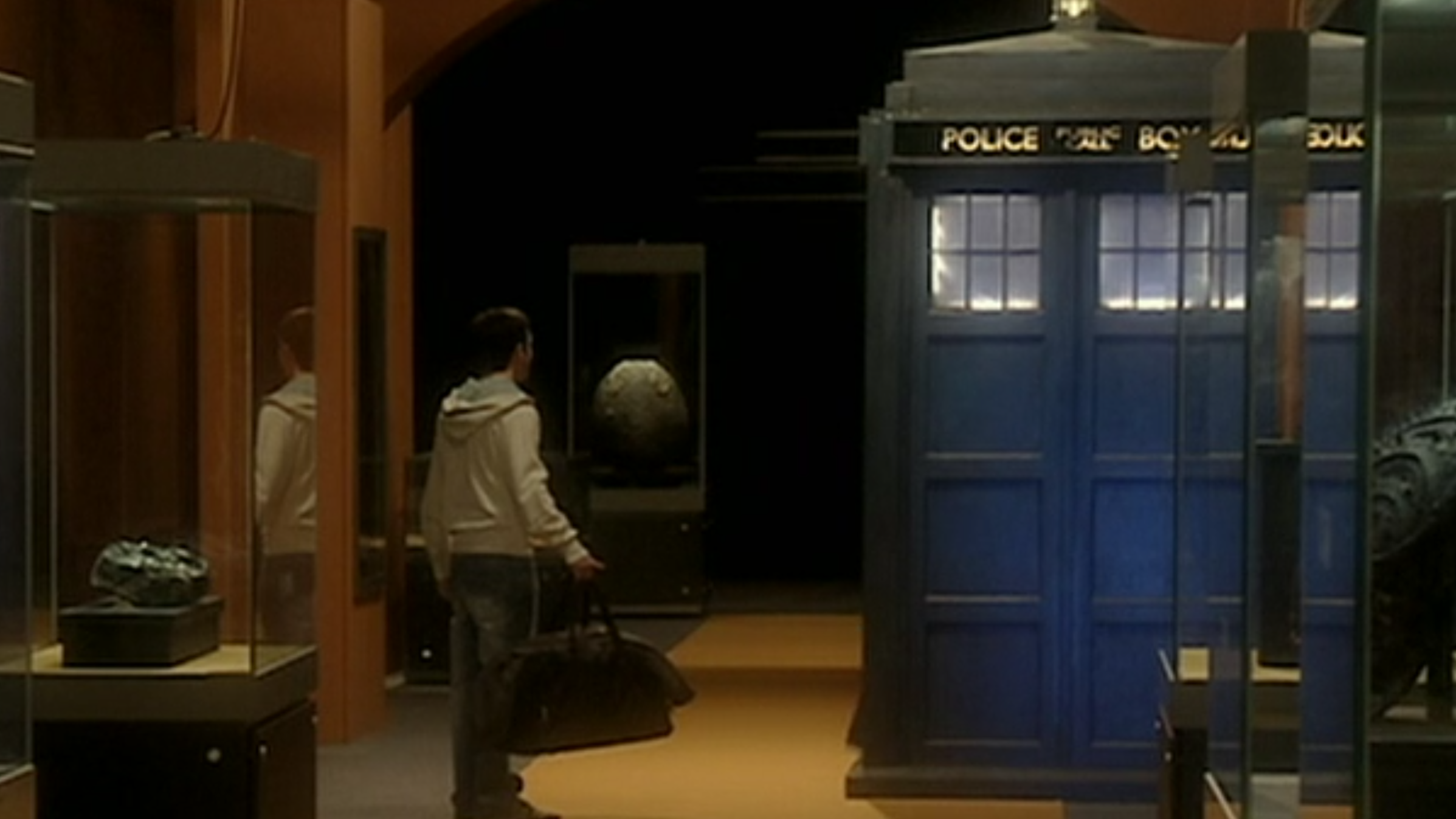
The Ovomorph is a pretty smart easter egg to include in Dalek. Along with the original Alien movie from 1979, this episode concerns a single, unstoppable enemy laying waste to everyone and everything in its path.
And not only that, but Alien director Ridley Scott used to work at the BBC, and was almost involved in the creation of the Daleks himself! Small universe, eh?