10 Ways Modern Doctor Who Changed The Show Forever
4. Connected Stories & Series Arcs
Another element of American shows that Russell T Davies wanted to emulate in his new Doctor Who was the idea of the mythology episode, as he again explains in his original pitch document:
"The best US shows – Buffy, Angel, Smallville – have a mythology story which ticks away in the background, climaxing in the final episodes."
In his original pitch, RTD was referring to the Doctor's status as the last of the Time Lords, a mythology that would form the backbone of his 2005 - 2010 tenure, climaxing in his final special, The End of Time.
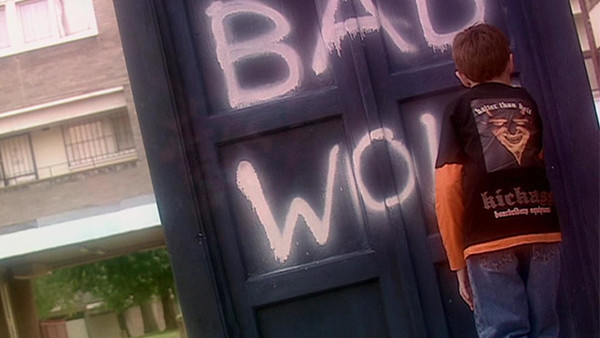
On top of this, each season had its own individual "mythology story." Why were the words Bad Wolf following the Doctor and Rose around time and space? What was going to happen when the Doctor finally encountered Torchwood? Who was Mr Saxon? Each of these story arcs gave us a big-bad for the season finale, such as the Daleks, the Cybermen, or the Master, which again, was a direct lift from Buffy the Vampire Slayer.
It was also, largely, a new concept for Doctor Who. We'd previously had the Key to Time season and the Black Guardian trilogy, but these were loose framing devices for a run of episodes rather than intricately-plotted mythology stories.
Doctor Who's embracing of arc-based storytelling only tightened with the arrival of Steven Moffat, who arguably mastered the format and took it to the next level with the years-spanning mystery of the cracks in time. "Wibbly-wobbly, timey-wimey" was a wee bit of an understatement!