14 Doctor Who Urban Legends That Are Actually True
Finding the fact in the fiction.
Doctor Who has now been lighting up our screens for over half a century (16 year hiatuses notwithstanding) and a show that's shrouded in as much history as this one is bound to find itself at the centre of controversy and heated discussions every now and again. Although, in Doctor Who's case, it's pretty much all the time! The series has been the subject of various urban myths throughout its many years in operation but the speculation has only added to its ongoing legacy. Most of the rumours that transpire about the titular Time Lord's ongoing escapades turn out to be just that however sometimes there's a certain level of fact to be found amongst the fabricated fiction, as this list will demonstrate. Whether it's a legend regarding a casting mishap, a plan gone wrong or something else entirely, the Doctor's TARDIS adventures are notorious for being turbulent both on and off screen and he has deservedly earned his title as one of TV history's most iconic figures as a result. Over the next 14 pages you'll be guided through a countdown of some of the most infamous Doctor Who urban legends that are, believe it or not, all absolutely true. Some of them are hard to grasp but it's just more proof that quite literally can happen when our beloved Time Lord is concerned. It seems like the show expects us to suspend our disbelief off screen, too, so prepare to have your mind blown. Let's get started!
14. The Daleks Were Based On The Nazis...

This one pretty much goes without saying. They have become the Doctors most iconic - and not to mention persistent - adversaries of all time and when they first appeared on TV screens back in December 1963, they were like nothing the British viewing public had ever seen before. It didnt take long for a case of Dalekmania fever to sweep over the nation but just where did the idea for the now internationally recognisable pepperpots even come from? Well, with their chilling and foreboding battle cry of Exterminate! combined with an ongoing mission to achieve total conformity throughout the universe, there was surely only one source of inspiration thats worth mentioning. If you hadnt guessed already, Dalek creator Terry Nation based their agenda - to an extent, anyway - on the formidable Nazis as he drew certain similarities between the Daleks ideology and the real life motives of Hitlers infamous German party. The Daleks are determined to make every other species just like them by any means necessary which sounds hauntingly familiar to the historic events of World War Two when you put it like that. The general idea was that the Daleks were an alien race that glided rather than walked so you never knew they were coming - a metaphor thats also not too far from the truth. Whats more, Raymond Cusick, who was assigned with the task of designing the Daleks (although heres one for the fact fans - the job was originally offered to Alien director Ridley Scott!), was the man behind their distinctive pepperpot shape and, contrary to popular belief, it wasnt just because he was running out of time and had a pepperpot on his table. They were billed as Nazis on casters owing to the fact that they looked like men sitting down inside a wall of protective metal casing. The concept was revolutionary and the added plunger has also been likened to a solider salute. It also means theyre great to have around if you ever need to get unblock your sink so theyre a Jack of all trades, really. Merciless killing machines bent on world domination, of course, but ever handy in a plumbing crisis.
13. ...And They Were Almost Exterminated Altogether!

When the BBC recommissioned a brand new series of Doctor Who back in 2003, its no surprise that the Daleks were at the top of their agenda to make a long awaited arrival in the 21st century. As one of the classic shows most infamous foes, the titular Time Lords grand comeback just wouldnt have been the same without them. This is the world of TV, though, so unfortunately things were never going to be that simple. Before they could be dusted off and resume their mantra of universal conquest, the metal monsters found themselves caught up in another form of ongoing war involving the ever complicated realm of licensing issues. Prior to the series 2005 reinvention, Dalek rights (who would ever think that the Daleks actually had rights?) solely belonged to the estate of Terry Nation after their original creator passed away in 1997. Initially the BBC were unable to obtain them, or reach any subsequent form of negotiation regarding editorial control, and things seemingly went from bad to worse when the estate publicly accused the BBC of trying to ruin the brand of the Daleks completely. Ouch. It didnt help matters, of course, that the whole debacle was being heavily documented in the British press. Needless to say, everything worked out for the best in the end but, after all the preceding drama, show producers were probably just as shocked as the Doctor was to actually see the Daleks back on screen in Series 1. Theyve made good use of them ever since.
12. Every Day's A School Day
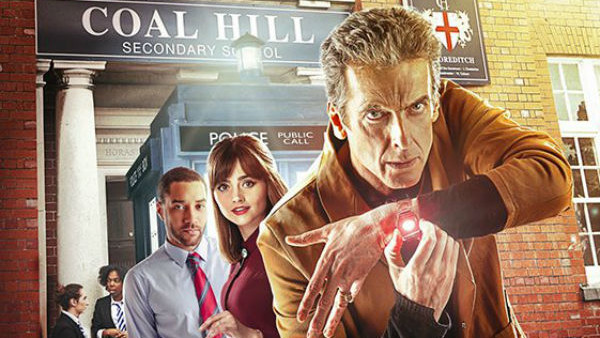
Its widely reported that the BBC originally conceptualised Doctor Who to be the educational offering of their Saturday night line up which families would be able to enjoy together as they ate their tea. Every days a school day, after all. The intention was to subtly inform the audience about space and time travel through the narrative guise of the titular Time Lords ongoing escapades which sounds pretty good on paper. Historical figures, such as Marco Polo, would be featured to add a sense of real life gravitas to the proceedings with viewers being left with a general sense of enlightenment after each episode. Well, that was the plan, anyway. As it turns out, though, early test screenings showed that viewers just werent responding to the more informational aspects of the series and producers were also forced to re-evaluate their initial premise of the TARDIS taking the form of an object relevant to each respective storys historical setting when it transpired that the shows limited budget wouldn't be able to support all of the redesigns. As such, the Doctors spaceship became the blue police box that fans know and love today and the shows educational mantra was ditched in favour of a more fantasy-based drama. There are still lessons to be learned from watching Doctor Who, of course, and its storylines are always (well, usually) based on scientific fact.
11. The Fourth Doctor On The Big Screen
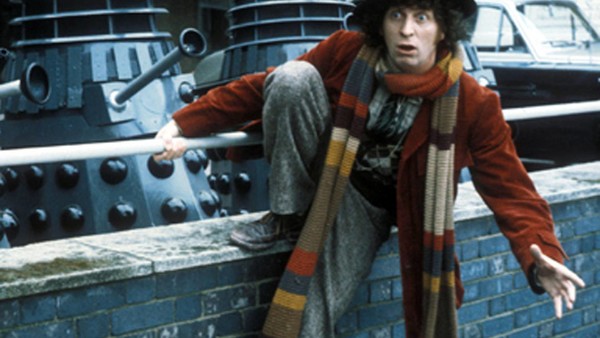
Fans have long been calling for a feature-length film adaptation of the titular Time Lords adventures but you might know know that rumours about a Doctor Who movie (and not in the form of an ill-fated TV one) have been circulating for almost as long as the series itself. For one of the most notable examples its worth journeying back to the mid-1970s where the show was at the height of its success during Tom Bakers critically acclaimed TARDIS tenure. Whats more, the premise of this proposed film - Doctor Who Meets Scratchman - was actually created by the Fourth Doctor star himself who joined forces with actor Ian Marter, who played his on screen companion Harry Sullivan, to write and even pitch the idea of this big screen escapade. The film would've followed the Time Lord and his companions (The Doctor, a male and a female associate - we wanted to keep the cast small) during an encounter with the Devil who wouldve been aided and abetted on Earth by scarecrows and a horde of quasi-cybernetic goblins. On paper it sounds like it wouldve had all the makings of a Doctor Who classic and things really started moving when Tom managed to secure the services of film director James Hill who helped them draw up a draft screenplay and preliminary budget. The BBC were seemingly behind the project, too, as they gave Doctor Who the film rights for two whole years (there was even preliminary talks of leaving the plot open for a sequel), however they never managed to obtain a substantial amount of funding so the film eventually fizzled into nothingness. Its probably for the best. The depiction of science fiction was taken to a whole new level on the big screen thanks to the subsequent release of George Lucas Star Wars in 1977. This relatively small offering - which wouldve included a quintessentially British game of cricket - wouldnt have stood a chance.
10. An Accidental Scarf

Speaking of the Fourth Doctor, his multi-coloured scarf has become one of the most beloved and recognisable accessories in Doctor Who history which makes the true story behind its creation all the more interesting. The shows then costume designer James Acheson - who went on to win three Academy Awards for her work on The Last Emperor (1987), Dangerous Liaisons (1988) and Restoration (1995) - gave a knitter the choice of several balls of yarn during the process of establishing the Fourth Doctors now iconic look and she ended up knitting all of it into one gigantic scarf. Suffice to say, Acheson loved it and it went on to become a permeant fixture throughout Toms acclaimed TARDIS tenure. Its somewhat amusing to discover that one of the most coveted items in Doctor Who history was actually created entirely by accident. Lets face it, though - the best things usually are!
9. Redrafting The Five Doctors

Five Doctors reunited on screen back in 1983 to celebrate Doctor Whos 20th anniversary (in the aptly titled feature-length special The Five Doctors) but things could have been very, very different. In the original draft of the script, written by Terrance Dicks, the star of the show was Tom Baker whose Fourth Doctor would steal the Masters TARDIS and head to Gallifrey to unravel Borusas plot while the other Doctors fought off an array of threats in the Death Zone. It was to be an adventure which wouldve no doubt satisfied the Fourth Doctors legion of dedicated devotees and it was a clever concept on the BBCs behalf to capitalise the shows landmark festivities by attempting to recreate the unequivocal success of Tom Bakers tenure (he had handed over the reigns to Peter Davison two years previously). The man himself threw an almighty spanner into the works, however, when he refused to reprise his iconic role for the special owing to the fact that he had only just left it. As such, the script was subsequently rewritten but the Fourth Doctor wasnt completely left out of the proceedings - footage from his unused serial Shada was edited into the episode and his waxwork model from Madame Tussaud's was used for all the cast publicity shots. The BBC are nothing if not ruthlessly resourceful.
8. Regeneration Was Based On LSD

In the 1960s Doctor Who adopted its unique - and now iconic - premise of regeneration which would allow the titular Time Lord to live on after the untimely departure of the roles original, and arguably the best, incumbent William Hartnell. Producers didnt realise it at the time but it had all the makings of a winning formula which would help to ensure the shows legacy as the longest running science fiction series of all time. Even back then the writers always had a pretty good idea about what the Doctors process of metaphysical change would entail, too. The concept was originally outlined within internal BBC memos which were unearthed to the masses in 2010. To add to the dramatic effect, the regeneration process would be extremely traumatic for the Doctor as he relived some of the most unendurable moments of his long life, including the galactic war and the experience was likened to that of the side effects of an LSD drug - Instead of experiencing the kicks, he just has the hell and dank horror instead. Sounds terrifying.
7. The Odds Were Against Him

Its often suggested that Sylvester McCoys portrayal of the Seventh Doctor was directly responsible for Doctor Whos controversial cancellation in 1989 (more on that later) but its unfair to assume that he was the only factor that contributed to the shows untimely demise. Actually, thats just not true at all. To say he was initially unpopular, though, isnt entirely without evidence. The results of the BBCs internal research into his debut series at the helm of the TARDIS were interesting to say the least. 30% of the audience claimed to like absolutely nothing about his incarnation of the titular Time Lord as he received a personal summary index figure (which is basically the BBCs posh way of asking people to rank how good he was) of 46 which was said to be considerably less than his only moderately popular predecessor Colin Baker. Oh dear. It wasnt just bad news for poor old McCoy, either. His first companion Melanie Bush, played by Bonnie Langford, also suffered as a result of a turbulent tenure in the TARDIS - both on and off screen. In fact, a landslide 56% of questionnaire respondents revealed that they wished shed actually been eaten during the 1987 serial Paradise Towers. Tell us what you really think, why dont you? They never stood a chance.
6. Medieval Mishaps

Fans are often hearing about writers whose attempts to contribute to Doctor Who were destined to go down like a lead balloon and this is one of the more regrettable examples. Comedian, actor, writer, presenter and activist (you name it and hes probably done it) Stephen Fry is one of many notable names whose efforts to lend their creativity to the timey-wimey proceedings were ultimately in vein. In his case it was for an episode that was originally slated to form part of NuWhos second series - David Tennants first in role as the Tenth Doctor - back in 2006. The programmes then head writer Russell T Davies eventually decided, however, that the adventure Fry had envisioned was far too ambitious for the constraints of the shows current budget to handle. By the time Fry got around to making the necessary changes, the role of the Doctors coveted companion was no longer inhabited by Billie Piper and he just didnt have the time to redraft the story for the shows new co-star Martha Jones. According to speculation, though, the episode in question wouldve been set in the 1920s while other conflicting reports suggest that it wouldve been loosely based on a medieval poem about Sir Gawain and the Green Knight. This is Doctor Who, of course, so it couldve easily been both. A tantalising case of what couldve been.
5. Backstage Bust Ups
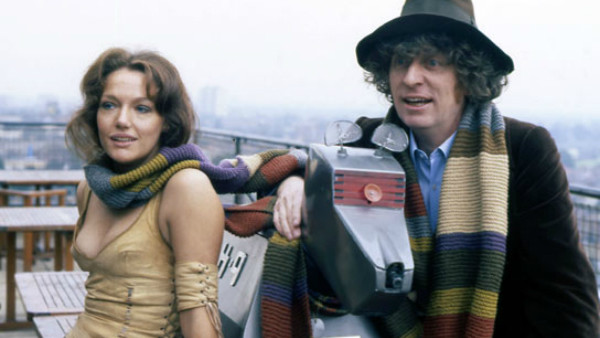
Tom Baker and Louise Jamesons rocky relationship is still one of the most hotly discussed aspects of Doctor Who history and its widely known - and now openly acknowledged by the actors themselves - that they didnt initially see eye to eye when Louise was signed up as the Doctors new companion, Leela, in 1977. In fact, many fans note that Tom rarely even looks Louise in the eye during their episodes together which is a trait that the Fourth Doctor star is infamous for executing towards co-stars he particularly disliked. If looks could kill The truth behind their backstage bust up, however, has never been completely explained. According to Tom, the tension began when Louise said I was cold, which is an amazing word, and aloof and it also didnt help that he took a disliking to the violent nature of her on screen alias. It wasnt too bad in the end as he noted that she didnt stay all that long (surprise surprise) but they have since settled their differences and put their past disputes behind them. Doctor/Leela shippers will be pleased to hear that in recent years they got on like a house on fire during the recordings of their various Big Finish audio adventures.
4. Typecast Terror

On the subject of behind the scenes disputes, Doctor Whos reboot in 2005 was met with a rapturous response of critical acclaim and as such it was one of the biggest shocks in TV history when Christopher Eccleston revealed he was leaving the role after just one series. Amid rumours that he had already signed to stick with the show for at least another year, speculation surrounding his sudden change of heart was one of the nations hot topics and it dominated the mainstream media when news of his impromptu exit was leaked by a certain tabloid and promptly denied, and then eventually confirmed, by the BBC. His decision to hand over the keys to the TARDIS was originally put down to the fact that Christopher didnt want to become typecast as the titular Time Lord. As the years have gone by, though, it has transpired that there were probably other more dominant factors that contributed to the stars untimely departure. The actor himself has largely remained tightlipped about what went on behind the scenes although he has revealed that he wasnt comfortable with the environment and culture that we, the cast and crew, were forced to work in. That, combined with the fact that he never bathes in the same river twice, resulted in him declining Steven Moffats offer to reprise his role for The Day of the Doctor as part of the shows 50th anniversary festivities in 2013, much to the dismay of his legion of fans. Nobody knows for sure what really happened in the build up to Christopher Ecclestons exit but his legacy as the Ninth Doctor will stand the test of time.
3. The Regeneration Of Sarah Jane Smith

Elisabeth Sladen is regarded as the defining Doctor Who companion of all time thanks to her portrayal of Sarah Jane Smith but her journey to the TARDIS was as turbulent as her subsequent adventures aboard it. The coveted role of the investigate journalist was initially awarded to actress April Walker, of Fawlty Towers and The Two Ronnies fame, but the shows then producer Barry Letts had a sudden change of heart when it transpired that Third Doctor Jon Pertwee was wholly against the choice of his new companion. Walker was promptly replaced by Elisabeth Sladen (who was recommended by a BBC colleague and hadnt actually been involved in the casting process itself) and, after an arduous audition process, Walker was compensated for her time - and for the fact she had effectively been fired - by being paid in full for the whole season in which she had been contracted to appear. Its now difficult to imagine anyone but Elisabeth in the role but this intriguing development, which remained a closely guarded secret until recent years, just proves that things couldve so easily been very different.
2. The Axe Factor
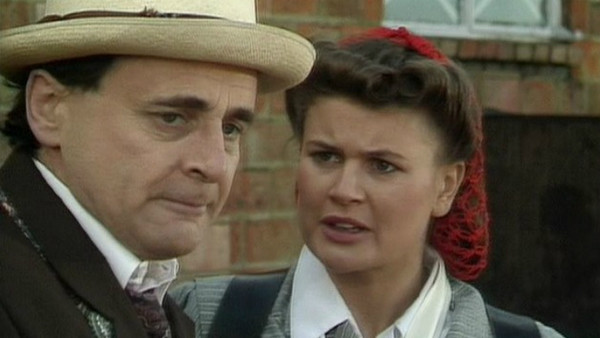
One of the most notable events in Doctor Who history is its axe back in 1989. Nobody knows quite for sure why it was taken off the air but its ever decreasing viewing figures at the time, as a result of dwindling public interest, was probably the main contributing factor. Fans have since been searching for somebody - anybody - to blame for the untimely demise of their favourite show (and its subsequent 16 year hiatus) and usually the finger is pointed in the direction of Michael Grade who was serving as the Controller of BBC One at the time of the Doctors controversial cancellation. Or was he? While Grade made no secret of the fact he hated everything that Doctor Who stood for (he has retrospectively described it as outdated and a little show for a few pointy head fans), the suggestion that he was solely responsible for its untimely demise isnt entirely true. Although he had previously suspended it in 1986, and subsequently dismissed Colin Baker from the title role, it was actually Jonathan Powell who indefinitely pulled the plug on the Doctors adventures. In fact, Grade had moved on to his new position as Controller of Channel 4 by the time the series was shelved so he wasnt directly involved in the decision to kill it off for good. Its probably much easier to blame him, though, just because of what hes said about it. Nobody calls our beloved Time Lord pathetic and gets away with it
1. The (Almost) Axe Factor

Doctor Who will always be haunted by its controversial cancellation in 1989 but it might shock you to hear that it wasnt the first time the series has faced the cut. Perhaps even more surprising is the revelation that it happened once again as recently as David Tennants departure when BBC chiefs were called into crisis meetings to discuss how on Earth the show would manage to survive without him at its helm. This is according to Steven Moffat, anyway, who has revealed that even he was unnerved by how seemingly little the BBC had faith in the programme following the demise of the Tenth Doctor. Its safe to say that the shows popularity peaked during David Tennants tenure but its format also heavily depends on renovation. Suffice to say, the BBC were just plain silly to even doubt its longevity as it was left in the more than capable hands of Matt Smith. As of 2014, with Peter Capaldis introduction as the Twelfth Doctor, Doctor Who has surpassed a worldwide viewership of over 70 million and the only way is up for everybody's favourite Time Lord. It was probably just a senior moment amongst the powers that be and as such it would never have come to any fruition. Lets hope so, anyway, for the sake of Whovian sanity.
Are there any other Doctor Who urban legends that have turned out to be true? Let us know in the comments section below.