7 Reasons Why Rick Shouldn't Survive The Walking Dead Season 5

It's time for the deputy to hang up his gun.
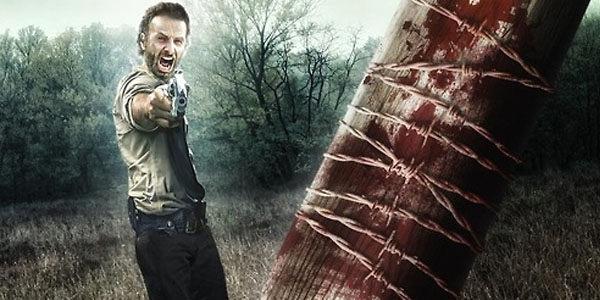
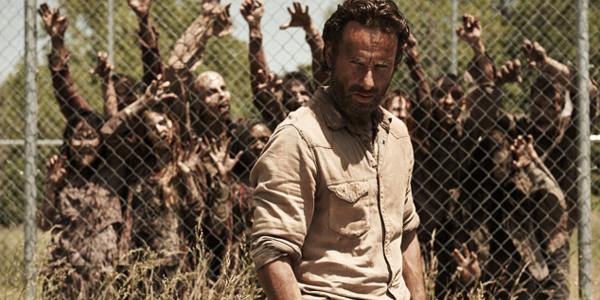
Since Halloween four years ago saw the premiere episode of The Walking Dead, ex-sheriff€™s deputy Rick Grimes has been the beaten and bloody face of the show. From the moment he woke from a coma to find the entire world had gone to hell around him, we€™ve followed him from camp to camp, seen him reunite with his family, seen him fight and kill his former best friend, seen him lose his wife and nearly lose his mind, retire to raise crops and then strap the gun back on again to take on the Governor. In season one, Grimes was the audience€™s way into the narrative, having come into the story at the same time as we did. As Rick learned about the zombie apocalypse, so did we. When he stepped into the leadership role for the increasingly ragged group, the everyman lawman became the de facto hero of the story. As people around him continued to drop like flies, Rick Grimes demonstrated a moral code, and a desire to hold onto the values he€™d espoused as an officer of the law, a husband and a father before the apocalypse took place. With season five on the way though, it€™s about time questions were asked, coldly and rationally: is he still that man? Does The Walking Dead need Rick Grimes anymore? https://www.youtube.com/watch?v=tvPRDQr1hKQ If reports are true, Rick Grimes 5.0 will be the most brutal, uncompromising and dynamic version of this character to date, determined not to lose any more of his extended family. Could this upcoming season be the swansong for the group€™s leader? Let€™s take a look at some of the reasons why that might be a good idea, and of course €“ there are plenty of spoilers here€

7. He€™s Become As Dangerous As The Bad Guys

After Shane€™s betrayal and death at the end of season two, Rick became colder, harder: the group of survivors became like a tight-knit commando unit getting through the winter after leaving Hershel€™s farm, and this was in no small part due to Rick€™s strict, almost tyrannical leadership of the small, mobile group. One can argue that they wouldn€™t have survived Woodbury without Grimes€™ uncompromising leadership. Following the brutal events of season three, however, Rick had decided to give up the role of leader in the group, which had grown to encompass the survivors of Woodbury, and become its own little community: tied down to one location, with families and children entirely unsuited to the kind of guerilla existence our little group of protagonists had lived throughout season three. Moving on from Lori€™s death, he€™d returned a little to the more peaceful man we saw at the beginning of the show, a man who didn€™t want the mantle of leader thrust upon him€ so, of course, that€™s precisely what happened, the Governor returning to the prison settlement to exact bloody revenge, bloody mayhem following in his wake, and Rick once again becoming leader. Given the split in the group in the second half of season four and Rick€™s gradual recovery from the beating he€™d taken from the Governor, we didn€™t get to see much leadership in action€ until Joe€™s group of reavers arrive in the dad of night to attack Rick, Carl and Michonne, leading him to mercilessly and brutally kill Joe with his teeth (with his teeth!), and hack to pieces another who€™d threatened Carl with rape. With their arrival at the sinister Terminus having resulted in their capture, and with the trailer for the new season appearing to give audiences even more of season three€™s unflinchingly badass Action Rick, it€™s time to consider€ is he becoming as brutal and dangerous as the people he defends his friends from? Where€™s the conflicted family man, the Kentucky lawman, the everyman we followed into this hell? If he€™s gone for good, replaced by a man with arterial blood between his teeth, we might need ourselves a new hero.

6. The Show Is An Ensemble Drama, Not A Character Study
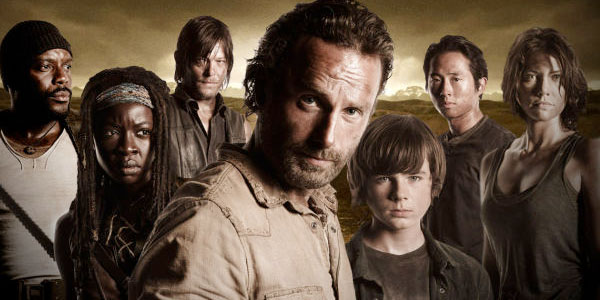
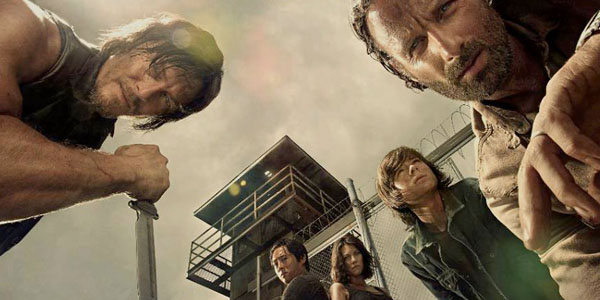
Rick Grimes may have taken the lead in the early part of the story, but The Walking Dead isn€™t Breaking Bad €“ it€™s not the story of one man and the choices he makes, for good and for evil. The Walking Dead is an ensemble drama showing how various people from different walks of life cope with the end of their world. The show€™s core group of Carl, Carol, Daryl, Michonne, Tyreese, Glenn and Maggie has swelled a little more in season four with a handful of newcomers. In addition, everyone here is a superlative actor, not a weak link in the bunch: even Chandler Riggs has stepped up and moved beyond playing Carl as a clichéd angst-ridden teen to become a genuinely gifted young actor. Even comic creator and series producer Robert Kirkman has said that the character of Rick is not necessarily always going to be central to the comic book:
€œYeah, Rick could go at any time... I do have plans for him and I know where his story is going, but I promise that Rick will not survive the entire run of the book.€
Rick Grimes may be the leader of the group, and Andrew Lincoln may be the leader of the ensemble, but this isn€™t just their story. Breaking Bad couldn€™t continue without Walter White, but The Walking Dead can carry on just fine without Rick Grimes.

5. The Group Doesn€™t Need Him Anymore

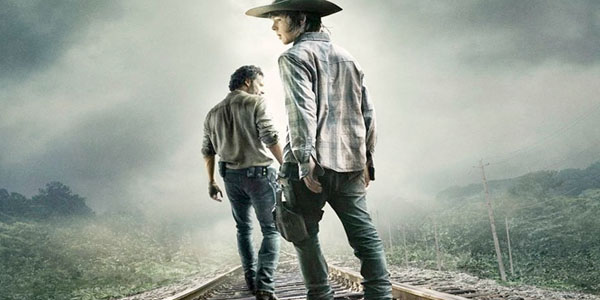
Carl€™s development into a capable, assertive and (mostly) intelligent young man has shown audiences one thing very clearly: he isn€™t really dependent on his father for his survival any longer. Of course that, on its own, isn€™t sufficient reason for Rick to buy the farm. But it€™s not the only change. We€™ve seen significant character development in Carol€™s arc, from victim of domestic violence through losing her daughter, to becoming a truly post-apocalyptic mother figure, able to nurture and make the tough choices. Meanwhile, Daryl has found a real family to replace the sociopathic version he grew up with and grown a conscience into the bargain. Glenn has developed the courage he didn€™t have to begin with €“ the runner has shown true maturity in his relationship with Maggie, who has also stepped up through adversity. Michonne, on the other hand, has come out of her withdrawn, almost animalistic shell to show a hint of the woman she was before the world ended, and to develop a real closeness with Carl. As everyone else around him has grown more mature in adapting to survive the end of the world, Rick has simply become more violent, more brutal. This isn€™t the beginning of season three any longer. These people don€™t need herding any longer. They€™re fully capable of leading themselves out of the darkness€ a darkness that Rick seems more and more willing to embrace.

4. He Has Almost Nothing Left To Live For
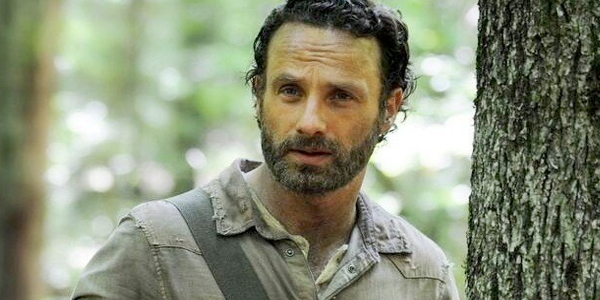
The Rick Grimes of the end of season four is a different man to the Rick Grimes that kicked off the show waking from a coma in an abandoned hospital. That Rick had a wife, a son, a best friend, and later a newborn daughter. He had a background as a principled lawman, a core set of values and a moral code. Fast-forward four seasons, and Rick has lost his wife and killed his best friend. His baby girl is, as far as he knows, lost to survivor-on-survivor violence, as is the home he was trying to build. His past as an officer of the law is a distant memory, while his relationship with his son is still that of father and son, but increasingly an adult one. Meanwhile that set of values has withered to simply: €˜protect what is yours, kill or be killed.€™ Let€™s face it €“ season five€™s Rick Grimes is hanging by a thread. All he has left to him is a slim connection to this group of people he€™s been through so much with, some of whom are still scattered to the four winds. He€™ll fight and kill to protect them all, calling them his family €“ and he€™ll certainly die for them. In season five, perhaps he finally should, and receive the kind of redemptive moment that the old Rick perhaps deserved.

3. He€™s An Efficient Killer But An Awful Leader
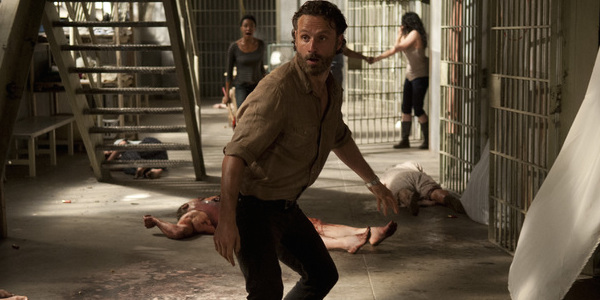
We€™ve already gone into some considerable detail on the terrible mistakes that Rick's made as leader of the group so far. His career as leader of the survivors has led to problem after problem after problem, most of which stem from his disastrous decision-making. In fact, the only time in which he was able to genuinely become the leader they needed him to be was when he abandoned his principles, stripped away his moral centre and became a cold, tyrannical, brutal killer. They survived the winter with that man, they survived Woodbury with that man, and maybe they€™ll need Action Rick again in season five: in Terminus, and on the long road to Washington. But the leader you need in war isn€™t necessarily the leader you need in peace, and Rick Grimes has proven that he doesn€™t have what it takes to head up a community. For all his talk of family, the €˜family man€™ isn€™t great at being one.

2. The Entire Internet Would Explode

The death of Rick Grimes as one of the culminating moments of season five would catapult The Walking Dead, its cast and crew and AMC itself into headlines all over the world. Chat show hosts would be referencing the show in their opening monologues, Twitter would go into meltdown, and essentially half of your Facebook newsfeeds would be a battle between people who€™d seen it and people who hadn€™t arguing about spoilers, while the other half begged the rest to stop going on about it. Remember the reactions to The Red Wedding on Game Of Thrones last year? Well, imagine that, and then double it. That€™s the level of furore we€™ll experience, and the level of publicity the show will receive. While the show doesn€™t necessarily need the ratings spike that might follow, if they€™re looking at extending the lifespan of the series then this kind of dynamic, brave storytelling move might be just what the doctor ordered€

1. It Would Completely Revolutionise The Show
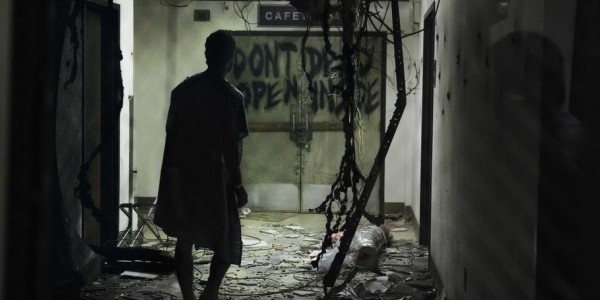
€because the central narrative of the television show has been more than a little aimless, especially in season four. It needs a clear cut ending of previous stories. It needs a new focus: a new start. One of the first things The Walking Dead did when the show began was separate itself from the comic book source material by significantly deviating from the original storylines. Daryl Dixon isn€™t even in The Walking Dead comics, and he€™s hands down the most popular character on the television adaptation. But one of the few things that the comics and the show have in common is that Rick Grimes is there, front and centre. No matter who else might fall by the wayside, Rick€™s untouchable, right? I mean, he€™s the hero, the leader. Except, as we€™ve been discussing throughout this article, in the TV show Rick Grimes is no hero, and Rick Grimes isn€™t much of a leader. He€™s not even the main character €“ he€™s the lead in an ensemble, a heroic protagonist that€™s become a narrative cul-de-sac and almost a cautionary tale. How many times in the future can we bear to watch Rick vacillate over whether he€™s a good man or a cold-blooded killer? How many times are we going to have to struggle through him deciding whether to be the group€™s leader or not, while more promising characters are sidelined? And is a character who only seems to succeed when he€™s brutally killing people the person you want in charge? Writing Rick out of the story would force people like Daryl, Glenn and Carol to the fore. It€™d bring Carl out from under his shadow; perhaps give the new, more motherly Michonne a chance to step up. Perhaps more importantly than any of that, it€™ll give the story €“ and by extension, the show €“ a new lease of life. No longer tied down by one man€™s flawed and wobbly vision, the group can go anywhere and do anything. And everything would be up for grabs€ no one would ever be able to predict what would happen in The Walking Dead, ever again.

Contributor
Contributor

Professional writer, punk werewolf and nesting place for starfish. Obsessed with squid, spirals and story. I publish short weird fiction online at desincarne.com, and tweet nonsense under the name Jack The Bodiless. You can follow me all you like, just don't touch my stuff.