A Series Of Unfortunate Events Season 2 Review: 7 Ups & 3 Downs
(Don't) look away.

Netflix's take on A Series of Unfortunate Events has already managed what the big screen version couldn't: a second outing.
While the 2004 film adaptation of Daniel Handler/Lemony Snicket's beloved novels fell flat, Season 2 of the Netflix show hit the streaming service on Friday, after a stellar first season guaranteed that all of Handler/Snicket's works would be brought to life this time around (a seven-episode third season has already been confirmed).
The first run, which adapted the first four of the ASOUE books, made a number of very fine decisions not only in its casting department, with Neil Patrick Harris leading the way as Count Olaf, but also the devilish tone, wry humour, and above all else its faithfulness to the book.
Season 2, then, adapts the next five in the series: The Austere Academy, The Ersatz Elevator, The Vile Village, The Horrible Hospital, and The Carnivorous Carnival. This is where Snicket really started to expand the scope of his world and its mythology, and the TV series captures that too, keeping a lot of the same strengths and also weaknesses from both the novels and Season 1. (This is a spoiler-free review based on all 10 episodes of Season 2.)
Ups...
7. The Delectable Design
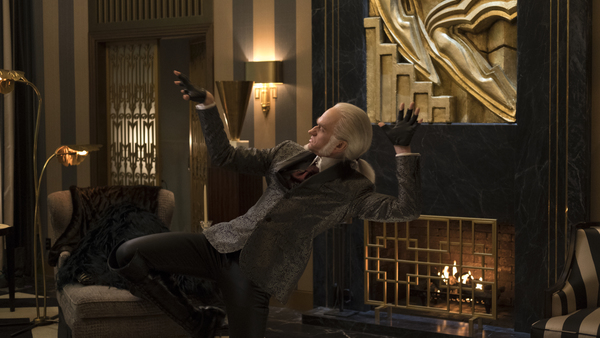
The show is quite unlike anything else on TV, and a big reason for that is in the lavish production and costume design, which blends gothic fantasy with magical realism and period pieces with modern trappings.
The sets are stunning, and the various fancy dress costumes equally so, whether it's one of Olaf's disguises, a rundown boarding school, or a swanky penthouse apartment. Everything we see on screen is as eye-catching as a man with hooks for hands or a person with two heads, and helps give the show an almost indefinable setting that simply adds to the weird, off-kilter nature of things.
6. The Astonishing Additions

A Series of Unfortunate Events already had a stacked cast, but it gets much, much better in Season 2 with a few brilliant new additions.
Arrested Development's Tony Hale arrives as Jerome Squalor, a man comically torn between his marriage to Esme and his desire to do what's right by the children, and Sara Rue arrives as a librarian who not only adds to the humour but helps drive the VFD story forward and has great chemistry with yet another newcomer, Nathan Fillion.
The Firefly star is predictably great as Jacques Snicket, who gets a bigger role than in the books. Fillion plays him as a swaggering hero, which he can do in his sleep, but best is when he and NPH's Olaf get to bounce off each other in madcap fashion - and it's even better if you're familiar with Dr Horrible.
Lucy Hale (Hot Fuzz) is a perfect fit for the Cruella de Vil-esque Esme Squalor, parading out declaring what's in and out in perfect hoi polloi fashion, and she too makes for a wonderful foil for Harris. Best of all, though, is Kitana Turnbull as Carmelita Spats, a bratty, attention-seeking student at Prufrock Preparatory School who completely steals the first two episodes and has what may be the season's funniest scene.
5. The Charming Children
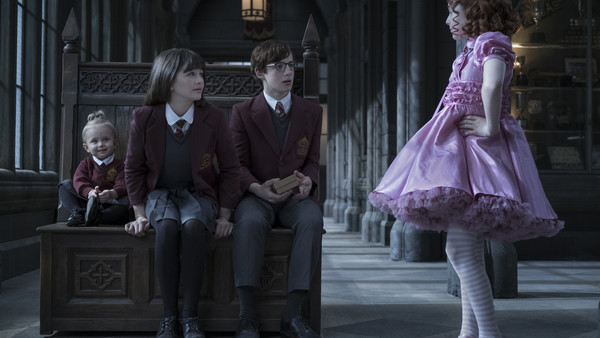
The actors playing the Baudelaire orphans weren't bad by any means in Season 1, but as inexperienced youngsters in a sea of acting veterans, their performances didn't really stand out too much.
That changes in Season 2, as we get a clearer sense of who they are, and with it far stronger performances from the central trio, witnessing their growth as actors and how much more comfortable they are in these roles.
Malina Weismann and Louis Hynes both have an easy likeability that's played up even more here, and it's matched with steely resolve, moments of terror, and fleeting hints of romance (not with each other, he hastens to add - this is NOT Game of Thrones), all of which is nicely understated. Even better is Presley Smith as Sunny, albeit with some digital enhancements, who is not only adorable but also the most consistently funny character in the show (with credit to Tara Strong for the vocal work too).
If we couldn't buy into the plight of the orphans or root for them to eventually find happiness then the show wouldn't work, but these three make it effortless.
4. The Loving Literaryisms
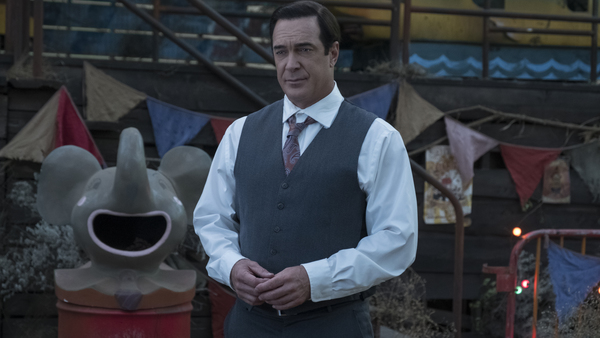
A Series of Unfortunate Events is like a love letter to the written word, and the TV show doesn't disappoint in that regard. Patrick Warburton's delightfully dry take on Lemony Snicket frequently pops up to explain words and phrases to the audience in some valuable formal digressions, which help form part of the show's USP (an acronym which stands for unique selling point, which here means a feature of a product that makes it different from and better than all its competitors' products).
It goes above and beyond that in displaying its love for all things literature though, including a paean to libraries and the knowledge they can wield, the wisdom that can be found in great literature, and that those who don't have a love for learning are the villains. As one VFD message goes:
"In a world too often governed by corruption and arrogance, it can be difficult to stay true to one’s philosophical and literary principles."
There are a number of more specific references to works of literature as well: The Horrible Hotel pays homage to everything from The Shining (taking cues from the adaptation too, which is fitting for an adaptation) to Shakespeare.via Wuthering Heights.
3. The Terrific Tone

When it comes to tone and genre, A Series of Unfortunate Events is like a law unto itself (a term which here means to behave in a manner that is not conventional. So when we say "When it comes to tone and genre, A Series of Unfortunate Events is like a law unto itself" what we mean is it does exactly what it wants to without adhering to the conventions of other genres or being predictable).
It's a jet black tragicomedy, a dark, gothic melodrama, a family drama, a mystery series, and completely oddball in nature too, quite unlike anything else. Into that mix you can add a number of genre homages: The Ersatz Elevator is a biting social satire, The Vile Village takes cues from Westerns, The Horrible Hospital plays out like a horror. It is, by turns, hilarious, sad, weird, dark, suspenseful, and even musical, displaying each within every episode and handling them all deftly.
2. The Chilling Count
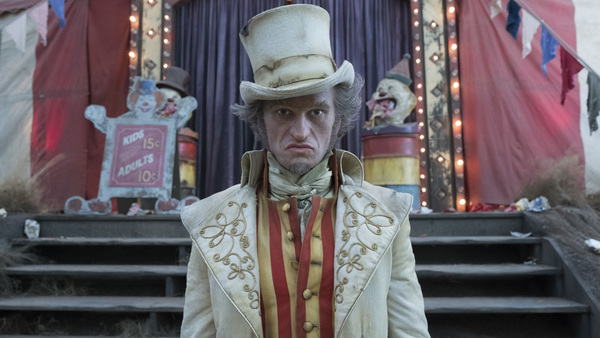
Once again, for all the cast's work, there is only one star of this show (which is exactly how the Count would like it): Neil Patrick Harris' odious Olaf.
Like with Season 1 he's a 'master' of disguise, with this year's efforts including a gym teacher, a police detective, and a doctor. Some of them are almost ridiculously transparent, but that's just part of the joy in Harris' performance: a good actor playing a terrible actor who thinks himself a great thespian.
Harris perfectly hams it up in comic fashion, and also gets to display his musical gifts much more this season, with a couple of show-stopping numbers alongside his opening credits tunes. Crucially, though, he still manages to balance the silliness with real menace, and there are a few moments this season where Olaf goes darker than ever before and feels truly threatening, especially in The Horrible Hospital, and doubly so for the younger viewers among its audience. Even in its weaker moments, NPH's Olaf is always worth watching for.
1. The Magnified Mystery
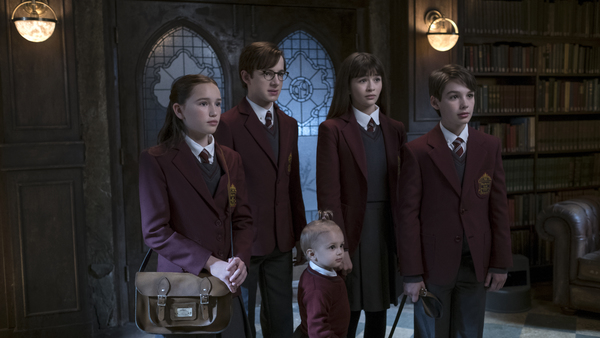
The Austere Academy represented something of a turning point for the book series, and so it proves for the show too: the overall structure does remain in place, but there's a conspiracy mystery that gives things a much stronger narrative thread.
To the show's credit, it started seeding this in Season 1, and has made the VFD even more pronounced than the book does.
The question of what VFD stands for, who was in it, and what they did is expertly woven into the plot, giving viewers something much bigger than a simple 'series of unfortunate events' to invest in, with clues littered about and various pieces started to be put together. Best of all it does us through the proper introduction of the Quagmire triplets (even if there's only two of them), who prove necessary companions for the orphans and help them connect to their past and pave their future.
Combine that with the little hints about Olaf's own past, that of the Baudelaire parents, and the inclusions of the infamous sugarbowl, and the show does a wonderful job of planting seeds that will have fully grown by Season 3.
Downs...
3. The Dangerous Drag
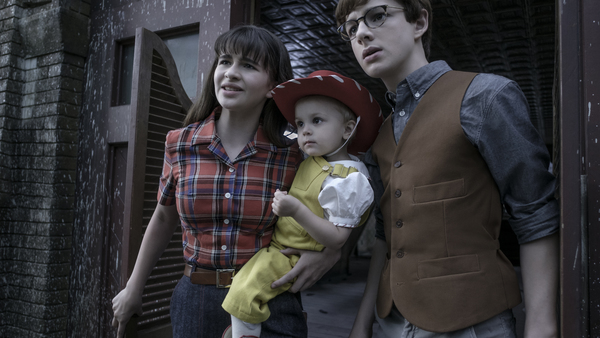
The second season rigidly sticks to the established formula of every book being adapted over two episodes, with the season having ten in total.
While it's an understandable decision, especially since one of the reasons the movie failed was its attempt at cramming three books into one film, it does mean that some of the entries are noticeably padded out and there's some vexatious fable dragging in a few of this episodes, without enough plot to fill two instalments (The Vile Village is perhaps the most egregious example of this). They're hamstrung by the format, which perhaps would've been better suited to an hour for each book (meaning a tight 13-episode run).
In some cases the invented plotlines do help cover for it, but even with the episodes playing around in length there's not always enough of a story to cover two episodes, at least not until the mystery starts expanding and the stories get bigger in the final four instalments (which, again, is how it goes with the books).
2. The Stuttering Support
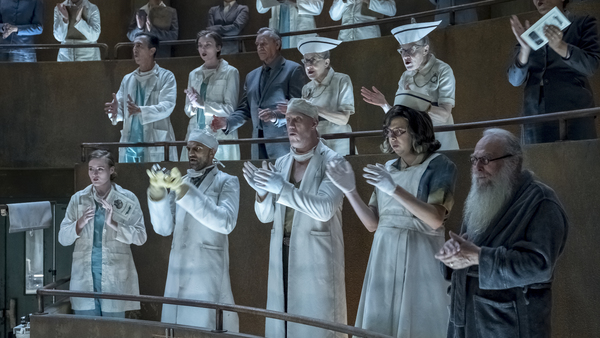
As previously mentioned, a lot of the new additions are superb, but some of that does come at the expense of a few previously established characters.
Count Olaf's troupe never manage to convey the same sense of menace as their leader, meaning that, although they do provide some moments of fun, they are quite one-note and can fall flat in their attempts at humour on occasion.
The same can be said for Mr Poe, despite K. Todd Freeman's excellent performance. The character should largely be removed from the story by the later episodes, and there are some contrived ways of keeping him around that take him from being a bumbling bystander to outright complicit in the acts committed to the Baudelaires.
Jacquelyn and Larry are once again great to watch, but with the VFD expanded to include the librarian and Jacques, it does come at the cost of their own screentime.
1. The Ridiculous Repetition
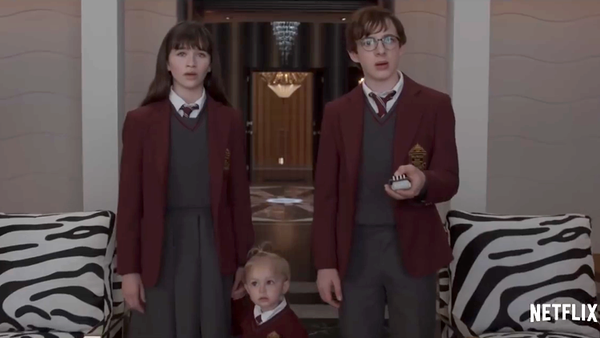
Complaining about repetition in A Series of Unfortunate Events is almost like complaining all the Harry Potter books follow the same school year. It's a chosen narrative device that at once provides comfort to the reader and simultaneous drives the point home about how unfortunate this series is.
It's also a choice that does work better in the books, which were released over a span of seven years and are relatively short stories. By contrast this show, being on Netflix, is clearly set up for binge-watching, yet that's when the repetition in plots will become most apparent, without the freshness of Season 1 to cover for it.
It's difficult for them to avoid, really, but it does become an issue when there are ten instalments to watch and five stories between them that don't differ too much in the overarching story or narrative structure.
Still, it's more than worth watching in spite of those flaws, because the highs it hits are wonderful. Despite what Netflix tells you, do not look away.
What did you think of ASOUE Season 2? Share your thoughts down in the comments.