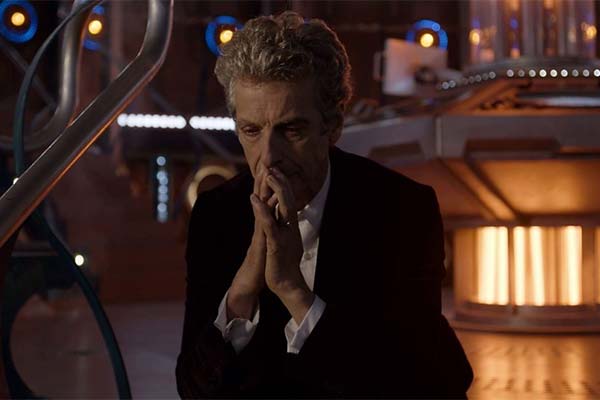
Doctor Who Review: Heaven Sent – 6 Reasons Why We Love The Dark Doctor

Brutal, brilliant, and one of the best Doctor Who stories of all time.
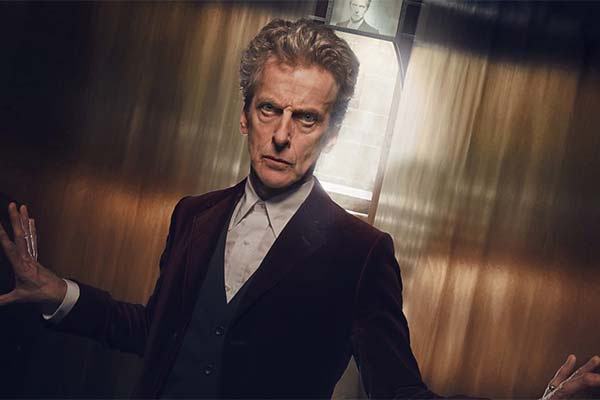
WARNING! SPOILERS: This post contains spoilers and speculation for the Doctor Who Series Nine episode Heaven Sent. Heaven Sent drops us into the middle of the twelfth Doctor€™s personal hell. He€™s trapped inside a video game where an endless series of repeated actions always lead him to the same spot. His choices are to reveal sensitive information, to embrace death or to reincarnate and endure this unique brand of torture again and again. There€™s no way to beat the software so the Doctor comes up with the only way to win the game. He rips a hole in the hardware one punch at a time. There are two speaking parts in Heaven Sent, and of those Clara delivers two lines as a figment of the Doctor€™s imagination. There is a monster but it presents more as monolith than living creature. This is Peter Capaldi€™s show and his performance is a revelation. It€™s impossible to avert your eyes as the Doctor moves through his thought processes and emotions only to arrive at a horrifying conclusion. This episode has nerve. It never sways from its determination to push the Doctor to the limit. There is no sympathy here, only a presentation of the facts and what needs to be done to escape from the situation. Steven Moffat took a risk and it worked. Heaven Sent is brutal, brilliant and one of the best Doctor Who stories of all time.

6. The Game
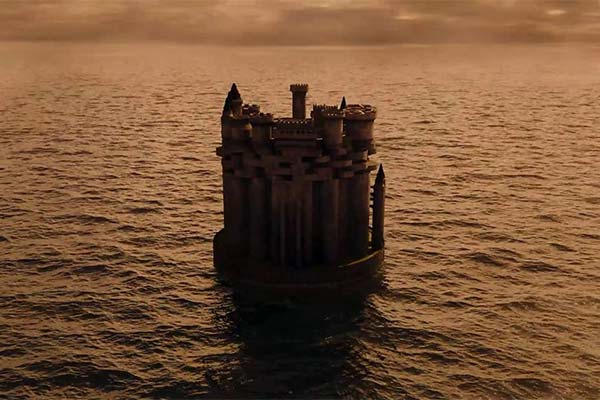
If you want to keep the Doctor engaged hand him a puzzle. This is exactly what Steven Moffat€™s circular script does as it weaves a non-linear tale of torture and perseverance. While the environment the Doctor is trapped in at first seems of utmost importance we later find it€™s beside the point. The monster is not the veil, the entire scenario is. And hidden within the many layers is the way out. No worthwhile prize, however, is achieved without sacrifice and the Doctor is tested in a way that would drive lesser men to madness. The castle becomes a character, serving as antagonist while Peter Capaldi has no one else to interact with. It€™s a whirring, grinding, menacing behemoth that follows his every move and herds him in the required directions. He is the ghost in the machine and his struggle to break free begins with frustration and slowly descends into horror as the stakes are revealed.

5. The Interrogator

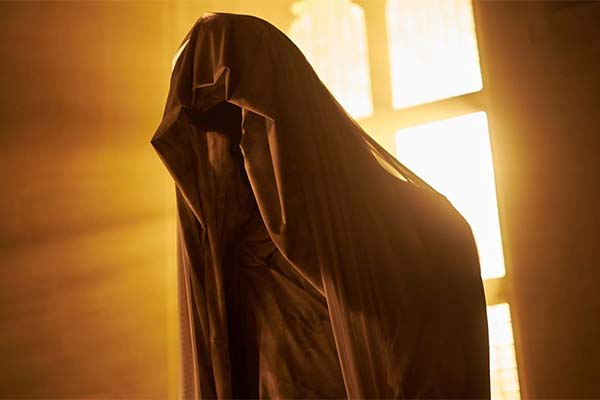
While the Doctor proclaims his familiarity with the monster trailing him it is presented to the audience as an abstraction. It is the niggling voice in our head that urges us to spill our darkest secrets shrouded in a veil of guilt. The Doctor is a man of deep mystery who guards his knowledge with a fierce devotion. He refuses to become a weapon even if the cost to him is dear. It€™s not that he has no fear, for that would make him an idiot. He acknowledges he€™s scared but moves forward anyway. This is a quiet heroism, the kind that we see so much of in our everyday lives but is seldom acknowledged for what it is. This is a man faced with overwhelming odds who simply decides day in and day out not to give up. We deeply identify with the Doctor€™s plight because we€™ve all been there. We€™ve all felt the monster€™s breath on our necks and the weight of our decisions hanging over us. We€™ve all been afraid and we€™ve all chosen whether or not to go on.

4. Torture

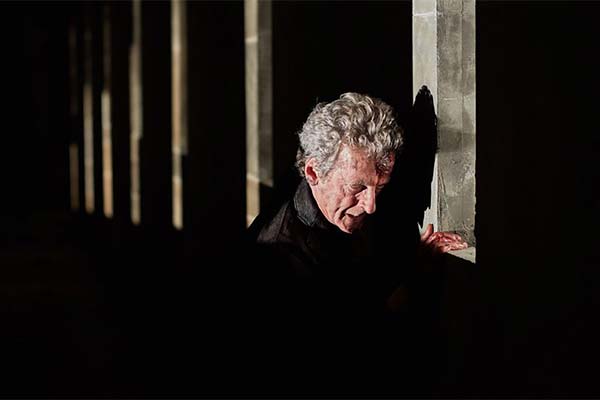
Heaven Sent is a deeply unnerving story that begins with a mystery and devolves into psychological horror. The best episodes of Series Nine have dealt with current issues and Heaven Sent is no exception. Torture is something that many so-called civilized countries still practice even when it€™s been shown that it is not an effective interrogation tool. In the effort to circumvent terrorism we allow ourselves to become the monster we seek to avoid. At the end of each cycle the Doctor is left desperate, broken and dying on the floor. We are shown trails of blood and burnt skin as he crawls his way back to the tower. Doctor Who is seldom so graphic but does not hesitate to show the depth of this man€™s suffering. Writer Steven Moffat and the production team take care to inform us that the Doctor€™s actions have real consequences. Nothing is sugar-coated.

3. The Mind Palace

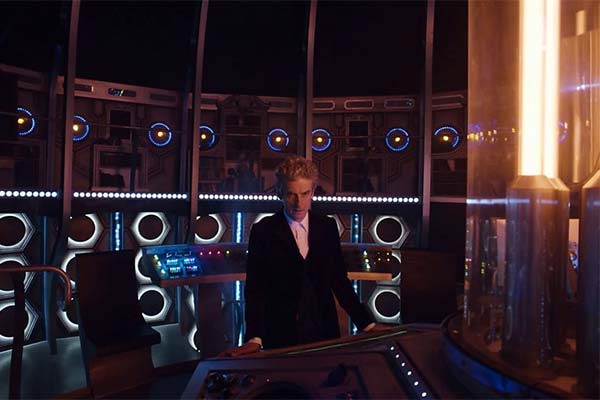
The problem with a one-person show is that it feels awkward to observe a single man talking to himself over a long period of time. To circumvent this Steven Moffat chose to steal a device from one of his other projects, Sherlock, and switch the point of view to within the Doctor€™s head. This is a smart thing to do as it gives us a way to hear the Doctor€™s thoughts. It makes sense that he talks to himself within his mind and that he would picture himself in the TARDIS as that is his place of safety. The return of Clara is startling and haunting as she is mostly portrayed from the back and replies by scratching on a chalkboard. Her loss is felt even more keenly when we are presented with the Doctor€™s grief-stricken vision of a person who now lives only within his memories. It is fitting that Clara is most alive to him when he imagines her exhorting him to €œget off his ass." That is exactly what Clara would have done and it€™s a beautifully wrought and bittersweet moment when we are allowed a brief glimpse of her long lost face.

2. Gallifrey

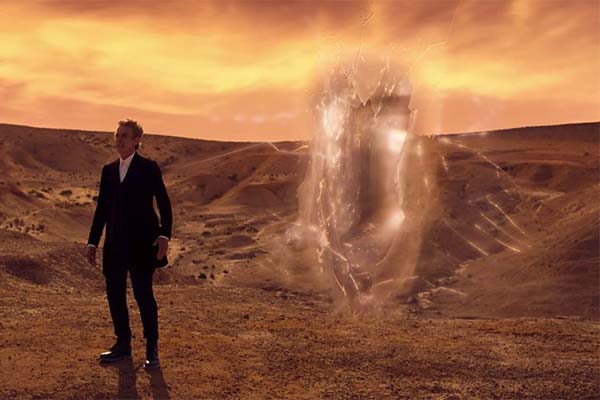
It€™s unfortunate the BBC chose to spoil the return of Gallifrey in the synopsis for episode twelve Hell Bent. Still it€™s a wonderful moment when the Doctor breaks through the wall and steps once more onto familiar soil after such a harrowing and claustrophobic experience. Yet we are allowed only brief relief, as it is evident the Doctor suspects his fellow Time Lords are somehow mixed up in this plot to force him to reveal what he knows about the hybrid. Is it truly the Doctor they have feared for so long? Or perhaps Ashildr also known as €œMe€? There is speculation that this may hark back to the eighth Doctor€™s claim that he is half human but I€™m choosing to believe they would not go there. Is it the right time to bring Gallifrey back? There are certainly some interesting story ideas to explore concerning the Doctor€™s interactions with his own people. I think, however, that to reveal too much of Gallifrey is to dilute the Doctor€™s mystery. I€™m happy to see the Time Lords back but the story is better served if our glimpses of them are limited.

1. The Production

Heaven Sent could easily have fallen into a trap of self-indulgence. That it never does is a testament to Steven Moffat€™s stunning ability to combine an intelligent, well-plotted story with a profound emotional core. Peter Capaldi gives us some of the best work of his career as he allows desperation, determination and a bit of self-doubt to bleed through his brilliant performance. Rachel Talalay€™s direction is smart and spare, illuminating the action without overshadowing it. Murray Gold€™s music underscores every scene and adds shades of emotional nuance to heighten Capaldi€™s performance without overpowering it. Heaven Sent is a masterpiece of engineering. Writing, production and performance all work together seamlessly. It€™s difficult to be the middle child within a three part arc but I venture to say that Heaven Sent stands on its own. It€™s disturbing yes, but ultimately triumphant and entirely unforgettable. What did you make of Heaven Sent? Share your thoughts in the comments thread below.

Contributor
Contributor

Mary Ogle is the author and illustrator of “Orangeroof Zoo” a whimsical tale of magical realism told through the pages of a coloring book for adults. Working as a professional artist in the digital medium, Mary’s commissions have included everything from fine art to fan art, book cover design, illustration and book layout. Find more of Mary’s work at www.maryogle.com. Mary currently finds inspiration in the Ojai Valley, residing in a snug little cottage with a recalcitrant cat.