10 Reasons Why Old School Fans Struggle With Modern WWE
7. Repetition Repetition Repetition Repetition Repetition Repetition Repetition Repetition Repetition
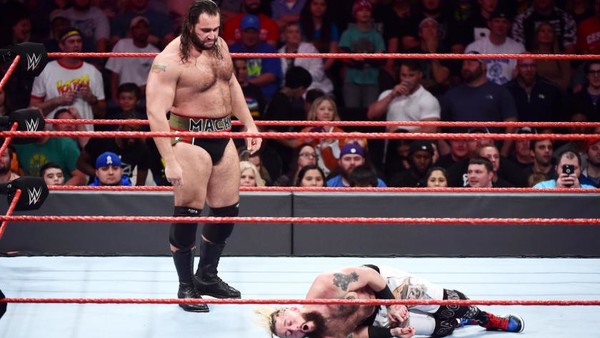
Repetition is nothing new.
Recent WWE Hall Of Fame inductees The Rock N'Roll Express wrestled the Midnight Express for about twenty-eight years, but crucially, the two teams took their war across several territories to avoid fan burnout. Fans back then were more forgiving of disputed finishes, too. There was more shelf-life to rivalries. Attention spans were longer.
Things changed, broadly, in the 1990s. The WWF could not rely on squash matches to hook viewers into episodic programming. With competition as fierce as it was, every week had to matter. Every ratings point counted. Major stars faced major stars on free television - but even during a time period in which bare breasts were exposed and chair shots to the head were as commonplace as the superplex, the WWF showed restraint.
Have a glance of the WWF pay-per-view calendar from 1998. At June's King Of The Ring, Steve Austin lost his WWF Championship to Kane. After regaining it on the following night's episode of RAW, the two men did not contest a further singles match on pay-per-view for the remainder of the year. If that feud (which incorporated about four disputes at once) took place in 2017 it would command a minimum of three pay-per-view singles matches. WWE no longer has the luxury star power elsewhere nor the power of shared universe storytelling to repeat it.
On Monday's episode of RAW, Enzo and Big Cass surveyed the WWE Tag Team Title match between The Club and Sheamus and Cesaro. It was one of the best moments of what, in fairness, was a choice show - purely because it marked the end of their Hundred Years War with Rusev.