6 Things You Need To Know About ECW's Wrestlenomics
6. History

5. Attendance
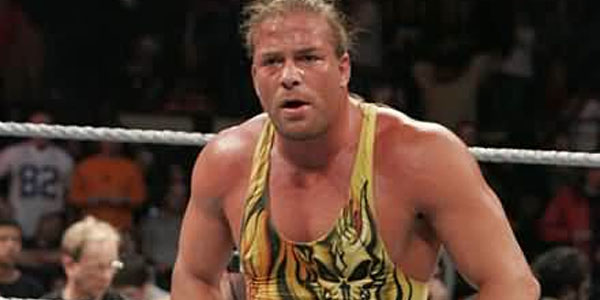
We produced 38 Extreme Championship Wrestling (ECW) branded events in the transition period which had an average attendance of 1,100 and an average ticket price of approximately $25.00. ECW events were held in smaller venues which generated lower attendance and revenues per event as compared to our Raw and SmackDown brands. Going forward, ECWs live events will be combined with SmackDown until the brand is large enough to tour independently.Drawing over a thousand per show would be considered strong results for an independent organization, but not for a branch of the mighty WWE. By contrast, the original ECW grew from a regional promotion which drew about 600 per show (average attendance from about 40 annual shows) in 1994-1995 to 1,500 per show (average attendance from about 110 annual shows) in 1998-1999. In their final year, the promotion was drawing almost 2,000 per show (average attendance from about 60 annual shows). It's noteworthy that the company didn't collapse due to lack of audience and in fact, the original ECW outdrew the later incarnation as an independent touring brand. Still, while its clear that the original ECW drew more fans to their shows, its more fair to compare the promotional drawing strength against the other major players at the time. In the late 1990s, ECW was a distant number three promotion behind WWF and WCW. This was made abundently clear when from 1998 to 1999, the World Wrestling Federation averaged attendance over 10,000 for live events. Also during that same timeframe, World Championship Wrestling averaged attendance above 7,000 for live events (though the latter half of 1999 took a serious downturn). ECW shows drew rabid fans. However, they were only about 15% of WWFs average attendance and 20% of WCWs average attendance. In the mid 2000s, ECW was a pretend "division" of WWE. WWE's closest American rival for pro-wrestling was Dixie Carter's TNA. By 2006, TNA was often filling the Impact Zone at Universal Studios in Orlando, FL but that was for tv tapings with free admission. Under that model, drawing 900 people wasn't that impressive of a feat. By contrast, the ECW of 2006 appeared as a stronger live event draw than TNA of 2006. Still, ECW's 1,100/show average was not considered adequate for WWE standards when Raw & Smackdown or co-branded shows regularly drew an average of almost five times as much.
4. Television Ratings - ECW On TNN

 Raw's gain was ECW's loss. TNN cancelled ECW and the final episode aired on October 5, 2000 to record low ratings (0.6 rating). ECW on TNN only aired 59 episodes (19 episodes in 1999, 40 episodes in 2000) and their 0.94 average rating was well below the minimum threshold that TNN had established in their original contract. Now ECW didn't have a national television vehicle to promote their product. Financial problems continued to mount. To put that in context, during ECW on TNN's run, WWF Raw averaged a stunning 6.02 rating, WWF Smackdown averaged 4.64 rating, WWF Sunday Night Heat averaged 3.06 rating, WCW Monday Night Nitro averaged 2.93 rating and WCW Thunder averaged 2.25 rating. (As you may recall, there was a lot of weekly wrestling on television back then.) ECW on TNN's highest rated episode was on March 3, 2000 with only a 1.28 rating. ECW's average rating was about one-sixth of raw, one-fifth of smackdown, one-third of Heat & Nitro and half of Thunder. Friday night wasn't a great night for wrestling, but even taking that into account, ECW was a distant third for American Professional Wrestling supremacy. Without a television home, the omnious vultures circled ECW as they desperately tried to find a new television home. However, the other major cable networks were either not interested (Turner had it's own problems with WCW and certainly wasn't about to get expand their forray into the pro-wrestling game) or taken (Viacom had just won an expensive and litigious cable coup and planned to quickly load up both TNN and MTV with WWF programming). Heyman's best hope was convincing jilted lover USA Network that Extreme Championship Wrestling was their redemption - a sort of booby prize for losing Monday Night Raw. But USA's philosophy was simple - they wanted the best or nothing at all. And at this point it was abundantly clear that ECW was far from being the best. While Tommy Dreamer did manage to wrangle a bid from some small regional sports networks, Paul saw the writing on the wall and cashed in his chips. Their national expansion had failed and it was just a matter of time before the inevitable end.
3. Television Ratings - ECW On Sci-Fi

2. Money
1. Outcome