8 Things We Learned From WWE’s Sting: The Lost Tape
A blink-and-you'll miss it hidden gem...
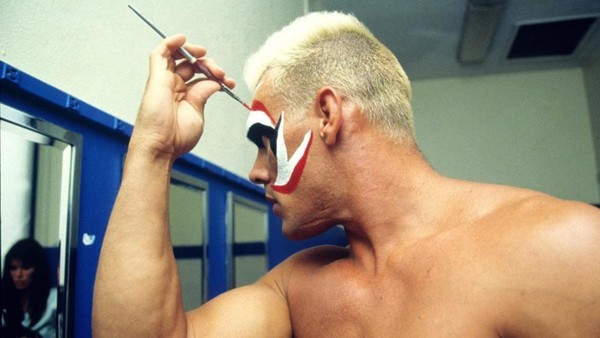
If somebody had said that WWE would upload some backstage footage from a forgettable 1995 WCW pay-per-view onto the Network in 2020 and tack a match onto the end of it, you'd have been forgiven for slapping a Scorpion Death Lock on them.
Alas, they did - 'Sting: The Lost Tape' has landed online, and pretty much nobody saw it coming when WWE were previously focused on The Undertaker's excellent mini-series..
This is, by quite some margin, one of the most random releases on WWE's subscription service. It's roughly 14 minutes of Sting mingling with other members of the mid-90s roster, meeting happy fans and speaking passionately about his career. Then, after some other talking heads chip in, he's shown wrestling Big Bubba Rogers in a 'Lights Out' match (whatever that is).
Somehow, it's all absolutely wonderful to witness, and it's almost an out-of-body experience to watch what the WWE video team unearthed here. 'Lost Tape' is a fun, totally niche trip, one that reveals a lot more than some people might think a documentary this short could.
Here's everything gleaned from the thing...
8. It's A Fascinating Hidden Gem For WCW Fans
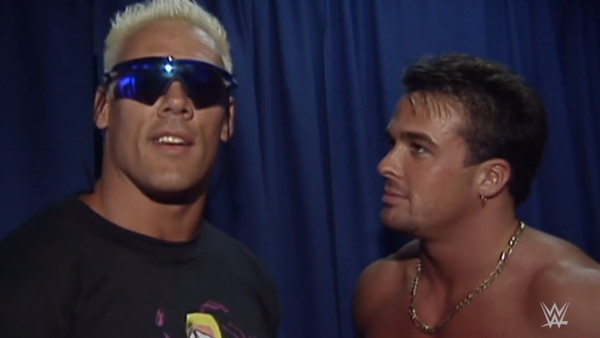
It really cannot be overstated just how fascinating 'Lost Tape' is.
Think about it: Sting is shown fraternising behind the curtain with guys like Randy Savage, Marcus (Buff) Bagwell, Terry Taylor and others during an era when this kind of expose footage wasn't exactly common. If someone had shown this to yours truly back in '95, then he might not be writing this article - his mind would've been blown.
This kind of fare was so abnormal that not even Bagwell seemed to know what was going on. At one point, he pals around with Sting and seems to think they're filming some sort of company piece to hype his match with Big Bubba Rogers. Staying in character, Bagwell says he has fellow babyface Sting's back.
That's when the Stinger tells him it's a "shizoot", but Bagwell doesn't appear to get it. Anyone who loves WCW will get a real kick out of seeing how natural Sting is in front of the camera, and how unnatural some others act when the red light's on.
7. It Would've Been Ahead Of Its Time
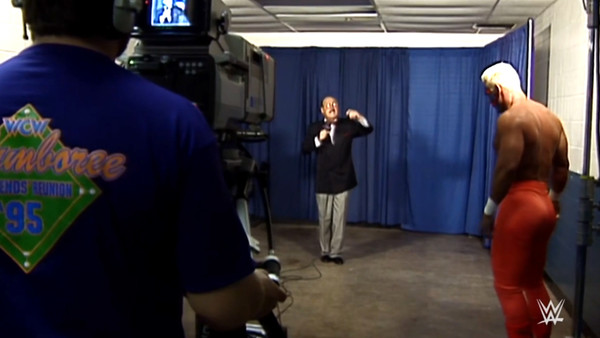
WWE proudly pimp the value of series like 'The Day Of' and '24' on the Network. Both docs feature tell-all stories from behind the scenes about specific matches or moments, and they're every bit as gripping as fans would hope. Amazingly, whatever Sting was going for here beats that format by a good 20 years or so.
It's so ahead of its time.
There are loads of little easter eggs for anyone with an eagle eye. Watching Sting hype himself up before joining 'Mean' Gene Okerlund for a pre-match promo is fun, and so is seeing how the flat top-sporting hero gets fired up right before heading through the curtain for a live pay-per-view.
'Lost Tape' would've been a revelation had it been released back in the mid-90s. There's no telling what the reaction from industry critics and casual fans alike would've been; would it have tanked, or would Sting have stumbled upon something completely fresh and vibrant WCW could do more of?
6. The Actual Match Is Worth Watching
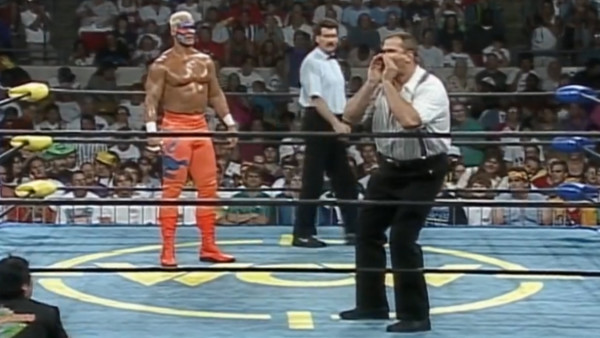
The entire second half of Sting's 'Lost Tape' is just his full 'Lights Out' match with Big Bubba Rogers from Slamboree 1995. If that doesn't sound too appealing, then think again. The bout is actually ahead of its time in a strange way too, and is worth sticking around for if you've never seen it before.
Though things definitely take a while to get going (it's a stall-fest in the opening few minutes so Rogers can p*ss off fans by mocking Sting's 'Woooooo' cry), they're a giggle when they do. It's so strange to see a table implemented into the match structure this way as well, especially when fans are so used to seeing workers crash through them willy nilly.
Rather than going through the wood, Sting and Bubba slam one another into it and bump on top of the thing throughout. The standard table bump hadn't quite become common practice in WCW at the time, but this is still worth watching.
These guys had good chemistry.
5. He Didn't View Himself As A "Superstar"

The doc opens with Sting applying his face paints before that evening's Slamboree pay-per-view. As he squeezes paint out the tube and tries to concentrate on countouring his look, one of WCW's top men reflectively says, "I'm still the same Sting I was eight years ago".
That's after he says he doesn't think of himself as a "superstar".
This was either some clever babyface work or the real Steve Borden shone through. Your writer thinks it's the latter, because he was lucky enough to spend significant time with Sting on a live event Q&A tour in 2015, and he witnessed first hand how humble a human being he actually is.
It adds up to see Sting from 1995 talk about how nervous he still gets whenever he's preparing for pay-per-view matches, and there's loads of footage of the guy high-fiving fans in the hallways as he hangs around meeting them. He never once comes across as an egotist who needs his own private dressing room.
4. Why Sting's Face Paint Was Always Different
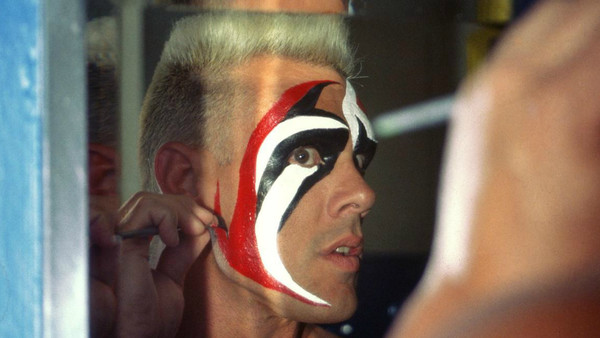
More of Sting's humble, human nature comes to the fore when he's putting on his trademark paints.
If you've ever wondered why his make-up always had slight, subtle differences, then 'Lost Tape' has some answers for you. The short version is that Sting "has no idea" what he's doing with the paint - he would start by drawing one line and then making things up as he went along.
The Stinger obviously followed some templates (he says that most fans seemed to love the more colourful aesthetic), but admits that he could never get it exactly the same way twice in a row. So, instead of obsessing over it, he'd mix things up by adding on-the-fly flourishes to the design if he couldn't get it quite right.
There's no sign of a face painter at this point in the doc. Realistically, WCW wasn't going to hire in someone to paint Sting or anyone else's face. He was on his own, and he had to learn from his own mistakes and carry the paints with him on the road.
3. Sting Really Believed In WCW's Future
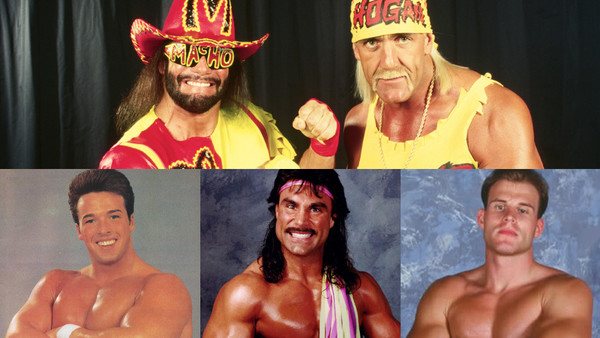
You might be sick of hearing about how happy-go-lucky and ego-free Sting was, but it's the main thread of the entire documentary. During one talking head segment, he explains how excited he is for WCW's future, and doesn't seem at all concerned by the influx of ex-WWF stars like Hulk Hogan or Randy Savage.
Sting also named Marcus Bagwell, Johnny B. Badd and Alex Wright as the three names who would carry the company into the future. That's interesting, not least because Wright eventually nestled into a lower-mid card role and Badd left WCW to become Marc Mero in the WWF. Only Bagwell had any kind of sustained success.
He must've learned the difference between a promo and a "shizoot".
'Lost Tape' shows that Sting was a company man who never took things too seriously or believed his own hype. He remained grounded even when he was winning World Titles, headlining pay-per-views or meeting starstruck fans.
2. Sting Was Vader's Favourite Opponent
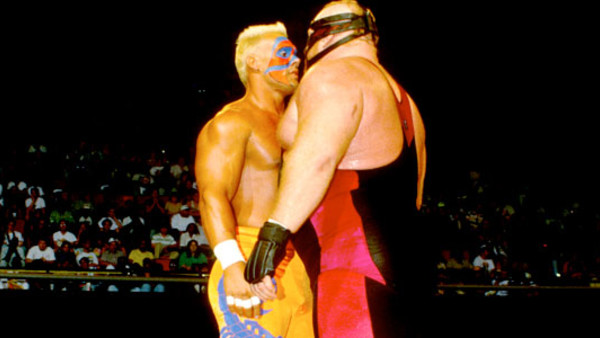
There's a brief attempt to tie Slamboree 1995 in with the previous year's event when Vader shows up (without his mask) to talk about Sting. The big man doesn't take long to reveal that the Stinger was his favourite babyface to work with, or that their Slamboree '94 match is one he cherished.
That was a stunner, to be fair.
Vader didn't exactly look comfortable talking to the camera out of character, but he clearly respected Sting enough to appear and give him some seriously high praise. Keep in mind that the monster heel had worked with the likes of Ric Flair, Stan Hansen and Mick Foley by this point. None of those guys could top the personal satisfaction working with Sting gave Vader.
It's reasonable to assume that Vader's experiences with Sting were never topped when he moved to the WWF in 1996. That two-year run, all things considered, was a bit of a flop. Vader didn't really fit into Vince McMahon's organisation, and he certainly wouldn't have enjoyed a match more than Slamboree '94.
1. Hearing Randy Savage's Real Voice Is Weird
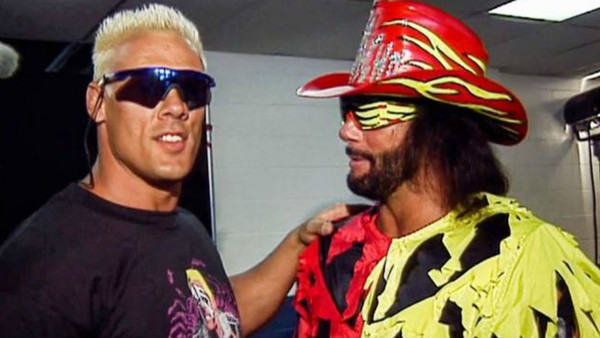
If you only need one solid reason to check out Sting's 'Lost Tape', this is it.
Early on, there's a short cameo from Randy Savage. He and Sting joke about the fact that Randy owed his friend some money from a card game, then 'Macho Man' tells the camera he'll never pay him back. They laugh, they joke and they...show the most relaxed Savage anyone has likely ever seen.
His trademark growl was almost totally absent from the conversation. Rather than barking out his familiar 'Ooh Yeah' refrain, Randy sounded a little more normal (for lack of a better word) and like he wasn't in-character. It's incredible to see him tone down the showbiz voice and speak like a regular dude.
Almost everyone who has spoken about Savage since has claimed that he's pretty much the same off camera as he is on. This suggests otherwise. Were all those comments some sly attempt to protect Randy's character? He sounded like a different man on 'Lost Tape', and you need to check it out.
What else did you learn from WWE's Sting: The Lost Tape? For more like this, check out 10 Things You Didn't Know About WCW's Nitro Grill Restaurant and 10 Things We Learned From A Genuine 1998 WCW Nitro Script!