A Defence Of The Most Controversial Wrestling Match Ever
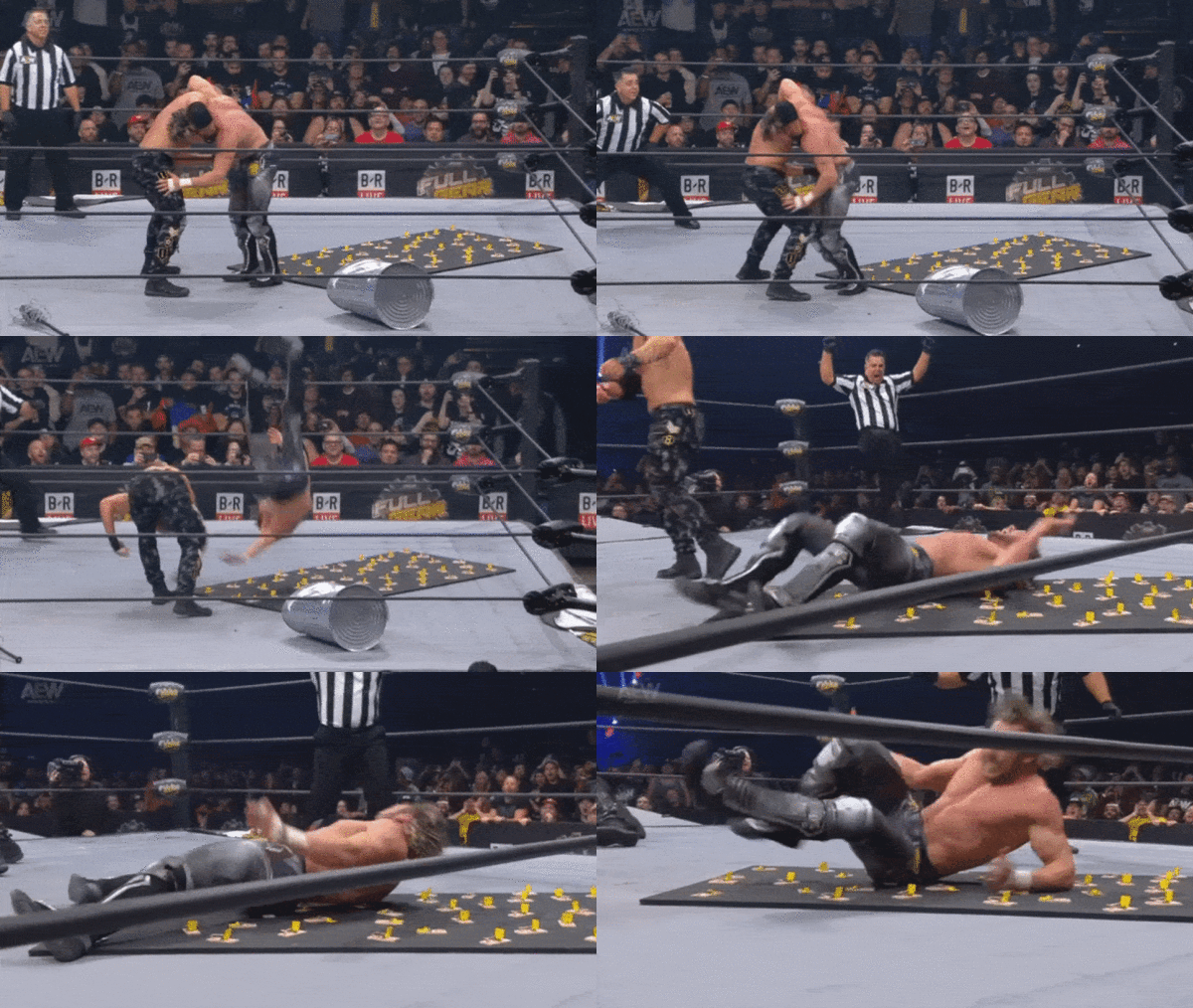
Jerry Jarrett, one of pro wrestling’s most influential and revered promoters, operated under a certain philosophy: if you can get the fans to buy story beat A, they will be more receptive to the more improbable developments of beats B and C. Omega and Moxley adapted this at Full Gear.
In the opening phase of the match, after a blow-away opening brawl instigated by Omega’s athleticism—a great exploration of the dynamic—the two men shredded one another’s backs with barbed wire. This looked gruesome, because it was. The hardway blood drawn through spiked metal created an awful gut feeling, but only a superficial effect to the body. This informed the subsequent illusion brilliantly. The glass introduced subsequently was worked, or worked perfectly around: it did not let anywhere near as much blood, but because blood had been let, the sickening atmosphere intensified.
Story beat A informed the gruesome power of gimmicked spots B and C, and the power of those moments was informed by an expert grasp of suspense. In the best deathmatches, the bumps are put over by the desperation to avoid them. Omega’s searing pace and eye for the counter was a tremendous update on that premise. The danger was orchestrated as much as it was delivered; the teases powered the impact.
Most every bump afterwards—onto chains and glass—was absorbed on the back. Omega’s Sky-High powerbomb saw Moxley land on his upper back, and he was smashed through a table back-first by Omega’s Terminator dive. For a match so palpably traumatic, head trauma was only truly invited at the finish.
CONT'D...(3 of 5)