The Secret History Of WWE’s Ruthless Aggression Era | Wrestling Timelines
July 1999 - Ohio Valley Wrestling
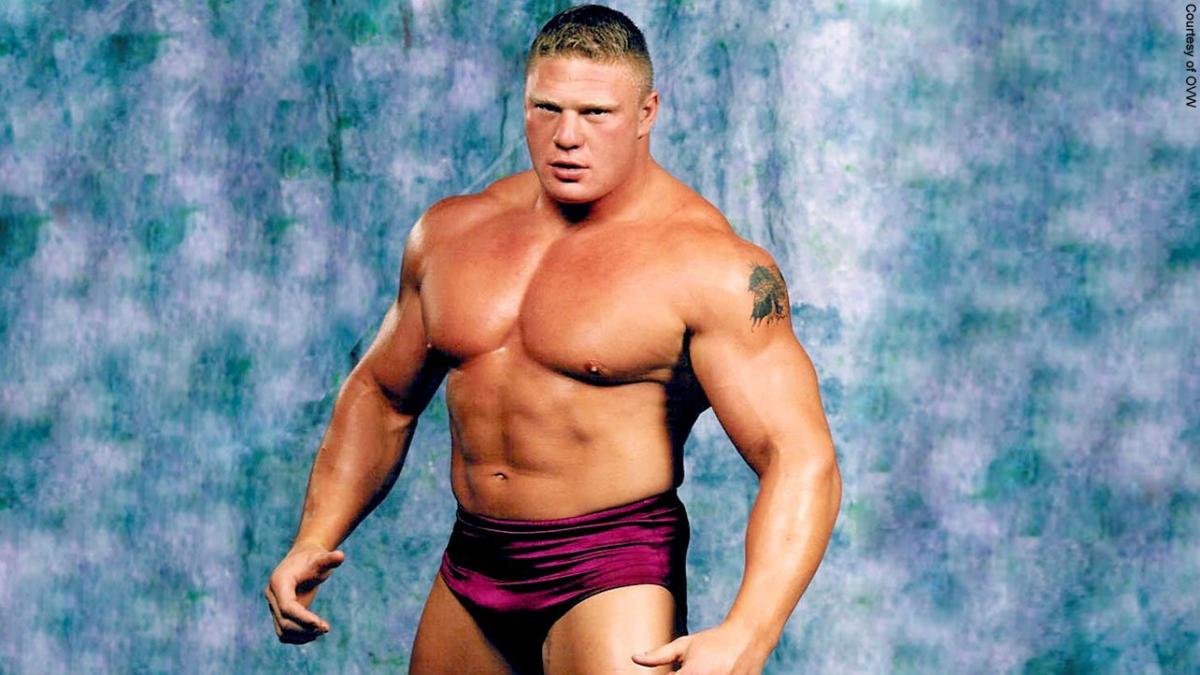
Ohio Valley Wrestling - a Louisville, Kentucky-based independent founded by ‘Nightmare’ Danny Davis - is now the first official WWE developmental territory.
This is the idea of WWF creative team member Jim Cornette, and it is driven by reasons both personal and professional. He is from and loves the area, and wishes to return to it. He loathes the weather in and working culture of Connecticut. This pitch is conceived at a time during which Jim is cares profoundly about the pro wrestling business, or at least what it used to be.
In many ways, Cornette hates what it has become. Still, he’s active in the industry full-time, and the shoot interview circuit is barely taking off, much less the podcast racket. Jim needs to earn a living, and the unique set-up of OVW allows him to do so with his own slant.
Jim is apprehensive about the future of professional wrestling stateside. Sure, he despises the tone of the WWF, WCW, and ECW, which is becoming indistinguishable in its vile, controversy-baiting material. He also cannot abide the soapy, hokey storylines and de-emphasis of action. His worries, though, are more significant than that. Ever since the territories collapsed, with so few places of renown to work, the talent pool has slowly evaporated. The WWF almost lucked out with the Rock and Kurt Angle, two wrestlers who started out years after the old collaborative system was dead. The ratio between their natural ability and level of experience was wildly disproportionate, never to be repeated.
In 1999, Cornette knows that almost every other major star in pro wrestling history only emerged after a painstaking journey of self-discovery. His idea, with OVW, is to emulate the old path and secure WWE’s long-term future.
Smoky Mountain Wrestling with a secure Titan employee contract: it’s a sweet deal, or so he thinks. OVW is two things at once. It’s a self-sufficient throwback regional territory booked by Cornette under his own vision. OVW needs to shift tickets, even with budgetary help from the WWF. It’s also where the WWF sends its best or only prospects for training and seasoning.
This will cause conflict, but in its early years, a system neither Cornette nor the WWF are entirely happy with works almost in spite of its flawed structure.
Cornette wants to build local stars because - and he accepts this - his boss John Laurinaitis is within his rights to promote developmental talents to the main roster whenever he or Vince McMahon sees fit. OVW will not work if a few mainstays aren’t in the headline mix. Cornette would like prior warning, allowing him to write the WWE guys out and preserve the logic and continuity of his programmes. This often doesn’t happen.
Again: he needs to sell tickets to a public enthused by his product. The WWF guys need to work in front of a crowd, if they’re going to learn how to get over in front of one.
Cornette is also of the belief that the WWF hires won’t get good or go anywhere if they are handed everything. This new fast-track to the major leagues is bound to inform a certain arrogance and entitlement to begin with - the early years of Randy Orton are evidence of that - and so Cornette aims to create a meritocracy. If the two best OVW guys aren’t wrestlers that WWE wants to push or even hire, they will headline regardless. The likes of Dave ‘Leviathan’ Batista need to earn it.
Both parties hold strong arguments. Laurinaitis is right to believe that OVW ultimately exists to build WWE talent, who should get more time in the main event picture as a result; Cornette believes that the WWE talent will only make it if they get more over than the seasoned local pros.
This untenable friction will eventually lead to various explosive disputes between Cornette and Laurinaitis. Cornette is let go in May 2005 after he slaps Santino Marella for no-selling and corpsing at the Boogeyman character. The relationship was irreparable before the shocking incident unfolded. After that, the developmental system tumbles into disarray.
OVW isn’t the only feeder territory, and nor was it the first. The WWF loaned talent to the Memphis-based United States Wrestling Association to facilitate their development - Flex ‘the Rock’ Kavana in 1996, most notably. A similar working agreement was also struck with Cornette’s SMW. Kurt Angle gained experience with some Pennsylvania indie shots. The Heartland Wrestling Association will also be utilised by the WWF, but mainly to house the unwanted WCW castoffs, post-buyout. OVW nonetheless becomes the primary feeder operation - the first formal outfit of its kind.
This is not Vince McMahon’s idea; in what will become an excruciatingly familiar refrain, he is behind the times, and thinking with a disastrous short-term outlook.