10 Critically Acclaimed Video Games That Players Hated
Critics and players rarely see eye to eye, and these games prove it.

Critical reviews have always been at the centre of the video game world. Making or breaking a new release depending on the score it receives, the response surrounding a title always becomes an immediate talking point, with discussion getting heated when some publications don't line up with others.
Such consensus isn't just important to players, though, as developers often have clauses in their contracts that require them to hit a certain number on Metacritic in order to receive a bonus or to be considered a success.
With that said, as the years have worn on, it's become increasingly apparent that critics and players aren't on the same page.
Despite the stock people put into official reviews, critics and fans are often divided on the biggest releases, resulting in acclaimed video games that players actually hate, and big titles that were shat on by publications ending up being loved by fans.
The divide between the two camps is only getting bigger, but some major releases have reflected it more than others. The critics don't always get it right, and these games prove it.
10. Grand Theft Auto IV

Metacritic Score: 90
User Score: 6.6
When GTA IV released, it instantly went down as one of the most critically acclaimed games of all time. With the Xbox 360 version currently standing at an astronomically high 98 on Metacritic, the sequel is one of the best-reviewed games ever, establishing ludicrous fan expectations that in hindsight could probably have never been met.
However, the low score from players isn't entirely down to the open-world game not meeting their expectations, but also a result of how much the sequel diverted from the rest of the series. Shedding the care-free attitude of previous titles in favour of a more measured and mature approach, pretty much every feature and mechanic in the fourth game was in service of creating a sense of realism in the world of Liberty City.
Consequently, while it was one of the best open-world sims at the time, it wasn't exactly fun. The gunplay was loose, the driving was too restrictive and the narrative took itself way too seriously, resulting in a game that many could appreciate, but very few could actually love.
9. Far Cry 2

Metacritic Sore: 85
User Score: 6.4
Although it wasn't as well received as its sequel, Far Cry 2 managed to hit a hefty score of 85 from critics when it released back in 2008.
You can see why too: pretty much establishing the formula for all open world games going forward (Ubisoft developed or otherwise), the title succeeded in creating a dynamic playground for players to cause mayhem in.
Unfortunately though, there were a few major sticking points that absolutely dragged down the experience for almost everyone who picked the sequel up. For one, the weapons you used in the game degraded at a rapid rate, meaning that you were always scrambling during firefights to pick up guns off dead enemies while being riddled with bullets.
This, combined with a malaria mechanic that required you to take medicine at regular intervals and respawning enemies that made exploring the environment a chore, made Far Cry 2 a frustrating gaming experience, and dragged down all of the moments of brilliance the sequel had to offer.
8. Mass Effect 3

Metacritic Score: 89
User Score: 5.7
There's no denying that Mass Effect 3's ending did a lot to sour most players' perception of the whole series, never mind this one game. Reducing three RPGs' worth of storytelling to a couple of basic choices in the title's final minutes, the climax seemed to contradict a lot of the decisions players had made throughout the entire trilogy.
It's not just the ending to blame for the backlash from players though, as the sequel had significant problems that had nothing to do with its narrative shortcomings. The dumbing down of side quests was a major frustration for fans at the time, who were disappointed that expansive and compelling secondary missions had been traded in for repetitive fetch quests across the same stretches of the Citadel.
There were a lot of features in the trilogy-capper that seemed to point towards a rushed production schedule, which combined with the divisive ending, resulted in a sequel that most players loathed.
7. Destiny 2
Metacritic Score: 85
User Score: 5.5
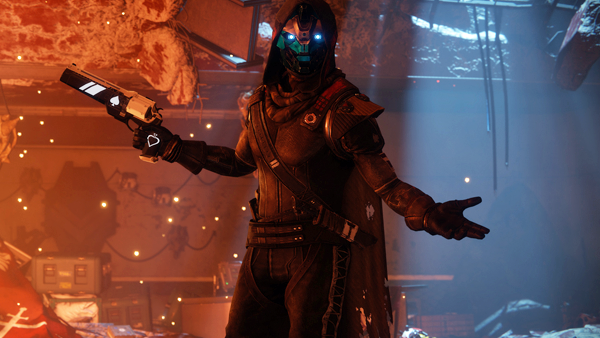
The original Destiny was by no means a bomb with critics, but it didn't enjoy the scores that many expected it would in the weeks leading up to its release. Despite the problems surrounding Bungie's new game, nobody thought the reaction from critics and players would line up as much as it did, with the same issues being shared between the two groups.
Destiny 2 is an entirely different story however, with the critics praising the game as a huge improvement over the original while players struggle to come to terms with the half-measure of a shooter they've been given.
Although fans have enjoyed the renewed sense of adventure and narrative coherence at the heart of the single-player story, some have still viewed it as a disappointment, not living up to what fans know Bungie is capable of creating.
Likewise, the rest of the title has been accused of essentially being Destiny 1.5 rather than a true sequel, hitting the same beats and gameplay loop from the first game without adding anything truly revolutionary to the mix and ultimately not being worth the three-year wait.
6. DmC: Devil May Cry

Metacritic Score: 86
User Score: 5.1
In a way, DmC never even had a chance of being well received by fans. Ever since it was announced, the reaction to this rebooted version of the classic hack-and-slash series was defined by outrage and ridicule, with longtime fans taking umbrage with almost everything the new title changed from the previous game, but in particular hating the new emo look that protagonist Dante was sporting.
They were partly right to be so annoyed, as there was no real reason to throw out the history that had defined the stylised fighting games until then, and it was a clear attempt to make the distinctly Japanese title more appealing (read: generic) to a mainstream American audience.
However, a good game still lurked underneath those design choices, with DmC's combat being just as complex and rewarding as it had ever been before. You can understand why critics enjoyed it much more than longtime fans then: the core of the demonic brawler was amazing, it was just everything on top of it that was questionable.
5. Dragon Age II

Metacritic Score: 82
User Score: 4.5
After releasing the double whammy of Mass Effect and Dragon Age: Origins, Bioware cemented themselves as one of the most beloved developers on the planet. Creating one masterpiece after the next, despite being acquired by EA fans were confident that the studio could continue to ride out their creative peak regardless of who their owners were.
Then Dragon Age II happened.
A clear victim of a rushed schedule, instead of sticking to the grandiose scale of the original game, the sequel swapped an ambitious story and a large game world for something far more character driven and restricted. Taking place over the same few city courtyards and repeated dungeons, the RPG lacked the variety and imagination that made the first release such a smash hit, only being notable for being yet another drop in the fantasy game bucket.
While the title wasn't enough to completely tank players' confidence in Bioware, it was enough to make them cautious, and set a disastrous precedent for their sequels going forward.
4. Evolve

Metacritic Score: 76
User Score: 4.3
Before it released, 2K was hyping up Evolve to be the next big multiplayer phenomenon. Back when developers thought they could get away with releasing barebones online shooters, the whole industry had no reservations about the title setting a dangerous precedent for all games that would follow it.
As soon as Evolve released though, pretty much every player who picked up the shooter ripped it to shreds. Accused of selling a promise rather than an out-the-box experience, the focus on microtransactions, pre-order bonuses and season passes showed the title's true colours long before players got their hands on it themselves, with those fears being confirmed on launch day.
Not only was the multiplayer title lacking in content, but the actual core gameplay itself wasn't strong enough to court any sort of playerbase. Spending 10 minutes trying to find a player hiding as the monster just wasn't fun, and dumb teammates often meant that even when the action started, you'd pray for it to be over as soon as possible.
3. Street Fighter V

Metacritic Score: 77
User Score: 3.6
After waiting years for a true follow up to Street Fighter IV, a sequel finally dropped in 2016 exclusively for PS4 and PC. Unfortunately, Capcom hadn't learned from their fighting game mistakes and delivered a product that was more of a starting point for a sequel rather than the full package.
That may have been fine if the intent was communicated properly before release, but players had waited eight years to get their hands on a new game, only to be told that they'd have to not only wait for it to be finished, but pony up more money if they wanted the full experience.
Launching without key features and systems that fans expected from any fighting game never mind a series of this calibre, the fifth entry in the iconic franchise was attacked by players when it first released, and has only slightly won back their support in the months since.
2. Modern Warfare 3

Metacritic Score: 88
User Score: 3.4
Pretty much every Call of Duty has received a kicking from users on Metacritic regardless of whether the game was actually any good or not, but the one time the bombing of the score was justified was with Modern Warfare 3.
The first sequel after the founders of Infinity War left to form their own company, the finale to the world-changing FPS franchise lacked the heart and the creative spark that made the first two shooters in the series so special.
It capped off the story in a relatively satisfying way, but technical shortcomings and rote set-pieces made what should have been a heart-pounding finale feel like a footnote bolted onto the previous Modern Warfare games.
Likewise, the multiplayer is probably the worst in the entire series, repeating weapons, perks and equipment from previous games without adding anything new to the table. The map design was also terrible, resulting in constant cheap deaths that led to a rage quit almost every round.
It was the first major misstep COD made, and only a few releases in the franchise have sank as low since.
1. Star Wars: Battlefront 2
Metacritic Score: 78
User Score: 0.9
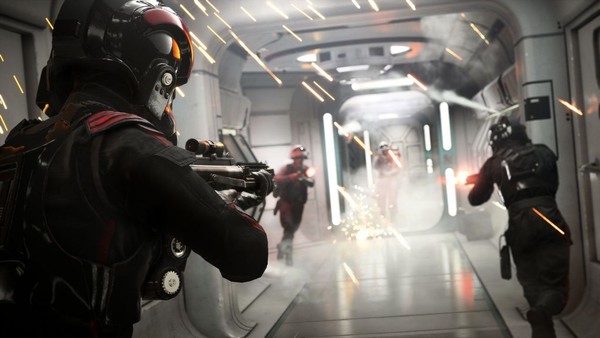
Despite not even being out for the majority of players (at the time of writing), Battlefront 2 has already received a kicking from fans picking up the game early.
With their ire being primarily focused on the insidious free-to-play mentality that's haunted the shooter for the past few months, EA's desire to hoover up as much money as possible from players rightfully hasn't gone down well, leading to a huge backlash surrounding the Star Wars title.
The criticism isn't entirely focused on the business side of things though, as players are just as annoyed with the incredibly disappointing single-player that was hyped up so much in the lead up to the sequel's release.
Clocking in at around five hours max and apparently not even sustaining a compelling gameplay loop for the whole duration of that paltry runtime, players' first look at a true Star Wars story from EA has completely underwhelmed, only fuelling the outrage surrounding the sequel.
Consequently, despite having so much promise when it was first announced, Star Wars Battlefront 2 might end up being even more disappointing than the original was back in 2015.