10 Divisive Video Game Sequels That Deserve A Second Chance
So when can we admit DmC was actually amazing?

You shouldn't envy anyone with the job of creating an anticipated video game sequel. Sure, it's obviously exciting and rewarding to be in charge of a franchise people care so much about, but the tightrope walk of pleasing fans with a follow up that respects what the series is loved for in the first place, while trying to do something new and keep things creatively interesting, is undeniably difficult.
As the annualised Assassin's Creed saga proved, a video game franchise needs to grow and change in order to keep players interested, but trying to reinvent the wheel can also alienate fans who expect very specific things from their favourite titles. Some major names (like Resident Evil, for example) are essentially built on reinvention, but sometimes a franchise might dare to do something different and face nothing but criticism for doing so.
While all criticism is valid, it can sometimes feel like these titles get so much hate because they're not what the fans wanted them to be, rather than what they were. With enough time being put between their launch and now though, and with many of them getting "proper" follow ups that have brought the franchise back in line with what fans expect, it's time to reappraise some of gaming's most experimental sequels.
10. Doom 3

While it's true that, yes, Doom 3 was pretty much a technical demo/showcase for Id software's breathtaking new graphics engine at the time, that doesn't meant that's all the sequel is. In fact, the devs crafted a pretty solid horror experience that made the best use of this new technology, awarding the game with a markedly different - and far scarier - atmosphere than the shooter series had ever enjoyed before.
It was a far cry from the heavy-metal inspired shoot-em-up anarchy of the previous releases, but this third game still delivered solid firefights while revelling in more survival-horror inspired influences. The new approach split players and critics down the middle, as while almost everyone praised the technical side of the experience, they were more unsure as to where the franchise would go next, and whether or not the series would just become another corridor shooter at a time where everyone was pumping out bland corridor shooters.
Even today though, Doom 3 still holds up, and now that the franchise has returned to its power-trip roots, can be enjoyed as the cool little experiment that it was.
9. Mortal Kombat Vs. DC Universe

Back in 2008, Mortal Kombat vs. DC Universe felt like a slap to the face of anyone invested in NetherRealm's fighting series. Stripping away the gore and pitting these iconic ninjas and sorcerers against the likes of Batman and Superman, the entire project felt doomed to appeal to fans of neither franchise.
While the project was certainly strange, and the MK side of the roster did feel a little neutered with a T Rating, it was still a surprisingly solid fighting game. Even better, it kind of acted as a trial run for what the developers would later go on to do with the all-superhero Injustice series, as they figured out how to do large-scale comic-book fights that looked flashy and fun, but still retained a strong sense of weight and physicality here.
Also, it was admittedly awesome to see Scorpion throw down with Bruce Wayne, no matter how ridiculous was. It's far from perfect, and was the thing that broke the camel's back in regards to MK's increasing bloat and creative missteps, but if it wasn't for this game, neither Injustice nor Mortal Kombat would be anywhere near as good as they are now.
8. DmC: Devil May Cry

DmC was doomed before it even came out. Capcom had put a new developer in charge of expanding the appeal of their spectacle fighter franchise, which resulted in this needless reboot that discarded all the lore and characters fans had invested into, in favour of a more modern, Western interpretation. While a lot of the backlash gets pigeonholed into fans complaining about Dante's reinvention as a whiny hipster, the main complaint was mainly that the series wasn't in need of a reboot at all.
And that's fair; despite how ridiculous the series was (at a time where the industry at large was moving away from the wacky Japanese stylings of the previous DMCs), there was a way to make the characters and stories work, as the recent Devil May Cry 5 has proven.
However, when taken in isolation, and not as a title intended to replace a version of the franchise people loved, DmC is a supremely solid action game. The combat, while slightly simplified, is still as meaty and nuanced as ever, while the hellscape aesthetic continually throws visually-impressive arenas at the player for them to fight him. Even Dante himself, in all of his Hot-Topic glory, can be enjoyed now that he's not the Dante.
7. Resident Evil 6
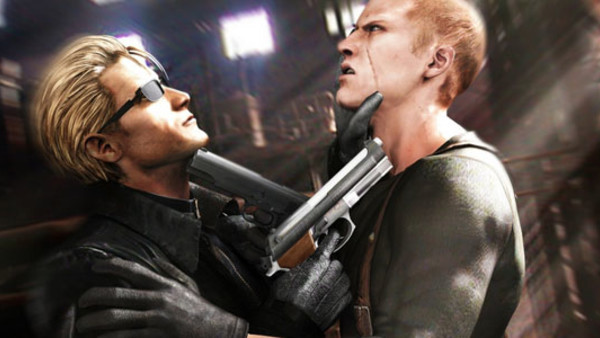
In the same vein as DmC, Resident Evil 6 received particularly harsh hate more so because of what it represented for the franchise as a whole, rather than its own individual merits. At the time, it was indicative of how far the series had come from its unassuming survival-horror roots, bloated to the point where it was trying to appeal to everyone, and subsequently appealed to absolutely nobody.
And the game does have its fair share of problems, particularly in its copied-and-pasted content across its four campaigns, and is undeniably worse than a lot of the other mainline entries in the series. That said, though, there's just as many things Resi 6 gets right, and as an action game it's a whole load of fun.
Each campaign brings something unique to the table, while the litany of new and old monsters littering the screen keeps firefights intense and a total blast. Of course, everything is better with friends, but Capcom's sequel capitalises on its co-op focus in a way Resi 5 never did, built from the ground-up to promote the idea of two players slogging through each campaign together.
It's not the best Resident Evil game, but it's still more than worth your time.
6. Wolfenstein
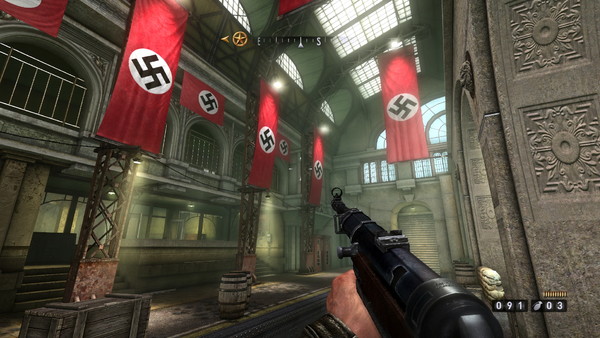
While Wolfenstein is back on top thanks to The New Order and The New Colossus both soft-rebooting the franchise, there was actually an attempt to bring the seminal shooter series back to life in 2009, from Activision of all publishers. Titled simply "Wolfenstein", the game picked up (as always) with B.J. Blazkowicz on the hunt of Nazis in WW2, who are this time looking to harness a supernatural power and open up the "Black Sun" dimension.
The previous titles had always been interested in the Nazi's pursuit of the occult and the supernatural, but this 2009 game embraced that element wholeheartedly, delivering an enjoyable WW2 shooter with a cool twist. It didn't exactly break new ground, but it was a worthy entry in the series, and genuinely tried to do something new after the IP had languished for a few years.
Dropping at a time where 1940s shooters were poison to the industry didn't help it garner any fans though, nor did the middling reviews, and the game launched to a shocking 100,000 sales in its first month. Activision subsequently dropped the IP entirely, which led to another reboot five years later.
5. 50 Cent: Blood On The Sand

As silly as it sounds, 50 Cent: Blood on the Sand, a third-person shooter starring the titular rapper from the late 2000s, is actually a whole load of fun. Expectations weren't high, with Fiddy's first video game outing, Bulletproof, being a turgid, repetitive mess of a release, but this follow up kicked all the self-seriousness aside in favour of transforming the recording artist into a Rambo-esque action star.
Swapping the criminal underground of New York out for a nameless Middle Eastern country (a shameless way to riff on the setting all popular shooters used at the time), the premise of Blood on the Sand is incredible. The gist is that 50 Cent and the G-Unit are booked to play a gig in this country, but when the promoter can't pay them the $10 million (in cash) they're owed, they end up involved in the diamond trade and on the receiving end of a terrorist organisation's might.
It's completely bat***t, and while the combat itself is nothing to write home about (though it is still solid), every disparate element comes together to create a surprisingly enjoyable arcade shooter. It's just a shame nobody, perhaps rightfully so, gave it the time of day back in 2009.
4. Homefront: The Revolution

Homefront 2, like the original, was criticised for squandering a brilliant premise. Unlike the original though, it wasn't a lack of creativity or ambition which killed it, more the sheer amount of bugs and glitches the game launched with. During its first few weeks, the sequel was almost unplayable, because if crashes weren't halting your progress, it simply wasn't fun to play as the A.I. would freak out and start clipping through the floor.
It wasn't ideal, and it did result in a terrible first impression, but once all those issues were patched out, the sequel could actually shine for the mechanics that were there. Moving away from the linear corridors of the first title, Homefront 2 dropped players into a huge open world, tasking them with joining a liberation group and fighting back against the tyrannical invading army.
Its mix of sandbox stealth and all-out war admittedly made it play very similar to other franchises like Far Cry or Crysis, but it was the idea of being on the back foot and part of a resistance that really elevated it to more than the sum of its parts.
3. Watch Dogs 2

Watch Dogs 2 was always going to be a difficult sell. While the first was one of the most successful Ubisoft launches ever, the hype far eclipsed the quality of the end product. The hacking systems were sound, but the release was overshadowed by accusations of visual downgrades and criticism aimed towards the story's overly-serious tone. The IP was still salvageable, but it was clear that the developers needed to reshape it into something which lived up to that initial excitement.
In came Watch Dogs 2, a game which attempted to swerve away from the seriousness of the first release in favour of a wackier, more colourful set of characters. Each member of the new cast was as cliched as you'd expect, but at least they had actual personalities and were fun to follow, and if you could overlook the internet humour, had genuinely compelling arcs to watch play out.
The gameplay itself was also more refined, with it being inherently funner to hack your way through San Francisco and cause a little bit of mischief along the way. It wasn't perfect, but it should be given some credit for righting a ship which could have totally sank - it's just a shame so many people abandoned it completely after being so disappointed with the original.
2. Call Of Juarez: Gunslinger

Despite being one of the few Wild West franchises at the time, the Call of Juarez games never really enjoyed all that much success. The original was something of a cult hit, and its more polished sequel received a bigger push but failed to make many waves.
By the time the third game rolled around, everything unique about the series had been dropped, with the developers swapping out the Western setting for a contemporary time period and a story about a drug cartel.
Though that killed the franchise off completely, there was one final game which followed, an arcade title which returned to the Wild West. Despite the odds, Gunslinger, which adopted a new cell-shaded visual design and focused primarily on small, isolated arcade levels where you had to rack up points with fast, accurate shooting, was perhaps the best game in the series.
It was the meta narrative which made it something special, though. The idea was that you were playing through the stories of a legendary gunslinger, with his exaggerations and recollections shifting the game world as he narrated his life to someone else. It added a unique, surreal element to the story where you couldn't trust anything you were doing, a feature which more releases absolutely need to rip off.
1. Dark Souls II

It's not a hot take to say that Dark Souls II is viewed as the blight on the entire Soulsborne franchise. Not directed by Hidetaka Miyazaki, the sequel made some rather contentious changes to the original's systems, from how hollowing and bonfires worked to a new focus on groups of enemies and a world which wasn't intricately connected in the same way as the areas surrounding Firelink Shrine.
To its biggest detractors, there are even claims that it shouldn't be viewed as a "proper" Souls game at all, which is total hogwash. While, yes, not everything DS II tries sticks, it's also not the half-baked, broken cash grab it often gets pitted as.
For every "criticism", there's always a flip side. Sure, the world geometry doesn't make total sense, but the maps themselves are beautiful and surreal; yeah, the lock on kind of screws you when fighting a bunch of enemies, but not relying on it awards you with a sense of freedom in combat you might not have been inclined to experiment with otherwise.
It probably won't be anybody's favourite in the series, but it more than deserves a spot alongside its brothers and sisters - especially with its stellar DLC in mind.