10 Largest Grossing Video Games That Are Just Soulless Cash-Cows

The video game industry isn't 100% gamer-oriented anymore. This multi-billion dollar industry is in it for the cash.
The video game industry isn't 100% gamer-oriented anymore. This multi-billion dollar industry is in it for the cash. We've all played games where unfortunately we've just wished we would've saved our money. You get that bitter taste in your mouth after you realise you've been duped out of anything from £1.99 to £60. Whether it's after buying a new game from the store, a digital version on your console, or a usually regretful expansion. It's sad that it happens - and downright infuriating - but it does. You can see all kinds of examples when browsing online - those ads all over websites that feature stolen art assets. I've got 10 of the biggest games that fall guilty, starting with...

10. Call of Duty (Activision)

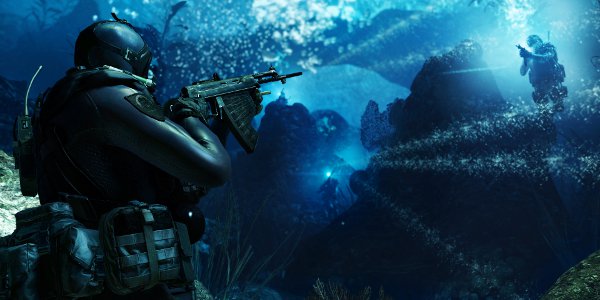
Now, I used to like Call of Duty, as I'm sure most did, it revolutionised first-person shooters. However when you get a game released each year that is practically the same every time, there's no point. They're redundant releases that are milking every drop they can out of the series - until nobody likes first-person shooters anymore, and then they'll move on to something else. Call of Duty has become "that game" which is hated all over the internet, but still breaks records when it goes on sale. So you're all hypocrites...including myself. We suck, I hate us.

9. Angry Birds (Rovio Entertainment)

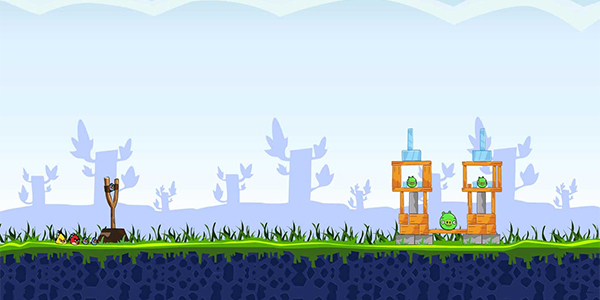
Angry Birds was released in 2009 on iOS devices €“ for 99 pence. The developers, Rovio Entertainment, then went on to create seven different editions; one in 2010, one in 2011, three in 2012, and two in 2013. It may surprise you that the game didn't really change. The story is the same - besides changing the looks of the characters- and fitting the "story" to the characters' new design. They went on to port the game to computers and home consoles €“ and sold those for fifty times the original (ninety-nine cent) price on new Playstation 4 and Xbox One consoles. But it's not just the expensive port versions (that are literally exactly same as their mobile counterparts), it's the plush dolls, the countless books, and an upcoming full-feature film in 2016. I can only imagine the awfulness.

8. FarmVille (Zynga)

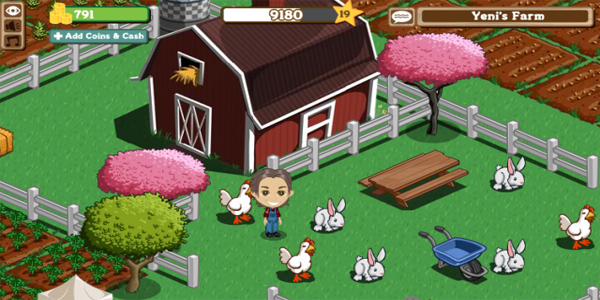
FarmVille is one of the most popular games on Facebook, but is rapidly losing it's rank; currently ranked #44 Most Popular. FarmVille is a great game if you can get past the tedious chores, don't mind coming back to the game every couple hours to harvest and replant your crops, and don't care to spend money to advance in a timely manner. The game is initially free, but you're likely to lose interest in it before reaching an advanced stage without spending any real money for the in-game credits that are used to purchase decorations, animals, buildings and crops. The fact that this game was able to move from Facebook to anywhere else is even more ridiculous. Children have enough toys and games, we don't need anyone partnering with Hasbro to add more useless clearance items.

7. Madden NFL (EA Sports)

Whilst the Madden series has changed quite a bit over the past twenty-five years...it hasn't changed enough. Since then, EA Sports has recorded over $3 billion in total sales - that equals $120 million per year, or $10 million per month. The reason isn't that the game is extremely amazing, or that the quality has exceeded what consumers expect every year. It's because it's the only American football game available; not to say there haven't been others, but this is the only one that has put out an annual release for the past twenty-five years. The reason for that is because Electronic Arts has enough capital to take a loss on a game and still be able to push out another one a year later, unlike 2K Sports. And they will continue to do so until enough people are sick of the bugs and glitches that are just as inevitable as the annual release.

6. The Sims (EA/Maxis/The Sims Studio)

Okay - so the Sims is a decent game, and it does offer new features when it releases new instalments. But have you seen the list of expansion packs - or the number of devices that you can play it on? The Sims released in 2000, and two years later became the best-selling PC game of all time. The Maxis team then went on to release seven expansion packs over the next three years. The Sims 2 released in 2004, and following it came eight expansion packs and 10 "stuff" accessory-packs. The Sims 3 released in 2006, and released thereafter were 11 expansion packs and nine more stuff-packs. The games retailed around £40-£60, the expansions at £20, then the accessory packs at £15-£20. Not to mention the Sims have been released on Mac, Windows, Xbox 360, PS3 , DS, 3DS, Wii, Android, iOS, and Windows Phone. That's a lot of money. They've sold over 100 million units since 2000. And with The Sims 4 coming out later this year, don't be surprised to see more on every single one of your devices.

5. Saints Row (THQ)

When THQ first "came up" with this idea, it was supposed to be a game that would be able to compete with Rockstar's Grand Theft Auto, even though they denied that claim. But what happened was much worse. At first, people were excited about the idea of having two games that were somewhat similar but still had their individual styles. What people ended up getting after Saints Row 2 was a bunch of hogwash. The developers got this idea in their head that people enjoyed the stupid antics like bats that looked like dildos. The series' main character went from being a nobody gangster, to President of the United States in Saints Row 4, because why not, apparently. The developers milked every ounce they could, and it eventually led to their downfall, and a deceleration of bankruptcy. Unfortunately for us gamers, the IP was sold, so there will probably be more of this nonsense in the future.

4. MLB 2K (2K Sports)

Nothing has been worse in my video game lifetime than to watch this series struggle to stay relevant (it's not anymore) throughout the years, beginning in 2004 as ESPN Major League Baseball. What happened over the next nine years is uncertain. From a gamer's standpoint I can tell you, the only reason copies were sold, is because it was the only option for baseball fans that didn't have a Playstation. Throughout it's life MLB 2K continued to release poor quality baseball games. Each installment was either the same as the year before, or worse (2k9). But without other options for gamers, 2K Sports kept raking in the money from sales. Their license was not renewed for the 2014 season, leaving gamers (besides Playstation owners) without a baseball sim...and to that I say 'Good riddance, 2K'.

3. Guitar Hero (Red Octane/Harmonix/Neversoft/Activision)

Guitar Hero was an excellent game - it caught everybody off guard, and had people swarming after it. It traded hands a few times, ending with four different developers having worked on the game at some point, and two different publishers. But when Activision took over in 2006 they got greedy (as usual) and began releasing more spin-offs and annual sequels than people could keep up with. Let's see: Guitar Hero released in 2005. Guitar Hero 2 released in 2006. Guitar Hero 3 released in 2007. Guitar Hero: World Tour released in 2008. Guitar Hero 5 released in 2009. Guitar Hero: Warriors of Rock released in 2010. Oh, you thought we were done? Like those six would be it, huh? Wrong. Those are just the "main" title releases, there are plenty of expansions. Guitar Hero Encore: Rocks The 80s released in 2007 Guitar Hero: Aerosmith released in 2007 Guitar Hero: Metallica released in 2009 Guitar Hero: Smash Hits released in 2009 Guitar Hero: Van Halen released in 2009 Those aren't even including the mobile phone versions. But you can see how fast it died, and how Activision was relentless in getting their money as fast as they could before killing the series.

2. Medal Of Honor (DreamWorks Interactive/EA)
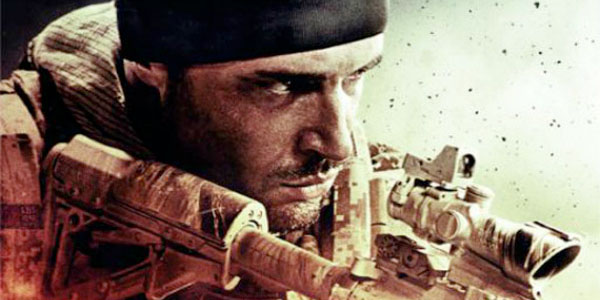
We're all quick to point out what Activision, Infinity Ward, and Treyarch do each year is "wrong" - but there was once a time when it wasn't them - but rather EA and Medal of Honor. EA has been doing the same thing for years - since I was just a pup - and everybody forgets about that. But let us not, let us remember their greediness and their ways of series-killing just to get a couple extra bucks before letting something that people once enjoyed die. Medal of Honor first came to us in 1999. Since then we've seen 15 sequels. Had they released it annually, it would be one game per year like some other game that now does such a thing. But, they didn't have a release schedule of annual games, they just kept pumping them out until they ran out of ideas. Take a look below:
You don't even need to read it, just look at all the links. And they were trying to make a comeback with the game, which is sad. I can remember being a kid and playing Medal of Honor, and having a blast. However they got carried away, with more games coming out than what could be afforded. Sickening.

1. Train Simulator (RailWorks/Paul Jackson)

The king of all greed - Train Simulator - which sells for £55 and has more than enough expansion packs to keep you busy, while simultaneously draining your bank account. I don't say that sarcastically, there is nearly £3,000 worth of locomotives and routes for you to purchase. Seriously? Over $3,000 for various train models and tracks/locations? Take a look at a cutout of some of the DLC available:
You can tell an awful lot about a video game company by their business practices. You can discover things the hard way when you realise that instead of allowing you to download things for free, you're going to have to buy them, and it could set you back hundreds or thousands of dollars. Or, you can research those games, figure out if the developer/publisher has your best interest in mind or if they're just looking to make away like bandits, as all of these on this list have done. Comments, questions, insults? Leave them below!

Contributor
Contributor

Dylan likes comedy movies and video games. Neither of which he can enjoy because he's married and has two children.