10 Reasons Video Games Are The Hardest Thing To Write

J. J. Abrams doesn't know he's born.
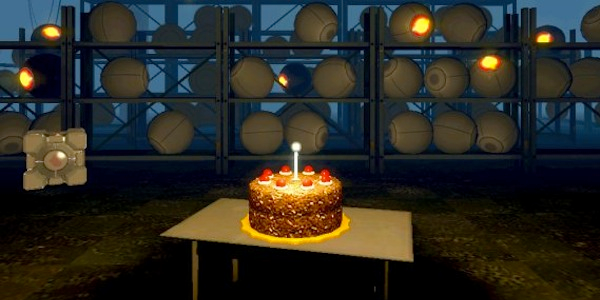
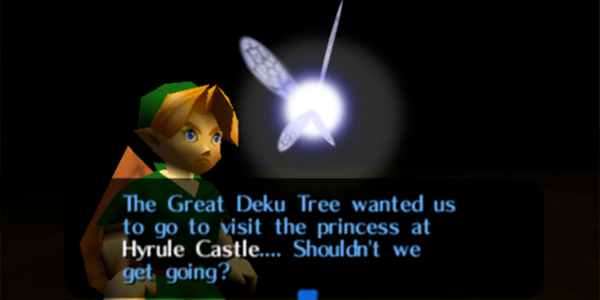
Everyone has their favourite quotes. Maybe it€™s a line from an emotionally-gripping scene in your favourite movie or that one joke from The Simpsons that could reduce you and your friends to giggling morons weeks after you first heard it. Perhaps it€™s something you read at school that managed to cut through the tedium of rote learning and stick with you, or that one €œtimey-wimey€ speech. Whatever the source, it probably doesn€™t take more than a moment€™s thought for you to remember your favourites and why you like them so much. Trying to remember your favourite quotes from video games, though? That€™s another matter. There are loads of memorable game quotations €“ the sort that you see plastered across T-shirts €“ stretching back to €œOur Princess is in another castle!€ and beyond, but we don€™t make reference to these lines because they€™re brilliant writing. Instead, we use them as proof of our gaming credentials; you played Super Mario Bros and if someone recognises the quote, they know you€™re old-school. Otherwise, if a game gets quoted it€™s usually to poke fun at it €“ mocking some mangled translation, cheesy dialogue or terrible voice acting. All of which begs the question: why, when modern video games have blockbuster budgets and professional actors as standard, do we still lack a shared culture of brilliant video game dialogue? Why are games as witty and quotable as Portal the exception rather than the rule? Most people assume it€™s second-rate writing that€™s to blame, or that the game team didn€™t really care about the story. While it€™s true that depressingly few game writers have prior experience, there are also a bunch of unique challenges in video game narrative that even veteran storytellers struggle to deal with:

10. Hours Of Chatter

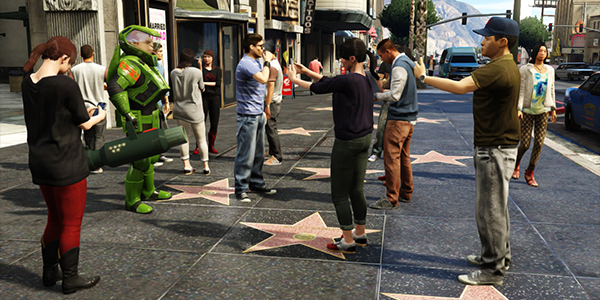
Chatter, known more generally as incidental dialogue, is the stuff you hear from minor characters as you€™re pelting around Liberty City or checking out a passing Asari in Mass Effect. It€™s pretty much crucial in any game where you can wander around at your leisure, because there€™s something really creepy about seeing dozens of passers-by tromping along in an oppressive silence, but writers like to take advantage of chatter to help flesh out the game world. Chatter can expand on plot details that are too complicated or unwieldy for a cinematic, bring some humour to the game and add depth to minor characters. Unfortunately, dialogue like this tends to be dreamt up without a full appreciation of everything that can go wrong once you drop these characters into the game, and just how much additional work it€™s going to introduce. Can you attack or kill these characters? If so, they€™ll not only need screams and pleas for mercy, you€™ll also have to pen an alternative to the witty banter you€™d scripted because one half of your comedy duo is currently trapped under a Porsche. Did the game introduce choice of gender? Every line with a male pronoun now needs a female equivalent. You can€™t say €œgood evening€ if the game has variable times of day, and you can€™t talk about a particular landmark if the character can crop up anywhere. Oh, and you€™ll need at least five variations of each line so that the player doesn€™t hear the same dialogue over and over. As the writer, you€™ll need to serve up hundreds of carefully-neutered pieces of chatter, trying to avoid repetition but knowing you can€™t risk saying anything specific. You€™ll write way more chatter than any other type of dialogue, but you€™ll be proud of practically none of it.

9. Where€™d My Level Go?

Even when you€™re an integral part of the development team, you might not always be around when some of the hard choices get made. Decisions to cut additional modes, game features or even entire levels are normally tense conversations between designers, producers and PMs, with everyone trying to juggle the numbers to avoid having to wield the knife. If you€™re a dedicated writer, chances are you won€™t hear that a part of the game is under threat until it€™s already gone. If you€™ve seen any form of game bible or documentation, you€™ll probably have tried to match your story beats to the size and structure of the game €“ you don€™t want six hours to pass with no plot developments, after all. For a writer, the consequences of these cuts can be disastrous; let€™s say level 2 was a moment of introspection in the desert where your protagonist meets a gruff father figure; it€™s their conversation that convinces her to join up with the rebellion. That level no longer exists, but the conversation still needs to happen at that point in the story, so it€™ll have be crammed in at the start of level 3€ which, unfortunately, opens with the protagonist jumping out of a plane. You can stick a filter over the dialogue to make it sound like it€™s happening via headset, but you€™ve lost the emotional impact of the scene. A lot of sudden character shifts, odd plot-holes and rushed exposition in games happens not because the writer doesn€™t know how to write, it€™s because chunks of their story are getting ripped away as a result of the development process. Scenes are cut from film and TV too, of course, but there you have a team of editors and producers working to sew the story€™s wound closed. In games, the writer€™s often left alone with a needle and, if they€™re lucky, a stick to bite down on.

8. Conflicting Deadlines

If you wandered up to a film€™s composer, handed them a copy of the script, and suggested that they crack on because you€™d only hired the orchestra until the end of the week, you€™d almost certainly leave the studio in intimate possession of a musical instrument. The idea that the film would be scored using anything other than a damn-near-final print would be considered preposterous. In games, these kinds of crazy deadlines are common, and they often hit writers the hardest. Unlike films, games can launch simultaneously in over a dozen languages, each of which needs to be first translated, then recorded, then edited and mixed. It€™s a sequence of events that routinely takes months, and it requires the script to be finalised and locked down so that any change doesn€™t have to be hastily replicated by a team of people who might well have moved on to the next project. Hitting a deadline can be tough, but that€™s not the problem with trying to lock down the script - you€™re probably trying to clarify the details of something that only partially exists. If you need to write finalised instructions for how to drive a tank, and that tank hasn€™t been designed yet, how can you possibly proceed? One solution is to use a lot of €˜alts€™ €“ alternative takes that swap out the key details, like which button fires the tank€™s cannon, and maybe a generic safety line that works whatever the circumstance. Alts cost time and money to record, so writers can be forced to fall back on generic dialogue and vague instructions €“ these lines are often clunky but at least they€™re not flat-out wrong. Sometimes, that€™s as close as you€™re going to get.

7. Script Standards

If you€™ve ever tried your hand at writing a script or a screenplay, you€™ll likely have been both baffled and annoyed by all of the arbitrary rules you have to follow. Margins of particular widths, capitalised words seemingly at random€ film, radio, stage and even different types of TV programme all have their own unique formatting standards. The rules are so numerous and fiddly that professional tools like Final Draft rake in the money each year. Learning that games have no unified script formatting, then, might sound like glorious freedom from the tyranny of the TAB key, but it€™s an anarchy that€™ll come back to bite the writer sooner or later. For starters, some bright spark (I€™m looking at you, programmers) might have decided it€™d be super-efficient just to enter dialogue directly into the game using a scripting tool or some XML, in which case there probably isn€™t a simple way to pull it all into one printable document. Having bagged Samuel L. Jackson for your game, you do not want to be the one presenting him with a mess of code-riddled dialogue to read, so you€™re going to be picking out the tags by hand the night before the recording if you€™re not careful. That being the case, you might have decided to keep your script in a more traditional style, particularly if you€™re used to formatting tools, but even this is a risky approach. Traditional scripts will buckle under the weight of all the chatter, alt lines, notes and context that needs to be given €“ and actors won€™t thank you for drowning them in paper, either. As the writer, your best bet is to talk to the recording studio as early as possible and find out how they like to work. Either way, you can look forward to a lot of tedious copy-pasting that€™ll make you long for the clammy embrace of Final Draft.

6. Skippable Cutscenes

There€™s a special circle of hell reserved for people who skip or otherwise ignore a cutscene and then complain they don€™t understand what€™s going on. Unfortunately, writers happen to work there. If you€™re the player, even if you€™re enjoying the story, there are a lot of reasons to want to skip a cinematic or a lengthy conversation. It might be that you€™re replaying the game and trying to get to a particular section, or perhaps you just lost some progress after a bad save. Either way, you don€™t particularly relish having to sit through it all again. Making your cinematics skippable may be a smart design choice, then, but it also incurs the wrath of the writer. This isn€™t necessarily because you€™re dealing with a pretentious diva, although that€™s entirely possible €“ rather, if they€™d known ahead of time that you could skip the cinematic, a smart writer would have planned for that and written some dialogue to help keep impatient players on track. Most writers are all-too-aware of that peculiar breed of gamer who€™s hardwired to hammer buttons and ignore anything that isn€™t gameplay, even if (or perhaps because) they€™re enjoying the game. It€™s for that reason that the first line of dialogue once play resumes is normally a summation of what you just saw €“ this can feel a bit clunky, but it€™s one of the many situations you have to consider when trying to tell a story in a medium where the player€™s used to going at their own speed.

5. Branching Plotlines, Failure And Death
Remember that great moment in Avengers Assemble where Hulk repeatedly smashes Loki into the floor before declaring €œPuny God!€? It got a big laugh in the cinema, but if the audience had seen that smackdown twenty times because the next thing Hulk had to do was jump over a particularly obnoxious lava pit, it€™s doubtful there€™d have been anyone left around for the shawarma scene. When a player has to repeatedly sit through the same dialogue, anything you€™ve written €“ regardless of how impactful or amusing it was the first time €“ is going to leave a sour taste.Games writers need to be continually mindful of how and where their dialogue is being used so that they can shape it accordingly. Making sure to put jokes before checkpoints rather than after so that they€™re not heard ad nauseum, and writing short versions of lines that play if an area€™s visited repeatedly, are tricks that help prevent the script from becoming obnoxious €“ and aren€™t things that film and TV writers normally have to think about. On the other hand, if a game features branching plotlines or dialogue trees, the writer needs to be incredibly vigilant to make sure that vital information is seen at all. Writing believable dialogue in branching games is tough, especially if the player€™s allowed to travel down a good or evil path. You€™ve normally got just one shot at establishing a character, even though they could be talking to a latter-day saint or a mass-murderer, and you€™ve no way of knowing which. Keeping track of all possible choices the player could have made at that point, and sculpting characters€™ attitudes so it feels like those choices actually mattered, can be a full-time job in and of itself.

4. Pacing And Length

There€™s an old rule of thumb about working with scripts €“ one page equals one minute of screen time. It doesn€™t really stand up to scrutiny, but it€™s symbolic of a world that has tried-and-tested rules for how long you€™ll have to tell your story and ways to make best use of that time. Look to the gaming rulebook and you€™ll find the pages mostly blank, or occasionally written in tears. It€™s hard to predict how long your game will take to complete; huge differences in playtime can and do occur because different players have differing levels of skill. As such, it€™s almost impossible to try and impose a framework - even a simple three-act structure is tricky to map onto a game. Why does this matter? Well, no-one wants to write a story that drags on at a glacial pace or feels unsatisfyingly rushed, of course, but gamers also have the annoying habit of wandering off at random times to eat and sleep. As a TV writer, you can be fairly certain that your audience is advancing through the story at roughly an hour per week. If it€™s a movie, you know they€™re likely to see the whole thing in a single sitting. This lets you control your pacing; bringing back plot devices just when they€™ve slipped the audience€™s mind for an effective surprise and spacing your story arcs evenly across a season. Aiming for a similar level of control, games have experimented with the TV model - artificially chopping their stories into chapters and including recaps to help ease gamers back into the plot. Really, though, gaming€™s a new medium and it needs to live by its own rules. Game writers are getting better at pacing, mostly by trial and error, but they€™re a long way from filling the rulebook.

3. Story VS Exposition

We may, finally, be coming to the end of a Dark Age in video games €“ that period in history where people tried to weave basic tutorial instructions into the plot. For a while it seemed that every grizzled soldier or up-and-coming ninja started the day with their superiors putting them through some sort of initiation ritual or combat readiness training that involved walking, pressing buttons and jumping over a bunch of barrels. It€™s not just laborious gameplay, it€™s a terrible opening to a story that you€™d promised was going to be an exciting action-adventure. Fortunately, game designers have wised up to this €“ while games still have tutorials, they tend to be tightly-guarded rollercoasters (making your way through an exploding base or ship is a favourite) where dialogue is used to set up the plot rather than teach you the buttons. It€™s still exposition, but the narrative doesn€™t get bogged down by instructions. Sadly, the rest of the game normally doesn€™t get off so easily. Part of what makes game dialogue so clunky and unconvincing is that it€™s riddled with all the exposition that plagues film and TV, but games need to go one step further €“ they don€™t just have to tell the audience what€™s happening, they have to tell them what needs to happen next and how to go about doing it. It€™s as if Jack Bauer€™s mission briefings had to be both gripping drama AND a fool-proof method for the audience to assemble a set of shelves. Clever game design can give players the thrill of working out solutions without exposition, just like we get a thrill when a hero gets themselves out of trouble in a way we weren€™t expecting. It not only makes the player feel smarter, it allows the writer to concentrate on the plot and not the instructions. Rest in peace, tutorial boot camp, you won€™t be missed.

2. Getting Stuck Derails The Plot

Freeing the player from hand-holding and instructions is a bold approach, but it has its risks. Players may find characters constantly squawking clues into their ear annoying, but it€™s nothing compared to the infuriation they€™ll feel if they get stuck, because that€™s when all the bad things happen at once. In other forms of media, the story continues with or without the audience. It€™s not crucial for them to understand absolutely everything that€™s happening all of the time; they can miss a hint that reveals the bad guy€™s identity or the exact reason someone wants what€™s in the briefcase because there are other aspects of the story to keep them engaged, even if it€™s just enjoying the action, until they catch up to the plot. Games, by contrast, can grind to a halt if something€™s missed. If the player€™s stuck because they didn€™t catch a door being unlocked, forgot about an obscure inventory item, or just find things too tough they€™re going to get irritated pretty quickly €“ nowadays, with a few notable exceptions, we expect games to let us win. Frustrated, the player will break immersion with the game and stop caring about your story. If they quit playing altogether, it might be a while before they return to the game and even longer before they€™re back in the groove and ready to re-engage with the plot. As the writer, there€™s not much you can do other than push for an in-game transcript of instructions and dialogue €“ something for the player to refer to if they do get stuck. Sometimes, you€™ll just have to accept that people aren€™t going to want to hear your story €“ not when they€™re busy falling in acid for the twentieth time.

1. Some People Just Don€™t Care

It€™s sad, but true. There are those people who long to lose themselves in the histories of ancient fantasy worlds, and those who just want to punch dragons. You may have done your best to pen what the publisher described as a €œthrilling interactive experience€, but a good chunk of your audience will hold the €“ perfectly legitimate €“ viewpoint that they€™ve sat down to play a game, not to read a book. It can be a bitter pill to swallow €“ fair enough, not everyone€™s going to like what you€™ve written, but if you were working in film or TV you could at least assume your audience had a mild interest in your work and were willing to give you a chance to impress them. Write for a game and a percentage of your audience starts out as actively hostile towards your efforts to tell a story; you€™ll have an uphill battle just convincing them to listen. People often make the argument that games don€™t need stories at all, and that the most effective ones are told without words. Yet to be a successful game writer, to win over the player and craft a story that deepens their connection to the game, asks far more of you than turning in a script. You€™ll need to find a way to work closely with the game team to help build worlds; everything from the history of the landscape to the way a character dresses can be touched by the writer to help tell a story using more than just dialogue. Times are changing - notable authors like Rhianna Pratchett are talking openly how to write games as games, and their efforts are slowly coming to be appreciated by teams and players alike. Dedicated game writers working as part of teams are, finally, becoming the rule rather than the exception. Writing for games is still difficult, and you€™ll be working in the dark a lot, but at least you won€™t be working alone.

In this post: 
Halo
 
Posted On: 
Contributor
Contributor

Chris has over a decade's experience as a game designer and writer in the video game industry. He's currently battling Unity in a fight to the death.