10 Things You Need To Know About The #GamerGate Scandal

Why everyone is up in arms about video game journalism all of a sudden.
Articles everywhere have sprung up overnight claiming that 'gamers are dead', or 'gamers are killing gamers'. Chances are you€™ve seen one of these articles with whatever sensationalist title they€™ve used to draw you in, but why are people saying this? What does #GamerGate mean? Well, to put it simply, the general gaming public are concerned with the quality and integrity of video game journalism. Much evidence has surfaced over the past few weeks that exposes many gaming journalists have personal ties with the people they sponsor and write about. Type in #gamergate on any social media site (Twitter and Tumblr being the most bountiful) to be flourished with a wave of evidence supporting this. And how have the journalists over at Kotaku and Polygon and the like reacted to this? With interesting and critical analysis of their own practices and methods? No. Fact-checking all the sides of the debate before coming to a reasonable and logical conclusion? No - just pointing fingers at gamers and saying that they are to blame. With this barrage of accusations from journalists and their followers, it can be pretty difficult to find out what GamerGate is truly about. This article should help clear things up.

10. It's Not About Misogyny

It€™s not about gender at all, actually. People have flooded the #GamerGate tag on Tumblr and especially Twitter, strawmanning by claiming that GamerGate is merely a group of misogynists that are unhappy with women in video games. To anyone who€™s actually examined the issue, this couldn€™t be further from the truth. In fact, observations found no blatantly misogynistic tweets or Tumblr posts, what we did see were laments from gamers who are sick to death with being demonised by mainstream media sites. The term €˜misogynist€™ is often tossed around indiscriminately in today€™s social media as a tool to silence someone€™s opinion. Why listen to someone if they€™re a sexist, right? Well, the power of the word has ironically lead to its meaninglessness, so much to the point where €œmisogynist€ can easily translate to €œsomeone who disagrees with me€. Always be skeptical of these sudden accusations unless proved otherwise.

9. Everybody Receives Death Threats

It€™s obvious that being part of the spotlight means you open yourself up to criticism and unfortunately, threats. This is unavoidable and every famous figure has to deal with it. Icons such as Zoe Quinn and Anita Sarkeesian have however used these to their advantage to play victim and get people on their side, rather than just ignoring them. Their followers, in turn often use this to perpetuate the narrative that only women (in this case women in videogames) receive this kind of harassment. Associate editor of breitbart.com Milo Yiannopoulos was recently sent death threats for his article about cronyism and corruption in video game journalism but instead of wearing the insults to look €œbrave€ he simply tweeted:
€œEmail death threat count now in double figures. Things I won't be doing: calling the police, making a video, writing a blog post.€
This exemplifies that fact that you will receive pointless threats if you are an icon regardless of gender and regardless of what you say.

8. It's Not Just Straight White Males Who Are In Favour

The entire narrative of straight white males being responsible for everything bad in the world is tired, illogical, and downright bizarre. However, there€™s a disturbing assumption (that€™s all it is, not fact) that everyone rallying for #GamerGate is male, white and straight. Of course, this is untrue €“ in fact, the participants of #GamerGate are incredibly diverse. Exploring the tags will show that men and women of all ages and races are banding together to expose and fight crooked gaming journalism. Even the extremely controversial feminist, Christina Hoff Sommers posted a tweet in favour of #GamerGate which in turn sparked much encouragement and further tweeting from gamers all over the world. This is the most diverse gathering of gamers on social media there has been in a while.

7. Not All Gamers Send Death Threats And Harass People

This much should be obvious to anyone who realises you can't judge an entire demographic by the actions of a few, but people have used the recent Zoe Quinn controversy - where she received harassment for cheating on her boyfriend with five other guys (one a writer for Kotaku) - to demonise people who simply like playing video games. One person condemning gamers was the not-so-relevant Phil Fish, an indie developer who tweeted €œNuke all gamers€. Real mature. Why would someone whose core audience are gamers say something like that? We don€™t know either. But this detachment from figures in the gaming industry to actual gamers is the core of the #GamerGate movement. Gamers everywhere feel like there needs to be more transparency and less demonising and name-calling.

6. Corruption In Video Game Journalism Is A Real Issue
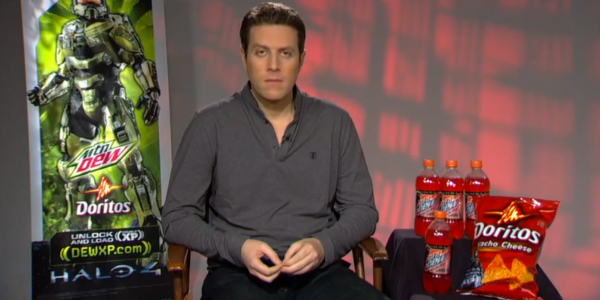
This is more than €œneckbeards getting upset over nothing€, videogame journalists have major sway in what gets recognition and what doesn€™t. However, many of the journalists have been shown to have political biases and connections with what they cover. Evidence of which is circulating Twitter, the /v/ board on 4chan (which have consistent threads about GamerGate, all of which hitting the post limit quickly), certain subreddits and Tumblr. An example is explained in this Youtube video: http://www.youtube.com/watch?v=TgW5NRUfs44 The damage control by the anti-gamergate crowd has ranged from amusing to cringe-inducing. This is because, especially on Twitter many of them have resorted to classic ad-hominem and bullying tactics to try to silence gamers. In the tag you€™ll find the basic €œnerd€ or €œman-baby€, but all this does is make it less possible to take their position seriously. We know it€™s hard to have a constructive debate in less than 140 characters but we should at least try to be mature. Also, to people who like to say "Aren't there bigger problems in the world to worry about?" - you might want to look up the fallacy of relative privation.

5. It's About Separating The Journalist From The Blogger
Gamers everywhere are beginning to question the journalistic integrity of major gaming news outlets such as Kotaku, Polygon and IGN. It€™s become obvious that the interests of the average gamer and the gaming journalist have drifted apart. The logic behind the journalist/blogger idea is that someone who writes incompetently, or is not objective in their reporting, they are not a journalist; but a blogger. This is because at that point the article is mostly opinion and conjecture, not based on facts or evidence. One of the main aims of #GamerGate is to remind and inform the general gaming public that these journalist€™s/blogger€™s words are not law, and that it is wrong to let them paint the gaming community as this hateful, male-dominated, cesspool.

4. Men Don't Want To Keep Gaming A "Boy's Club"
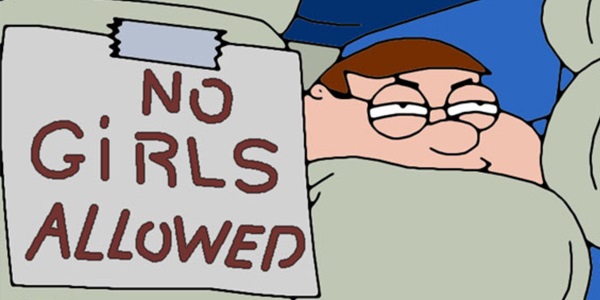
The best way to demonstrate this is with evidence. The Fine Young Capitalists, who were unfortunately dragged into this mess, are an organisation that believes there should be more female game developers. Instead of complaining about the current situation, these people have taken the initiative and created a campaign to get female game designers noticed, which is very admirable. To do this however, required money they didn€™t have, so an Indiegogo campaign was started. On August 22nd they released a pie chart showing the gender ratio between contributors, and 94.1% of them were male. This is strange behaviour from a group that supposedly wants to keep women out of gaming. Furthermore, a large portion of these donations were giving by the videogames board on 4chan, /v/ - which is usually dismissed as a extremely misogynist part of the internet. /v/ even created a very charming little character for the organisation cleverly named Vivian James (Video Games) which has assisted greatly in promoting the campaign, which now has over $40,000.

3. The Competing Hashtag: #DescribeAGamerIn4Words Is A Smear Campaign

The tag is used by individuals who feel the need to provide input on discussions that have nothing to do with them. If you€™re not a gamer, why bother? And if you are, why make fun of yourself? Regardless, the tag is filled with insults directed towards people that simply like videogames. It€™s like a 1990s playground all over again. Apparently name-calling isn€™t as above adults as we thought. Of course, as with most of these types of campaigns, many gamers have taken it and turned it into something more positive and creative. A particular favourite being €œDonates More Than You€, which is referencing the amount of money gamers contributed the Speed Demos Archive€™s €œAwesome Game Done Quick€ charity livestreams. Many gaming sites and Twitter fanatics have tried to smear gamers as hateful, but all the evidence consistently points against them.

2. It's About Negating Censorship

During this scandal€™s infancy, there was mass censorship of anyone or any forum willing to discuss this issue. Mass deletions and shadowbanning were rampant on Reddit with evidence of this being posted via screencaps on many social media sites. Links can be found on Github under €œGamerGateOP€. Another form of censorship is diversion. Many prominent figures in the gaming medium and journalists have stated that the attack of Zoe Quinn was a result of misogyny, while a more accurate and honest portrayal of the issue would be people expressing discontent with her personal relationships, and holding her accountable for nearly ruining The Fine Young Capitalists campaign. There will always be trolls, however - but this is nothing new. At this point it€™s hard to tell whether these individuals are told to turn a blind eye or are genuinely ignorant of what is happening. Either situation is worrying.

1. It's About The Videogames

Gamers want good, interesting, and fun games to play. Recently, there€™s been a rise in more interactive novel-esque €œgames€ (a more appropriate term would be €˜Walking Novel€™). The problem comes from the aggression that€™s faced by anyone who expresses a critical view on them. An recent example would be Gone Home, which is game where you walk around a house examining objects. A lot of critiques suspect that this game only gained the popularity it did was because it dealt with LGBT issues and, despite being able to complete it in 20 seconds, received unanimous praise among videogame journalists (with all disagreements being brushed off as "trolling") €“ well more than a game of that length and blandness should deserve. But what€™s this have to do with GamerGate? Well, the position of €œIf you like/don€™t like this game you€™re a sexist/racist/etc€ has becoming alarmingly prominent in gaming. Gamers are tired of being talked down to by closet-bigot journalists because they dislike pretentious and boring games such as Gone Home and Depression Quest (not saying that games can€™t tackle these issues, but there€™s certainly more entertaining ways to go about it €“ these are video games after all, not books). Prominent feminist Christina Hoff Sommers explains succinctly via Twitter:
€œMost gamers seem to support equality feminism. What they reject is today€™s male-bashing, propaganda drive, female chauvinism. #GamerGate€
What do you make of the whole debacle? Do you feel like the major gaming sites are in bed with developers?

 
Posted On: 
Contributor
Contributor

A creative and professional writing student with a passion for quality games.