10 Times Video Games Got Science WRONG
4. Everything Mutates From The T-Virus...Except Rats - Resident Evil 2
Resident Evil is another video game franchise which doesn't exactly beg itself to be taken seriously, but given that the series starts out with the modest(ish) spread of a biological agent known as the T-virus, it's certainly interesting to consider things from the perspective of actual science.
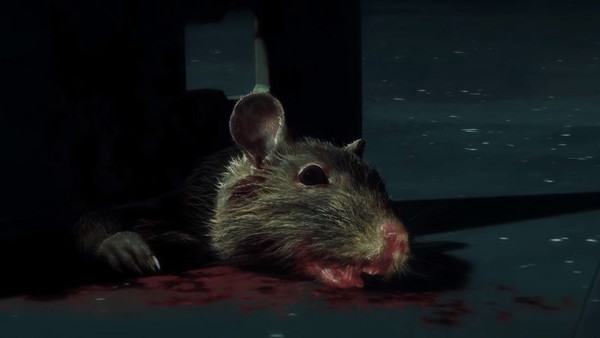
One of the key plot points in the second game is that the T-virus is carried throughout Raccoon City by rats, which are shown licking up the remnants of the virus from the city's sewers and consequently spreading it.
However, rats are also the only infected animals which aren't shown to mutate in some form, seemingly serving only as passive carriers to pass the virus along.
Given the various grotesque animal mutations we've seen across the series, that seems like not only a missed opportunity but also a scientific impossibility. After all, why would rats be spared turning into abominations beyond all other species?
It's been theorised by fans that Capcom may have removed mutated rats from Resident Evil 2 due to Konami's cult classic horror game Parasite Eve, which was in development at the same time and prominently featured mutant rats as a recurring enemy.