10 Video Game Sequels That Utterly Ruined Their Franchises

You're only as good as your last game.
When it comes to established formulas in video games, after a developer manages to nail anything from the feel of a jump to the sensation of close quarters face-smashing combat, plenty publishers will then allow them to rest on their laurels - churning out more of the same, presumedly until the end of time. You need only look to Ubisoft's map-based tower-unlock mechanic that's now everywhere from Watch Dogs to Far Cry and even The Crew to see how this approach can become very tiresome, very fast. Of course the flip-side to this assumption is that every subsequent release should push the boat further and further out, and that dismisses those times when fans generally do just want more of the same. Sometimes there's not enough of that secret sauce the first time through, be it through time spent in a given games' universe, plot threads that still need expanding on or simply that exquisitely enjoyable feel of gameplay people can't get enough of. So when it's so obvious what a developer has to do either through fixing the problems of the past or delivering a custom-made fan-pleasing package for the masses, if they completely drop the ball it can be heartbreaking - making for something that's not only disappointing, but that damns a once spectacular franchise in the eyes of everyone for the considerable future.

10. Marvel: Ultimate Alliance 2

Taking the core tenets of Diablo's combat and throwing in the loveable cast of Marvel's finest was a recipe not only for success, but pure air-punching "F-YEAH!" moments whenever you unleashed something like Deadpool's twin pistol attack to wipe a room clean, or deftly dodged out the way as Spidey just for Wolverine to leap in and make the save. Part of the spark was down to fantastic developer Raven being at the helm (the guys who also did X-Men Origins: Wolverine) although they were taken off the project and replaced by the B-gradeL Vicarious Visions, who then essentially cranked out a title with spruced up graphics and none of the gameplay nuance that made the first so enjoyable. Gone were character-based grapple attacks and powers or you could unleash to save your skin at the last minute, replaced instead by 'fusions' between two heroes - although they all boiled down to the same set of animations with minor alterations (usually in their colours) to make them appear character-specific. Where the first M:UA had heart and you could get lost exploring everything from Asgard to the Marvel Quiz computer inside Doctor Strange's mansion, M:UA 2 provided a good graphical kick and a meatier Civil War-centric plot with absolutely none of the heart necessary to make you care.

9. Fable 3

One of the most famous instances of ball-dropping (steady!) in video games, Peter Molyneux's third entry into the Fable canon stands the test of time not as a worthwhile trilogy-capper, but more as how forced iteration can completely destroy a game's likability. Not only did the core plot of you being King of Albion have none of the narrative drive from the previous game, but the tiniest things you wouldn't even expect developer Lionhead to change were done so completely. No longer could you preview and sample a range of clothes in a shop for instance, you had to manually pilot your character to a variety of style-specific mannequins, doing away with a perfectly acceptable menu system beforehand. This extended into your inventory too, with you essentially walking around menus instead of simply flicking through them - the worst part being a 3D diorama of a map that was supposed to represent entire towns, but due to its minimalist nature was impossible to find your way around on. These might seem like very small things you should just be able to cast aside, but when the core foundations of the experience put you on the back foot, only for the rest of the production to hammer home how little passion was present in comparison to the previous instalments, it only served to bury Fable as a once bankable title for good.

8. Prototype 2

Occasionally you'll come across a game that's literally - even in 2015's overuse of the word - the same as the one before it. Save for a re-skinned character who's dialogue was more gruffly-mumbled than Bane after a night out, Prototype 2 saw what was an incredible premise in the first game's explosive escapist nature - only to do absolutely nothing with it. For a time there was something of a fan-debate between Prototype and Infamous, being both of them opted to tell superheroic tales of soles plucked from obscurity to save their respective cities. However where Infamous at least attempted to make you care about your actions as good or bad, Prototype embraced the psychosocial tendencies many have had when playing something like GTA - which is to say if you wanted to grab a pedestrian and launch them 80mph straight into a wall, you could do. Or if you wanted to use your gigantic tendril-spewing Venom-like powers to topple cars and rip everyone apart in the process, that was fair game too. All was well. Fans completely got on board with Radical Entertainment's design ethos, which made it all the more crippling when they didn't iron out the frame-rate creases, add any new moves and instead removed a few for the sequel, essentially killing this title's potential as a mainstream video game superhero before it even got started.

7. Dead Space 3

As you can see with The Wachowski's new sci-fi flop Jupiter Ascending and its subsequent critic-dividing fallout, the idea of originality in big budgeted titles is something that's few and far between - and that's if you can even call another Superman-saves-his-Lois setup original. The point remains that big studios are always striving for the most marketable thing possible, and taking a chance on something original is rarely a priority when trying to achieve that - although with that being said it begs the question of what the hell EA were thinking as they continued to develop the Dead Space franchise. Even after funding and getting immensely popular recognition for the first two games, was their next batch of QA testing provided by a bunch of Battlefield fans? Both games were fantastic survival horror titles loaded with pathos and slow-burn jump-scares (the second with more of an action-bent that didn't detract from the thrills) which provided one of the biggest en masse looks of bewilderment when three appeared to essentially be Gears of War in space. From duck n' cover-shooting of other humans to featuring an entire planet as a boss (yes, really), EA's third blaster-happy entry made the series laughable in the eyes of pretty much everyone, and although they've confirmed another Dead Space is on the way "Eventually", how they can recover from this might require some divine intervention. That, or just listening to fan feedback.

6. Resident Evil 5/6

To many it was the industry-shaking move towards intense immersion that revolutionised the very idea of third-person combat, and to others it was the beginning of the end - Resi 4's over-shoulder combat. Capcom obviously realised they were onto something thanks to the overwhelmingly positive reaction critics and fans alike had to the new gameplay engine (especially after years of tank controls) but sadly from there on out they elected to embrace the campy action tropes of their older games' cutscenes, completely doing away with any of the survival horror staples that actually made the series what it was. Resi 5 and 6 would then double down on fans' worst fears by upping the ante on the combat encounters, and although that pleased the more action-heavy audience the games just weren't survival horrors any more. Instead by lobbing you into many instances where a new control scheme designed for a methodical approach couldn't handle what was being thrown at it, Resi 6 especially was a downright mess of a game. Resident Evil: Revelations is attempting to serve the old-school audience more directly by slowing things down again, but thanks to so many artistic misdirections Capcom have created one of the most divisive series' in gaming history.

5. Star Wars: The Force Unleashed II

There's a difference between simply supplying fans with more of the same, and then doing so in such a way that feels cheap and lazy to the point where anyone who played Force Unleashed II recognised its paltry length as something that could've been a DLC pack for the first game rather than a $60 product. So it was that LucasArts once again chose to push one of the downright coolest game premises in years - Psi-Ops-style mind-powers that left you lob Stormtroopers around to your heart's content - and didn't iterate on it whatsoever. New animations, powers, refined physics or even levels that offered branching paths or a reason to go back through them? None of that was present in TFU II, as with just five levels to its name that all flew by way too quickly, that all-too-familiar taste of having your fandom be taken for a ride was front and centre instead.

4. DmC: Devil May Cry

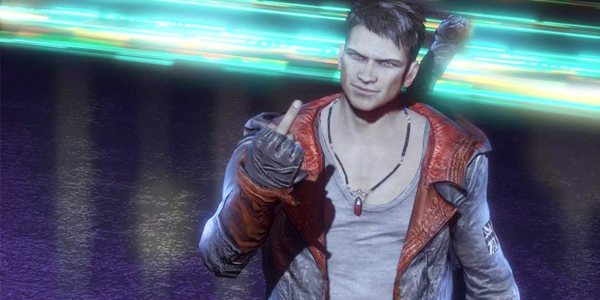
You could totally make a case for Capcom themselves killing everyone's favourite quip-happy demon-hunter with Devil May Cry's 2 and 4 thanks to the former being a misguided affair that did away with everything you loved about the character, and the latter featuring a lookalike protagonist that to this day made zero sense as to his inclusion. However it was with the announcement of Ninja Theory's reboot of the franchise that really didn't sit well with anyone. Right off the bat Dante's 'look' just wasn't right, with everything from his hair colour to general boy-band mannerisms making fans of the original trilogy balk. Upon release it was actually a surprisingly fun title, albeit one that still felt utterly unnecessary thanks to just being more of the same combat-wise, but without the identity and original character/world-vision Capcom had first used to bring the series to life. Ninja Theory have a habit for jumping to immense heights with cool ideas only to barely stick their landings, and alongside Heavenly Sword and Enslaved: Odyssey to the West, this was relegated to the forgotten pile almost immediately.

3. Dragon Age II

Chances are if you yelled this article's headline as a question into a particularly large group of people, many of them would return fire with "Dragon Age II!", as never has their been such a spectacular lack of realising what people liked about your first game applied to its sequel in quite some time. Where the first game featured a huge variety of epic expanses, characters, follower customisation and a combat engine that perfectly marred the turn-based nature of older RPGs with the live-action style of new, DA2's feel stripped all of these back to the point of fans questioning if they were even playing the same franchise. Bioware would address their many faults over the course of the release schedule and fix many of them for Dragon Age: Inquisition, yet for series-wide reasons such as bad animation, quest structure and a general lack of understanding the world without a lore guide, Dragon Age is destined to play second fiddle the more accomplished Mass Effect or The Witcher for the foreseeable future.

2. Grand Theft Auto IV

Take one look at GTA V and you'll see a developer completely lost in a world that expects something completely different from what they actually want to do - all thanks to GTA IV. IV took the series in a bold new direction back in 2008; gone were the jetpacks and ludicrous plot-lines of San Andreas or Vice City, as Rockstar were attempting to do a more grounded-in-reality tale, incorporating comments on how the 'American Dream' can effect someone overseas alongside the machinations of what it means to live in America. Sadly thanks to some truly awful driving physics and a colour palette that was more bleak than protagonist Niko Bellic, it ended up being the first major backfire for the franchise in years. Come GTA V Rockstar then tried to tick both boxes old and new - you had Trevor and all his off-kilter 'hilarity' as service for the majority of GTA's players who just want to explore and blow everything up, whilst trying to do something of a serious arc with Michael's family, Franklin's wealth and that torture scene - the latter easily being the most misguided thing in video games since Custer's Revenge. When the biggest takeaway from the highest selling game of all time is just to remark on how much they've perfected the original GTA III formula (or to admire the city itself) there's something sadly wrong, especially when you factor in just how bold they were with Red Dead Redemption's narrative choices. Rockstar had all the potential to take the more serious angle on crime they attempted through GTA IV, but with V (and the recently announced GTA VI) all that's coming our way is a franchise helmed by people who have no idea how to please the vast majority.

1. Mass Effect 3

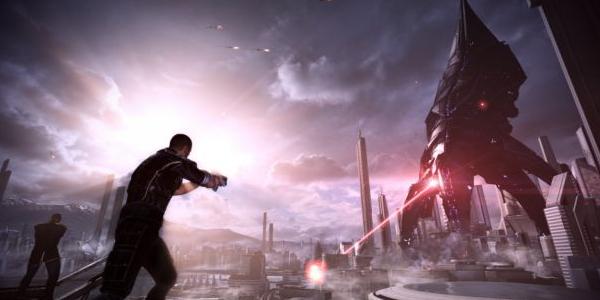
Mass Effect continues to be put through the wringer to varying degrees depending on who you ask - there's just as much potential for the future as there is to scour any comment section that remarks about how they "Just can't trust Bioware any more" only to think despite wanting to stay positive, they might have a point. Regardless of any way you slice it, the only thing EA's meddling in Bioware's Star Wars-besting sci-fi opus did was to royally annoy everyone who played it, segmenting core plot points and selling them back either as 'Day One DLC' or later down the line. Bioware even kowtowed to public demand following the complete flat fart of an ending that was meeting the Star Child - something any self-respecting crafter of an artistic vision would never do. Following ME3 a few core team members have left the crew - even fan-favourite Casey Hudson - making for a Mass Effect 4 that will have to be downright incredible right off the bat if it wants to recoup any credibility points against an overwhelmingly negative public consensus. Which games totally ruined franchises for you, tainting their track records and making you worried about the future? Let us know in the comments!

Gaming Editor
Gaming Editor

WhatCulture's Head of Gaming.