12 Dead Online Video Games That Should Never Have Ended

Because when the servers go off, these once-awesome games became little more than expensive paperweights.

As internet connections became faster and more reliable, it's allowed people to take their games onto the web and take the battle to others all over the world. Unsurprisingly, this means online gaming has taken off in the last decade. This has led to the advent of titles built specifically to play online, such as multiplayer-focused first-person shooters and MMOs, which are designed from the ground up to allow you to battle it out with as many different people as possible. Intense action like this just wasn€™t possible online in previous generations due to the limits in technology, and we're all grateful for it. Unfortunately though, the rise in online gaming means that when and if publishers decide to turn off servers you can be left with nothing more than an expensive paperweight. Sadly €“ and all too often these days €“ when these types of games lose their ability to be played online they can no longer serve their purpose, and might as well be consigned to the bin with the rest of the rubbish. The closing of multiplayer services can happen for a number of reasons. Sometimes there just aren€™t enough people using a product to justify keeping it running while in others it could be down to complicated legal wrangling, like expiring licensing agreements, or even a desire to bring out a new installment. One thing is clear though €“ many of these discontinued games simply don€™t deserve to die, to be cut down in their prime leaving players without a viable alternative and waste all that time the audience invested in them. With that in mind, this article will count down the 12 games least deserving of being shut down, the ones that players the world over wished had kept going.

12. Shadowbane

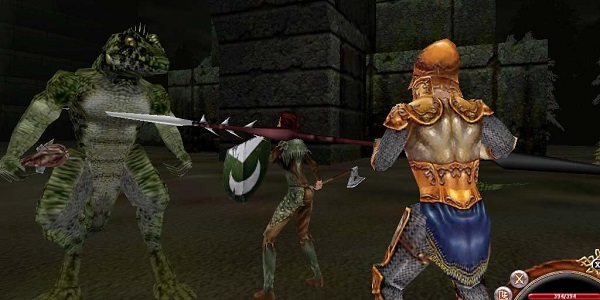
This fantasy MMO launched in 2003 to much critical acclaim and a very good reception from customers. Set in a fantasy world, it featured many of the elements that you would expect to see in that genre of MMO but also a couple of unusual design choices that set it apart from the other available titles. It shut down in 2009 despite having a dedicated fan base after the publisher announced that the player numbers were not sufficiently high enough to continue operating the servers. What made Shadowbane unique was that it didn€™t focus on a multitude of quests designed by the developers, instead it was all about player-versus-player combat in a huge, dynamic world. It gave you a continuous feeling of never being safe thanks to the fact that almost every area allowed you to be attacked from others; but this did not frustrate, but rather fostered an atmosphere of constant war. Even without large amounts of scripted content you were never short of things to do, players could built their own cities, set up governments and went to battle with neighbours to gain control of their territory. The siege warfare also meant that combat was different to your typical games, allowing for more diverse tactics and more innovative gameplay and the fact that the world changed according to the actions of the community as a whole gave the impression that you were really part of proceedings. Ultimately, Shadowbane tried to be something different rather than just another mundane MMO, and it was a great shame to lose it simply because of that. But more important was the loss of a compelling universe filled with unique classes and races in combination with truly interesting combat.

11. Mini Fighters

NetMarble looked to introduce the fighting genre to the MMO space in 2009 with Mini Fighters, allowing players to not only kick the living daylight out of each other online but also to build up their character through a variety of additional modes. Yet in 2011 it was shut down to very little fanfare even though there was still a very dedicated and active community regularly playing. Mini Fighters certainly deserved better than that because it was the first, and arguably the best example, of fighting mechanics in a massive online setting. It provided excellent combat €“ better than many stand-alone titles that have since released €“ that would cater to the hardcore fan of the genre but also included other elements so that it could also appeal to more casual gamers. Even more impressive though was the use of gameplay you would normally associate with RPGs, allowing you to progress your own character through mini-games and a huge array of extra modes ranging from sidescrolling action segments to incredibly difficult boss fights. Added to that was a brawler mode allowing hundreds of characters to fight each other in one arena, and to top it all off it include an impressive set of diverse playable characters and beautiful visuals. Yet all of that was lost with its closure and there has yet to be another MMO that captured the sheer fun and intense action of Mini Fighters. Frankly, that's a great shame.

10. The Sims Online

The Sims is the best-selling PC game of all time, spawning numerous sequels and expansions in the never-ending pursuit of allowing players to live out the lives of virtual people in greater detail. As you will no doubt know, the series allow you to create your own character, design and build a house and then live out the life of your person; all the while you running their day-to-day activities, going to work and interacting with other Sims. Although the games have largely been single player throughout the various iterations, it appears as if the concept would translate very well into a MMO where thousands of players could play simultaneously. Maxis obviously saw the potential and released The Sims Online in 2002. It featured many of the same you would expect to find but also made some new additions, such as new types of employment, expanded social interactions and an updated skill-leveling system. Unfortunately, it did not last forever; due to a number of decisions made by the developer, including rebranding the game to EA Land, and an in-game economic crash due to a glitch that allowed items to be replicated caused EA to pull the plug last year. This meant we were left without a title that many had cried out for, where they could interact not just with non-playable characters but with other players, in cities made up entirely of real life people. Perhaps the thing that made The Sims Online so unique was its entirely player-driven economy, something which most MMOs struggle with. Players could work in jobs to earn money or buy and sell items, including houses, in a world where those playing it decided the value of everything. With the permanent closing of The Sims Online there was no longer any opportunity for everyone to play a simulation game on such a massive scale. Instead the market it filled with cr*ppy Facebook apps that in no way live up to the potential of this particular title.

9. Family Guy Online

Okay, so maybe an MMO based on a cartoon sitcom doesn€™t sound like the best idea ever, but Family Guy Online was much better than you might have thought. Despite the fact that it never left its beta stage many players felt that it was promising and reviews had noted the potential it offered, so perhaps it should have been allowed to continue rather than being mercilessly shut down without any reasoning whatsoever from Fox. It really did offer some unique ideas and shouldn€™t have been shut down so early. The game offered something of a change in the usual MMO space, far from the fantasy or science-fiction settings that generally pollute the genre. As you might have guessed, it took place in Quahog and featured all of the characters from the TV show. Your own character could explore the area, interact with other players but most importantly talk to the likes of Peter, Brian and Stewie. While most online games tend to focused on having a serious tone, Family Guy Online was different in that it took inspiration directly on the show and instead tried to be as entertaining and fun as possible. It had all of the trademark humour associated with the Griffins along with a healthy dose of questing and optional modes to keep the more hardcore gamer interested; it was a combination of what makes Family Guy so great (at least for fans of the show) and solid MMO gameplay. In the place of this we got the rather lacklustre action-adventure title Family Guy: Back to the Multiverse. I know which one of the two I would rather have had released.

8. Football Manager Live

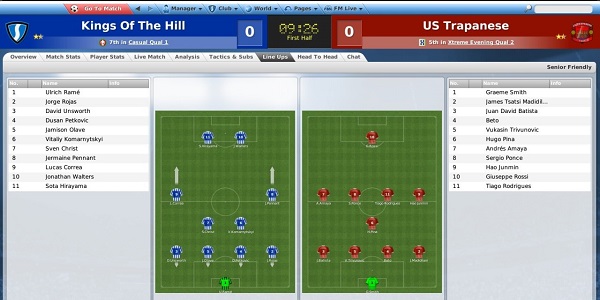
Since 2005 the Football Manager series has been a huge success story, with each installment becoming one of the best-selling games on PC and often number among the most played products on Steam. People spend days of game time developing their teams, scouting players and perfecting their tactics in the hope of becoming the greatest manager possible. While it has always been a predominantly single-player experience, although there are some multiplayer elements in more recent games, fantasy football competitions in particular have shown how people love being able to compete with one another rather than just the computer. Therefore, an online version of the franchise would seem like a win-win, and for the most part, it was. Released in 2009 the game allowed users to create their own team and compete in leagues against other real players, but only managed to last two years before closing down for good. It was odd because Football Manager Live brought everything that was good about the series in general and added new RPG elements to aid progression, so that your stats would increase the more you played and developed your skills. Even though it played very much like you would expect it to and offered gamers the chance to pit their tactics and teams against others in the ultimate test of their managerial ability, the number of subscribers was always far lower than expected. Sega closed the servers in 2011 and left players wanting to go online having to use the clunky and unrefined multiplayer modes in the main titles. It seems very much like a wasted opportunity and will surely put other companies off making similar games in the future, because if Sports Interactive couldn€™t get it right, then how will anyone else?

7. Lego Universe

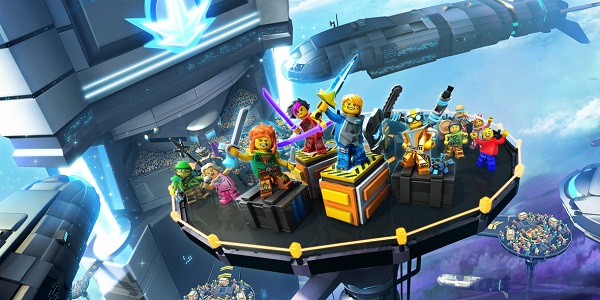
Lego games have become immensely popular over the last few years. For those who aren€™t content with the physical act of putting bricks together to build worlds in their bedrooms, the releases from TT Games in such universes as Star Wars, Batman and Lord of the Rings have proven to be incredibly successful. Lego Universe was the online answer to translating those games into the multiplayer arena. They gave players the ability to create their own minifigure as they traveled throughout a variety of beautifully themed worlds completing goals, going off on quests and fighting the evil Maelstrom. When it was shut down in 2012 it left gamers without access to a quirky yet highly entertaining story perfectly suited for a younger audience rather than the hardcore MMO fan. Yet all of its charm went to waste along with the huge variety of imaginative levels and fun mini-games that made up the bulk of the content. Perhaps the biggest loss from the closure was the opportunity it afforded parents; it was an MMO they could play along with their children without having to worry about the content being too mature or over the top. They wouldn€™t have to constantly supervise their kids while playing leaving them free to do other things, but if they did want to play along the gameplay was deep enough to still be engaging. With the failure of Lego Universe to sustain a big enough number of subscribers it€™s likely that other publishers will be wary of creating more casual MMO games in the future.

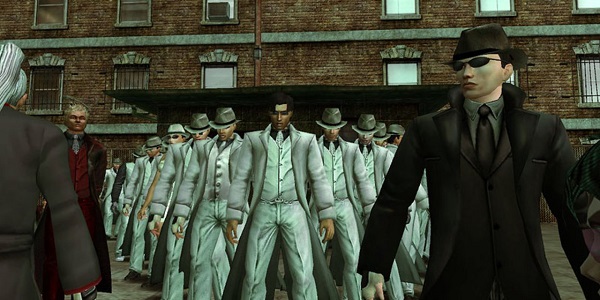
6. The Matrix Online

In 1999 The Matrix releases in cinemas around the world and garnered a huge amount of followers thanks to its stylish visuals, intense action scenes and mysterious and intriguing plot. Although the two subsequent films were not as warmly received as the original the series still had a large fan base eager to become further involved in the franchise. Several console video games came along but these largely focused on combat rather than any deep and meaningful story and were generally not received well by critics. However, Sony Online Entertainment saw an opportunity to use the MMO genre to create a Matrix game with a focus on storytelling and the universe itself, rather than just the fighting that went on within it. The Matrix Online was well liked by the majority of players who tried it out thanks to a rewarding, if difficult, skill system, in-depth plot and a feeling of actually being part of the world around you. You weren€™t just observing events but actively influencing them along with everyone else, leading to a feeling of inclusion that few games manage. When it was suddenly shut down in 2009 after four years it left a hole that hasn€™t been filled. Not only was this title single-handedly keeping the Matrix story going but it also showed exactly how to keep MMO plots fresh by constantly updating them with new missions and quests.

5. Halo 2

The title says Halo 2 but this is not the only game that this entry is going to talk about, indeed it includes all of the original Xbox titles that had their Xbox Live service terminated in 2010. Examples that no longer have multiplayer include the likes of Rainbow Six: Black Arrow, MechAssault, Crimson Skies, Ghost Recon, Counter-Strike and Star Wars: Battlefront II. It was incredibly disappointing to many gamers when Microsoft announced the closure of all servers for original Xbox Live titles, despite the fact that many of the titles released up to 7 years before the shut down many still had very active communities. None of them really deserved to die, each offered an excellent online experience and some set the bar for how multiplayer games should play on consoles. Products such as Battlefront 2 were unique and so when their ability to connect online was stopped this left players without any viable alternative; in other cases some were primarily multiplayer only and thus became fairly useless after the closure. Even if Microsoft did need to close the service in order to allow for Xbox Live to evolve and grow on the Xbox 360 and Xbox One, it is very sad that gamers can no longer enjoy the online portion of some of the best console games of the last decade. It also brings home another problem with modern gaming on consoles where servers can be turned off at the whim of publishers and developers, leaving people with no ability to play over the internet. It's just sad, really.

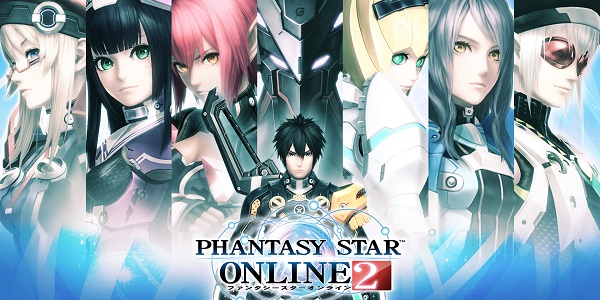
4. Phantasy Star Online

Phantasy Star Online met its demise not because of low subscription numbers or a lack of positive reception, but instead because of the failure of the Dreamcast. With its demise came the closing of the servers for a game that still had over half a million people regularly playing it; obviously fourteen years on it is highly unlikely it would still be around but its life was cut tragically short, and it really didn€™t deserve it. The game was unique, bringing a totally new experience to console owners when it released in 2000. MMOs have for the most part been exclusive to the realm of the PC, but Sega paved the way for online games coming to home consoles. But it wasn€™t just a trend setter that made it deserving of more life, it was actually an incredibly fun game. An in-depth character creation tool let you design your own adventurer to maraud through dungeons in search of quests and treasure. With the ability to team up with others, working co-operatively to complete tasks or overcome enemies, or fight them in deathmatches using fast paced real-time combat. It offered everything from great gameplay to stunning visuals, showing the world exactly what was possible in a console-based MMO. In light of the large number of subscribers and the effect it had on the industry, Phantasy Star Online should have been allowed to last past 2003, especially when you consider how few other MMOs have been able to be successful on future devices like the Xbox 360 and PlayStation 3.

3. Warhammer Online: Age of Reckoning
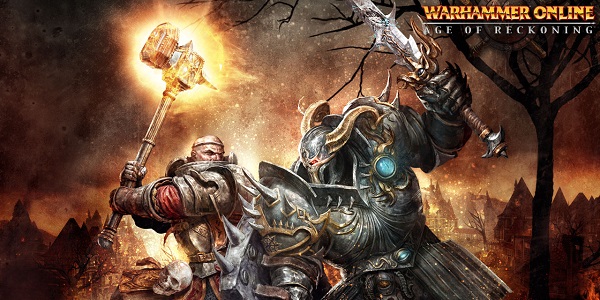
This was another game that was closed not through any fault of its own, but rather due to the license agreement between the publisher and Games Workshop coming to an end. If EA had been able to renegotiate the licensing deal then everyone might still be able to play one of the better MMOs to have released in recent years. Warhammer Online: Age of Reckoning saw players taking part in the universe made famous in the tabletop game Warhammer, where orcs, dwarves, lizardmen and elves all battle it out in order to survive in a harsh fantasy world. The main aim for players was to go to war with other races in an attempt to take over cities, eventually allowing an attack on the enemy capitals; while there were other gameplay mechanics (such as PvP and skirmishes), everything was ultimately focused towards the overall war effort. This gave an added importance to your actions and really made you feel part of a much bigger fight. Added to that was plenty of content, from crafting to quests, which meant that there was rarely a lull in action. As such, it was incredibly difficult to become bored while playing. It€™s depth, combat mechanics and gameplay made it a real competitor to the likes of World of Warcraft. Essentially Warhammer Online: Age of Reckoning was one of the most exciting and highly polished MMOs and definitely merited more of a lifespan than it got.

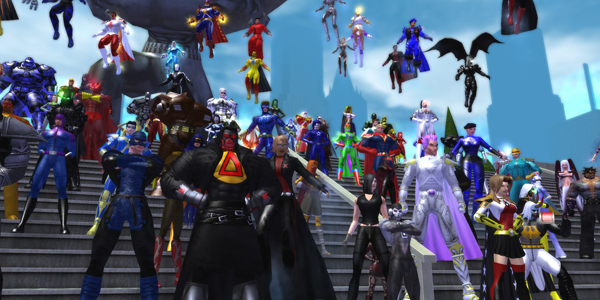
2. City Of Heroes

Everyone reading this article will at some point probably wanted, or have even pretended, to be a superhero and that€™s nothing to be ashamed of. After all, superheroes are pretty much the coolest people ever €“ they have incredible powers, get to dress up in silly costumes and they regularly save the day. City of Heroes allowed you to live out that fantasy along with thousands of others in a setting filled with gangs and villains. Or at least it did until its developer was closed and the game ended. But until then City of Heroes had offered gamers a different approach to MMOs, with innovative gameplay and fun-filled action. Very few titles have ever let you live out a dream so vividly. It let you make up your own hero in an incredibly deep customisation system that included entering your own back-story, and allow you to be the ultimate saviour by protecting civilians, rescuing those in need and beating up the bad guys. Additionally it tried to make you work with other players as a team in order to accomplish harder challenges in a way that few experiences ever manage to do, while later expansions actually allowed you to take on the role of a supervillain and launch strikes, leading to a much more competitive mode for those who wanted more intense combat. No other MMO has ever come close to emulating a superhero setting like City of Heroes and it doesn€™t look like this will change any time soon. That alone, without any of the other positives above, would make it worthy of staying alive.

1. Star Wars Galaxies

Star Wars, perhaps more than any other franchise, is perfectly suited for the MMO genre. Its world is a vast galaxy populated with hundreds of different races and factions, an online game set in that universe would allow a huge diversity in characters and customisation. Sony Online Entertainment decided to take advantage of the Star Wars name and released Galaxies. It allowed gamers to play a variety of different classes, including Jedi, across a number of gigantic worlds. Mixing traditional questing with space travel and the ability to build cities in a Star Wars setting, a number of important places and people from the movies could be visited or spoken to, giving a sense of actually being part of the universe. Galaxies was critically acclaimed being specifically praised for a number of aspects, in particular the way it encouraged the entire player base to be diverse by having an important social aspect that led to elections and a division of labour where everyone had a specific role. It was incredibly fun to play and a faithful imagining of the franchise in a MMO setting, rather than a game where everybody simply chooses to be a Jedi. The title went through a number of changes and upgrades that upset players and led to a fall in subscriber numbers, yet it continued to be largely successful. In fact it was shut down for reasons other than revenue or the number of customers, officially ending in 2011 in order to make room for EA€™s upcoming Star Wars: The Old Republic. The Old Republic hasn€™t turned out too well either. This begs the question €“ why didn't they just stick with Galaxies?

In this post: 
Family Guy
 
Posted On: 
Contributor
Contributor

A sport, gaming and fiction enthusiast, I particularly enjoy Formula 1, rugby, tennis, athletics and football.