20 Mind-Blowing Facts You Didn't Know About Silent Hill

Silent Hills may be gone, but the franchise is not forgotten.
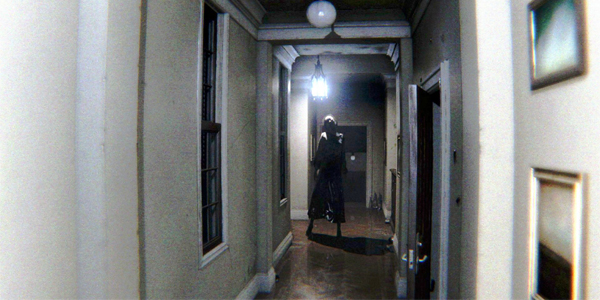
It seemed as if Silent Hill was finally going to return to form following the amazing P.T. demo, but now its days may be numbered for good. Fans were eagerly awaiting a renaissance in an admittedly flagging franchise thanks to Guillermo Del Toro and Hideo Kojima's upcoming Silent Hills heralding new dimensions in horror, but such hopes were dashed this weekend when it was announced the game was cancelled. This came in the wake of a lot of weird shake-ups at Konami, including taking Kojima's name off of all advertising for his upcoming Metal Gear Solid V to removing the company from public trading on the stock market. If this does signal the end of Silent Hill, and Konami as a whole, it's a particularly ignominious end for a franchise and publisher with a huge, dedicated fanbase. The hardcore Silent Hill fans are some of the most dedicated in all of gaming. Part of that is by virtue of the games themselves; the nightmarish worlds the characters inhabit are purposefully open to interpretation, full of weird symbols and occult references. And scary toy rabbits. And nurses. And...well, every other Silent Hill monster, basically. Whether this is a so long or simply see you later for the series, it's not like fans are lacking in content to parse, re-play or argue over. Yet even those who spend all their time on forums, making costumes or writing disturbing fan-fiction involving Pyramid Head might be surprised by these twenty mind-blowing facts about Silent Hill.

20. The First Game's Strategy Guide Is Actually Useless
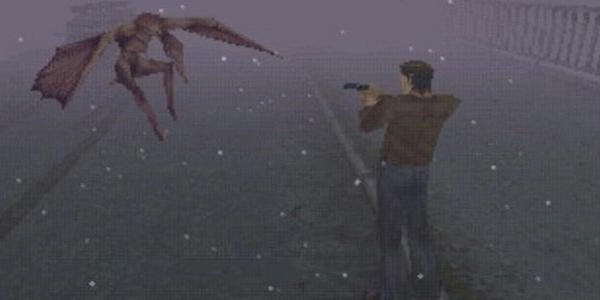
The original Playstation Silent Hill changed a lot from the initial demo, which was bundled with the first Metal Gear Solid in an attempt to boost sales. Stores in the town have different names, police cars specify they're from Buffalo State's traffic division, all blood was made green to make it suitable for a general audience, and parts of the game that weren't complete were simply blocked off by walls. The game changed even more later in development, with the team reacting to notes from Konami and censors, and generally tweaked with the overall design. Which caused one particular issue when it came to the Silent Hill strategy guide €“ something you needed for a game as obtuse as this, pre-GameFAQs. The version of Silent Hill the strategy guide was based on was noticeably different to the one that ended up in stores. Besides some minor cosmetic alterations, the developers changed several of the puzzles and their solutions from the version of the game give to the strategy guide folk €“ meaning that the tips given within were totally useless.

19. Downpour Is Full Of Easter Eggs

For many, Silent Hill: Downpour is one of the better of the recent games in the series. One of the least terrible, anyway. Since Konami made the inexplicable decision to hand over development from Team Silent to a series of American and European studios, the franchise has floundered. Downpour did better than most, mainly by referencing old games. Right at the start of Downpour the player swings by a gas station, where music from Silent Hill 2 is playing on a radio. That's just the tip of the iceberg of the call backs the game makes €“ not long after that first encounter with history, you come across a jukebox in an abandoned diner which, after you've inserted some coins, plays the first Silent Hill's theme. At one point you can even wander Henry's apartment from Silent Hill 4: The Room. There are Easter eggs relating to the later games, too, with one room featuring a painting of the house and the €œWelcome To Shepherd's Glen€ from Silent Hill Homecoming, and Travis's abandoned truck from Silent Hill Origins lies prone in the middle of the street.

18. Eddie's Silent Hill 2 Intro Had To Be Remade
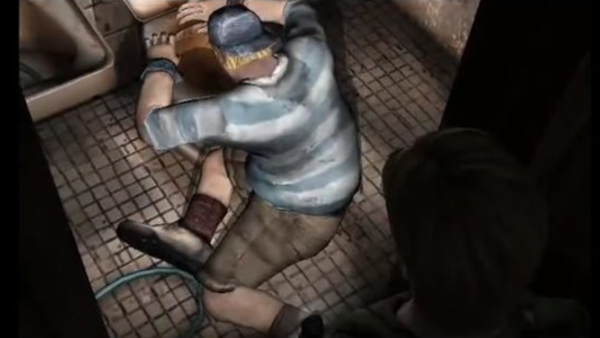
Eddie Dombrowski isn't the most sympathetic of characters to grace the town of Silent Hill. Which is saying a lot, considering he was introduced in the game where you play as a man who smothered his dying, cancer-stricken wife to death. Eddie, meanwhile, is also running from the law and gets a particularly...memorable debut when he turns up in Silent Hill 2. So long as your PC's sound card doesn't muck up and spoil the surprise, Eddie is discovered behind a bathroom door, laying with his head in a really gross toilet and puking his guts up. After a good thirty seconds of chundering he finally realises you're watching him, and then has starts talking. Believe it or not, though, Eddie's original introduction was going to be way more gross. He was vomiting in a toilet, but apparently in an even more graphic fashion €“ somehow €“ to the degree that it managed to freak out the developers themselves. A power surge struck the studio and fried the hard drive the cinematic was stored on, and they took it as a sign to tone it down a little.

17. Origins Began As A Comedy

One of Konami's other attempts to mix up the franchise in later years was Silent Hill: Origins, a prequel to the original game developed by the British Climax Studios for the PSP. Set a few years before the first Silent Hill, players guided a truck driver called Travis through the haunted town after swerving out the way of hitting a little girl. After that he traipses about the town, filling in a lot of unnecessary back story about the cult which plans to sacrifice Alessa (the little girl he swerved to avoid, before rescuing again from a house fire) to bring about the abominations which later stalk Silent Hill. Much like the Star Wars prequels, it's a matter of seeing how the sausage is made, and being disappointed. Origins could have gone an even stranger direction, however. Originally Climx intended to make it a black comedy, taking inspiration from surreal hospital sitcom Scrubs, totally retooling an early Resident Evil 4-inspired demo put together by Team Silent. Luckily, the lead designer realised that was a stupid idea, and would likely alienate the game's hardcore audience.

16. Team Silent Were A Bunch Of Outcasts
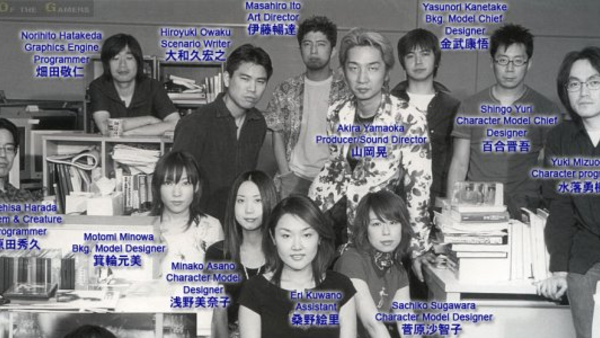
Silent Hill wound up being one of Konami's most successful franchises, but commercially and critically. Since then it's fallen out of favour a little, thanks to a bunch of games developed by studios other than Team Silent, who originated the series. Which seems like a ridiculous decision, but given how much faith Konami had in Team Silent in the first place, it makes sense. See, not much was expected of them when they started making the first Silent Hill. Most members of the team were effectively on gardening leave, all of them having been involved on projects that reaped less-than-stellar results. Team Silent were a bunch of losers, rejects, developers who had underperformed and on the verge of getting fired. Konami handed them the task of making a game with a Hollywood-like atmosphere, with the intention of making it palatable to the US market. Figuring they had nothing to lose, Team Silent threw out those commands and instead make a 3-D psychological horror (Konami were still making 2-D games) which, thankfully, was a huge success and meant they all kept their jobs after all.

15. Takayoshi Sato Almost Wasn't Credited
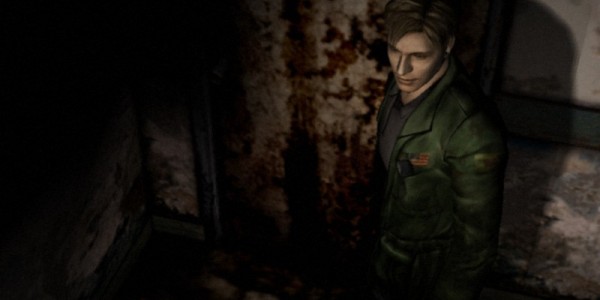
A lot of that success can be attributed to Takayoshi Sato. One of the younger members of Team Silent, he was mainly called upon for basic tasks like font design for the first game. Hungry and eager to prove himself, however, Sato went to extra lengths and ended up being almost single-handedly responsible for the unique storytelling and visual style of Silent Hill today. In his spare time Sato offered to create all of the cinematic cut scenes in the game, which he did entirely off his own back once the studios were closed and computers were free, necessitating that he sleep in the office for about two and half years. Being the youngest member of the team meant that, whilst doing all this, he also had to teach the older developers how to do 3D modelling. And yet, despite having played such a key effort in making Silent Hill, he was originally going to get zero credit for all his extra work. He approached Konami's higher ups, showed them some of the cinematics he'd made and threatened to leave the team (taking his modelling skills with him). Team Silent acquiesced, and he was given a proper 3D modelling job.

14. You Can Ring The Konami Support Line In Shattered Memories
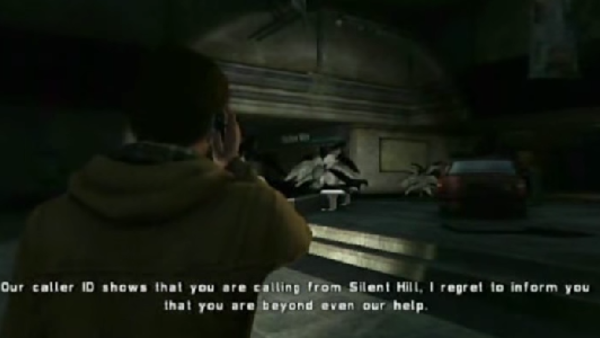
Silent Hill: Shattered Memories isn't amongst the best the franchise has to offer. The seventh instalment was developed by British studio Climax Studios and, inexplicably, originally released solely for the Nintendo Wii. It served simultaneously as a reboot of the franchise and a remake of the first game, putting players in the shoes of an ever-so-slightly different Harry Mason again. Once again it follows the premise of Mason getting into a car crash on his way to a holiday in Silent Hill (yeah, like, who would even do that) and then struggling to track down his daughter in the aftermath. This Silent Hill, meanwhile, was buried under sheets of snow, rather than a thick haze of mist. There were some other differences in updating the story for the modern era, too. Amongst those were swapping out the busted radio €“ whose static screaming forewarned of approaching enemies in the original game €“ for a cell phone. A phone into which you could type the real-life number of Konami's support line and come up with, arguably, the creepiest moment in the entire game: a woman opolitely informs you that you are "beyond even their help".

13. Some Of The Games Were Heavily Censored
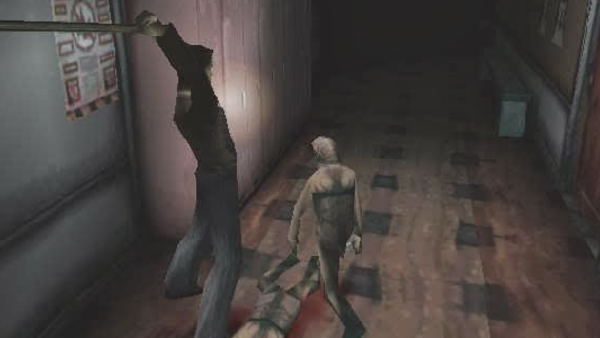
Whilst Silent Hill's inception was very much inspired by Resident Evil, it rarely strayed into the gory B-movie extremes its fellow survival horror series traded in. Where they were based on schlocky George Romero zombie flicks, Silent Hill took the atmosphere of David Lynch's experimental oeuvre and the body horror of David Cronenberg and artist Francis Bacon into account. Yet despite mostly avoiding anything approaching realistic violence in its depictions of the titular town's monstrous inhabitants. Still, Homecoming ran into some trouble with the infamously strict Australian and German rating boards; the violence was toned down for the former, but all the nastiness lead to it being straight-up banned in the latter. It was the first game that caused the most problems, though. The Grey Child were redesigned for the North American release, as censors understandably stood opposed to the idea of tiny naked children with knives you could kill. For the European release, meanwhile, the characters simply had their weapons removed, and you couldn't interact with them. Which made them creepier.

12. And Were Foggy To Hide Bad Graphics
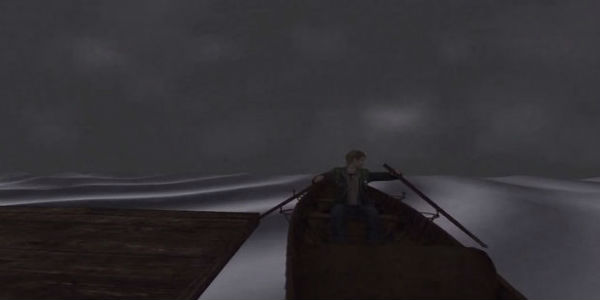
Believe it or not, Silent Hill was sort of ground-breaking for its visuals at the time it came out. Like how people were impressed by the make up and suits in the original Planet Of The Apes. It was a simpler time, unused to the shiny HD graphics we have nowadays. Silent Hill, meanwhile, was amongst the first fully-rendered 3-D games Konami had released at the time. Metal Gear Solid beat it to the punch by a year or so, but Silent Hill too was operating at a higher level than anything most developers had put out before. Technically an open world environment, traversing the streets of Silent Hill required a level of processing power that the Playstation didn't really have. That ever-present fog that blankets the city, adding to the oppressive atmosphere and concealing oncoming horrors, heightening the tension? That was because, without it, you'd see the parts of the level the game hadn't rendered yet. It'd just be blank space. The mist was all about covering for low draw distances. And yet, it became a staple of the series - even when it wasn't necessary.

Contributor
Contributor

Tom Baker is the Comics Editor at WhatCulture! He's heard all the Doctor Who jokes, but not many about Randall and Hopkirk. He also blogs at http://communibearsilostate.wordpress.com/