2023 Video Game Innovations EVERYONE Should Copy
Active Time Lore needs to be in *everything*.
As video games continue to innovate, change, and grow beyond the constraints of specific genres, we’re starting to see some fascinating new features and mechanics we never could have even dreamed up for the medium.
Just this year alone we’ve been inundated with a bevy of unique innovations from AAA studios right down to games that have been created by a tiny team. There is no limit or budget that restrains publishers and developers from being able to implement features and mechanics that we’ve either rarely seen used or even never seen before in another video game.
In the case of the following features, it’d be a treat to see them in far more games in the future so fingers crossed publishers and developers have been taking notes.
8. Experimenting With Dimensions - Viewfinder
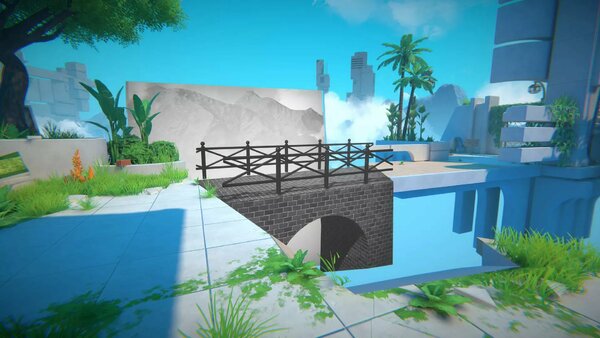
Now, Viewfinder might not be the first game to step out of the realm of traditional genres but it is probably one of the few that has done so by basing its entire core gameplay mechanic around a specific feature that has never been done before.
At least, I don’t think it’s been done before. Correct me if I’m wrong. I don’t know all of the video games.
Said feature allows you to pick up a polaroid and use said image to create a traversable 3D world replicated from the 2D image. The new environment can be placed anywhere in the level leading to unconventional and challenging puzzle-solving requiring environmental awareness as well as a fair amount of mental gymnastics. What’s particularly special about this from a development point of view isn’t just the abandonment of traditional genres, which is absolutely a thing we’d love to see more games do, but the creation of a brand new way of utilising the gaming medium.
Despite how many decades of wonderful games both big and small that we have to look back on it’s enormously heartening to see studios are still finding brand new ways for gamers to interact with virtual worlds.
7. Active Time Lore - Final Fantasy XVI
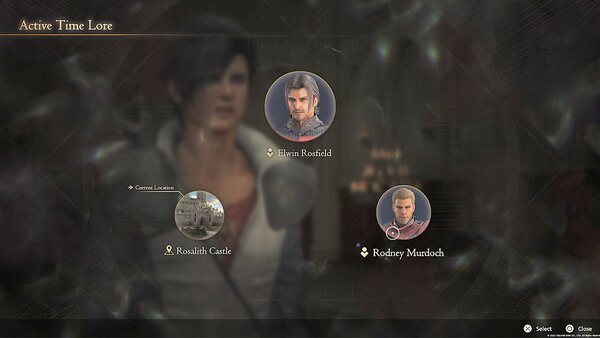
Let’s face it, Final Fantasy games are complicated. Like, really complicated. It seems like even Square Enix have opted to climb on board with that one as they implemented a fascinating new feature.
Said feature is called Active Time Lore which allows you to, at any point during gameplay, pause and receive relevant lore about the people, locations, or references in any given scene. You can utilise this feature even in cutscenes if you need a refresher and, let’s face it, with the level of nuance in politics, war, social disrest, and general bucketloads of connections between characters and general lore, you’re going to want to check this one out.
Just tap that touchpad and you’ll get all the info you need so Square gets to keep their wildly complicated story and you get to understand it! Hopefully.
Interestingly, this is a feature that also pops up in Pentiment where you can click on names, locations, and other oddities to get more information but more on that game later.
6. How To PERFECTLY Remake A Classic - Dead Space
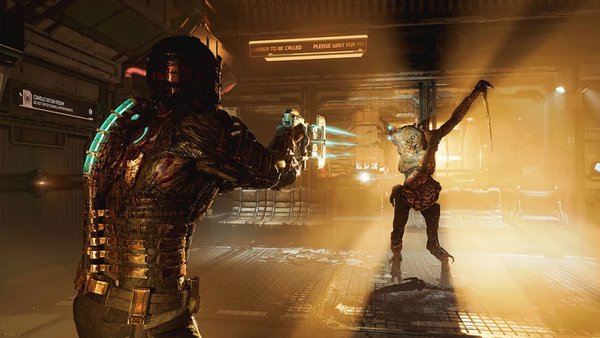
To be fair, 2023’s Dead Space remake isn’t the first excellent remake of our time, Shadow of the Colossus would make that list as would plenty of other games, but Dead Space did totally nail it.
What’s especially impressive with this effort from Motive Studio is the monumental task of taking on a game that was already a genre-defining masterpiece and not only honouring the original but also expanding on it in meaningful ways to make it even better. Besides the obvious visual overhaul, the remake also added new audio features, particularly in the realm of modern audio mixing capabilities, as well as addressing certain level complaints, giving Isaac a new voice, and enhancing some elements of the story and level design. In almost every scenario, these changes were for the better, which not only keeps the game alive for the current generation, it sets a compelling stage for what could be possible if a proper sequel were ever greenlit.
In what can only be called an expert undertaking in the realm of remakes, this effort retains everything that made the original fantastic while elevating the few elements that held it back.
5. Designing With EVERY Player In Mind - Baldur’s Gate 3
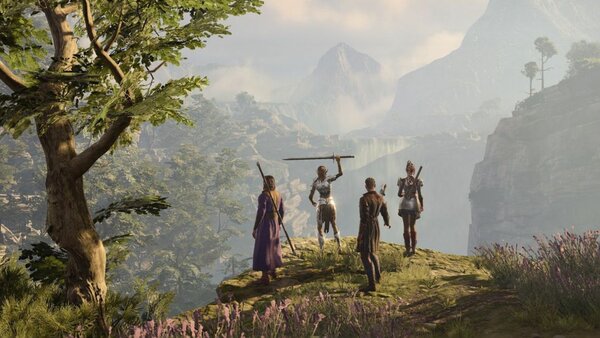
In 2023 plenty of gamers and outlets popped Baldur’s Gate 3 at the very top of their Game of the Year lists and one of the reasons why is Larian Studio’s unique commitment to designing their games with every player in mind. Even the 1% who decides to go ahead and experiment by doing something completely random you’d assume there’s no way the developers could have expected.
If you played Divinity: Original Sin 2, like I keep trying to bully people into doing, you would have expected this from Larian, but even at that standard their efforts here have gone above and beyond.
There are voice lines, interactables, cutscenes, and even game fail states for almost everything you can imagine doing in the game. Which, for a title based on the nigh-on limitless freedom that Dungeons and Dragons allows for, is an extraordinarily tall order. The game itself is massive in its environments, complex characters, endless decision-making possibilities, and approaches to combat.
And yet, this is a game where, for example, if the vampire Astarion tries to bite the fire-fueled character Karlach during an intimate scene he will literally catch on fire.
There are so many moments like this that you could presumably play the game over and over and keep discovering new interactions and possibilities. This level of game design where even the tiniest portion of gamers are considered and catered to is admittedly something a lot of studios wouldn’t have the resources to accommodate, but for those who do we’d love to see more of it.
4. Experimenting With Art & The Limits Of Time - Pentiment

It’s becoming very unusual in the ever-expanding catalogue of video games to come across an art style that feels genuinely unique, and Pentiment, with its visuals that feel like they were peeled right out of a mediaeval manuscript, is instantly intriguing.
Pentiment is set in 1518 but tells a story that spans decades. It cleverly balances between engaging you in a linear story while also letting you make choices that impact how your characters change over time and how they can interact with those around them. Pentiment’s main unique qualities are its aforementioned art style and the way the days press on no matter how you decide to spend your time. This isn’t the only title that forces you to choose how you spend your limited time, but there are no right or wrong choices to make, which is especially uncommon in games that let you pave your own way.
You are asked to choose things as seemingly innocuous as who to have dinner with and as life-altering as condemning someone to death.
It’s rare that an adventure game refuses to punish you for any choice, and simply encourages you to follow its characters down the garden path for decades to see how things unravel and learn right along with your protagonists what exactly is going on. As we mentioned earlier, Pentiment also features a version of active time lore where you can click on highlighted terms to learn more about them.
Narratively, mechanically, and artistically, Pentiment feels like it’s doing something we haven’t seen before and that’s something we’d love to see in plenty more games in 2024 and beyond.
3. Instant Fast Travel - Spider-Man 2

There are some games where you wouldn’t want to fast travel. Maybe you need to keep an eye out for crafting materials, or you’re just a sucker for a wander. Or a horse ride. Or a souped up car. Depending on what you're playing.
Then again, sometimes you just really want to get where you’re going and personally I’ve been playing a lot of Cyberpunk lately and while I’m loving it, having to go to a fast travel point to fast travel is a constant annoyance.
This seems to be a gripe which Spider-Man 2 developers Insomniac Games agree on as the sequel implemented a mechanic that allows for instant fast travel. After completing the second node in each of the game’s discrete boroughs, which you can do by completing content within each district, with just the hold of a button you can fast travel from exactly where you are to any location you want in the unlocked area of the map.
You’ll even retain your momentum so if you’re swinging around one street you’ll continue to do so on a completely different spot. While you might just want to enjoy traversal, the flexibility of this mechanic is a game-changer.
2. Gamifying Mental Health In An Engaging Way - Voidpet Garden
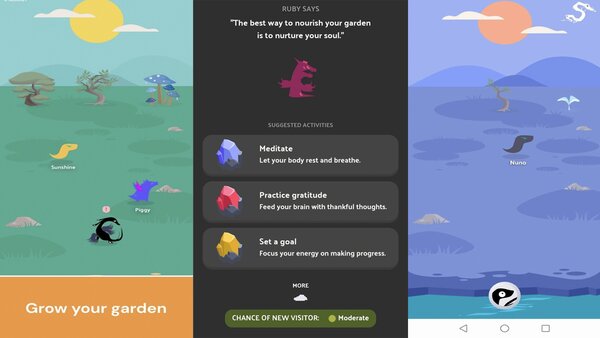
For years, studios have been trying to find a way to make mobile apps more engaging. A handful have also decided to forgo the insidious path of overwhelming microtransactions and misleading trailers and actually try to do some good by addressing mental health. In our current world riddled with plenty of things to generate anxiety, there’s a huge market for an app that actually combines the joy of video games and the productivity of mental health care in one package.
Enter Voidpet Garden, a kind of Pokemon-esque experience where you grow your pets and the trees in your garden by doing things like meditating, setting goals, or naming your emotions.
The gamification stands above traditional self care apps because growing the things in your garden is something you actually want to do, so the mental health aspects come along more naturally. There are a handful of things you can do every day that help grow your roster and your plants and eventually you can battle with your pets as well. There are plenty of mental health apps just as there are plenty of creature collecting apps, but it’s rare to see the two collide in a way that is genuinely both supportive in a useful and non-patronising way while being enjoyable enough to continue to persist with.
While we don’t expect every game to focus on self care, it’s a clever innovation to see one of the apps that does ensure that it actually features gameplay mechanics that keep its players coming back on their own merit.
1. Trust In Player Intelligence & Intentional Misdirection - Dredge

When you kick things off in Dredge you learn you’re a fisherman who will be sailing the local waters collecting and tetrising fish in your cargo hold to then sell them back in town for some quick cash.
But that’s not all. This is a game that holds its cards fairly close to its chest and trusts you to persist and uncover its secrets at your own pace. This is a trust that usually makes publishers nervous.
This is because often we still hear stories about studios and publishers being concerned that obscuring the true nature of their game will limit the potential for consumer appeal and financial success. As a result of this initial misdirection, a theme that has been tried and tested with games like Doki Doki Literature Club and Inscryption, there’s a level of intrigue that just doesn’t hit the same as when you know exactly what you’re in for from the outset. This is especially true when the game features horror themes or intends to slowly let you peel back its layers to learn nothing is quite as it seems.
Beyond this, Dredge is one of those rare games that doesn’t make it especially clear how to best progress, nor does it make any haste with ensuring you understand everything it has to throw at you.
This level of trust in the player to explore at their own pace simply for the joy and intrigue of it without continually pressing you with objective reminders is refreshing in the gaming space and while it makes sense why we don’t see more of it, it’s worth celebrating when we do, and hoping there will be more of it to come.