5 Things Ghost Of Tsushima Gets Historically Right (And 5 It Doesn't)
3. Fiction: The Samurai Code
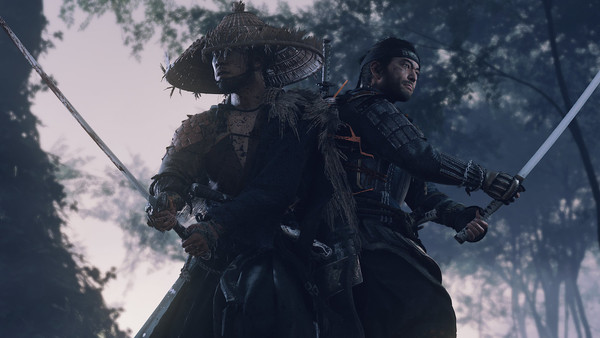
The "Ghost" in Ghost of Tsushima refers to Jin's alter ego, and the more underhanded practises he uses to prison shank Mongols and grow his infamy. This is a source of regret and shame for him and his friends throughout much of the story, and is decried as "dishonourable" to the Samurai way.
A real 13th century Samurai would be incredibly bemused by this mindset. Shockingly, the notions of honour have changed slightly in the last 800 years.
Despite what popular culture insists, Samurai were just as brutal, bloodthirsty and prone to squabbling as any other warrior class in medieval periods. It's almost as if being trained how to wield a deadly weapon, as well as being told you've a God given right to rule gives you a slight complex of some sort.
Bushido - the Samurai way of the warrior - didn't come into prominence until the mid 1600s, long after the Samurai stopped practising real warfare.
That's not to say that Samurai didn't have any rules or morals, though. In fact, one of the most hair raising Samurai practises was "seppuku"- committing suicide by disembowelment as a sign of loyalty. Thankfully, Sucker Punch neglected to add this to GOT. Nobody wants to see that in 4k.