8 Pieces Of DLC That Totally Screwed Gamers

Because what's better than getting screwed by the companies you love?

You may think that downloadable content is a relatively new concept in gaming. However the advent of faster internet speeds led to developers beginning to release extra material for their titles for personal computers in the 1990s. Sega brought the idea to consoles with the Dreamcast, while Microsoft took it even further in 2001: Xbox Live allowed customers to download new maps and other extras for games such as Halo 2. Despite the controversy that DLC has caused in recent times, the practice is not inherently bad. In the best situations it can enhance games significantly. Expansion packs can add extra layers and depth to single player experiences. New maps can help to keep online multiplayer fresh, while maintain the interest of players. When done right, it gives gamers more reason to play the franchises they love and provides designers with an extra source of income. However, DLC isn€™t always done right. In many cases, it can look like developers or publishers are just trying to rip off players. Main offenders include micro-transactions and features purposely held back from the main game to be released later. It can seem, at times, like companies are abusing their fans to make some quick cash without providing any meaningful content. This list will highlight some of the worst examples of terrible downloadable content. These are the packs that were released with the sole purpose of screwing over dedicated gamers, starting with...

8. Part IV: Nirvana - Asura€™s Wrath

This action beat €˜em up released in 2012 for the Xbox 360 and PlayStation 3. It was widely praised for its unique gameplay and anime inspired art style. It has since seen a number of episode packs release online that provide extra chapters to add to the story. With Capcom as publisher, it was always likely that any additional content would prove controversial. Part IV: Nirvana added four new episodes to the main campaign. These were not self-contained chapters, but rather were intended to conclude the story. The main game ended with a cliffhanger. Completing it again while achieving certain grades unlocked an extended ending, but it still left many questions unanswered. This DLC pack was meant to be what Capcom described as the €œtrue ending." In other words, the extra content is necessary if you want to experience the full story and see the proper conclusion to game you already bought. It€™s akin to an author holding back the last chapter of a book and selling it later to readers who want to know what happens - even though they've already paid. Obviously this upset a lot gamers who felt that the game should have had the full ending from the start. Many rightly felt that being forced to buy content that should have been included was something of a rip off.

7. Weapons Upgrades - Dead Space

Do you remember when games use to give new weapons and modifiers as unlockable extras? Well, EA apparently does not. Their horror survival title Dead Space took launch day DLC to new extremes by selling weapon skins and upgrades to various weapons from day one. Weapon skins and changes to appearance are now commonplace and aesthetic items are available for many different games. Despite taking little time to develop, they can be excused to a certain extent. On the other hand, there is simply no excuse to try to sell weapon power-ups to players. The eleven different packs that are available to buy from the online store all modify values within the game, such as damage resistance, weapon speed or damage inflicted. These are all variables that shouldn€™t need to be changed in a well-designed product. The only reason to offer such items would be if the game is too hard for some players. But in that case, developers should provide less demanding difficulties rather than costly add-ons. Essentially anyone who buys any of the DLC packs is paying to make Dead Space less challenging. You should never have to shell out money to be make a game easier and EA certainly screwed gamers in this instance.

6. Warden's Keep - Dragon Age: Origins

Dragon Age: Origins was an excellent RPG from BioWare than garnered a large amount of critical acclaim. It had a fair amount of DLC, including quests, new characters and a full-on expansion pack. Most of the additional content was well done and fit in with the rest of the story. Warden€™s Keep was an exception, though. It was immediately suspect, as it was available from the original release date. Launch day content often appears as if it has been cut from the game in order so that it can be sold separately, of course. Yet there can be a long time between a game to manufacture and the actual release. This can give the developers some time to create further elements. The worse thing about Warden€™s Keep is that it doesn€™t reveal its DLC until after you have decided to do the quest itself. The character you speak to in your camp tells you about the quest, builds up excitement and then asks you if you want to actually do it. When you inevitably say yes, you are prompted to pay for the privilege of going on the adventure. Unfair, you'll agree. At least with most DLC it is clear that there is a cost and that you€™ll have to purchase it to play. They€™ll usually be found in online stores or in the main menu. With Warden€™s Keep, it was included purposely in the game world itself to mislead players. Sneaky.

5. Upgrade Bikini - Dream Club Zero

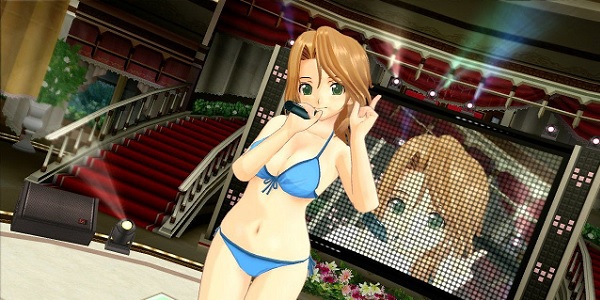
This title is essentially a dating simulator. It takes place in a Japanese hostess club, a place for men to go to look at and flirt with scantily clad women. Dream Club Zero literally allows you to pay to spend time with virtual hostesses, then, while you try to get in their good books. The DLC available for customers to download is made up of a variety of different outfits for the girls. Now this game is far from the only one that looks to sell cosmetic outfits. Oblivion brought us horse armour, whilst Gears of War 3 had a huge collection of weapons skins available to buy. What sets Dream Club Zero apart though is one particular outfit you can buy: "Upgrade Bikini" is the most expensive add-on you can purchase and it simply increases the size of the hostesses' breasts. Charging to boost the bust of virtual girls is really taking advantage of the players. You can understand to a certain extent the price for entirely new costumes, as they take some time to design and implement. But this DLC would have been knocked up in almost no time at all, and was clearly released just to make some quick money. It probably worked, too.

4. Extra Lives - Sonic: Lost World

This 2013 entry in the Sonic series saw a release on the Wii U. As a collaboration with Nintendo, it has already seen a free Yoshi Island Zone DLC pack and is set to receive a Legend of Zelda themed pack in the near future. The free packs, as you might have guessed, are not the problem. Like many games in recent times, Lost World had a number of pre-order bonuses. These differed depending on the store that was selling it. The most controversial was the Amazon extra that gave 25 additional lives. Advertised as a safety net for risk taking players, the DLC significantly affects the gameplay design of the title. How many lives you get and how you get to try again after dying are integral elements of platformers, of course. Some punish you for mistakes by severely limiting your lives (Super Mario Bros.), while others give unlimited lives but increase the difficulty of the levels to compensate (Super Meat Boy). Here, the impression is being made that they have made the game harder so that you have to buy more lives in the same way that arcade units used to so that you would put more money in. However, this is a full priced title that obviously shouldn€™t have anything like involved. Even if the game wasn€™t made intentionally harder, it still has a large effect on the core design by changing the way in which you are challenged.

3. Downloadable Cars - Forza 5

The Forza Motorsport series has incorporated that most hated of DLC, micro-transactions, for a while now. The fourth instalment of the series let gamers purchase additional cars in two ways. Either by using in-game credits or through tokens bought from the Xbox Live Marketplace. The latest release followed roughly the same model but had some important differences. Rather than the rather small cost in Forza 4, cars in the sequel ranged anywhere from £7.50 to £30. When single cars are costing almost as much as the title itself it is clear to see that there is a major problem. In a game that is all about enjoying elite high performance cars, Turn 10 were essentially pricing people out of being able to drive them - much like in real life. Other problems helped to compound the high price of cars. Unlike in previous games, Forza 5 did not allow cars to be unlocked through level progression. The rate at which credits could be earned was also reduced. This meant that you were much more limited in your ability to unlock the most expensive cars through normal gameplay. The developer eventually responded to the criticisms. In December they announced that prices would be slashed by more 45% and the rate at which players accumulated credits would be increased dramatically.

2. Maximum Outfit - Tiger Woods PGA Tour 10
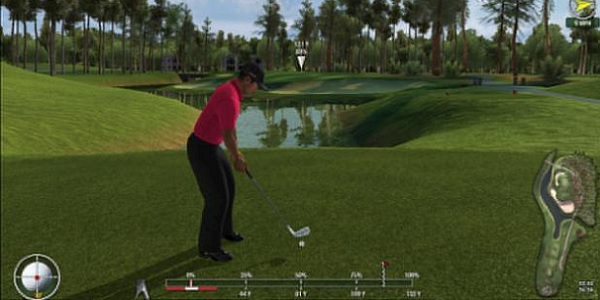
EA have had a terrible reputation with DLC for all of the last generation. Their sports games in particular are full of micro-transactions, with Ultimate Team card packs being a prime example. The publisher has faced much criticism for monetizing online multiplayer modes and introducing costly additional content. The worst offender has to be Tiger Woods 10, though. Amongst all the extra clothing, equipment and accessories that could be bought from the online, there was an outfit that automatically boosted all your stats to the maximum value. In the past, games would generally allow you to increase your stats using cheat codes. In fact, many titles still do exactly that. EA though are selling you cheats through the Xbox Live Marketplace and PlayStation Network Store. It is impossible not to think that EA are trying to screw over gamers when they are selling DLC that doesn€™t even change anything aesthetically. The outfit just alters some values in the code and the developers would not have had to put any work into it. Moreover, this content also affects gamers who chose not to buy it. As you can take your own character online to play against other players in multiplayer, it means that those who have progressed their characters normally through gameplay will be at a huge disadvantage.

1. Unlock Characters - Street Fighter X Tekken

Capcom and EA have both appeared multiple times on this lis, but it is the Japanese publisher who takes the top spot with the DLC it released for its crossover fighting title Street Fighter X Tekken. When the game first released in 2012, it was clear that certain characters were missing from the roster. Most presumed that they would be released later as DLC. In April, though, several hackers uncovered that these additional characters were already on the disc. Unlike other launch day DLC, this one was obviously completed before the game was manufactured. The content was simply locked out of the retail version. The £15 pack that gave access to the characters was a tiny 108KB file that told the game not to hide them anymore. Capcom tried to defend the decision by arguing that including the characters on the retail disc would help to negate any compatibility issues and save hard drive space for customers. Of course, this doesn€™t address the main problem of being charged for content that is actually included on the disc already. Are there any other examples of DLC that completely screwed over gamers? Let us know in the comments section below.

Contributor
Contributor

A sport, gaming and fiction enthusiast, I particularly enjoy Formula 1, rugby, tennis, athletics and football.