8 Worst (But Likely) Outcomes Of The #GamerGate Scandal

Three months and over a million tweets later, there's only a few ways this can end.
To anyone other than those who know their IGNs from their Polygons and Giantbombs, Gamergate is a very hard thing to explain - even to the point where most of us who have been watching from the sidelines and occasionally getting stuck in have been consistently blown away by a lack of focus. It's starting to produce whiffs of the Occupy Wall Street movement, which although that started with vaguely relatable and somewhat attainable goals, over time as soon as any figures of worth and influence picked it apart, there wasn't much left to talk about. As that withered, faded away and died, it's highly likely that GamerGate will suffer a similar fate. Now we've discussed the movement a few times in the past - with this particular piece providing a more in-depth look at its origins. However if you want a speedier recap, what started as an accusatory finger pointed towards the way games journalists do business with publishers has provided the means for many long-silent people with very disgusting opinions to latch onto the furore, their endgame literally only being to demean others and stir the pot as much as possible. At the heart of the whole thing is supposed to be a discussion around why - in theory - bigger game websites tend to favour the titles they're given exclusive access to, along with the fact that many reviewers are friends with - or support financially - other games they may have to review in the future. Whether or not you believe that automatically makes said person unable to divorce their personal preferences from professional obligations is exactly what this debate was supposed to boil down to. However, amongst all the hate speech that has emerged towards certain prominent female figures in the industry because of it, it's made the entire movement's water so muddied it's impossible to address anything clearly.

8. Anita Sarkeesian Quits

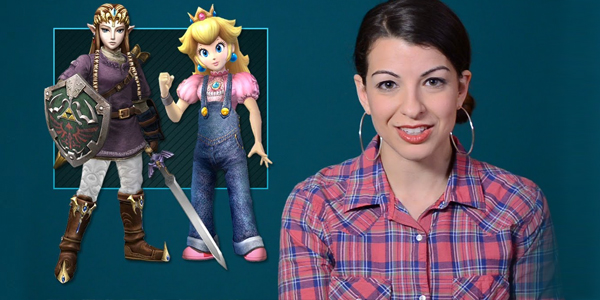
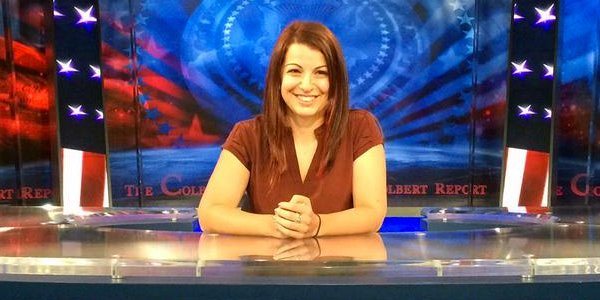
Prominent female rights activist Anita Sarkeesian is a hugely influential figure in the industry one way or the other, having chosen to address the very nature of tropes such as the 'damsel in distress' ideal that permeates so many games, as well as noting that for the most part females throughout gaming history have been over-sexualised and applied to certain titles - like Duke Nukem for example - as mere objects to be passed by. Now regardless of whether or not you agree with her points doesn't matter - she has a right to say them, as do we all to disagree. In fact there's been quite a lot of academic backlash against her tact of picking out certain scenes that are emblematic of her agenda, as combing through and highlighting certain scenes without their full context does little to convince players that are fully aware of a game's entirety that one specific example is considered offensive, but we digress. Sarkeesian recently appeared on The Colbert Report, in which she came across remarkably well considering the amount of death threats and hate speech flung her way on a daily basis, noting in response to Colbert jokingly mentioning how "We're saving damsels in distress, is that not what you want?" by ascerting "Well, perhaps she could save herself" to a rapturous audience response. Anita's work definitely has a place in the ongoing evolution as games as something more than just children or isolated socially-awkward peoples' playthings, but thanks to the public nature of her work and a very educated manner, she's ended up as the primary target for those wishing to spread the worst things they can think of when older ideas of what games 'should be' are challenged.

7. Multiple Issuers Of Threats Are Arrested
It shouldn't have to be said - although at this point every major gaming site along with the ESA (Entertainment Software Association) themselves has had to - but incredibly personal death threats over the internet are a very big deal. Controversial - and morally hollow - figures like UK motormouth Katie Hopkins make headlines by saying that cyber-bullying and the very idea of being harassed online is just something you can ignore and turn away from. Again that's up for debate - but we'd imagine if you were getting a constant torrent of abuse through email, Facebook and Twitter - with incredibly vile, vulgar details of how multiple people were going to kill you - before then supplying your personal address and names of your loved ones, it'd make an impact. People like Sarkeesian and other developers have actually relocated themselves for peace of mind, with Sarkeesian noting that she has the FBI involved in tracking down those who made the threats. Even though the internet is commonplace in our society and for the most part people like to think they can say whatever they like from the comfort of behind a screen - just look at YouTube comments for example. There needs to be a tipping point where issuers of death threats and spreaders of incredibly personal information are suitably reprimanded for their actions. Simple as.

6. Gaming Websites Cease To Function

Like the aforementioned Occupy movement, when it came down to specifics as to a plan of action, a suitable endgame was pretty much lost amongst the fray, resorting to some sort of metaphysical kitten sitting wide-eyed on the floor, occasionally mumbling something about 'Change' - and not the financial kind. However the goal for GamerGate is - initially at least - routed in clarifying a sense of how reviewers and major gaming sites go about settling on their scores. At the end of the day they're aiming to give a massive amount of people advice on whether or not to fork out a considerable amount of money on a product, but the call for 'more ethics in journalism' is something that's not easily quelled. Magazine journalism is all but dead now - unless a particularly well-known outlet can secure a deal with a publisher for an exclusive look at something further down the line, literally every little tidbit of information has leaked out onto the internet beforehand. We used to look to these exclusive features as the first-glimpses of any new title, but now you're more likely to find a full playthrough on Youtube of whatever you want to buy, rather than waiting for the embargo to lift on any official channels. Is that the direction you'd like to see gaming journalism go? It's a crying shame when some - mostly hardworking to be fair - Youtube 'celebrities' are the bastions of faith and trust in the industry, when they're the ones potentially least capable of dissecting every facet of a game's design in the first place. In this quest for clarity it seems like people want to see every part of the inner workings of the industry itself - something that just isn't feasible not only for journalists but also for publishers and developers too.

5. Zoe Quinn Leaves The Industry

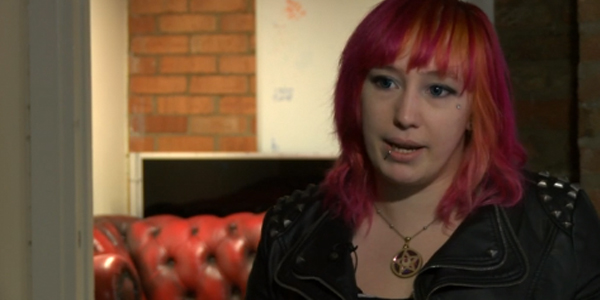
People seem to forget the match that ignited this gasoline-soaked debate was not actually Zoe Quinn, but a former boyfriend who elected to capitalise on her public status by writing a very lengthy diatribe detailing sexual history and supposed collusions with major publications. Quinn herself is an indie game developer best - and only - known for creating 'Depression Quest - a text-based interactive help program drawn from her own experiences as to how to deal with depression. Due to its nature as something completely original it was naturally lauded upon by the industry much in the same way anything from Flower to Papers, Please is, although naturally labelling smaller projects with only a modicum of interaction as 'games' is just never going to sit well with some people. We're sidestepping the personal stuff about Quinn here, because as much as people have made it their business and something of a moral crusade to launch off her sordid affairs as the fuel that powers their ethics crusade, such details should have never been made public in the first place. Whether or not the more vitriolic and vocal amongst the GamerGate followers would see Quinn's departure as a victory is down to how much you think her personal mistakes should colour her professional life, but the very nature of someone being forced out of their livelihood because someone else takes umbrage with their artistic output is inherently problematic for all involved.

4. 'Reviews' As We Know Them Get Abolished
The very nature of reviews as point-based systems that can dictate everything from your general mindset - "That's such a 6/10 game!" - to how much bonus someone who's worked for years on a project should get when the scores roll in, is something that the gaming industry is still jostling with. Ex-G4 wordsmith Adam Sessler has spoken out against Metacritic scores affecting peoples' actual lives in the past - Fallout: New Vegas dev Obsidian missed their bonus by ONE point after release - and since then his then-new site Rev3 Games has employed more of a generally summative sentence to their reviews, rather than a numerical score. Kotaku too have been sporting a simple "Should you play this?" conclusion, with others like Giantbomb, IGN and Polygon sticking with five stars or 10-point scales respectively. In this rather visionless quest for ethical clarity it's also seen the practice of assigning numerical scores to reviews come under scrutiny - how exactly does something get awarded whatever it then ends up with? How does an individual's personal preferences weigh-in on that, and how much of this is transferred across to you on first-view, without getting to know the reviewer? In the end the only way we can envision the majority of people being happy - those who don't want to actually get stuck in and follow a review team to learn their individual tastes - is simply doing 'Let's Plays' of titles where levels are just played through; letting the public decide how everything looks. It's part of why gamers on Youtube have taken off so much, as many see guys like AngryJoe or TotalBiscuit 'telling it like it is' instead of being constrained or pushed in a certain direction by a larger target-driven publication.

3. GamerGate'rs Stand Firm, But Stand Down
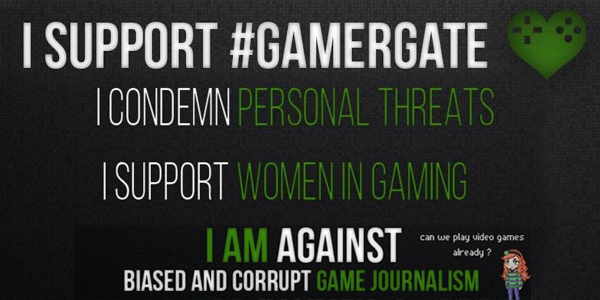
The one followers since the start don't want to hear - or even entertain the notion of - but it's true. Sometimes on a big enough scale, even for the best intention you're going to attract people who supposedly support and endorse the cause, but end up doing far more damage to it than good. It's obviously not something 'Gaters' are going to 'give up' without a fight - and that's because it shouldn't be seen as giving up at all. For those people who genuinely believe in clearer, more ethical journalism with regards to how exclusives come about and how games are scored and advertised, they need to get as far away from the GamerGate tag as possible. It's only when you take one step back and imagine what the movement looks like to outsiders that your voice is lost amongst the rabble of barbaric column inch-stealing idiots. The simple fact is that nobody outside those who have been following from the start - and who know the exact motivations the movement was supposed to be about - can understand this now. For all the strides gaming has made into the mainstream eye there's still a huge misconception when it comes to understanding what 'being a gamer' is as a hobby; and therein lies the easily-swayed public opinion towards that of old - that all games are violent, women-abusing time-wasters with zero substance. Whether you want to admit it or not, GamerGate now only serves to reinforce that notion ten-times over, and as you'll know from real life, trying to shout louder than a maniac with anarchistic tendencies on their mind is just a lose-lose all round.

2. Someone Actually Gets Killed

A few weeks ago Vice did a piece entitled "Does someone have to die before GamerGate calms down?" which although that's an extreme look at what must be an uproariously good chuckle down whatever forum thread the threats are concocted on, is the only logical conclusion one can come to when reading the sorts of things people like Sarkeesian and other female developers have been sent. We severely doubt anybody would actually take up arms and deliver on the gun threats that have been made known, or worse, travel from wherever they are to someone's house with the intention of brutally harming them. Because make no mistake, if anything even remotely close to what's been sent to these people comes true, 'gaming' as that hobby we all indulge in to varying amounts will be getting one trip straight back to the early 90's mindset of blood, guts and carnage. The threats that have been sent out are obviously born out of this desensitised internet mindset many of us are guilty of, where sometimes you just want to say something harmful to another online, but the sheer level of disgusting and detailed comments that are out there is truly worrying. It literally does not matter that it's only a small percentage of those using the GamerGate hashtag to spread their abuse - it's what's gotten the most headlines, and had the most effect worldwide. It's time to bury the GamerGate hashtag and make sure the public eye is nowhere near it. The bigger the tag gets, the more impetus there is for disturbed individuals to repeat any the headline-making mistakes from the past just to get recognised.

1. Two Powerful Figureheads Can't Have A Real Debate
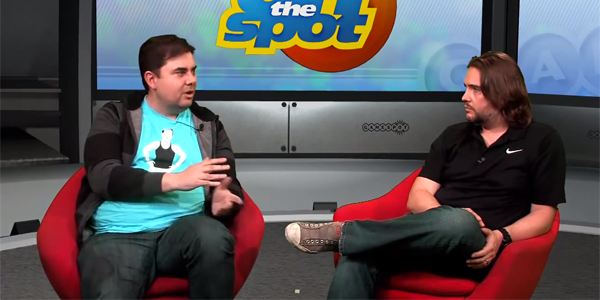
Some of you may remember back when Giantbomb head reviewer Jeff Gerstmann was let go from his position at Gamespot following his review of Kane & Lynch: Dead Men, as after their site was thoroughly decked out in advertising for the game, he then did a very negative review pulling it apart. What followed was years of silence with Gerstmann himself bound to contractually never talk about why he was let go - until 2012 when Gamespot's owners CBS also picked up Giantbomb - with Gerstmann finally stipulating he'd only come on board if they could do a 'full disclosure' video. Fans of Gerstmann's work and of video game culture in general loved the clarity in how things were finally played out, and it's with a similar tact that we assume the majority of people would be happiest with the GamerGate story. Whether than means grabbing someone like Geoff Keighley to talk about his infamous Dorito-backed appearance on Levelsave.com, having a civil discussion between prominent 'voices of the people' that made their name through Youtube up against Editors in Chief from the likes of IGN, Polygon etc. or just systematically presenting a breakdown of the chronology of events for the sake of clearing it up - anything with authority will do. At the end of the day we're at a stalemate, with the guys who have been in the industry for decades refusing to get involved in a sh*t-slinging match, and those who actually want answers batting the ball amongst themselves forevermore. Something has to change for this to be resolved peacefully, although honestly it's more likely to go one of these 10 ways instead. How do you see this whole thing playing out, after considering everything that's happened? Let us know in the comments!

In this post: 
GamerGate
 
Posted On: 
Gaming Editor
Gaming Editor

WhatCulture's Head of Gaming.