9 Awesome Video Game Moments That Didn’t Need To Happen
Let the developers give us that sweet extra sauce.

From Shepherd spinning around and stabbing Kai Leng in Mass Effect 3, Master Chief manually guiding a bomb into a covenant ship in Halo 2, to letting loose as the incredibly power Jedi Master Cere Junda in Star Wars Jedi: Survivor – sometimes it's those standout moments that arguably could've been minimised for the sake of story, but you're so glad developers took the time to nail them.
In a modern gaming landscape, it is increasingly obvious that games are becoming more streamlined by cold corporate intervention. These sorts of moments or gameplay ideas feel increasingly rare, as it's hard for a developer to get any time for a single knockout scene.
But often it’s these moments which, when developers have been allowed to cook, end up being some of the best in a game.
Be them big or small, hilarious or serious, with this list we are looking at those exact standout moments which give us that sweet extra sauce.
9. The Dawn Will Come - Dragon Age Inquisition

Dragon Age Inquisition was an absolute return to form for the Dragon Age series and remains one of BioWare’s best outputs to date.
Moving away from the predetermined character of Hawke and the fixed location of Kirkwall in Dragon Age 2, Inquisition opened things us massively.
As our very own inquisitor character, we are tasked with exploring the truly beautiful Thedas to find and close rifts in the Veil as a result of the Breach – a tear between the physical world and world of demons and spirits known as the Fade.
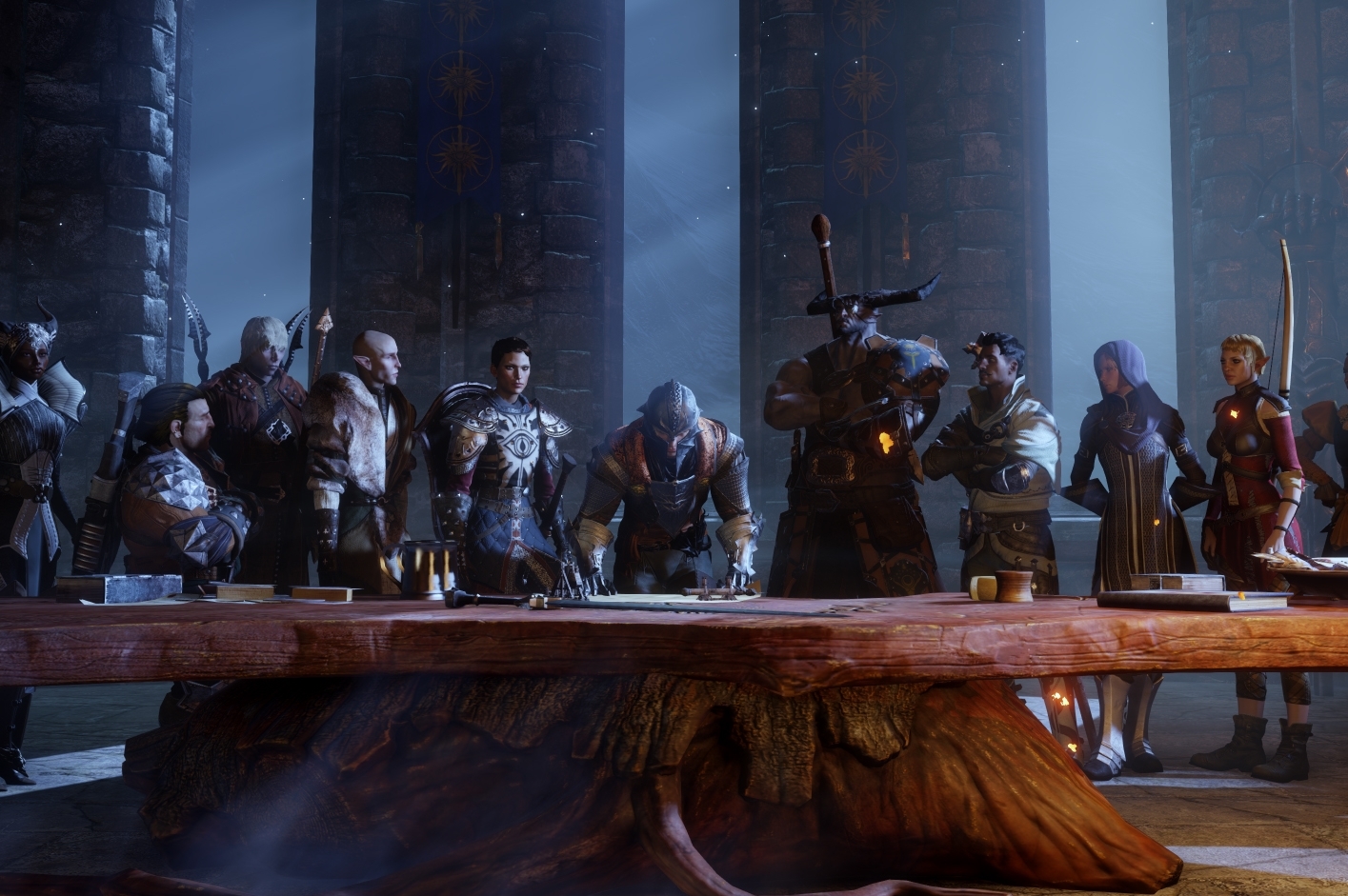
Inquisition is filled with incredible moments of battling dragons, exploring new locations and getting to know your well-written companions. However, one particular noteworthy moment stands out towards the beginning of the game.
After successfully closing the breach above Haven, celebrations are cut short following an attack led by the ancient Darkspawn mage Corypheus and his dragon, who wipe out most of the village.
Solas then leads the survivors and your companions to the abandoned fortress of Skyhold, with all appearing to be lost after suffering such a heavy defeat.
However, the solemn mood begins to change as Mother Giselle sings The Dawn Will Come and one by one your companions and the Haven survivors join her in singing the Dragon Age theme.
This scene is beautiful as a moment of restoring the lost faith of everyone, reminding them that when times are hard and everything seems lost – the dawn will come.
This easily could have been a rousing speech from a character instead or simply implied in minor moments throughout the game, but the inclusion of this scene adds to the significant levels of nuance and emotional complexity within the game.
It is truly an epic moment of Inquisition and reminds you that your strength as the Inquisitor comes from working together with your team, which will ultimately lead you to triumph. And, if nothing else, it reminds us that when ‘the BioWare magic’ works, it is something truly special.
8. The Lady of the Lake Knights Geralt - The Witcher

CD Projekt Red’s The Witcher franchise is arguably one of the best RPG series ever made. Following its stoic but layered protagonist Geralt throughout, each instalment takes us on politically charged high fantasy adventures; from battling mythical creatures to wading through the Nilfgaardian war.
The series is heavily influenced by European folklore and mythology, especially evident in the beasts which you fight and in particular characters that you meet.
A standout famous mythical character from Arthurian legend is The Lady of the Lake, who makes a reoccurring appearance throughout the series. However, it is her appearance in the first Witcher game which gives us a truly epic moment.
Following the questline ‘The Paths of Destiny’ to completion leads you to The Lady of the Lake at her shrine at a lakeside. After engaging in conversation with her regarding Geralt’s destiny, she offers a gift to you before a cutscene takes over.
This sequence goes hard and is incredibly cinematic!
The water around you rises up as The Lady of the Lake slowly walks towards you, with aethereal music swirling behind. She asks Geralt to kneel and delivers a powerful speech on the importance of truth and becoming a worthy protector, before knighting him with the silver sword Aerondight.
Once Geralt rises a knight, she gifts him the sword and disappears into the lake, leaving you with a very powerful weapon.
The whole sequence could have played out as a short transaction in the way we’ve seen countless times before in video games – you click the dialogue, the NPC gives you the reward, it appears in your inventory, quest completed – with no cutscene at all.
However, CD Projekt Red are known for giving that extra touch
of finesse to their games and this is a prime example. The entire scene is
beautiful in its delivery, further drawing you into the epic world of the
Witcher and making its mythology all the more engaging.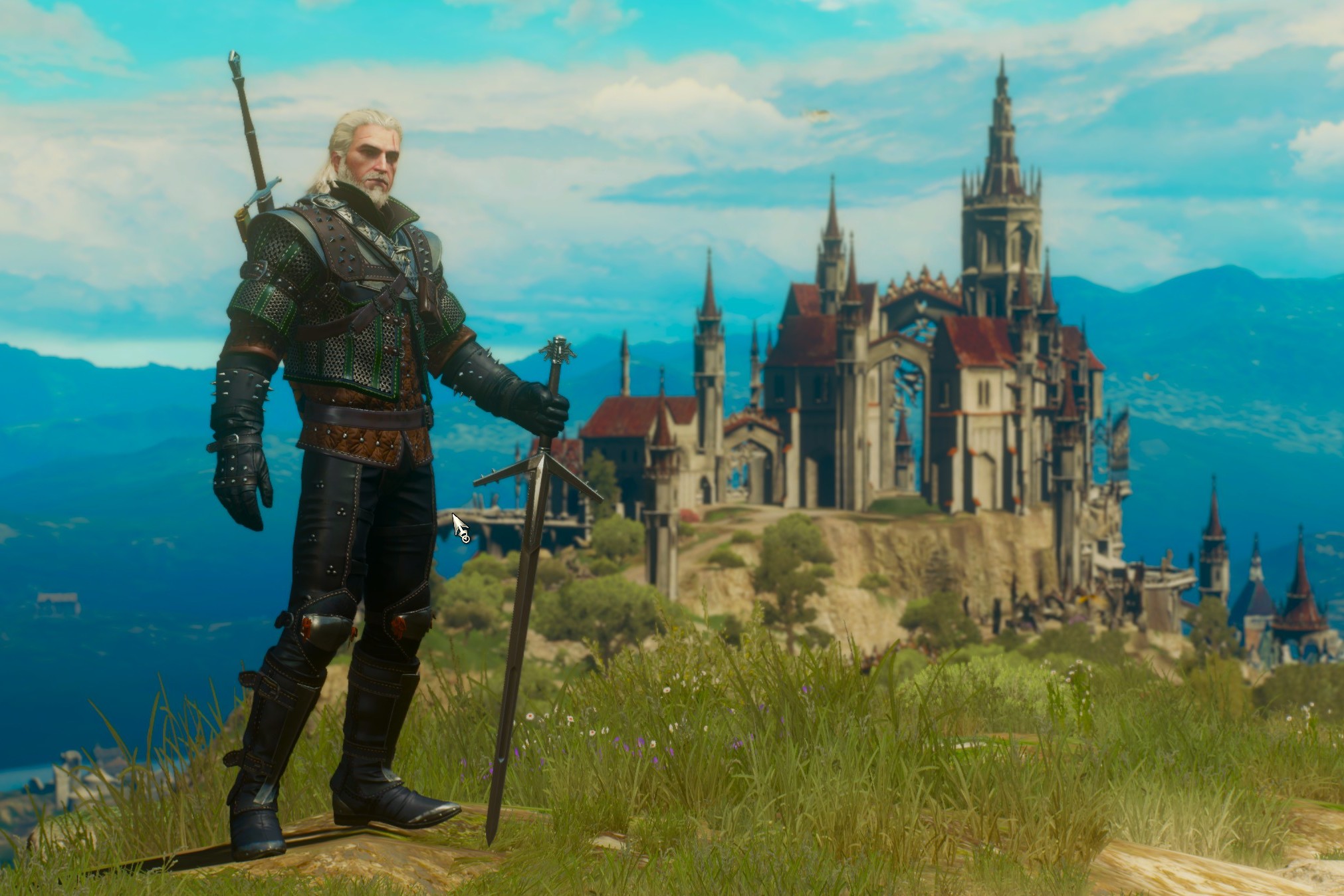
The Lady of the Lake returns in The Witcher 3’s Blood and Wine DLC in which we see her thrusting the sword from a lake to present to you once again.
Leaning more heavily into the Arthurian legend motif here, this scene effectively builds upon that initial 2007 sequence which, even back then, demonstrated just how far CD Projekt Red will often go to deliver that extra good stuff within their games.
7. Take On Me - The Last of Us Part 2

The Last of Us Part 2 takes us on a much grittier, angrier journey of vengeance with Ellie (or as The Bride in Kill Bill would describe it – “a roaring rampage of revenge!”)
The mood is incredibly bleak and sombre throughout the majority of the game; however, this allows for the smaller lighter moments to really shine among those darker tones.
One such infamous moment occurs during the early hours of the game as you ride on horseback with Dina through the post-apocalyptic Seattle.
Clearing out infected from the dilapidated buildings leads you to an old music store. If you take the time to fully explore the location, you will find a pristine acoustic guitar in a case.
Ellie will take the time to tune it and play some chords on the guitar before performing a cover of the classic A-Ha song Take On Me, with Dina watching on.
This moment is special in its multi-layered representation. Firstly, in a video game that can be incredibly bombastic and loud with harsh sounds of guns, death and destruction, juxtaposing that with the quieting calm of Ellie playing and singing gives a moment of emotional tenderness amongst the gloom.
But also, and most importantly, this moment highlights the emotional bonds which Ellie has built with the two most important people to her – Joel and Dina. Joel bonded with Ellie by playing the guitar and teaching her how to play.
After Ellie
plays to Dina, they reflect on the history of their relationship together and
when their feelings began to develop for each other. 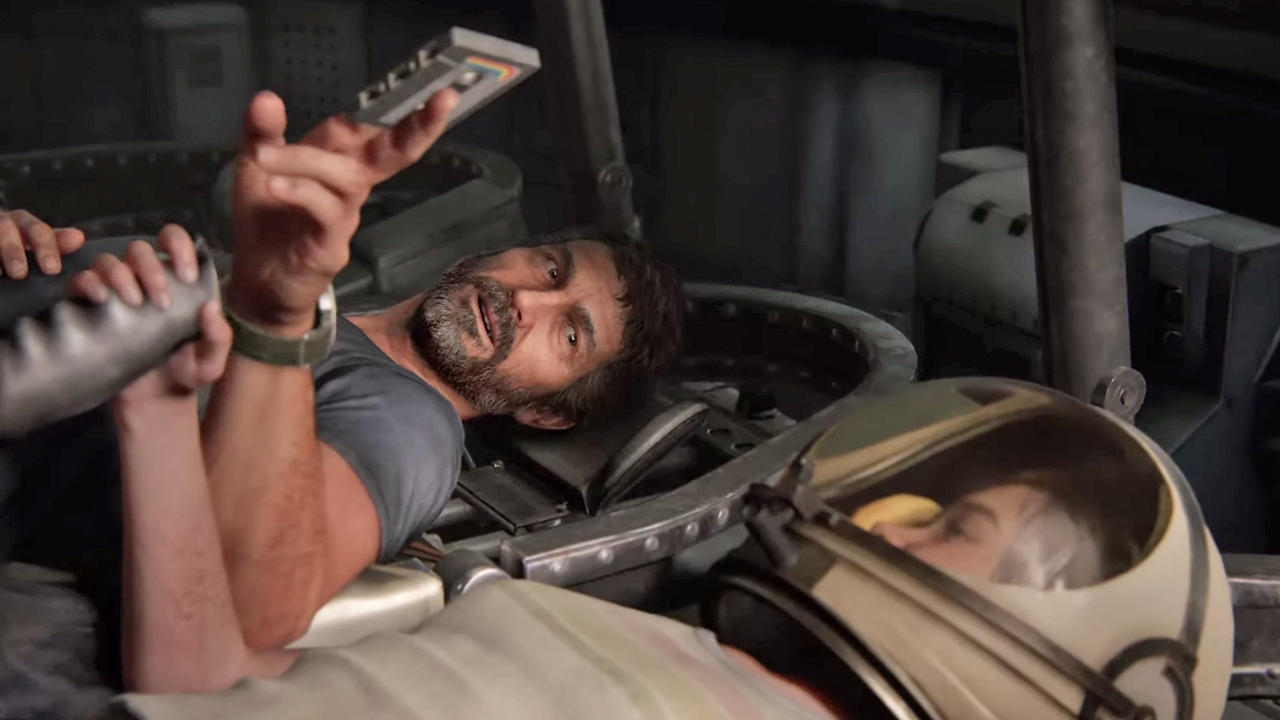
The crazy part is that this moment can be missed altogether! It is completely optional to explore this location and can only be discovered by actively choosing to do so. The game carries on as normal if you do miss this and there are, of course, plenty of moments throughout both games which shine in their character development.
But finding this moment is joyous and further demonstrates Naughty Dog’s ability to explore the emotional depts of their characters in a manner which shows and doesn’t tell.
6. Psycho Mantis Breaks the Fourth Wall - Metal Gear Solid

Hideo Kojima is renowned as a visionary video game developer whose work includes some of the most innovative and inspiring ideas explored within gaming. Heck, this whole list could just be entries from his entire Metal Gear Solid franchise!
There are numerous examples in each game of going the extra mile to achieve something groundbreaking and making you question ‘have I ever experienced this in a video game before?’ One such example I draw your attention to is the boss battle with Psycho Mantis in 1998’s Metal Gear Solid.
When you first encounter the psychic member of FOXHOUND floating in midair, he initially ‘reads’ two things about you – your playstyle within the game so far and any Konami video game savings you have on your memory card.
He initially comments on your progress by judging how often you have died, alerted enemies with your presence and how successfully you have navigated traps.
Although being praised/read to filth by Psycho Mantis here is a fun inclusion, recording your progress and ability and adjusting things where necessary is commonplace in video games.
However, no one was ready to hear Mantis commenting on how much you enjoy playing the likes of Suikoden, Azure Dreams and Castlevania. This 4th wall break was further explored in 2004’s Metal Gear Solid: The Twin Snakes on GameCube as Mantis would also comment on your Nintendo video game savings.
Beating Mantis also took some creative thinking as trying to fight him head on proved incredibly difficult considering he could read your every decision and move. But by switching your controller port on the console meant that he could no longer read you, making it a much fairer fight, with Mantis also commenting on this after his defeat.
The Psycho Mantis boss battle will forever stand out as a video game going the extra mile to achieve something incredible. Breaking the 4th wall to speak to you directly, the player, and switching controller ports were revolutionary for the time and have gone onto inspire many video games since.
Video game boss battles come in all shapes and forms and this could have been a much more straight forward affair of taking down the boss to move onto the next section.
Giving him psychic abilities and exploring what that could mean for the player is next level thinking and the kind of creativity which Kojima is often known for.
5. Aribeth Joins You - Neverwinter Nights

Another BioWare entry here, but this time we’re going old-school with their classic Neverwinter Nights.
Near the start of the game, you meet the elven paladin of Tyr Lady Aribeth de Tylmarande, who tasks you with finding the Waterdhavian creatures to help cure the city of a sickness.
Her half-elf lover, Fenthick Moss, works with you to help create a cure for the Wailing Death that is affecting the city.
However, all goes pear-shaped once the cure for the sickness is created. Fenthick’s partner Desther Indelayne steals the cure and reveals himself to be in league with the game’s overarching villain Morag, much to Fenthick’s shock and dismay.
Fenthick is later falsely accused of “collaboration” with Desther and Morag and is ultimately hanged as his punishment.
This sends Aribeth down a path of rage and destruction as she quickly turns her back on the city and becomes an antagonist, who you even have to fight later on in the game.
Once Aribeth is defeated, you would be safe to assume that is ultimately
the end of her. However, enter the second expansion pack for the main game –
Hordes of the Underdark.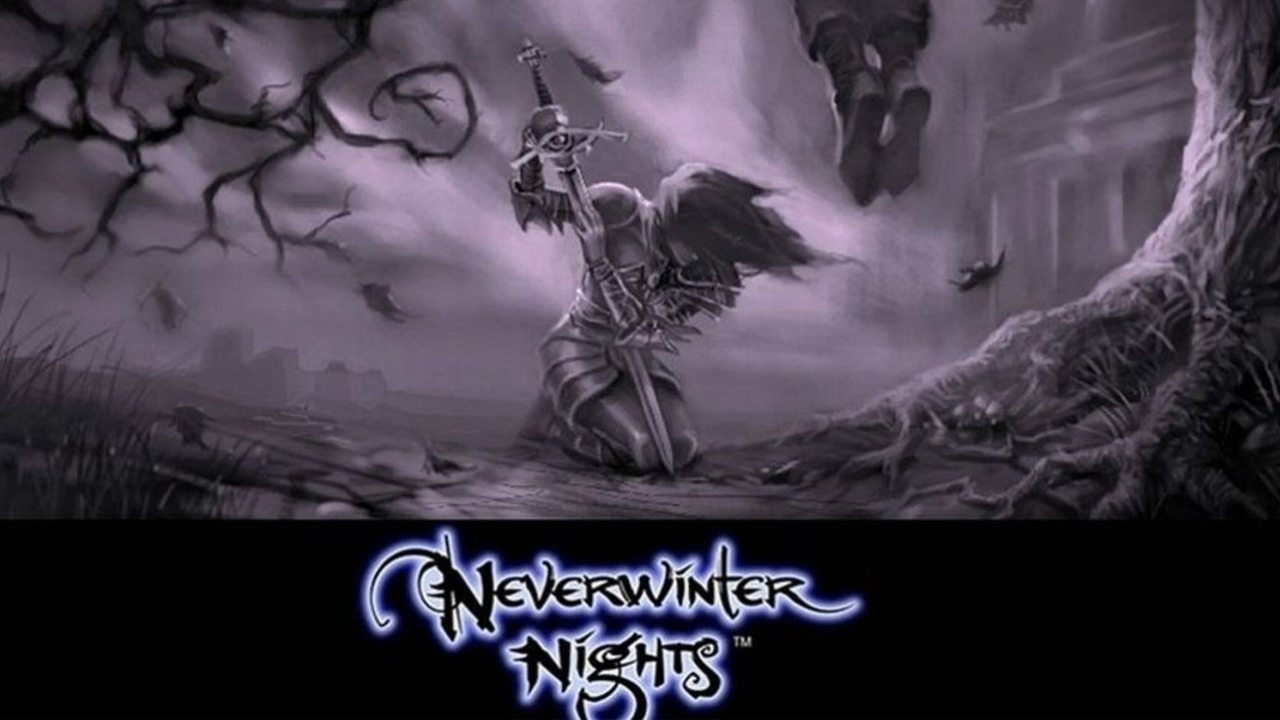
As you travel to the area called Cania, the ninth level of Hell in the game, you come across a frozen Aribeth, which is presented as a side quest for you to unfreeze with fire if you indeed choose to do so.
This would be a wise decision, she tells you she was sentenced to hell following her actions after turning against the city of Neverwinter.
You can also recruit Aribeth as a companion to join you on your quest for the rest of the game and can even romance her, which leads to a rather moving storyline in the game’s conclusion.
Aribeth is a
prime example of what BioWare are known for – taking you into an incredible
fantasy world which you explore alongside well written companions. 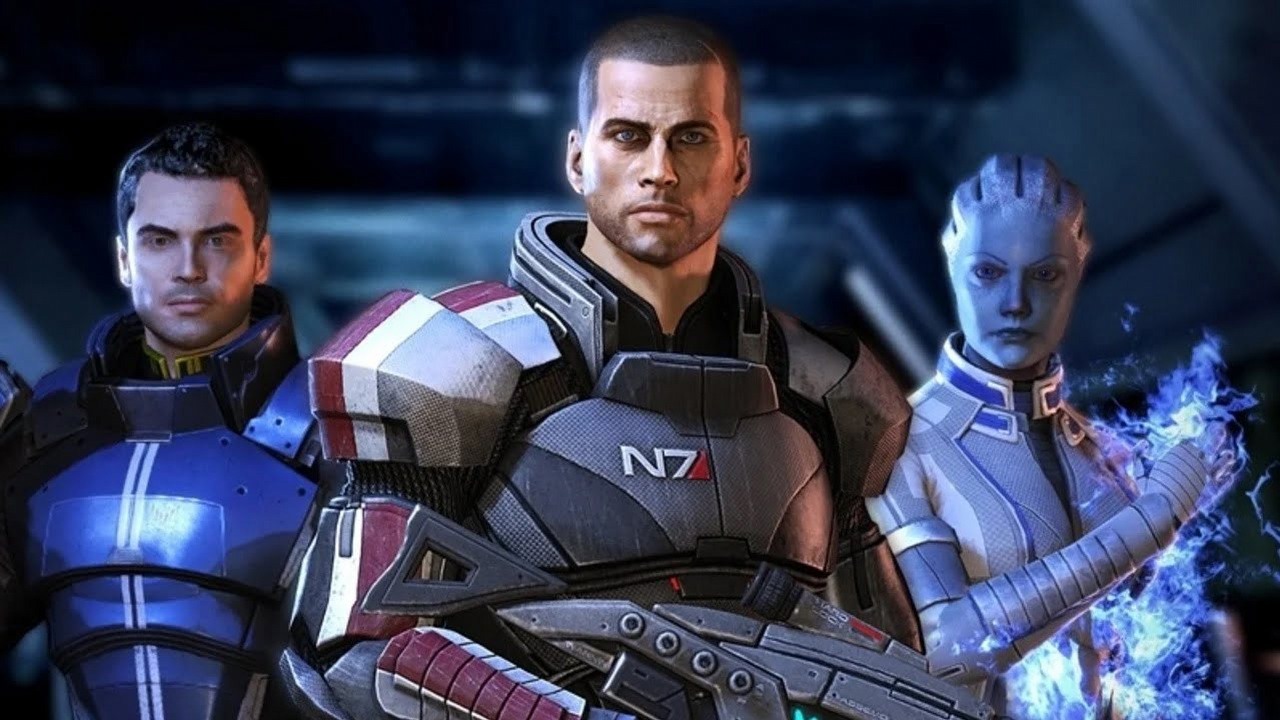
When you think of any great BioWare game, chances are it’s the characters who immediately come to mind. Witnessing their journey and growth alongside your character is part of what makes up the overall epic experience of the game.
Meeting Aribeth again was completely optional here, you could have made your way through the rest of the game with other companions.
But finding her again and seeing her full character arc through to completion is absolutely worth your time, further highlighting that BioWare are at their strongest when they are able to tell their stories in their own way.
4. Meeting the Real Jack Baker - Resident Evil 7

Resident Evil 7 was a huge turning point for Capcom in the Resident Evil series. Given how underwhelming Resident Evil 6 was when leaning fully into all out action and trying to balance 3 different co-op character campaigns, RE7 had a lot riding on it.
What we got was an incredible changeup to the series – a mainline first-person instalment following new protagonist Ethan Winters who is searching for his missing wife Mia.
It was a successful return to the survival horror routes the series is known for, with its clever switch to first person pulling you more into the horror experience.
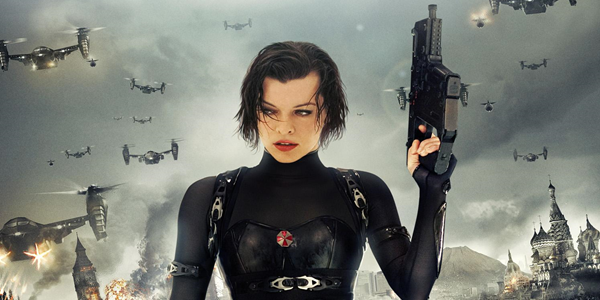
Its gritty VHS horror movie aesthetic is more akin to Evil Dead, which ditches the prior instalments heavy action focus at levels seen in Milla Jovovich’s movies of the same name (because those movies… yeahhh...)
Ethan searches for Mia in a derelict family home belonging to The Bakers, an infected family consisting of Jack, Marguerite, Lucas and Zoe (Oh and Grandma Baker is chillin’ throughout the game as well!)
The initial 3 Bakers we meet in the infamous dinner table scene serve as bosses to face within the game. However, Jack is the more consistent antagonist as you come to face him 5 times throughout with a mixture of running away from him or taking him on in boss battles.
He is persistent in his pursuit, serving as this game’s Mr X or Nemesis villain – bursting through walls and doors to hunt you down. However, there is a moment we share with Jack which completely changes your perception of him.
Later on in the game you enter what can only be described as a shared consciousness within the mould in a cutscene. You wake with Jack standing over you and initially Ethan throws his hands up to defend himself.
But instead of suffering yet another attack from the man you’ve either ran from or battled as a boss by this point, Jack consoles Ethan with a calming voice as he says “I’m not gonna hurt you, hell I never would have if I could have helped it.”
He explains that none of his family are killers and that the main antagonist, Eveline, took control over them all. He then begs you to save his family before Ethan fades back out of the shared consciousness.
Without this cutscene, we would have framed Jack and his family as typical boss encounters we’ve seen before in the likes of Wesker, William Birkin, Nemesis and Tyrant – the big bads we kill to complete the game.
But this moment flips the script in
the way we understand the Bakers, giving incredible dept to otherwise familiar
Resident Evil bosses. It can be argued that some have emotional layers, such as
William Birkin still caring for his daughter Sherry after his mutation.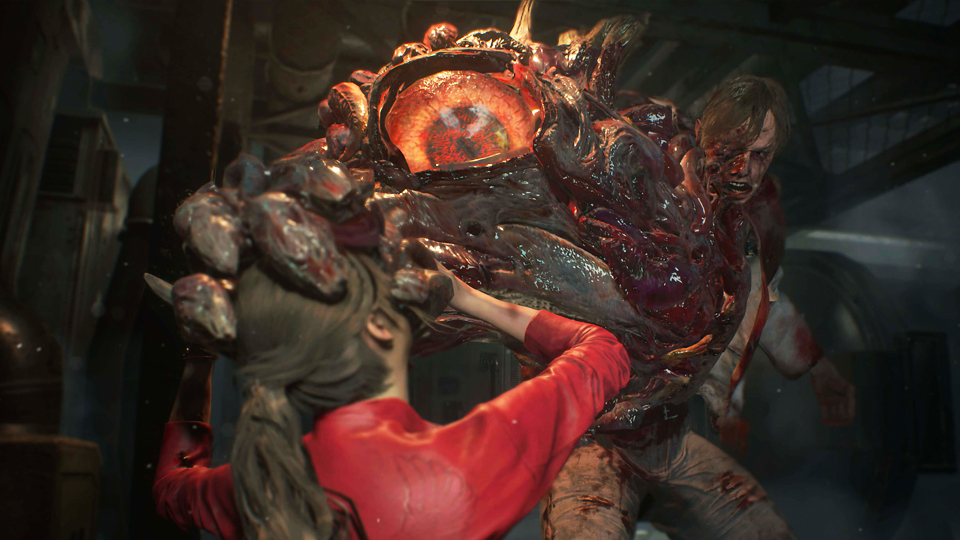
However, we are observers of this, we don’t engage with William in the way that we do with Jack. His emotional plight hits differently, speaking to Ethan directly (and by first-person extension, the player) which humanises him as a man simply pleading with you to save his family.
This poignant moment is incredible in executing layers of vulnerability and an emotional tenderness we rarely get to see in a Resident Evil game (although Claire Redfield crying out for Steve in Code Veronica still gets me every time!)
3. Drinking with Lenny - Red Dead Redemption 2

Red Dead Redemption 2 is an incredible achievement on many levels – the performances are powerful, the world is stunning and alive and it’s writing is genuinely top tier.
Playing as member of the Van der Linde gang Arthur Morgan, you traverse the 1899 western landscape in a story rich with action and adventure, which ultimately concludes sorrowfully for Arthur (still one of the top video game moments which makes me cry!)
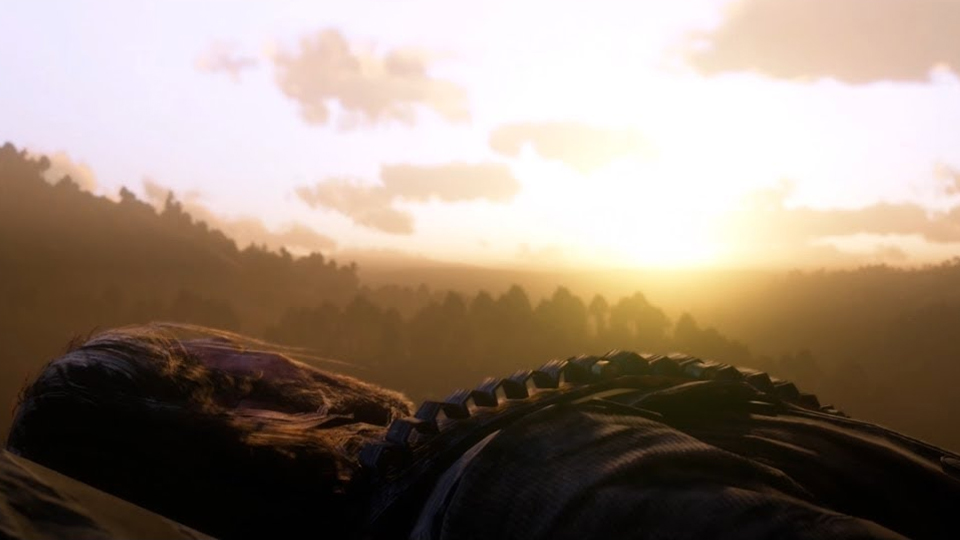
In the beautiful expansive open world, you are free to explore the many different quests that are available to you. Some give you greater insight into characters whereas others are designed to show off the more unique aspects of the game.
And there’s one which includes just damn crazy fun and that’s when you go drinking with Lenny in the quest ‘A Quiet Time’.
A fun-loving and loyal member of the Van der Linde gang, Lenny is flustered with worry when another member of the gang, Micah, has been arrested in the town of Strawberry and he barely escaped being caught himself. Arthur agrees to take Lenny for a ‘quiet drink’ in the Saloon in Valentine to help calm his nerves.
What starts as a few drinks at the bar with Lenny (and dealing with a guy sitting next you who mocks you) ends up with you both getting absolutely wasted and hilarious drunken antics ensue.
You lose Lenny and the bartender tells you he went upstairs. While looking for him in one of the rooms, you stumble upon a couple *ahem* getting down to business, before finding him leaning against the railing drinking. After spacing out, you come to find Lenny fighting on top of the bar and as you go to help him, you black out.
When you wake to try and find Lenny, you wander through hazy moments between blackouts. These include everyone in the bar dancing in a line, everyone looking exactly like Lenny, more fighting, taking a leak and even drowning the guy who mocked you at the bar earlier outside. You can avoid being arrested by the law by running into the woods or Lenny will pay your fine if you end up getting caught.
The beauty of this mission is how much Rockstar Games fully leaned into it; giving life and humour to these characters, which in turn allows us to come to know and love them.
This could have been a quiet moment between Arthur and Lenny as they
reflected upon the job ahead, as we see strong moments between characters like
this throughout the game. 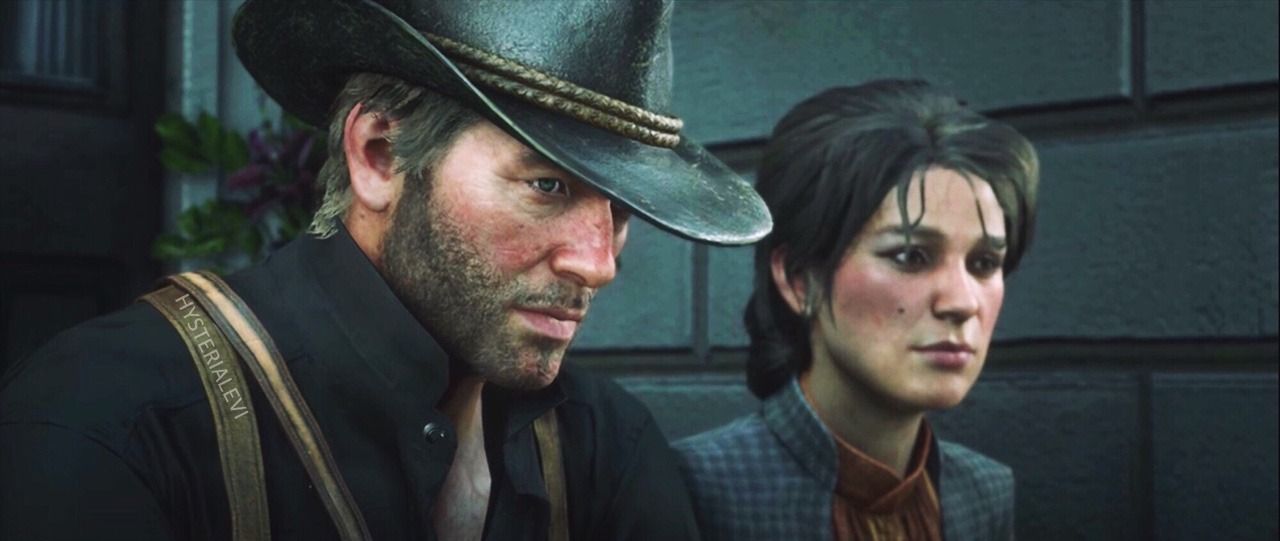
But nothing could prepare us for how much fun you have controlling a drunken Arthur through the hilarious moments of him simply trying to find his friend.
If you removed this quest entirely, things would play out the same as you free Micah from jail in the next mission ‘Blessed are the Meek’. However, drinking with Lenny is one of many examples of Rockstar Games employing an incredibly detailed and cutting-no-corners approach when developing games.
Plus, it gives us a fun and rewarding time to have with Arthur before things take a darker and much more emotional turn later.
2. Peter Shoots His Mother – Marvel's Guardians of the Galaxy

Marvel's Guardians of the Galaxy is an incredibly fun, slick and engaging single player adventure, which demonstrates just how well superhero video games can thrive when they’re not built upon a live service model (I’m looking directly at you Suicide Squad: Kill the Justice League!)
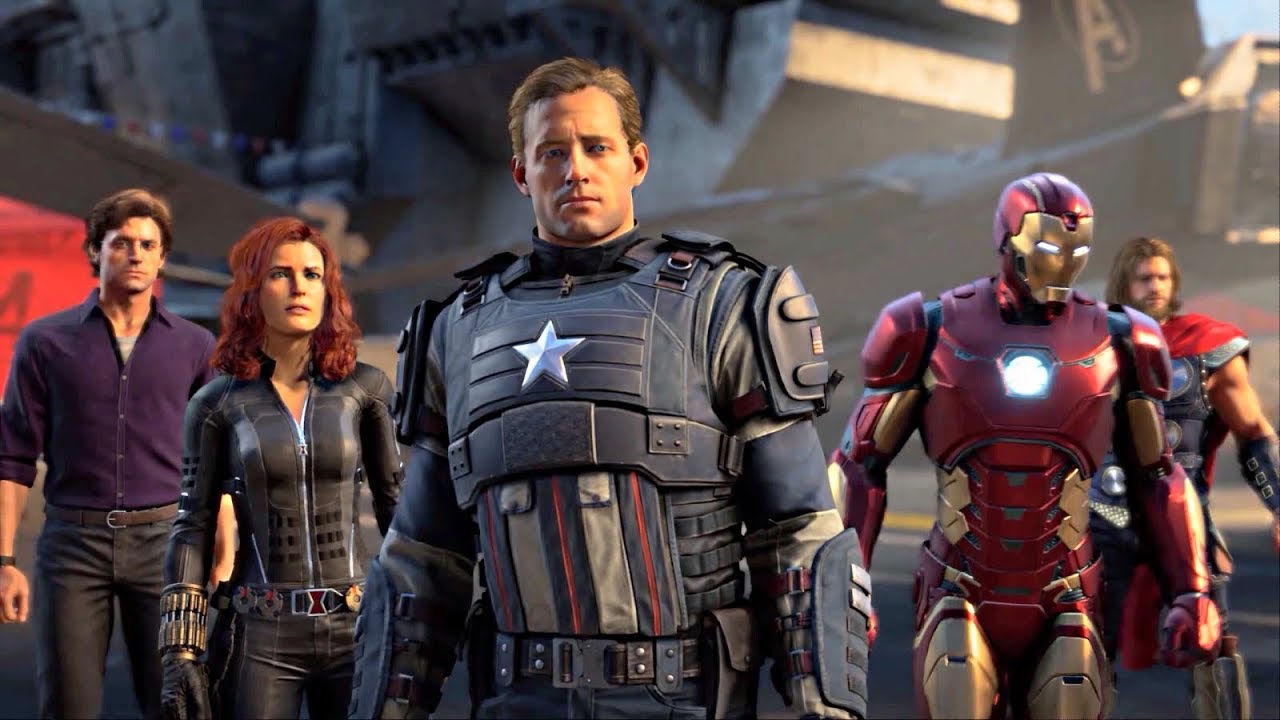
The irony here is that the developers, Eidos-Montréal, are the creators behind 2020’s live service game Marvel's Avengers, which has since gone on to…well…die. But Guardians is the product of learning from one’s live service mistakes and shifting focus to tell an engaging story with a great gang of characters. And oh boy is it an emotional one!
Playing as Peter ‘Star-Lord’ Quill himself, you and the rest of the Guardians – Drax the Destroyer, Gamora, Groot and Rocket Raccoon – are heroes for hire who pursue adventures as you wander around the galaxy together.
The game’s opening, however, is poignant which is further explored as the game progresses. We see a 13-year-old Peter celebrating his birthday with his mother Meredith, before she is killed by Chitauri warriors who arrive and kidnap Peter.
He is left with trauma after this incident and behind the wise-guy quippy personality of Star-Lord is a Peter who still misses his mother.
Later in the
game, the Guardians are captured by Raker, the Grand Unifier and leader of the
Universal Church of Truth. Raker takes you to meet the Church’s Matriarch who
turns out to be Nikki, a character we meet earlier in the game whom Peter
questions if she could indeed be his own daughter. 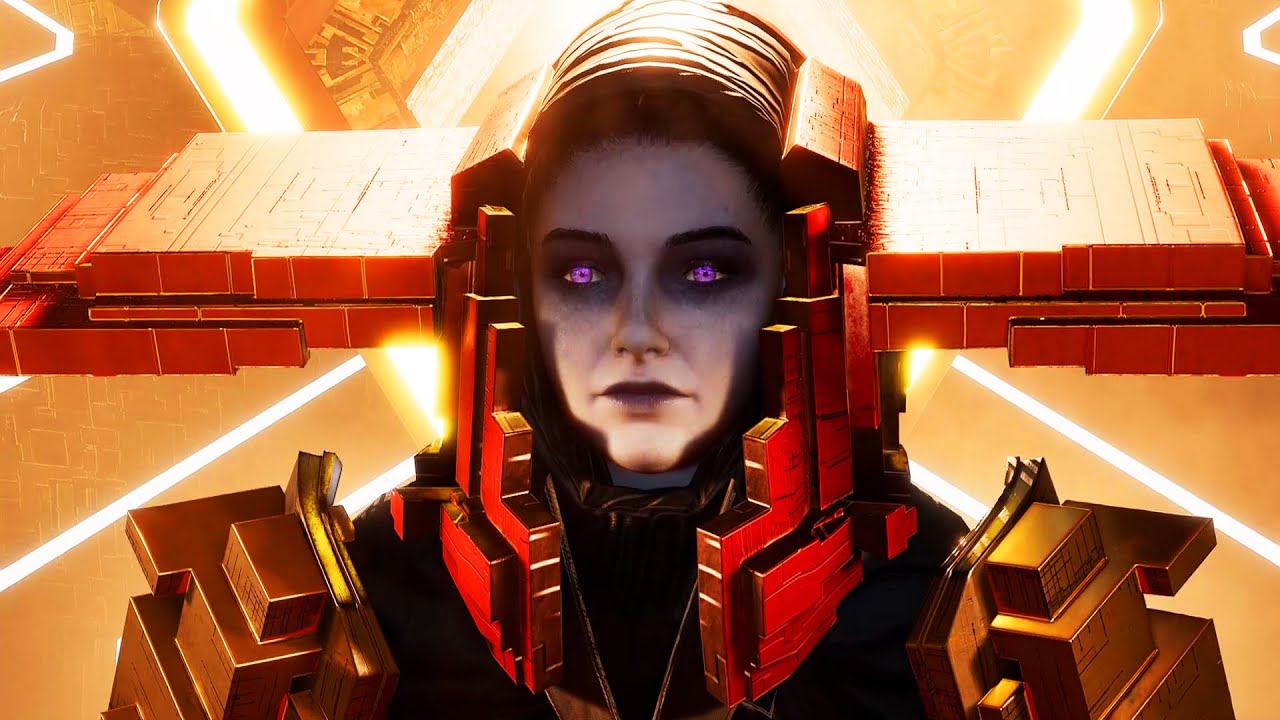
Now this is an emotional punch for Peter, as you’ve spent the majority of the game building a fatherly relationship with Nikki by this point. However, things turn even darker following this.
The Matriarch uses the Soul Stone to brainwash followers with a ‘promise’, which creates an illusion of a person’s deepest desires and traps them within it.
As Peter, you are sent back to that fateful moment on his thirteenth birthday, but this time an adult Peter is able to fight off the Chitauri warriors and save his mother. Although slightly sceptical at first, Peter falls fully into it and embraces his mother, the person he has desperately missed the most.
He sees the other Guardians living in his childhood home with him and his mother – Peter has everything he’s ever wanted. But when Nikki is mentioned as Peter’s illegitimate daughter, the illusion begins to crack and Peter is reminded of his actual reality.
He is quickly taken back to the moment of hugging his mother outside after saving her, but Peter now understands the illusion he is in and what it’ll take to remove himself from it and save Nikki.
This emotional beat hits incredibly hard. Peter raises his gun to his mother with a shaking hand as she pleads with him not to do it; to stay there with her forever.
Watching Peter’s inner turmoil as he fights his desires before shooting her is truly heartbreaking and gives us a beautiful moment of character development. In a lesser game, this wouldn’t have happened. We could have heard about the effects of the Soul Stone and a Nikki boss battle could have played out immediately after.
But this moment in particular highlights the strength of focusing on your characters and their emotional journeys. We get to know the characters better and in turn are more emotionally invested in the game.
Eidos-Montréal really pulled it back with Marvel's Guardians of the Galaxy by investing in the characters and inviting players into a fun and engaging world. Focusing on story and the Guardians’ big personalities and inner demons is ultimately more interesting than, say, increasing numbers on equipment and different coloured weapon skins.
1. Herald of Darkness – Alan Wake 2

After a 13-year wait, we finally got a sequel to Remedy’s hit game Alan Wake with Alan Wake 2 in 2023. And wow – what a sequel we got!
Trapped in The Dark Place under Cauldron Lake after saving his wife Alice, Alan resided there for all of this time and left fans wondering just what had happened to him.
Thanks to the shared universe between Alan Wake and Remedy’s 2019 game
Control, fans finally started receiving hints and an eventual confirmation of
Alan making his return. 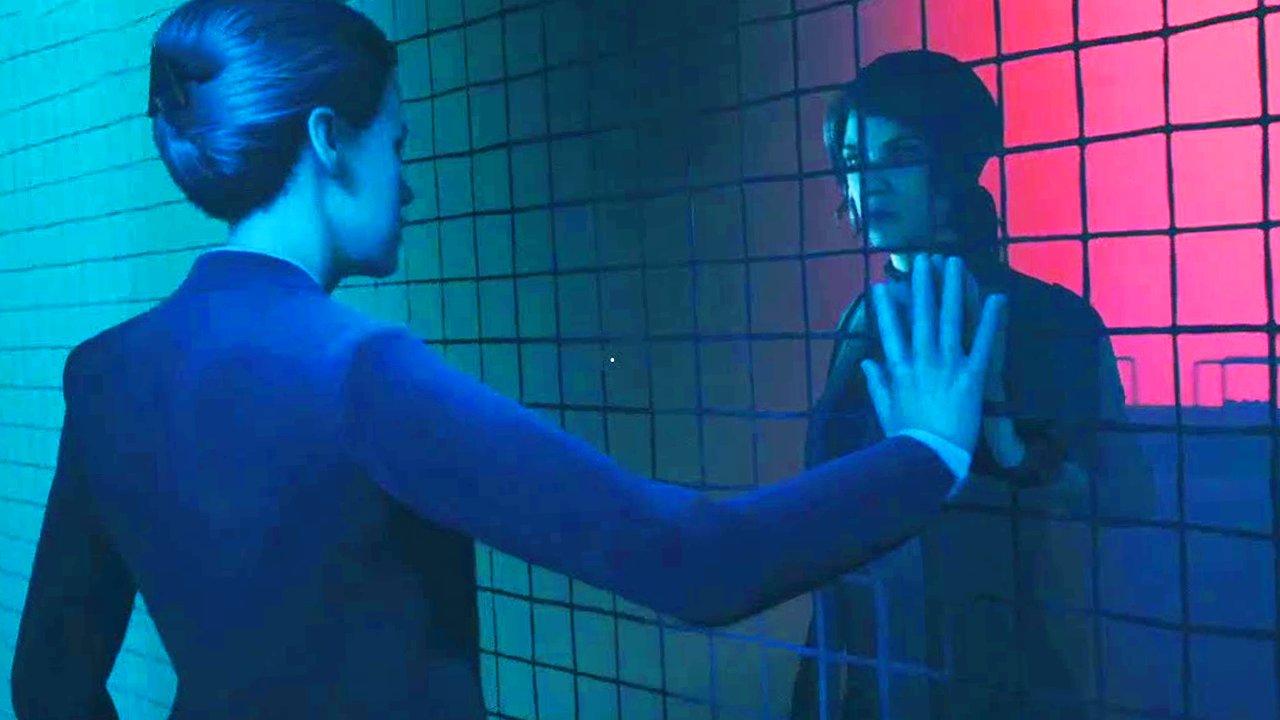
Playing as FBI agent Saga Anderson, you are sent to the town of Brightfalls to investigate some ritualistic murders with her partner Alex Casey (AKA Remedy’s own Sam Lake himself!)
As you search around Cauldron Lake you come upon a washed-up Alan, who you take back to an inn and listen to him recount his time within The Dark Place.
Saga’s gameplay is a more straight forward detective and investigation affair as you find clues and piece together information in her ‘mind palace’ to solve the case around the mysterious Cult of the Tree.
Once you begin to play as Alan, however, things are drastically darker and much more experimental by comparison. Alan navigates a twisted Dark Place version of New York City as he attempts to free himself from this alternate reality.
He moves between the Talk Show Studio, a
hotel and the darkened streets of New York with the ability to change the
environment by absorbing light with the Angel Lamp (with shadows yelling “Wake!
Alan Wake” at him at any given moment.) 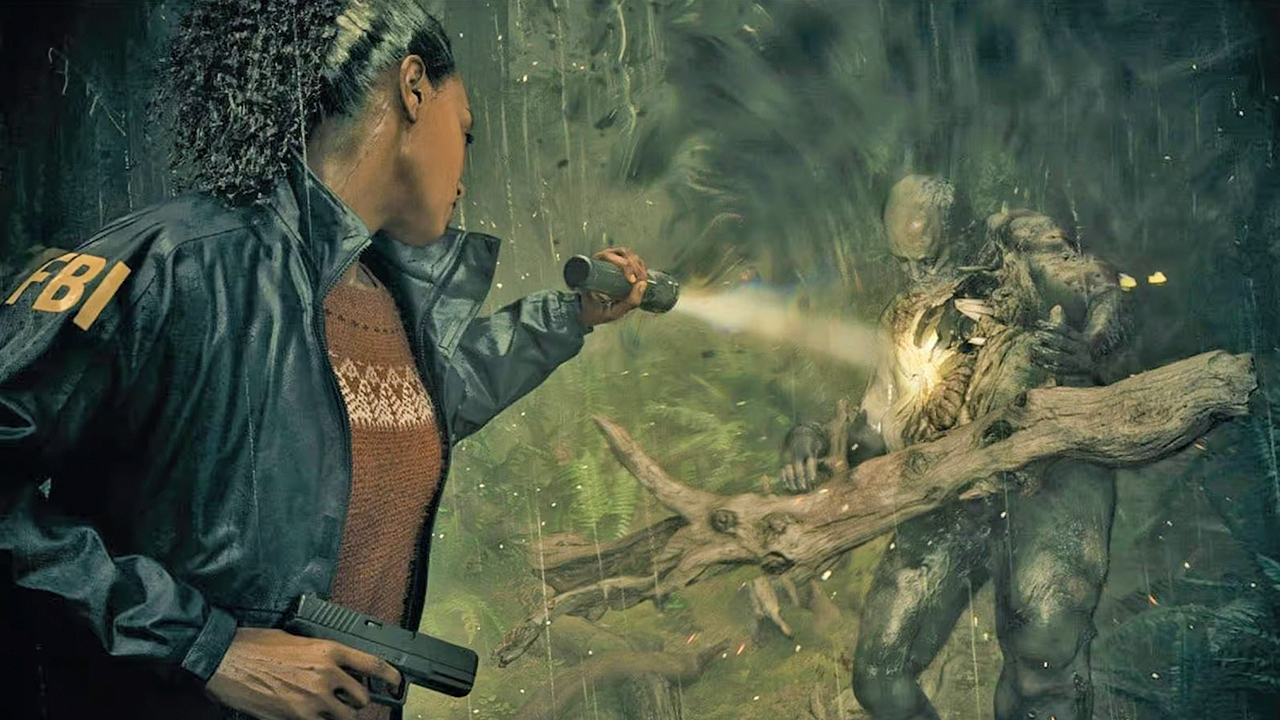
But when you reach the chapter ‘Initiation 4’ midway through the game, experimentation hits an all-time pinnacle.
You begin in the green room of the Talk Show Studio and the TV within plays a video showing Mr. Door, Alex Casey and Alan himself, with Mr. Door announcing a new segment including the band Old Gods of Asgard's new song, "Herald of Darkness."
Once you interact with the TV, you are transported to a new version of the Talk Show Studio, which now includes large screens and colourful set lighting.
As you navigate through the studio and fight the shadowy enemies along the way, the screens are lit up with Mr. Door, Alex Casey, Alan and the band members from Old Gods of Asgard as they perform and dance to the song Herald of Darkness.
Now don’t let me undersell this section – it is a full-on musical performance and it’s absolutely glorious. The song is an epic banger, the dancing is invigorating and you can’t help but smile as you watch everyone giving it their all and having the best time whilst doing it.
The lyrics to the song recount the story of Alan himself and how he became a storyteller and the ‘champion of light’ who battles the darkness.
This section could have played out very differently in a more straight forward approach to tell the story of Alan. As seen in other Remedy games, we could have learnt this from finding chapters of a novel, watching a show on various TV screens or reading files littered throughout the game.
But Sam Lake is a master of adopting all mediums of entertainment in his storytelling and this is his prime example of using music and performance in an otherworldly yet beautiful way. It’s insane to think that Lake had to fight to keep this section from being cut from the game entirely!
And if that had happened, well the game could have still played out as normal, but it would be criminal to have missed out on arguably the game’s best section. If The Game Awards 2023 performance of Herald of Darkness is anything to go off, this section is beloved by many!
Alan Wake 2 further cements Sam Lake as being ‘THAT’ guy – the genius who explores how stories can be told in video games in groundbreaking and innovative ways.
Effectively incorporating and mixing together different mediums of entertainment to bring something fresh and original? Yeah, we have a guy for that – and THAT guy is Sam Lake.