9 Reasons Why The Wii U Will Succeed (Eventually)

The house of Mario is making a comeback.
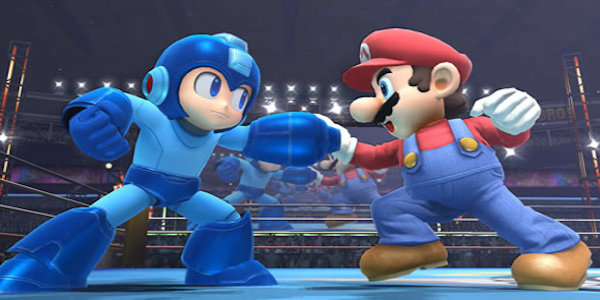
The Wii U had a rough start as a console, primarily because it was released with only a handful of new games, thus there was no real incentive for consumers to buy it on launch. However, this was a recurring theme with each console in the eighth-generation, as arguably the Xbox One and the PS4 are both guilty of the same mistakes, though not as severely. It was predicted the Wii U was doomed to fail after a bad first year in sales, but 2014 has been a great year for Nintendo so far with their console set to make a tremendous recovery. Most of the problems affecting the Wii U were simply because it was rushed for release, Nintendo wanted an early start over Microsoft and Sony and their eighth-gen consoles, but the launch titles simply weren't there. After all, a game console without games isn't exactly appealing. Regardless of their past mistakes, Nintendo have made several measures to remedy the current situation the Wii U is in, and those measures seem to be successful, so far. They're still reportedly making a loss on the Wii U, but the company are projecting a reasonable profit by the end of the holiday season. In praise of Nintendo's probable return to greatness, here are nine reasons why the Wii U will eventually succeed.

9. The Wii U Is Affordable

There's been a lot of talk about the Wii U and its price tag, with no general consensus on whether its costed at a decent value for its price tag, or not. Admittedly, the Wii U isn't as powerful graphically as the Xbox One or the PS4, but the question is whether it really needs to be. Now that all the next-gen hype has mostly settled, the graphical differences in next-gen consoles don't appear to be that groundbreaking in comparison to their predecessors, besides smoother textures and higher resolutions. At this stage, it could definitely be argued that we didn't necessarily need an intense graphical upgrade from last gen consoles. For what the Wii U gives you, the price is great. This is constantly debated because a fair amount of the production cost for the Wii U comes from the Wii U Gamepad, which some claim to be an unnecessary accessory or an expensive gimmick that wasn't needed. Regardless, a next gen console for £230-250 is a decent deal when it comes with all the peripherals and a premium game. Images, videos and promotional material we've seen from upcoming Wii U games look amazing graphically, even though the Wii U is said to be inferior in its graphical capacities. At a much cheaper price than the Xbox One and the PS4, The Wii U's cost will probably amount to more units sold when more Nintendo games are finally released.

8. The Preowned Market Will Improve Over Time

One additional problem that occurs from a lack of consoles sold, is that the games aren't circulating. As a result, the value of the Wii U games are typically quite high even if they're pre-owned, as there aren't many being traded in or resold. This goes especially for first-party and second-party titles, as they are usually the most desired on Nintendo consoles. The weakness of the Wii U second-hand market could prevent potential buyers from purchasing a Wii U, as not everyone can afford new games at full retail value. There's not an obvious solution to this problem, but it'll gradually fix itself as more Wii U units and software are sold towards the holiday season. This problem isn't exclusive to just the Wii U, it's a general problem that faces most new consoles that don't have a strong launch line-up. Upcoming titles should stimulate more Wii U purchases, especially around Christmas, which should get more Wii U titles in circulation and soften those prices, making it a more reasonable purchase.

7. Virtual Console

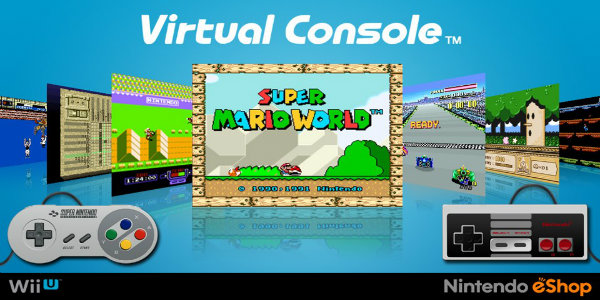
Older Nintendo games are highly collectible, as such most of them are ridiculously expensive in terms of physical copies, for example a cartridge of Super Metroid for the Super Nintendo will cost around £60, without packaging. Besides remakes and re-releases of certain games, there's little alternative besides the Wii U's Virtual Console feature. Virtual Console allows you to purchase digital copies from a wide selection of Nintendo's greatest hits, for incredibly affordable prices. It's not a feature that'll appeal to everyone but for the small cost of a few hundred eShop points, it's a very small price to pay for one of the best games on either the Gameboy Advance, the NES or the Super Nintendo. While the Wii U doesn't have the biggest game library in the world, the Virtual Console shines as a way to supplement that problem, for now.

6. Third-Party Support Will Happen In The Future
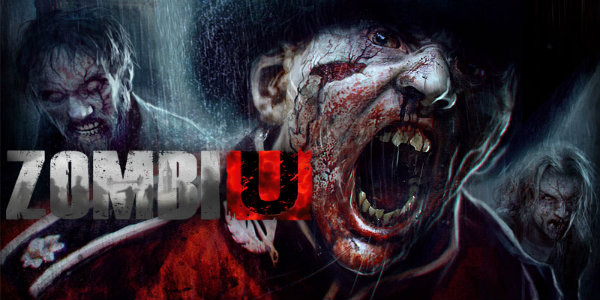
Almost all of the third-party games released with the Wii U were rehashed versions of games from last-gen, which were all badly received. Most found it insulting that they were expected to pay full retail price for an older game on the Wii U, when they could purchase the same game for much less on the Xbox 360 or the PS3. Apparently, a large number developers didn't want to design for the Gamepad, or design for a console that didn't sell well on release. As a result, Nintendo's been forced to rely mostly on first-party and second-party games. While this is certainly a problem, it's assumable that developers will want back on board now the Wii U's sales are beginning to improve drastically, aided by the release of games like Mario Kart 8. Nintendo has also tried to circumvent this problem by approaching developers directly to design games that would specifically suit the Wii U, such as Platinum's Bayonetta 2, or Sega's deal to produce Sonic titles exclusively for the Wii U. While the Wii U's third-party support is minimal compared to the Xbox One and the PS4, it'll certainly increase gradually now that Nintendo's sales are back on the rise.

5. Amiibo

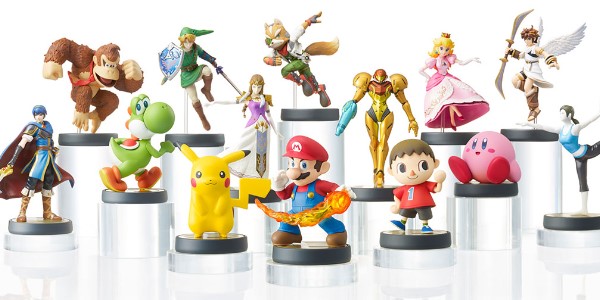
Given the success of the figurine based Skylanders and Disney Infinity before it, Amiibo seems like the perfect way to profit on the marketability of iconic Nintendo characters. But Nintendo haven't just borrowed the concept, they've arguably improved it. Skylanders and Disney Infinity figures obviously only apply to their respective games, but Amiibo figures are said to work in multiple Nintendo titles, two obvious ones being the upcoming Super Smash Bros Wii U, and the recently released Mario Kart 8. The figures don't allow grant access to playable characters like Disney Infinity, instead they provide a unique CPU personality for that particular figure which adapts, evolves and grows with each session. In that, they've also provided a reason to collect multiple of the same figure, as the behavior of each one will vary. Given Nintendo's huge roster of own characters and intellectual properties, they have a great opportunity to make Amiibo a fantastic business venture, which is a multi-platform medium that isn't just exclusive to one or two games, like previous figurine/game concepts. Assuming that there's enough support and applicable games for Amiibo figures, it should prove a smash hit for adults and children alike.

4. The Company Is Modernizing

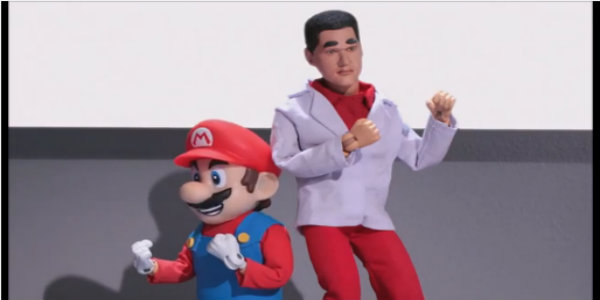
If there was anything to be learned from E3 2014, it's that Nintendo is modernizing as a company in a huge way. At E3 2014's Nintendo Direct, they made a complete transformation in how they communicated with us - the Robot Chicken segments, the video of Reggie and Iwata fighting as Miis, the segment of Miyamoto with Star Fox in the background, all serve as great examples. Suddenly, Nintendo seems to know exactly what we want and how to market that appropriately. The Nintendo direct as a whole proved a great hit as it was genuinely funny, exciting and relevant compared to the boring, repetitive and dull nature of the Sony and Microsoft sales pitches. The reference to the Luigi death stare also shows that Nintendo's become a lot more self aware of internet culture and social media. It wasn't just the presentation style, the jokes or the concise run time that was great, Nintendo also brought the goods. They released more details about Smash Bros Wii U, revealed the upcoming Zelda title, showed off a new IP in the form of Splatoon and also unveiled Captain Toad's Treasure Tracker. In every other conference, we either learned very little about upcoming titles, or were shown trailers we'd already seen, or told details we already knew. The Nintendo Direct format in itself was criticized at first, but seems to be working wonders for Nintendo, so far. It seems Nintendo as a company has finally started to transform and adapt to the modern world of gaming. If they continue to be as aware, relevant and precise as they were at E3 2014, they should have no problem in turning their bumpy start with the Wii U around.

3. They Are Adapting To Online Play And Features
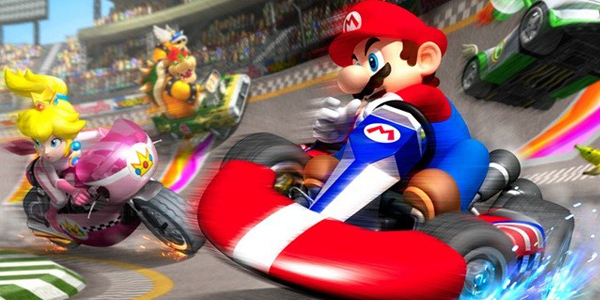
One of the most mentioned criticisms of Nintendo as a company is that they're behind the times in terms of online play and downloadable content, and haven't yet made the transition into fully online gaming. While the online capacities certainly weren't stable or abundant with the Wii, this is no longer true with the Wii U, as they've made a big push for online multiplayer recently in Mario Kart 8, and are said to be doing the same with Super Smash Bros Wii U. The recent DLC for Mario Kart 8 also shows progress in that category. Nintendo is no longer behind the times in regards to online technology, as they seem to be wheeling out online support more actively, whilst using local multiplayer support when its more appropriate to the game in question. This was a much needed change in Nintendo technology, but the 3DS has always had fantastic internet support for games like Pokemon, so it was only a matter of time till they did the same for Wii U games. It should also be said, this might be a key to gathering better third-party support, as Nintendo now seem to be in a position to support games that rely heavily on online features and play.

2. The Family Demographic

While most hardcore gamers weren't fans of the Wii, it's hard to deny that the console was a massive success financially. One overt reason for this is the Nintendo Wii's incredibly wide demographic which was aimed at families, adults, children and teens. The advertising campaigns and promotional materials advertised the Wii not as a pure gaming console, but as a family entertainment device, which proved incredibly popular with families, in contrast the Xbox 360 and PS3 had significantly smaller demographics composed of mostly young adult and mid-teens. This family friendly image marketing created should carry Nintendo to success with the Wii U over time. The motion controls still have that same appeal, while the gamepad also promotes additional players and more family involvement. The Wii U Pro Controller should also help to widen the demographic to include more widely dedicated gamers, not just the casual demographic. While the sales don't yet reflect this, Nintendo consoles have a typically wider appeal and audience than Microsoft and Sony products. This should become more evident as time passes.

1. Exclusives

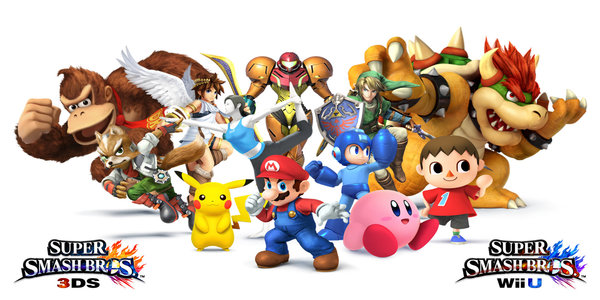
One thing that can never be taken away from Nintendo is the sheer selling power of their exclusive games. Earlier this year people were commenting on the ailing sales of the Wii U, but ultimately NIntendo saw a massive turnaround in their sales spurred by the release of Mario Kart 8. In the release month alone, Mario Kart 8 sold roughly 2.82 million copies, while also helping to drastically improve the sales count of the Wii U console itself. In those figures lies the initial problem with the Wii U, there simply wasn't any incentive to buy it due to the severe lack of launch titles. The launch titles for the Wii U consisted almost solely of games from last generation, such as Assassin's Creed III, Batman: Arkham City Armoured Edition, and Call of Duty: Black Ops II. Other than New Super Marios Bros U, Pikmin 3, Zombii U and Game and Wario, there were no other Nintendo exclusives to be seen in the first year or so. Gamers weren't ignoring the Wii U because they hated the concept, the gamepad or the graphics, but because the Wii U lacked desirable games that they didn't already have on other consoles. With the release of Super Smash Bros Wii U, Captain Toad's Treasure Tracker and the eventual release of the new Legend of Zelda, Nintendo should be set to make a huge comeback with their latest gaming console.

Contributor
Contributor

Sam is an experienced Film, Gaming and Wrestling writer, critic and journalist who was written for a vast number of different entertainment websites. Follow him on twitter at @Sams_Reel_Views.