9 Unusual Ways To Restore Health In Gaming

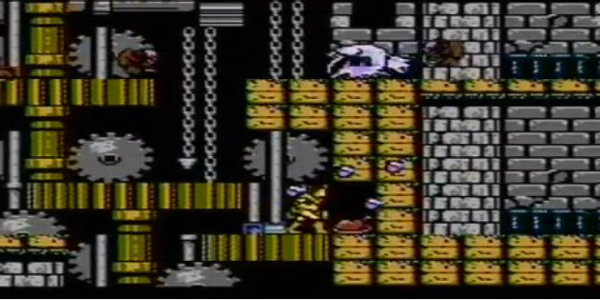
Try to avoid the wall-chicken. We're not sure how long it's been there.
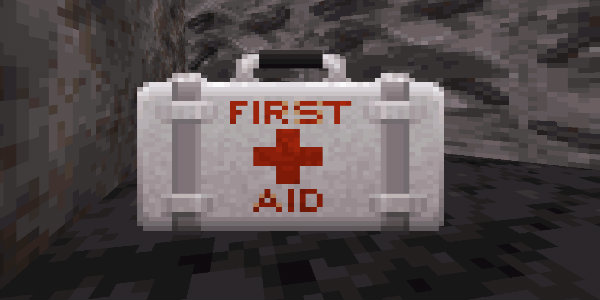
Health is a necessity in almost every video game to date but over the gradual transition of gaming tropes, it's been visually represented in a countless number of shapes and forms. In the early days of gaming the most common way to restore health was via food, usually the scale and quality of the meal reflected the amount it would heal, e.g. a chocolate bar would restore a small amount, a pizza might restore a fair amount of health, while a chicken or a ham would grant a large or full heal. Later on, medical equipment or hearts were the go-to medium, med-kits in particular became a staple asset of action games. While most games stuck to restorative methods that made sense and were straightforward such as food, hearts or healing spells, certain games went for the road less traveled. In praise of the more interesting methods used in video games to keep heroes alive, we bring you 9 unusual ways to restore health in gaming history. The entries on this list are organized in terms of how unusual, unlikely or alternative the idea is, whilst also considering the logic behind whether these methods would actually be likely to heal you in any way, in a real life situation.

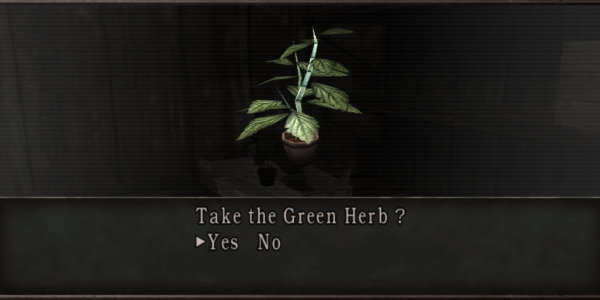
9. Green Herbs - Resident Evil

In most forms of zombie based survival fiction, there's no cure for the infection outside of merely preventing contact with the virus or the infected. This obviously couldn't be the case in a game, as it'd be incredibly difficult and unreasonable if there was literally no way to replenish your health, or if one touch from a zombie caused the game over screen to appear. In Capcom's survival horror Resident Evil, the healing medicines of choice are various herbs which can be found around the mansion. While herbs aren't overly used in modern medicine, they do have an important history in the evolution of medicine and can perform various medicinal roles, usually in combination with other things. The herbs in question are found basically everywhere - of particular interest is the green herb which is the one used for general healing. If the herb can numb wounds and works as a painkiller, it's possible the green herbs in resident evil maybe a a reference to the medicinal uses and qualities of marijuana. This would explain why every character in the series knows how to properly 'mix and prepare' the herb, which would not be the case if there was a complex procedure behind it. Then again, this doesn't at all answer why the herb seemingly has the properties to prevent infection. Either way, we'll likely never know the truth behind the mysterious green herb.

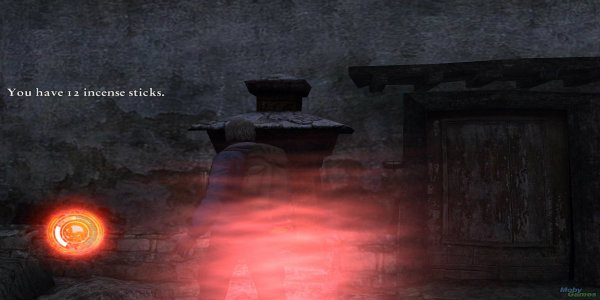
8. Incense Sticks - Cursed Mountain

In Deep Silver's Cursed Mountain, Tibetan folklore and Buddhism are major themes and influences behind the games mechanics. As such, one way for adventurer Eric Simmons to heal is through the use of incense sticks which can be found throughout the game in a variety of types. This item is inspired by the use of incense and aroma in Tibetan culture and medicine, which essentially claims that when used correctly, the incense can help to readjust and correct an imbalance in the system of elements contained within the human body, allowing it to rid itself of illness. It was incredibly smart of Deep Silver to choose a method of healing which directly relates to the kind of mythology the game is attempting to relate to, even though the execution of the idea isn't fantastic. It's understandable why gamers might be skeptical to the concept, as most will liken incense sticks to a simple household candle when removed out of the religious and spiritual Tibetan context which most aren't aware of.

7. Going To The Sauna - River City Ransom
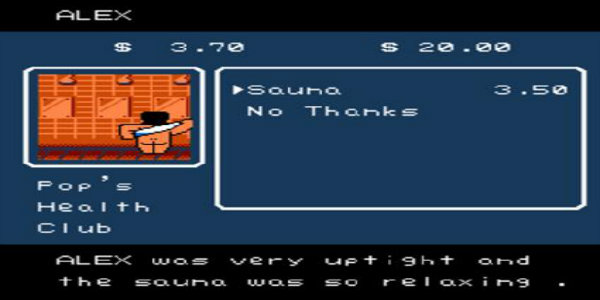
Your girlfriend has been kidnapped, better go beat the crap out of local gang members until you find her. The job's not likely to be easy, especially when there's only two of you and several hundreds of them, at an estimate. How does one relax and rejuvenate after a tiring day of kicking pixelated ass? Go to the sauna for a nice steam, of course. While it is a funny concept only enhanced by the image of Alex's seemingly square ass, the sauna is actually quite a logical way to heal as far as hand to hand combat is involved. A steam in the sauna causes the body to relax, whilst easing any muscles aches or pains, some say it can even improve cardiovascular performance. There's something to be said about the use of health not being an item you use or pick up, instead, being an institution you use or visit much like a hospital. The scenario is comical in the instance of the sauna, but it makes much more sense than a giant ham you've just stepped on healing you. The natural association of the sauna with spas and cosmetic beauty items could be the reason the sauna is not taken seriously as a source of healing, but ultimately, it's a concept that's more viable than most other things on this list in regards to restorative properties.

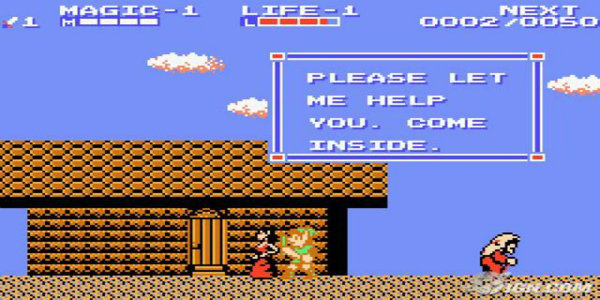
6. Lady In The Red Dress - Zelda II

Zelda II: The Adventure of Link was an all around bizarre experience. In particular, the strange NPCs which inhabit towns have some of the most unusual, outlandish and unhelpful dialogue to ever be published in a video game. The game featured three ways to heal, you could either level up, catch a fairy or visit a 'red lady', of which there are several in each town. Link would approach a red lady, be invited inside for a brief moment behind doors as his red bar slowly filled to full, then out would pop Link as healthy as can be. While it's not exactly clear whether there's something explicit going on here, it's the element of mystery that makes the red lady a topic of discussion, even now. It's very easy to imply that the red lady is providing Link with a sexual favor given the fact it takes place behind doors, but she's definitely not a prostitute as there's not actually any currency involved in the transaction, unless she's just throwing the hero a freebie. It's possible the act in question is just one of kindness and the red lady is simply dressing Link's injuries, but in that case, this could have taken place outside thereby preventing any sexual speculation. It could also be implied that the red colour of her dress is possibly a reference to the red light district, again hinting at prostitution. Either way, we'll never know the truth behind the red lady, but that's what makes her so interesting as one of gaming's most unsettling methods of healing.

5. Prostitution - GTA IV

Being a gangster seems like a tough job. They constantly have to get their hands dirty and could be in danger at any moment, they fight territory wars and peddle, smuggle and steal on a daily basis. Apparently a good health plan or a decent GP is not the accepted way to avoid cremation in GTA IV, but a swift visit from the friendly neighborhood hooker is recommended. Sex is said to give generally good health implications via stress relief and the release of endorphins, but it's not going to help with bullet holes or shank wounds, unless you've taken the phrase 'sexual healing' a bit too literally. The entry stands out even more with the irony that you could actually receive an STD from a prostitute and be in significantly worse health than before the 'assistance'. Thankfully, Rockstar didn't program that into the game, but it remains a valid point when considering the logic behind the scenario. Semantics aside, there's no real reason for prostitution to be a mechanic in the game, other than the designers simply trying to validate it more as a gritty and urban concept. It's just needless.

4. Friendly Encouragement - Gears Of War

When you've been shot multiple times in the face by alien baddies, it's always good to have a buddy around, or so you might think. The concept of having a friend revive you is not a groundbreaking one, stemming from games where party management is an integral part of gameplay, like most J-RPGS, for example. In that kind of setting, resurrection via a helpful friend makes a lot of sense, particularly if the character is versed in healing magic or skills, or has an item that does the same. Shoot-em-ups have taken this concept a bit further in team-based shooters, wherein your teammates or squad can revive you and help you back to your feet, like in Gears of War. This doesn't actually make any sense, though. If someone's been knocked down in a firefight, some friendly encouragement from someone who knows little to nothing about medicine isn't going to help in the slightest. Again, this is use of artistic licence in work, most of the time designers will choose mechanics over logic, but this doesn't change the fact that a pat on the back won't help your mate with the 10-inch hole in his chest.

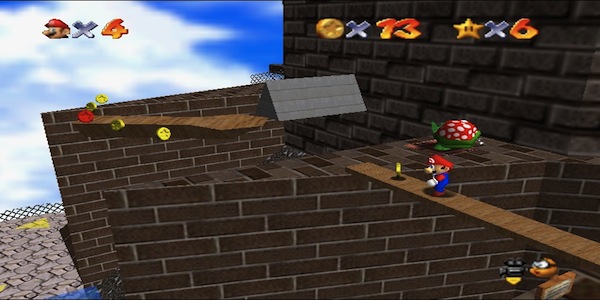
3. Coins - Super Mario 64

In Mario's first 3D adventure, the primary method of healing the Italian plumber was through the collection of coins which would refill his health a fixed amount, depending on whether it was gold, red or blue. Coins don't typically have any medicinal qualities and there's no reason stated in the game as to why this heals Mario. As interesting as it would be, I doubt this is a pro-capitalist statement about the value of money, it seems more like a design element that simply wasn't well thought-out. Coins are necessary to the star hunt and are all over the levels due to the hidden stars, meaning it was just convenient to give them healing properties instead of inventing another item to fit the same purpose. It's worth noting that this problem never arose in Mario games before as the mushroom and flower system served as Mario's health, but neither item appeared in Super Mario 64. Perhaps we're seeing a new side to the plumber and he just really love his money, or perhaps he's paying for medical insurance with that fat sack of gold.

2. Wall Chicken - Castlevania

Humans need nourishment - whether it's carbohydrate, sugar, fat or protein, food gives us the energy to recover, rebuild and sustain ourselves. Food was the go to form of health rejuvenation in the early days of gaming and it's still frequently used in a few games. While food is a reasonable concept in terms of it giving the energy to recover in a logical sense, the exact form and freshness of the food is also a factor worth questioning. In the Castlevania series before the advent of the healing potion, one method of restoring health was to crack open a section of wall in hopes of finding a secret chicken. Perhaps it's an ancient custom or tradition to store nutritious meals in the masonry, or perhaps the Dracula residence is in dire need of a pantry. Perhaps Simon Belmont should have brought a packed lunch. There's another logic knot here in the form of the chicken itself, assuming Dracula and his minions feed on the living and not on KFC. Unless you've a bowel of steel, it might be a good dietary choice to stay away from decrepit poultry.

1. Standing Around - Modern FPS' (Call Of Duty, Wolfenstein: The Order...)
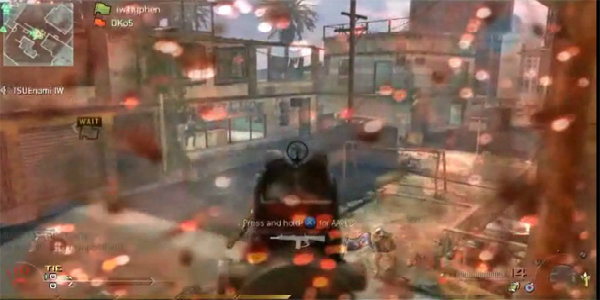
The most obvious way of treating a bullet wound would be to seek medical attention from a doctor, or whoever is the nearest capable authority on the matter. However, if we're to follow video game logic you could probably just wait around for a while, that guy did just shoot you in the head but if you just catch a breather and have a cup of tea you'll be fine - said no one. As the first person shooter evolved in the early 2000's, so did its primary method of healing, as the med-kit and health packs were gradually phased out in favor of gradual regeneration. Of all the zany, bizarre and ridiculous ways that game designers have come up with to restore health, regeneration is undoubtedly the most nonsensical method, by a vast margin. In the context of shoot-em-ups, if any bullet would pierce an organ or cause heavy bleeding, then time should logically make the problem worse, not better. From a gaming perspective it's also kind of a cop out in that it's not a test of skill or resourcefulness, it's merely a test of patience to see how long you're willing to wait around, not to mention it's frequently used as just a quick fix to proper gaming balancing. Regeneration in modern gaming is a ridiculous concept in almost every situation it's applied to, but not only that, if often leads to cheap, easy and dull gameplay.

In this post: 
Duke Nukem
 
Posted On: 
Contributor
Contributor

Sam is an experienced Film, Gaming and Wrestling writer, critic and journalist who was written for a vast number of different entertainment websites. Follow him on twitter at @Sams_Reel_Views.