Days Gone Review: 8 Ups & 5 Downs
Sony's latest is a slow burn, but it nails the landing.

Sony's latest PS4 exclusive, Days Gone, is finally out, and it's certainly had a tough act to follow. The console maker has been killing it for the majority of the generation when it comes to must-play exclusives, with recent big hitters like Marvel's Spider-Man and God of War not only being considered some of the best games to release on the Playstation 4, but across any console this decade.
Sony Bend's release - their first effort in seven years - has come with plenty of expectations then, not only in the context of Sony's own library of recent titles, but because of the game's own tumultuous history, with plenty of delays and huge showcases at pressers like E3 already crafting a defined image of the zombie (sorry, Freaker) game in the minds of players.
That said, the question of whether or not it lives up to the rest of Sony's exclusive library is kind of a loaded question. Just because it's not another Horizon: Zero Dawn or Uncharted 4 doesn't inherently mean it's a failure, and there is indeed so much to love about Sony Bend's project. Still, Days Gone is admittedly flawed, and while it's fun, it leaves plenty of room for improvement.
Ups...
8. The World Is Beautifully Realised

It's to be expected now that any first-party, AAA Playstation exclusive is going to look stunning, making the most of the best technology to bring cutting-edge visuals to consoles. Days Gone is no different, but it has one core feature other titles in the Sony family don't have: the way it brings to life the post-apocalyptic dystopia of Oregon.
The lighting (especially in HDR) makes the game look incredible, with the sun beaming through the tall trees and the fog creating the kind of old-school horror environment you'd expect to see in a classic movie, but it's the geography of the open world that makes it something special.
There's a huge amount of personality injected into the sandbox, with little touches and flourishes making it clear that the devs really did their homework in making the areas feel as authentic as possible. Even though the environments on paper are nothing new, made up of the kind of desolate towns and villages you've seen plenty of times in post-apocalyptic media, Sony Bend have been able to make each feel believable and real - somewhere people could have genuinely lived.
There's an attention to detail that makes the sandbox appear more natural, which goes a long way in increasing player immersion and ensuring exploration always feels rewarding.
7. Performances Are Great Across The Board

Days Gone's story and characters have been dividing people since the first wave of reviews dropped, but there's no denying that the actors inhabiting these characters are doing their dang best to elevate the material. Sam Witwer's central performance in particular is captivating - and makes you wonder why he hasn't been in more video games - transforming what could have become a distracting stereotype of a biker into a three-dimensional character.
There's a tenderness he brings to the machoism and feral behaviour the character has resorted to in the wake of the apocalypse, which flashes through just enough to keep you sympathetic to his actions, even when he's being a bit of a d**k. The inverse is true as well, with his bloodlust coming through in the spit and hiss of his voice when he's mercilessly gunning down Freakers and bandits in the wild.
Thankfully, it's not just Witwer who puts in a good shift, but the entire extended cast is brought to life by great voice actors and performers, who manage to make even bit-characters memorable assets to the game. The material might not always be the best or most original, but there's no denying that Sony Bend got it absolutely spot on when it comes to the people bringing their script to life.
6. The Characters Are (Mostly) Well Written

While the performances have received universal praise, the actual characters themselves have not. They're going to be a point of contention, but for my money, the vast majority of the heroes, villains and in-betweens you come across in Days Gone and compelling and worth following.
Deacon St. John isn't quite as well-rounded as he could be - and there's certainly some missed potential in how the game never really addresses his morally grey impulses with the humanity he has left - but there's still enough there to make his journey interesting and nuanced, especially in how he wrangles with the loss of hope in this cynical new world.
The people he meets are equally as interesting, from Tucker's sinister abuse of her workers to his relationship with Iron Mile and the Lost Lake. There are some duds here and there - and it's undeniable that there are plenty of post-apocalyptic archetypes being filled in - but for the most part the characters are complex enough to carry the story.
5. You Feel Connected To Your Motorcycle

It's easy to take the piss out of Days Gone's decision to centre so much of its experience around Deacon St. John's motorcycle. It doesn't make a lick of sense why everyone would drive around on these ridiculously loud vehicles that can easily alert a Freaker horde, or why, despite there being so many cars left abandoned, nobody thinks to drive them, but it's all in service of making the player rely on their bike.
Not only is it a lifeline in gameplay, giving you the ability to escape enemies and holding extra ammo if you're in a sticky situation, but you can't even quicksave or fast travel without being near the vehicle. Likewise, you spend a whole bunch of time refuelling the damn thing, which can lead to some particularly interesting enemy encounters when you're low on fuel and need to sneak into an infested area to resupply.
You really do feel a connection to the bike after a few hours though, deepened further by the extensive customisation on display. While it's been compared to how Rockstar handled horses in Red Dead Redemption 2, it's actually a little closer to the Magnum Opus in the criminally underrated Mad Max, which similarly centred its systems around the maintenance and upkeep of a vehicle.
It helps that the bike controls well also, with a great sense of weight and speed to it. It's a little jarring at first, as the controls are initially sluggish and unwieldy, but learning how the bike controls is rewarding, and makes the endgame where it's fully upgraded and you're drifting around trees effortlessly seem well deserved.
4. There's SO Much To Do

Now, quality is always better than quantity, but just how big Days Gone's world is is nothing to be sniffed at. The sandbox itself is large, yet dense enough with distinct locations, that it never feels expansive just for the sake of something to boast about on the box art, while the missions themselves remain varied enough - especially in the major story threads.
The pacing isn't always perfect, and it does occasionally feel like Bend could have wrapped things up sooner, but it just about justifies the length. Likewise, the side missions sometimes repeat a bit too much, but even ones you'll pursue that are literally copied-and-pasted in structure - like the NERO bases - are always just distinct enough to keep them interesting and worth pursuing.
Having a huge, first-party game like this isn't quite as impressive as it was a few years ago when Horizon: Zero Dawn did the same thing, but it's still to be commended. Days Gone has the authored storytelling that Sony has come to define itself by, but supports it with a massive amount of content that will keep players busy for upwards of 40 hours.
3. The Story Has Some Serious High Points

Though it gets off to a slow start, Days Gone's story kicks into gear once you make it to the Lost Lake settlement and are introduced to the majority of the story's major players. As mentioned, you do genuinely come to care for these people, and want to see them not only survive but thrive, which leads to some pretty intense - and surprisingly emotional - sequences.
There are real surprises here and, while they are occasionally undercut by the wonky pacing, the narrative delivers memorable moments fairly frequently. Deacon's complex entanglements and his tendency to "write cheques with other men's blood" leads to incredible high points in the story, as the different conflicts all come to a head.
Some of it is a touch too predictable for its own good, and even the flashes of brilliance rely on a backdrop of cliches that feel a little too familiar, but Days Gone's story is compelling, and emotionally affecting when it wants to be.
2. Weapons And Combat Feel Weighty And Satisfying
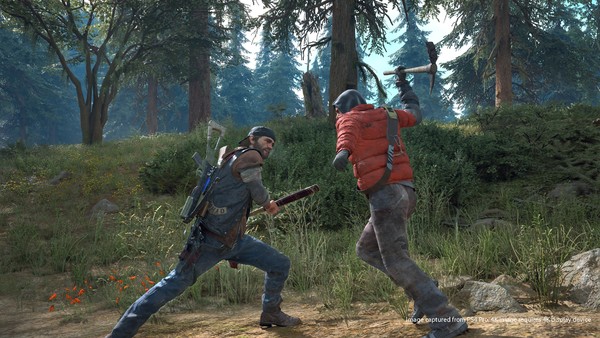
Gunplay and combat takes some getting used to in Days Gone, as its weapons are far heavier and more difficult to use compared to other third-person shooters. The lack of ammo means every shot counts, but aiming is impacted by some difficult-to-judge sway and a recital that encourages static, considering shooting, but that challenge is what ends up making the gameplay so damn satisfying.
Shooting feels as messy and as destructive as it should in a post-apocalyptic story like this, with each shot sounding like a thunderous, devastating cannon that tears through enemies. Getting headshots and making the most of your ammo is difficult, but that makes it even more rewarding when you do efficiently take out a group of bandits or Freakers.
This, combined with the melee combat (which isn't exactly complex but is punchy enough), creates a rather solid interplay between considered, planned attacks and on-the-fly improvisation. There's an unpredictability to combat that can be infectious, and is entirely at home in this world.
Stealth fares similarly, pretty rudimentary in the grand scheme of things but still satisfying to execute flawlessly. It's not the most robust combat system, but the feel and sounds of the weapons combined with the limited resources makes for always intense gameplay.
1. The Survival Gameplay Loop Is Addictive

What makes Days Gone so recommendable, though, is just how playable it is. If you mesh with its admittedly challenging systems, and are open to loving your motorcycle, then you'll be rewarded with a satisfying gameplay loop that's fun for the entire runtime.
There's something so addictive about gearing up at a friendly settlement, setting out to a town or camp on your motorbike, scouting the place out, scavenging everything you see and dealing with whatever monsters you find, before returning with your wares for rewards.
It helps that the gunplay is solid, as mentioned, and that the genuinely unpredictable Freaker A.I. (which comes across as both intentional and unintentional depending on the situation), keeps you on your toes. There's a real sense that you're surviving in this world, and consequently nothing feels like busy work, even if the missions themselves are repeated.
Every action informs the game's overall systems, which makes even the filler content feel purposeful.
Downs...
5. Almost All Of Its Systems Have Been Done Better Before

While Days Gone is mechanically sound, there's no denying that pretty much everything it brings to the table has been done (sometimes better) in plenty of other open world games. The detective tracking system is straight out of The Witcher 3 or Horizon: Zero Dawn, the focus on the motorcycle is very Mad Max, the visual design and some story beats echo The Last of Us, and a lot of the camp interaction and simulation elements feel like a watered down version of Red Dead Redemption 2.
It very plays like a greatest hits rundown of every popular open-world game released this generation so far, and while that's not a bad thing per se, it does make Days Gone very easy to criticise for lacking an identity of its own. The game isn't lacking in originality, of course, but it takes a while to actually uncover it.
The systems Days Gone riffs on are popular for a reason, but I can't deny that, even though I had a great time with Sony Bend's title, there were moments where it actually inspired me to revisit games like The Witcher 3 and RDR 2 instead.
4. It Makes A Terrible First Impression
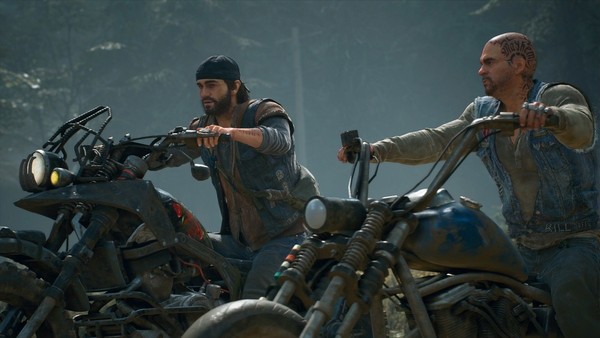
Even if you love Days Gone, there's no getting away from the fact that it puts the wrong foot first at the beginning. The opening hours leave a bad taste in your mouth, and even the very first thing you do, a "blistering", "high-octane" chase sequence makes you resent the way motorcycles control. Likewise, the story itself is quite jarring initially, riddled with odd presentation issues (that we'll get to later) like intrusive loading screens and fades to black which constantly kick you out of investing in the game.
Likewise, the first few story missions are nothing special, introducing you to the title's core mechanics (which, as previously mentioned, you've probably experienced a whole bunch of times in other games) and characters whose complexities aren't initially apparent. Likewise, while you're getting used to how the bike works you'll no doubt run out of fuel, which can be frustrating, or die over and over again as you learn the importance of being sneaky and knowing when to attack.
The game does get better once you start playing on its own terms, but there really isn't much of a hook across those first couple of hours and, while it is worth sticking with to get a better view of the experience more holistically, you can't blame people for making a snap judgement.
3. Exploration Isn't As Compelling As It Should Be

The survival loop in Days Gone is the best thing the game has going for it, but it could have been even better if exploration was a little more rewarding. Sure, it's essential to venture out into the wild to find resources, and exploring is enjoyable in order to see the environments the devs have poured so much passion into, but the tangible, in-game rewards for dedicating a lot of time to this aren't all that appealing.
Items rarely change from hour one to hour forty, and it's easy to find yourself stuck in a repetitive routine, searching for the same old things over and over again. There's rarely a cool, interesting or original trinket waiting for you to stumble across while exploring, and the limited inventory space (especially early on) often means that exploration will only net you resources you can't pick up anyway.
It didn't have to be a new weapon or item you could find either, even a little piece of environmental storytelling, a note from a survivor or a voice recording would have been enough to encourage active exploration.
The random encounters aren't much better either. Often, these aren't worth going out of your way to pursue, as they rarely result in a substantial story, and more often than not have you falling for the same bandit ambush again and again. They feel like a missed opportunity, thrown in because it was on the open-world checklist.
2. Weird Presentation Issues Undermine The Story
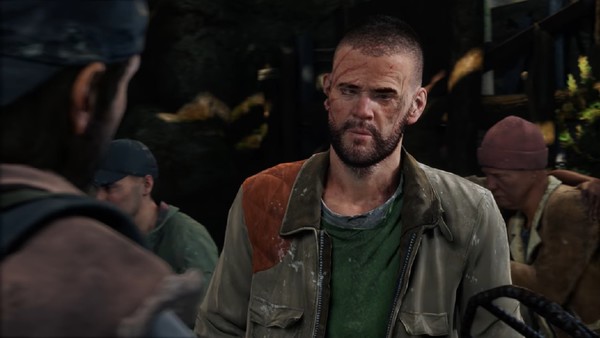
Days Gone's graphics are impressive, as are its directed cutscenes, but the presentation is undermined at every step by bizarre technical issues. Load screens are a major problem, intrusive in a way that breaks the flow of the storytelling and even occasionally ruins some emotional moments. Cutscenes often don't transition naturally, and the jump to a different sequence might be linked by ten seconds worth of black screen.
Likewise, fade-ins pop up all the time in both gameplay and the directed scenes, which again only serve to break the immersion and pull you out of the story. In the grand scheme of things, they're hardly game-breakers, and certainly nothing to get too worked up about, but when they're combined they undeniably take away from the presentation overall, and ultimately result in it appearing more spotty, and more unpolished, than it actually is.
Fortunately, a lot of the larger technical issues have been sorted with post-release patches (such as the regular hard-crashes I experienced at launch), but some issues do persist, for instance a strange drop in the frame-rate when speeding with the bike at its top speed (but only with HDR switched on, weirdly), and the constant texture pop-in which, again, means the presentation doesn't live up to its full potential.
1. Freakers Aren't As Impressive As They Should Be

Now, this is a big issue. Days Gone's main enemies, the Freakers, have always sounded better on paper than in practice. Even in pre-release trailers it was clear that the sheer size of the hordes, and their animal-like behaviour, could result in a pretty grand spectacle and a unique mass of enemies to fight, but the technology never seemed quite refined enough to deliver on this potential.
Consequently, while you can fight a ridiculous amount of Freakers at once in Sony Bend's title, it's not as impressive as it should be. The A.I. and animations of the enemies are pretty underwhelming, even rudimentary at times. Likewise, there isn't enough variation to keep them interesting; the threat only really comes from the sheer numbers on display, rather than the different behaviours of specific infected.
Of course, there are special boss Freakers, but all they really do is confirm that yes, though they might have a different name, Days Gone's enemies are just zombies, and are made up of the same special types that plenty of other games have featured.
When you're a zombie game and your zombies aren't all that impressive, something has gone terribly wrong.