Fallout 4 Vs The Witcher 3: Which Is The Best RPG Of 2015?
The biggest battle of the current generation - only one can emerge victorious...
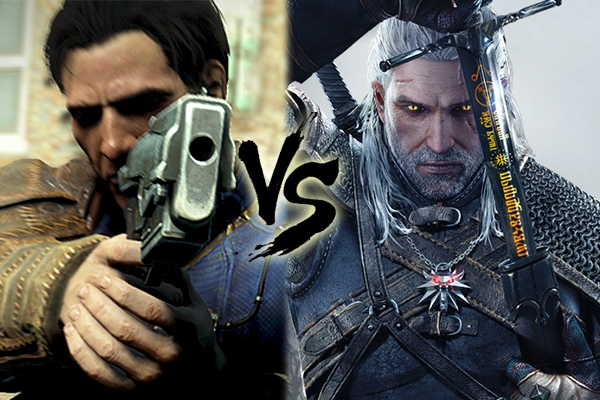 On the face of things, Fallout 4 and The Witcher 3 couldn't be any more different. Guns and super mutants vs swords, sorcery and griffins, towns patched together from corrugated metal vs medieval villages, abandoned vaults vs dungeons - and yet any gamer will passionately tell you that this is the most important video game showdown of 2015. That's because beneath the contrasting facades, both games sit pretty at the peak of the RPG genre. Neither does anything particularly unconventional, instead both of them offer beautiful, believable open worlds that players can get lost in for months. Mechanically, RPGs have certain defining traits such as intricate character-levelling, dialogue choices, and a degree of freedom in how the player can approach quests and objectives. But the most important thing is that its constituent parts fuse together to form an experience that the player wants to get immersed in. Fallout 4 and The Witcher 3 both meet the criteria for RPG greatness with flying colours, but only one can be crowned king in this comparison. Read on to find out which of these two is the best RPG of this generation so far. Note: There are no spoilers in this article.
9. Story
8. Graphics
7. Side-Quests
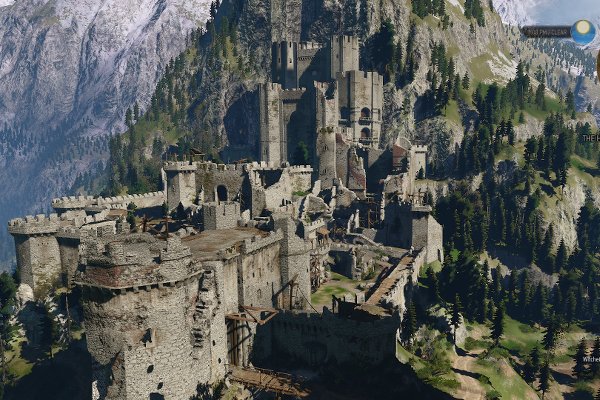
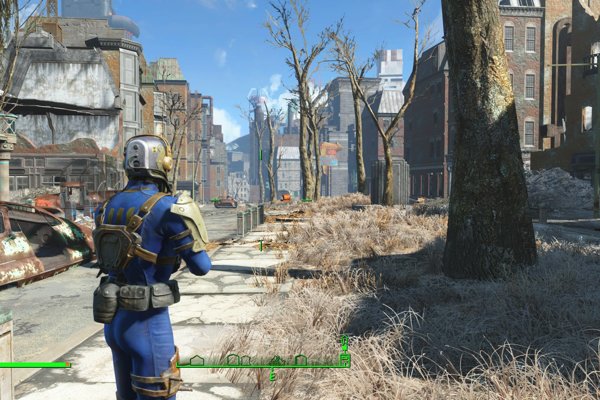
And so we arrive at one of the defining features of the RPG genre. For me, a rich sea of side-quests is more important than the main story or graphics. It's in the side-quests that that you really get to shape your character and decide what kind of person they'll be. Do you side with the drug dealer or drug addict? Do you try to extract as much money as possible from a peasant asking you to take out a monsters' nest, or do you do it for free? These kinds of questions crop up all the way throughout Fallout 4 and The Witcher 3, and both games do a great job of executing them. One way in which The Witcher 3 bests Fallout 4's side-quests is in the way it deals with the player's dialogue decisions. Much like in real life, it's not always clear what the right answer is, and sometimes saying what you think will resolve a situation peacefully could lead to bloodshed. This makes each chat a more tense and interesting affair, whereas Fallout 4's new Mass Effect-style system is a bit more black and white. Even if you ask questions to which you may or may not get an answer (the ones highlighted yellow or orange), you have nothing to lose in giving it a shot, and that just feels too simplistic.
6. The World
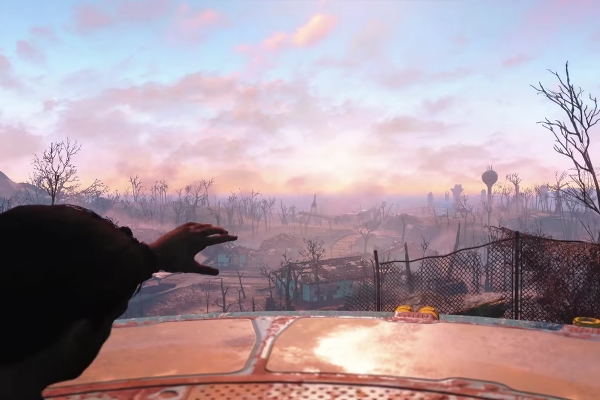
5. Combat
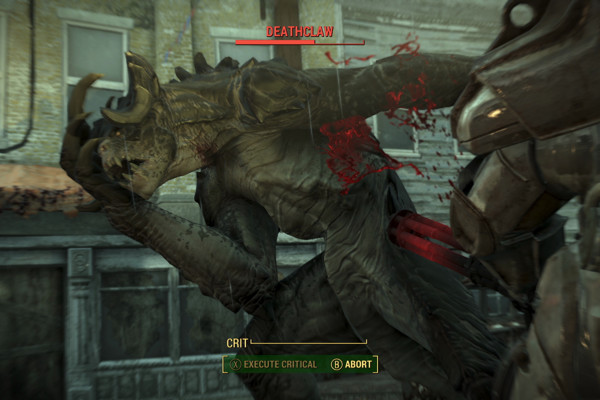
4. The Protagonist

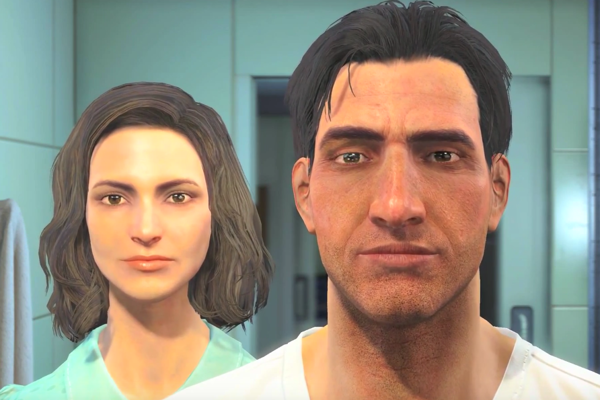
3. Character Levelling
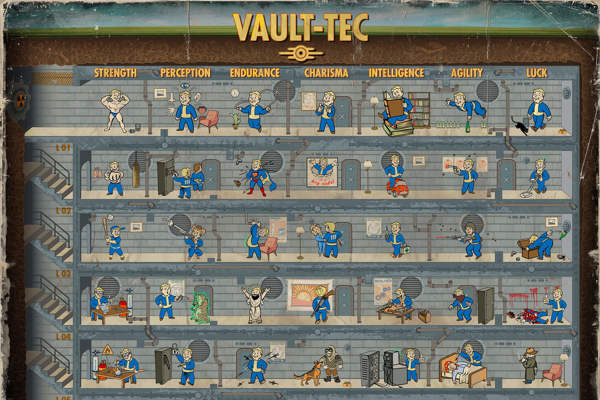
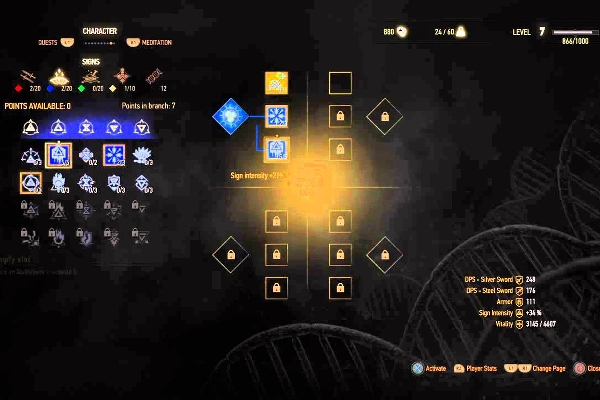 CD Projekt RED It's a bit of a strange comparison to make because The Witcher just wouldn't be The Witcher without Geralt, and Geralt wouldn't be himself if he was anything other than a Witcher - with all the accompanying abilities. With that said, the Fallout perks system - simplified a bit from previous games - offers exactly the kind of freedom I fantasise about in an RPG. With every playthrough, I can play the game completely differently - I can be a bat-swinging thug with no social skills in one game, a sneaky master sniper who crafts his own guns the next, and a smooth-talking gunslinger after that. This incentivises repeat playthroughs in a big way, certainly more than the focused, Geralt-centric system in The Witcher 3.
2. Crafting
While a great idea in principle, crafting often feels clunky and tedious, and The Witcher 3 demonstrates why. Potions are crafted using mixtures of herbs, but I'll be damned if I'm expected to remember what each plant in the game looks like or what area of the world it grows in.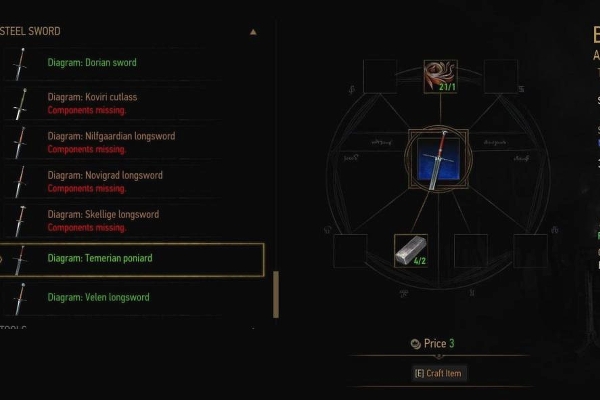
1. Conclusion
Both games have been a credit to their genre, and both ought to be played by absolutely everyone looking for escape to a gorgeous RPG reality over the winter. Fallout 4 offers players the greatest post-apocalyptic wasteland in gaming history - a dense bubble of questing, beautiful barren locations, and surprises round every corner. The Witcher 3, meanwhile, is a vast, mysterious continent with a haunting atmosphere and an impressive sense of history - as if you're exploring a world that could've existed in some forgotten medieval age.