PS4: 7 Simple Changes That Would Have Improved Its Launch

Sony should really have spoke to us before launching their new console...

ps4-hdd Finally, the Holidays are upon us and so is the future of PlayStation. Last month, Sony launched their PlayStation 4 console to help gamers celebrate this time of the year, and with it comes a brand new architecture that revolutionizes graphics, social connectivity and interactivity with other devices just to name a few. Unfortunately, the launch didn't go off without a hitch as the new PlayStation was marred with technical deficiencies and malfunctions. What could have been a perfect launch ended in failure for Sony, which begs the question: what could have been done to improve the PlayStation 4? Here are seven suggestions....

7. Keep It Simple
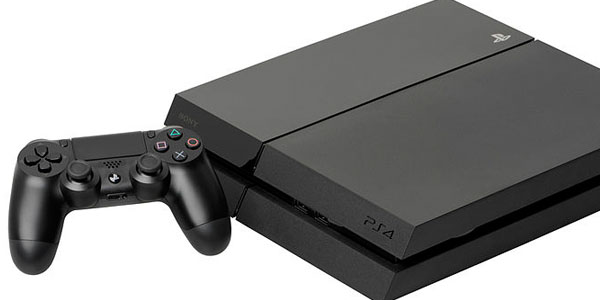
Since the emergence of the original PlayStation back in 1998, console usage has never been the same. Once, consoles were all about playing games, but Sony's entry into the industry marked the first time that consoles can run other media formats whereas the PlayStation could support music CDs. Fast forward today and every console can do more than just that. We now can watch movies, go online and play or chat with each other, connect to other devices for data transfer, etc. hence, the age of consoles has already ended and the dawn of all round entertainment machines has already begun -- but is this a good thing? True to the fault, console have benefited from their advancements over the years; they can do so much more for our entertainment needs. However, while the technology increases, so do the complications. Consumers must now educate themselves thoroughly on the many advantages and disadvantages the new technology brings. For example, consumers who know nothing about social technology but want to share their PlayStation 4 gameplay with the rest of the world must educate themselves on the console's integration between social apps (Twitch and Youtube), the console's UI, and the use of the controller's share button. Tedious and difficult indeed. While its still nice to know that the PS4 provides more options for entertainment, it no longer feels like a device that caters to its core audience; gamers. Sony needs to focus more on providing for gamers by rolling back on the many entertainment options. Although that sounds like a bad idea, it will help to better define what the console provide. It will also help Sony's other divisions (DVD, music, etc) to stand out and profit in an already divided market.

6. MP3/Music CD Support

While it's a bad thing to have too many features for a console -- as already indicated in the last suggestion -- its what helped make the PlayStation successful; standing out as a versatile entertainment device. As a console, the original PlayStation got its start with the inclusion of music CD support, something that helped to launch it into a powerful brand among those in the industry. And generation after generation, gamers were given upgrades that now allow for MP3 support. Unfortunately, the PlayStation 4 -- the latest console to join the PS family -- stands out from its predecessors for abandoning MP3/music CD support. As it stands, MP3/music CD support is considerably mandatory for all PlayStation consoles. It's what the original PlayStation started off with and has been include in the design of the PlayStation 2 and PlayStation 3 consoles. So it stands as a mystery why Sony failed to include this feature on launch. Although Sony assures consumers that the feature will come to the PS4 -- perhaps through a firmware update -- sometime in the near future, there is no telling when or if it will ever happen. But one thing is clear: the problem needs to be addressed and soon.

5. Analog Audio/Video Output

Like its predecessors, the PlayStation 4 was meant to include analog audio/video output which would allow it to run with non-HD televisions. Unfortunately, after promoting the inclusion of the feature everywhere, Sony drastically cut the feature out of the blueprint as part of some last minute changes, causing confusion among consumers who weren't prepared for such a change. Hence, they learned to their dismay that the PS4 would be an HDMI-only console. Although the audio/video output is quickly becoming a thing of the past and HDMI takes the world by storm, that doesn't mean that the former should be neglected entirely by Sony. One of the great things about the PS3 is that it catered to many outputs and the PS4 should do the same.

4. Media/DLNA Servers

As previously mentioned, for every PlayStation there has been one or few features that help it to stand out in the competition. And the PlayStation 3 has been no exception. Particularly, the console had the ability to stream content from a nearby PC to its itself as long as compatible media server or DLNA servers were present on the local network. Thanks to this feature, UPnP media including videos, audio and images can pop up in the respected categories on the XMB. Unfortunately, this is another feature that wasn't available for the PlayStation 4 on launch. Hopefully, Sony will include this feature in a future firmware update. But that remains to be seen or at least discussed by Sony. But it is still an important hallmark to the PlayStation brand whereas it was the forerunner to the future of PlayStation that involves interaction with companion devices. Hence, it needs to return. Make it happen Sony.

3. Bring Back Free Online Play

What helped to define PlayStation as a major brand in the console industry was their step into the online play territory which occurred during PlayStation 2 era back in the sixth generation. While it was SEGA who ushered in online play for consoles with their doomed Dreamcast console before then, Sony would take things to a whole new level with the introduction of a PlayStation Network, a unified online service that included system wide achievements, digital distribution and chat during gameplay. PSN was a great service especially given its free model that easily rivaled its competitor Xbox Live's monetized monthly subscription model, though Sony later created PlayStation Plus, a premium model that provided better content (free games, early beta access, etc). And upon entering this generation, PS gamers were expecting things to remain the same on the PlayStation 4. However, Sony would pull a trick out of Microsoft's hat by forcing gamers into subscribing to a PS+ account in order to play each other online from now on. While it was only just five bucks a month and provided many bonuses, it meant that the PlayStation community would no longer be able to enjoy free online play albeit the option of playing free-to-play games instead. And although Sony provided a logical excuse in the form of covering expensive server costs, it doesn't take a genius to realize that the company is still gambling with the long relationship it shared with its loyal community. Obviously, there is a simple solution for this problem: pull a complete 180 like Microsoft did with its policies for the Xbox One. Although it may seem a little too late, Sony can still do it and they might not suffer huge losses over it since the PS+ service was a huge success while remaining optional in the last generation. It's the freedom of choice that made the PSN what it is today and it should remain that way for generations to come.

2. Backward Compatibility

This one seems like a pipe dream at this point, but we can still dream, can't we? Another popular feature that once made the PlayStation 2 stand out was its ability to run games of its predecessor. Due to its popularity, backward compatibility became a relevant feature to all console developers including Microsoft and Nintendo. Unfortunately, the feature has become a thing of the past to everyone except Nintendo and their Wii U console. This is because both Sony and Microsoft have abandon upgrading last generation processors for brand new processors in the form of AMD's Jaguar APUs (accelerated processing unit), removing any hope of backward compatibility with previous software. To make up for this loss, Sony is using Gaikai, a game streaming service to deliver PS3 games to the PS4 from cloud servers. While this sounds like a flexible alternative, it has an obvious flaw that reinforces the value of backward compatibility. Gaikai is strictly an online service that is completely dependent on a fast and reliable broadband connection. It doesn't take a genius to realize that the trade off isn't worth it if you have a subpar internet provider or none at all. While the PS4 doesn't include any cell processors like its predecessor the PS3, it could have included one as its main processor. If Sony insisted in using brand new processors, they could have still included a cell processor in the blueprint and while that would have brought the launch price up higher, it would have been worth it to all of those gamers who must keep or buy new PS3 consoles for their games. Still, this one is a pipe dream at best.

1. No More Bricks

Was there any doubt? Obviously, the biggest problem that every console faces today is its inability to function right out of the box. And its quite ironic considering that Sony caused this growing problem with their PlayStation brand. The moment the first PlayStation got its run almost two decades ago, console were no longer about playing games. As mentioned from the beginning, consoles have become all round entertainment machines, but there lies the problem. It seems the more advanced consoles become the more complicated and problematic it is to properly manufacture them. Anything can happen to any part of the console ranging from disc drive malfunctions to bad power cable wiring. Even a little overheating for minimal ventilation can lead to complex problems like a processor losing its solder joints. What's worse is that some problems can lead to the console malfunctioning right out of the box, turning it into a giant paperweight. Regardless, repairs are always needed, forcing consumers to pay for expensive repairs from the company or third parties. This generation, Sony has once again fallen for this trap and already consumers are sending back their consoles to the company for repairs or refunds. While its common for new hardware to suffer like this, it would be nice if the company had performed further testing to remove any bugs. But the rush to meet demands for new hardware gets these companies every time. Enough is enough Sony. Just fix the mess before launch. That's it.

In this post: 
PS4
 
Posted On: 
Contributor
Contributor

Ryan was born in Barbados and grew up with a pen in one hand and a paper in the other. He is an accomplished blogger, freelance writer and vlogger. He is also an avid gamer (in case you couldn't tell from the things he writes about).