Ranking Every 2D Sonic Game From Worst To Best
The blue blur at his very best.

It's no secret that, as a gaming icon, Sonic the Hedgehog is not what he once was.
Way back when, Sega's flagship mascot (and answer to Super Mario) was arguably the hottest thing in gaming. His design was fairly simple yet effective, he had personality, and his 2D side-scrolling games were incredibly fun.
However, after the Sonic franchise made the jump to 3D, things started to go downhill. That's not to say that all 3D Sonic games are bad, mind you. Sonic Colors was absolutely fantastic, Generations is arguably the best Sega game of the last decade, and Sonic Adventure 2, while very flawed, did have some great things to offer.
With that said, though, it's hard to argue that Sonic as a franchise was never better than when the games were all 2D. After all, the 3D Sonic games have ranged anywhere from incredible to abysmal. Meanwhile, while not every 2D Sonic title is a masterpiece, almost none of these games are objectively bad.
So, let's take a look at the renowned side-scrolling adventures of everyone's favorite blue hedgehog, and decide which of his outings are the best of the best.
18. Sonic Blast

Sonic Blast is by no means a terrible game, but is also definitely a mixed bag when it comes to quality.
Released for the Game Gear as a more traditionally-designed alternative to the Genesis' Sonic 3D Blast, Sonic Blast is, conceptually, a pretty standard affair as far as the series goes. The game revolves around the playable characters of Sonic and Knuckles as they try to collect the Chaos Emeralds via platforming levels and special stages.
The game's level design was on par, the music was fine, and pre-rendered graphics made it look fairly advanced during the time of its 1996 release.
That said, the graphic style of the game is sure to be divisive among players, especially given how it's aged. Plus, the controls aren't nearly as tight as some other Sonic titles and the amount of space that character sprites take up has been a big hangup critics have had with the game. And while that aspect is more of a nitpick than anything else, it can still be rather distracting.
17. Knuckles' Chaotix

While Sega were absolute trailblazers of the video game industry in the '90s, not everything they did was a success.
Take for instance, the 32X, which was an add-on for the Sega Genesis meant way of transitioning from 16-bit to 32-bit gaming, but was discontinued a mere two years after its release thanks to poor sales.
Among the 32X's problems was its limited number of games. And even some of its good titles, namely Knuckles' Chaotix, were still rather lacking compared to Sega's other releases.
Staring Knuckles the Echidna, Knuckles' Chaotix's gameplay was passable, but definitely had its faults. The level design was very hit-and-miss, there was little to no real challenge, and the tethering mechanic, which brought parts of the game to a complete halt, received more than its fair share of criticism.
You get the impression that Sega was trying to innovate on the Sonic formula, but got a bit too ahead of themselves.
16. Sonic Triple Trouble

Sonic Triple Trouble isn't an outright terrible game by any stretch, and it is definitely a worthy handheld version of the original Sonic formula, but the fact of the matter is that there are much better Sonic games out there.
It had the enjoyable platforming the series is known for, a few (albeit very few) new mechanics, multiple playable characters, and the music, while nothing special, was at least serviceable.
However, the game also offered very little challenge, especially as compared to some of its console counterparts, which could make some of the game feel tedious, especially when playing it more than once. Plus, while the Game Gear was a strong handheld system at the time, it's limitations were still evident, as Sonic Triple Trouble did occasionally suffer from noticeable slowdown.
The game had a lot of drawbacks, but enough positives to come out ahead, even if it was by a rather slim margin (especially by today's standards.)
15. Sonic Chaos

Sonic Chaos, the predecessor to Sonic Triple Trouble, is one of those games that's decent and does right by the series, but also isn't really anything that special.
It was released only for the Master System and Game Gear, the level design was fairly simplistic, and it wasn't terribly difficult or terribly long, but it is also fairly enjoyable for what it is. There's the great high-speed gameplay the Sonic franchise is known for, despite being 8-bit, it looked rather good, and it was one of the first Sonic games that allowed players to control tails.
In short, Sonic Chaos is basically every mobile version of a console platformer. Yes, there are better Sonic games out there, but there are also much worse ones. And as a small-scale side game to the main franchise, it did its job fairly well.
14. Sonic The Hedgehog 4: Episode II
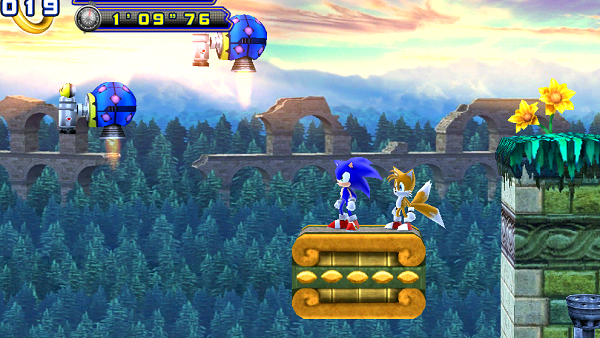
Sonic the Hedgehog 4: Episode II was the second half of Sega's attempt at the turn of the last decade to use modern graphics to recapture the magic of the the classic Sonic 2D platformers of the '90s. And while the job they did was decent overall, the second episode of Sonic 4 definitely did not live up to the first.
While there were definitely graphical improvements made over Episode I, and the snowboarding and wind mechanics were good fun, Episode II felt a lot more sluggish in comparison to the first overall, especially in regards to the sections that required the use of Tails.
Tails is a mainstay of the main Sonic series and some games (namely Sonic 3 & Knuckles) provide extra benefits if a player two is present to play as him and help Sonic out of a pinch. However, in Sonic 4: Episode II, playing as Tails is a requirement, even in single-player. And the puzzles Tails is needed to solve can feel very slow and tedious.
It's not unbearable by any means and the game is serviceable, but Episode I simply flows much better.
13. Sonic The Hedgehog Pocket Adventure

When Sonic the Hedgehog Pocket Adventure was released in 1999, it recieve massive acclaim, and for good reasons. Its true-to-form Sonic gameplay with fun stages to complete earned in perfect scores across the board.
However, of all the '90s Sonic games, this is arguably the one that's aged the worst.
At the time of its release, its graphics and visuals were extensively praised, but in retrospect, they do leave a lot do be desired. Whereas other Sonic games, even other mobile ones, had a lot of detail in their level design and character sprites, the ones in Pocket Adventure are about as simplistic as you can get.
Plus, while the Neo Geo Pocket Color was revolutionary in its day, the limitations are very clear when you revisit games such as Sonic Pocket Adventure.
It truly is a great game and worthy of all the praise it received, but if you ever get bitten by the nostalgia bug and want to revisit some classic Sonic titles, be wary of this one, as it may not be quite as impressive as you remember.
12. Sonic Rush Adventure

While it didn't quite improve on its predecessor in a game-changing way, Sonic Rush Adventure for the Nintendo DS is still a serviceable title and one of the better mobile Sonic games out there.
LIke the first Sonic Rush, Sonic Rush Adventure did a really great job at getting back to what made the classic Sonic games so great. The level design was on par, the music was fun to listen to, and the gameplay was deceptively linear. While it isn't the game that made the best use of branching paths in each stage, it certainly did its best.
As stated before, it didn't quite build upon Sonic Rush all that much (which arguably should be expected from a direct sequel), however it was still every bit as fun as that game was. And given its 2007 release, this is one of the games that helped shatter the notion that all Sonic games after the '90s were bad.
11. Sonic Rush

Like its aforementioned sequel, Sonic Rush for the Nintendo DS was a beacon of hope for the Sonic franchise during the mid-2000s. It did a significant job recapturing the magic of the original 2D Sonic games, offering high speed, great tunes, and good times.
What's more is that, in addition to taking advantage of what made Sonic so great to begin with, it also did a decent job at innovating in a way that helped the game flow well and feel fresh (as opposed to, say, Knuckles' Chaotix, the "innovations" of which more or less fell flat.)
The gameplay made great use of the DS's dual screen and the story introduced the character of Blaze the cat, who has since become a mainstay of the Sonic lore. Plus, unlike certain other Sonic titles where playing as anyone other than Sonic can feel tedious, playing as Blaze was actually fun and worked to the game's benefit.
Sonic Rush was by now means earth-shattering, but it's a solid entry to the franchise. (It's just a shame that Sonic 06' would come along a year later and ruin everything.)
10. Sonic Advance

Despite looking like a simple handheld Sonic game on the surface, Sonic Advance was actually one of the most pivotal games in the series' history. It was the very first Sonic game to be released on a Nintendo platform, which signalled the end of the Nintendo vs Sega console wars.
The game itself showed the two entities doing their absolute best to create a new Sonic game. It's one of the best old school-style entries to the franchise, combining some of Sega's best ideas with Nintendo's solid quality control.
It was fast-paced, 2D excitement accompanied by great music and a surprising amount of replay value. Plus, the GameBoy Advance was pretty cutting edge at the time, allowing for better mobile Sonic gameplay that anyone had ever seen before. And the very best part was that the Sonic Advance series would only get better.
9. Sonic The Hedgehog 4: Episode I

As stated before in the entry on Episode II, Sonic the Hedgehog 4 was a conscious effort by Sega to return the Sonic franchise to its roots in the midst of all of the mixed reception their 3D Sonic titles had been receiving at the time.
And while Episode I of Sonic 4 did leave a bit to be desired, it was still a very enjoyable entry to the Sonic franchise (and was considerably better than Episode II.)
It may not have quite captured the same lighting in a bottle as some of its side-scrolling predecessors, but it was paced incredibly well, was very fun to play, and had some of the great music that the early Sonic titles were known for.
Plus, the added annoyance that the Tails aspects of Episode II had were virtually non-existent in Episode I, which says a lot, considering that that was really one of Episode II's only major drawbacks.
In the end, wile Episode I of Sonic 4 didn't exactly take the series to new heights, Sega does deserve praise for trying to go back to their roots in the way they did.
8. Sonic Advance 2

Sonic Advance 2 offered everything that made the first Sonic Advance so great. The classic Sonic formula was handled very well on the GameBoy Advance, it was fun to play from beginning to end more than once, and the music was a joy to listen to.
Sonic Advance 2 was also one of the best games to utilize the massive level design with multiple paths that certain other renowned Sonic titles are known for, which was fairly impressive considering that it was a mobile title. What's more is that this level design added to the game's already considerable replayability.
In the grand scheme of things, the level's weren't terribly long, but in a way, this actually works in the game's favor, because, as already mentioned, they're fun to play multiple times through.
Sonic Advance 2 also had a considerable amount of impact on the Sonic franchise at large, as it was the game that introduced the character Cream, who has since become a mainstay of the Sonic cast.
7. Sonic Advance 3

The final installment of Sega and Nintendo's Sonic Advance trilogy is also the best of the bunch. Sonic Advance 3 took everything that made the first two games work so well and improved on them even further in every way they possibly could have.
The open-ended level design that added to the replayability of Sonic Advance 2 was done even better, each level had its own distinct feel, the action was fast-moving and exciting, but also had some segments that required a bit more care in tackling. And the game was able to transition between these two playstyles seamlessly.
Plus, this is one of the Sonic games that managed to make its team-up game mechanics good. Unlike, say, Sonic the Hedgehog 4: Episode II, when being required to take control of multiple characters to advance past certain parts of the game could feel a bit intrusive, in Sonic Advance 3, it flowed much more naturally.
At the end of the day, the Sonic Advance trilogy was one that started off good and ended fantastically.
6. Sonic The Hedgehog

When it was first released in the summer of 1991, the original Sonic the Hedgehog was absolutely groundbreaking. It was sega's high-energy, 16-bit answer to Super Mario Bros. and between its iconic protagonist, interesting level design, and incredibly memorable music, it did not disappoint. It is, without a doubt, one of the most pivotal releases in gaming's history.
That that being said, while the original Sonic was absolutely incredible when it first came out, the franchise and many of its concepts were still in their infancy. And the series wouldn't truly hit its apex until the sequels came around, which is fair, considering it's rare that anyone gets it exactly right on their first try.
This is also arguably the most difficult game in the Sonic series, which can be good or bad depending on who you talk to. In any case, however, this aspect definitely had people coming back for more to hone their skills and reach the end of the game.
While the Sonic formula would be tweaked and perfected in later installments, the fact remains that those would never had come to be had it not been for this original release.
5. Sonic & Knuckles

While it didn't quite live up to Sonic the Hedgehog 3 (its predecessor) in terms of overall quality, Sonic & Knuckles is still an all-around fantastic platformer and one of the franchise's best installments.
It's not only exceptionally difficult (but not overly so), but also brought some new ideas to the table as far as the Sonic formula goes. Take for instance, having to outsmart certain bosses as opposed to the usual routine of "hit them until you win."
The level design was also fantastic in this game. Sure, the Knuckles stages weren't quite as fun as the Sonic ones, but they definitely definitely enjoyable and it's clear that Sega did their best when it came to making good use of this new character
Along with Sonic 3, Sonic & Knuckles represents the franchise at its highest to many lifelong fans, and it's not hard to see why. It has all the fast, melodious action Sonic is known for, as well as a few new mechanics and tricks up its sleeve that add to the experience, rather than feel superfluous. Plus, the final sequence is undeniably awesome.
4. Sonic The Hedgehog 3

It may not have been as amazing as Sonic 2 was, but it very nearly got there. After all, it's not easy to live up to sheer perfection, but Sonic the Hedgehog 3 did its best to do just that, and the effort on Sega's part definitely shows.
In fact, the Sonic 3 & Knuckles, the dual version of this and the previous entry, is often considered by fans of the series to be the definitive Sonic experience. However, even as separate entities, these two titles are still some of Sonic's best. But it's Sonic 3 that definitely gets the nod as being the better among the two.
The platforming in this game was a great as it's ever been, there were plenty of new, interesting stages to run through, and the game really required you to pay attention to how the environment works to be able to navigate certain areas. This is also another Sonic game that has massive levels that can be explored to find alternate paths.
Plus, this was the game that originally introduced the character of Knuckles, who has since become one of the Sonic team's core members.
3. Sonic CD

As stated before when discussing Knuckles' Chaotix and the Sega 32X, the company had a thing for console add-ons back in the '90s. And while the Sega CD has had a more lasting impact than the 32X, critics still point out the lack of depth in its game library.
However, if there was ever a game that completely justified the existence of the Sega CD, it was 1993's Sonic CD.
This game took so much of what made Sonic the Hedgehog and Sonic 2 so great, and added an extra layer with the visual enhancements that the Sega CD allowed for. The game's incredible presentation and use of color was fantastic, especially by early '90s standards.
The level design was top notch and there was so much to be found that the game remains arguably the most replayable in the entire series. Plus, the time travel mechanic added some depth to the plot as opposed to previous Sonic titles, but without feeling too gimmicky.
It was not only easily the single best game in the Sega CD's library, remains one of the best Sonic games out there period. And if you skipped this title back in the day because of the Sega CD's price tag, it's more that worth a revisit via digital download.
2. Sonic The Hedgehog 2

In the world of gaming, sophomore sequels are immensely important, as they can either make or break a franchise. Sonic the Hedgehog 2 did the former and did so in a huge way.
Sonic 2 is a game that simply did everything right, improving on the iconic original game in just about every conceivable way. It improved the graphics, the music was even better than before, the boss fights were significantly better, and the level design was immeasurably more open-ended. Of all the Sonic games that emphasized massive levels with several paths to take and secrets to find, arguably none of them did it better than Sonic 2.
What's more is that this is the game that introduced the spindash to Sonic. Not only is this mechanic incredibly useful, but it's one of Sonics many trademarks. If you go back and play the original game, which did not include the spindash, it becomes very clear just how important it is, despite its simplicity.
Sonic 2 what happens when a game developer already puts out a big winner, yet still manages to tweak and improve on it in a way so that it is absolutely perfect the second time around. And, as great as many of its predecessors were, it would take twenty-five years for another 2D Sonic game to surpass this masterpiece.
1. Sonic Mania

2D or otherwise, Sonic has never been better than in 2017's Sonic Mania.
The original Sonic formula is done absolutely perfectly in this love letter to Sonic fans. The level design is absolutely incredible, combining remixed versions of some of Sonic's best classic zones with worthy new additions.
Also, the open-endedness of 2D Sonic levels hit its peak with this game, as not only is each level full of multiple routes and secrets for Sonic, but some that can only be accessed by Tails or Knuckles, which adds loads of replayability to the already stacked campaign. Plus the modern aspect ratio and framerates makes it easier than effer to explore this stages.
Plus, that's not even taking into account the gorgeous overall presentation the game has to offer, with the perfect blend of retro and modern visuals, or the utterly impeccable soundtrack. Finally, whereas Sonic 2 completely changed the game with the spin dash, Sonic Mania added the drop dash, another mechanic so simple, yet so invaluable.
Sonic's certainly had a bumpy road over the last few decades, but this game proved once and for all that the series hasn't forgotten its influential roots and can still innovate when it needs to.
Despite their age, some of the classic Sonic titles have endured for years and years. And given how incredible Sonic Mania is, you can bet we'll be playing it for just as long, if not, longer.