The Dark Age Of Xbox (2010-2015)
Xbox went from a popular gaming giant to one of the most ridiculed. How did it happen?
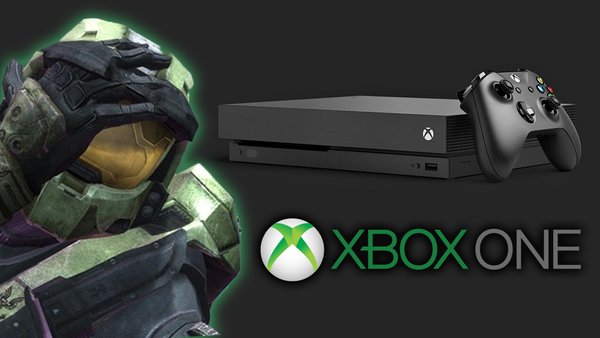
Having been in the gaming industry for nearly two decades now, Xbox has firmly established itself as one of the biggest players, its games and characters reaching equally iconic status alongside its competitors. Its first two consoles were both strong successes, but the third time ended up being unlucky as Microsoft entered a dark age.
In the late stage of the seventh generation and much of the eighth, the tables turned against Xbox tremendously. How did they fall out of favour and how have they redeemed themselves in recent years? Like with Sony before them, we'll start with where the brand found itself beforehand.
A Strong If Imperfect Start
Microsoft would kick off the seventh generation of consoles early when it launched the Xbox 360 in 2005. The original Xbox, despite being Microsoft's first time in the gaming business, had done well and the corporation geared up for its successor. It was all about upping both the power and its overall functionality.
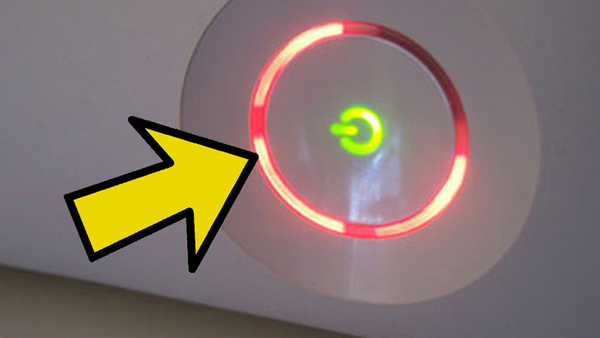
However, by racing to get out of the door first Microsoft had missed a critical hardware flaw. The red ring of death became notorious in the early days, indicating the 360 had broken down entirely with an internal error. Thousands of gamers were forced to send their new consoles back to the company or buy new ones. The incidents costed Microsoft over a billion dollars to fix and yet it didn't quite kill consumer trust.
Being such a massive and encompassing company, this was a cost they were able to afford, even if it did take some of the wind out of their sails. As it stands, the Xbox 360 would go on to sell five million units by the time the other seventh gen systems arrived in 2006.
The Xbox 360 Establishes Dominance
At this point, Microsoft had little to worry about; riding the momentum of their original system, its successor quickly tore up the charts. The price of the system was neatly tucked in-between the Wii and PS3 and the red ring of death fiasco had been put to rest for the most part. On top of that, the system's architecture was also easier to develop for. Once Microsoft went out and bagged exclusive content deals with publishers, even more gamers were compelled to buy in.
It also boasted the very best online service for consoles at the time. Xbox Live may have been a paid feature, but it offered the best connectivity, party features and additional content money could buy. Whereas the competition was still playing catch-up, Microsoft had acted proactively and made online gaming a primary focus for the seventh generation. At the time the PlayStation Network was just getting off the ground and the Wii had a very miniscule online offering.
More than anything else though, it was the games Xbox had under its belt. While the 360 launched with no Master Chief in sight, this omission was quickly papered over with the debut of Gears of War. With the PS3 floundering out of the gate and Nintendo waiting on Super Mario Galaxy, it was the perfect killer app that anchored the brand as the place for hardcore titles. Things got even better when Halo 3 arrived the following year and became the most successful video game ever released at the time. Both titles kept Xbox Live lobbies incredibly busy for the next four years, as did Forza Motorsport, another key property.
A Fall Fuelled By Motion Controlled Gimmicks

Despite the Xbox 360's strong success, the Wii was still very far ahead of it in sales and this compelled Microsoft to pursue their own take on the motion controller scene. The result was Project Natal, announced in 2009 with a technical showcase. Gamers saw a family controlling the action with their body and another player scanning his skateboard for virtual use. It seemed like a great idea at first; taking away the controller entirely and creating new innovation for the motion gaming space. It would only take one year for the vision to collapse...
For the first half of its life, the Xbox 360 was comfortably settled, but E3 2010 was the moment things started to go wrong. Project Natal had morphed into the Xbox Kinect. Fans new and old looked on with horror as the games they were looking forward too were bombarded with painfully forced Kinect demonstrations. At that moment, Microsoft turned their back on the community that had supported them since 2001 in favour of chasing the casual market. Their press conferences over the next couple of years became infamous for their cringe-worthy content.
Thanks to Microsoft's massive marketing campaign, the Kinect launched to great commercial success, but all that money and that effort would ravage the Xbox brand. In the years that followed, the American corporation shoved the device down consumers' throats, insisting that the Xbox couldn't live without it. All the while, games like Star Wars Kinect, Steel Battalion: Heavy Armour and Fighters Uncaged were all demonstrating how inaccurate and useless the technology really was. Outside of the enjoyable Dance Central, Kinect was an utter waste.
Exclusives Start To Fizzle Out

While many believe the downfall of Microsoft started in 2013, the warning signs were already there three years prior. As the Xbox 360 reached the later years of its life, there was something conspicuously absent from its line-up. Once Bungie sold Halo to Microsoft in 2010 and the original Gears of War trilogy wrapped up in 2011, the AAA side of things slowed down massively. A lot of this was down to the company's continued focus on Kinect which distracted somewhat from releases like Halo 4 and Gears of War: Judgment.
Several questionable decisions would follow in the early 2010s. The British studio Rare, having been purchased by Microsoft back on the first Xbox, was placed on various Kinect titles that frustrated many of their fans, as beloved titles like Banjo-Kazooie and Perfect Dark were left in the cold. Meanwhile, established franchises from other developers like Fable found themselves getting motion-controlled spin-offs. While Xbox was going through the motions, Sony was dropping hit after hit and Nintendo had pushed ahead with their new system, the Wii U.
Even today, you can ask yourself this: When was the last time the Xbox had a brilliant new franchise that got you to run out and buy the console? Arguably, not since Gears of War in 2006. For the better part of the last decade, there has been somewhat of a reluctance on Microsoft's part to invest in new properties and allow developers more free rein. There was no brilliant final flourish for the Xbox 360, no excellent release that showcased the system at its peak. Instead they settled into predictable territory.
Xbox's Reputation Spirals Downwards

Stagnating in both hardware and software releases, Microsoft's misguided focus would carry through into their next system. In 2013, things were still going very badly for Xbox and the reveal of the ill-titled Xbox One was no different. The same mistakes that had dogged Sony in the previous generation, namely focusing on anything other than games, now infected Microsoft. Trying to be an all-in-one entertainment device was bad enough, but gamers were furious at the company's efforts to control used games alongside the forced inclusion of an even more expensive Kinect sensor.
The Xbox One was set to require an internet connection to run, alongside an authentication system that would block used games until players paid a fee. Microsoft had left an open goal and Sony took it; at their E3 2013 conference immediately following, Jack Tretton and Andrew House utterly demolished any chance of the Xbox One's early success. By rejecting the restrictive digital rights management practices and pricing the PS4 at one hundred dollars cheaper, Sony guaranteed their own lead right out of the gate and sent Xbox reeling. It got even worse when the head of Xbox, Don Mattrick, doubled down on their measures, saying that those who don't have a constant internet connection should buy an Xbox 360 instead.
When the Xbox One did arrive in November 2013, Microsoft did attempt to generate some new ideas for its third console, but many of these ended up falling well short. While titles like Sunset Overdrive and Dead Rising 3 were mildly successful, others like Crimson Dragon and Recore failed both critically and commercially. This further discouraged Microsoft from new ideas as they appeared to shift towards what was most profitable. As a larger corporation with deep ties to the computer space, they certainly had the funds lying around to stay in the business.
New Management Picks Up the Pieces
With the PlayStation 4 outselling the Xbox One three to one, it was time for change. Both consumer loyalty and content deals had been lost to Sony. Don Mattrick was fired shortly after E3 2013 and replaced with Phil Spencer, who set about recovering the brand's image. It wasn't easy at first; Kinect was still attached to the Xbox One like a ball and chain, putting off potential buyers with a peripheral most of them didn't want. At this point, the device was widely disliked and the motion-controlled shovel-ware wasn't improving in the slightest. The technical talk of the Microsoft Cloud also didn't help, as it rarely manifested itself in gaming.
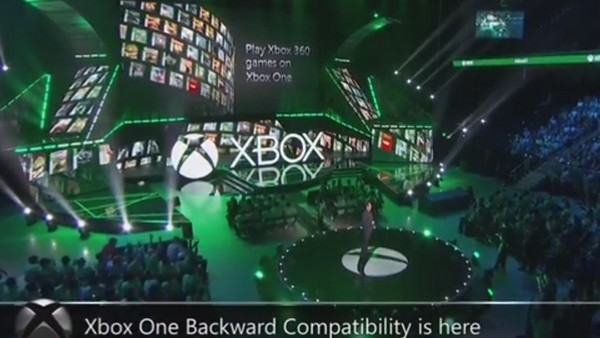
Their approach to development and acquisition still caused problems in places; when Rise of the Tomb Raider was announced as an Xbox exclusive in 2014, gamers accused them of bribing developer Crystal Dynamic, so they didn't try that again. At long last in 2015, the Kinect was unbundled from the console and eventually abandoned shortly thereafter. This was replaced by something far more desirable: backwards compatibility. Because Microsoft built its systems on relatively unchanged architecture, the Xbox One was given the ability to play many 360 and original Xbox games. It was certainly a much needed redemption and Phil Spencer would continue to make positive decisions for the company.
Over time however, the Xbox One wouldn't gather much momentum critically. While it still sold well, there was no denying that the big games the system needed just weren't landing with the right impact. Halo had suffered a downturn under its new developer, Gears of War and Forza were starting to show their age and other titles would fail outright. Sea of Thieves, Crackdown 3 and to a lesser extent Quantum Break; these titles continued to erode gamer trust in Xbox's ability to deliver killer apps (though the former has improved dramatically since its initial launch). For over a decade, there was still no big name series to wow gamers like Halo did. This continues in 2020.
The Xbox One In Review

All told, what happened to Microsoft in the eighth generation was a squandering of much of the goodwill they had built up. When they veered so far from the audience that made them successful in the first place, it dragged both the Xbox and their reputation through the mud. In the latter half of the 2010s, Microsoft knew they would never catch the competition and instead focused on iteration; the release of the Xbox One X integrated 4K visuals, but without any big games to take advantage of them, this upgrade once again rang hollow.
For the last decade, they've been lagging behind, unable to push the gaming experience forward beyond upping the fidelity a bit. More to the point, it feels like they don't have much of an identity in the gaming scene anymore. Nintendo is known for creating games that are always fun to play while Sony specialises in the cinematic, story driven productions. Xbox was once known for its hardcore, adult-oriented offerings which has since shifted to pure hardware power. Nowadays, having the best graphics and processing power on console is no longer enough, especially when PCs continues to push forward unbound from system cycles.
While many positive steps have been made in the last five years, Microsoft's place in the industry continues to change. They have now moved away from the console exclusive scene entirely and have integrated closely with the PC platform. Year after year, they showcase new games, but not one of them is coming solely to Xbox itself. Providing value is a worthy endeavour, but what does it mean for the brand itself? The answer will lie in how well the recently released Xbox Series X performs. The decline of Xbox has been a sorry story, but they do have the resources and know-how to bounce back.
There's one more console gaming giant to go and that's Nintendo's struggle with the Wii U. Stay tuned next week...