The Problem With AAA Game Design
Do or Die Development

The success of a developer's major release is often critical to the future success of the company, and delivering a fine gaming experience that's perhaps slightly derivative of other titles in their respective genre is enough to ensure that operations can continue in the industry's current climate.
Developers in the first party, while perhaps perceived to be more financially stable, aren't exempt from such practices, as pressure from Sony, Microsoft and the like to meet sales expectations are surely a source of stress for the studio executives. God of War's tumultuous journey to the top step of the proverbial podium was the final push for Kratos and Co (outlined beautifully in the documentary film, Raising Kratos), and should the 2018 masterpiece have been another God of War: Ascension situation it's likely that Sony Santa Monica, a revered studio exactly because of the 2018 title, may very well have closed its doors for good.
The video game industry is a harsh environment, and as such, the seemingly non-existent job security for the hard-working employees of said developers makes each workday a high-pressure situation. Knowing that overlooking the slightest of programming errors can have a critical effect on the quality --and thus reception-- of a game that, in many cases, took multiple years to develop is terrifying.
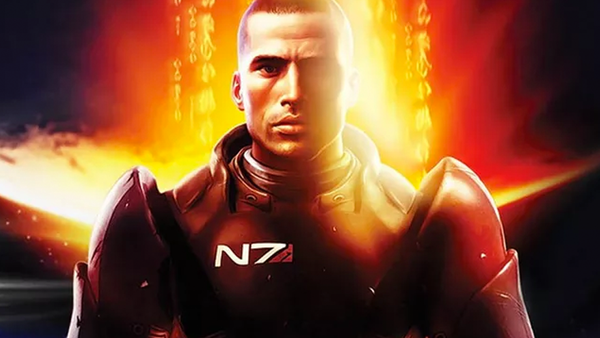
The Mass Effect series, three lengthy, non-linear tales spanning the entire galaxy, was developed, completed and shipped in the time it took Gearbox to release the newest entry to the Borderlands series; a franchise that's been surprisingly dormant during the 8th generation of home consoles. For existing IP, the wait between entries spanning half a decade is not only frustrating to impatient players, but actively detrimental to a company's success should the game be a critical or commercial failure.
Mass Effect has built a strong community of devoted fans, who frequently return to the Normandy in multiple playthroughs, and though Andromeda was a step in the wrong direction, the revered trilogy takes a significant chunk of time to complete. Each game is slightly different to its predecessor, but the gameplay loop is as strong as ever, and so its legacy as one of gaming's great trilogies is unsurprising.
Bioware has masterfully used the success of the series to cement their status as one of gaming's elite third party developers, and boasting three exceptional games in 5 years is proof that breaking up the development into multiple releases ensures a better future for both the company and the consumer.
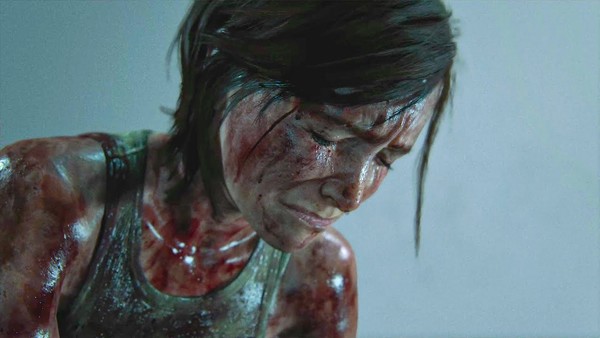
On the opposite side of the spectrum, Neil Druckmann's insistence that The Last of Us Part II will be a deeply polarising game did away with the pressure of fan expectations. Though it too has had a lengthy development time, the desire to create an experience that many would put on the highest pedestal and many more would sooner tear said pedestal down, was a refreshing change.
Naturally, Naughty Dog's previous successes allows the developer more creative freedom, with their place as the most beloved Sony first-party allowing for some luxuries. The Last of Us Part II's presentation is one of the few universally admired traits of the title, and the graphical prowess and gameplay fluidity surely took a significant amount of development time to refine, but the philosophy that the game won't be for everybody was a factor that, in any other situation, would be actively avoided. The Last of Us Part II is proof that not every AAA release has to mean the death of the franchise --or in extreme cases the developer-- should it see intense media and fan scrutiny.