What The Hell Happened To The Stealth Genre?!
Stealth's not dead, it's just waiting in the shadows.

As I patiently lay in the shadows, scoping out the area and wait for the opportune moment to take out my target, a thought occurs. Well, two thoughts: "What ever happened to good ol' days of stealth games?" and "Why are my hands so cold?"
Stealth games, as a genre, have never hit the lofty heights of its bombastic cousin, the "action shooter". Whilst series like Splinter Cell, Metal Gear Solid and Hitman have gone on to shift millions, they're always flanked by the likes of Call of Duty and Gears of War in mainstream popularity.
So much so, in fact, that the examples I've given above have somewhat dabbled in action elements at one point or another in their titles. Yet there's a reason Conviction or Absolution are often sneered at, as they deviated too far from their mold to stay relevant.
Thankfully, the stealth genre isn't dead. The old stalwarts are getting their acts in gear in recent years, as well as newcomers like Dishonoured and Batman carrying that torch in the last decade or so.
It's not dead, no. But it has seen such a marked shift that it's somewhat diluted from its roots. The real question, then: is that for better or worse? Indulge me, if you will, as we sneak about and have a crafty look at where it all changed, where it's going and why we love it so much.
Slow And Steady...

When you think of a stealth game, many immediately think of the mid-nineties are the "beginning" of the stealth genre. Whilst it would be fair to say the likes of the aforementioned certainly propelled it to a wider audience, it origins go further back than that.
Take the Wolfenstein series, for example. It's remembered fondly now for its over-the-top 3D first person shooter carnage. Yet did you know that the first title in the series, Castle Wolfenstein, was a stealth-focused espionage affair? This 1981 title and its sequel paved the way for the likes of 1987's Metal Gear and Saboteur (the 1985 title, not the more modern one).
Even in the more "simpler" times of console gaming, these titles were well received for their ingenuity. The focal shift from action and cheap movie tie-ins to sneakabout gameplay was well received, perhaps not in terms of sales but in reception.
It may not have led to an immediate boom for the genre, it certainly lit the spark. The Metal Gear series was on a slow burn for great things, whilst Wolfenstein went on to become what we know it as today.
Things seemed quiet going into the nineties... but all that was about to change in 1998.
Stepping Out The Shadows
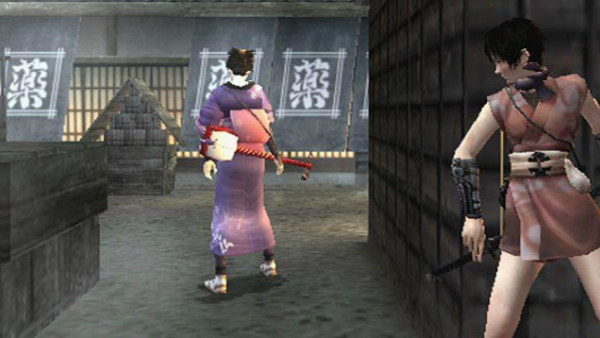
While it may seem hyperbolic to say that one year was a significant moment for a genre, you only have to consider what came out to justify that. Console gamers (well, PlayStation owners at least) had two different offerings in Tenchu: Stealth Assassins and Metal Gear Solid. The adventures of Ayame and Rikimaru came first, with Solid Snake sneaking up behind not long afterwards.
The PlayStation and Nintendo 64 had ushered in a new age of proper 3D gaming, opening up the scope of what developers could put into their games. Action games and arcade ports were all well and good, but the time for change was needed. Survival horror was already changing our sensibilities over action gaming, bringing in that need for preservation and patience. Stealth was the next logical step, and the two above were the way forward.
On the PC side of things, gamers had Thief: The Dark Project to satiate that sneaking feeling, marking a significant shift in how first person perspective gaming would change. For the most part, PC FPS games were dominated by the likes of DOOM, Quake and just one month prior, Half-Life. Thief took away the imperative to run and gun, preferring to hide in darkness and go unnoticed.
Much like Final Fantasy VII's impact on a Western audience a year prior, it only took a handful of sneakabout titles to open up the gates for more of its ilk to follow. And follow they did.
Sneaking As A Way Of Life

You don't need me to tell you of the runaway success of Kojima's first PlayStation foray, let alone how well received the Tenchu and Thief series was. The seed planted in the eighties had finally started to bloom, and its roots began to spread far and wide into new IP's.
The turn of the century brought IO Interactive's Hitman series into... well, not the spotlight, that would be the antithesis of sneaking. Agent 47's first outing may have been a bit rough and warmly received, but it certainly had ambitious intent that would one day grow. The same year also saw the start of the Deus Ex series, and whilst not predominantly a stealth game, that it offered that option saw it praised by fans of the genre.
Metal Gear Solid continued its success with Sons of Liberty in 2001, but that was regarded as more of an action game with stealth elements. Fans wanted something in the same world of high tech espionage, and Ubisoft were the ones to deliver a year later with Splinter Cell.
Sam Fisher's breakthrough hit was just what console and PC gamers alike needed to cement their faith in the genre. Much like Thief, the emphasis was definitely on the quiet side, as going gung-ho would see you crumble like wet bread.
The early 2000's were a resounding success for the genre, what with the likes of Manhunt, Chronicles of Riddick, cartoon attempts like Sly Cooper and parody games like No One Lives Forever all coming out to positive reviews. With a new generation of consoles coming mid-2000, something need to happen lest the format get stale.
And something did, but it may not be what fans were expecting.
Following The Creed, For Better Or Worse

By the mid-2000's, we had a wealth of sneaky games to tuck into. Splinter Cell and Hitman had spawned some amazing sequels in Chaos Theory and Blood Money, respectively. Metal Gear Solid 3: Snake Eater wove incredible story into stealth, whilst Thief: Deadly Shadows was reigning supreme on PC and Xbox.
The genre was expanding, yet players were growing accustomed to the methodically paced nature of stealth. To say it was going stale wouldn't be fair, by something needed to be done. A new level of dynamic stealth was on the cusp, and it was Splinter Cell creator Ubisoft that pushed it into mainstream with Assassin's Creed.
Regardless of the series' directions over the years, the first game was a welcome entry to the world of stealthy gaming... to an extent. At its core, it was predominantly about striking silently and largely going unnoticed, but held some action for those that craved it. It brought a new hybrid of stealth gaming, a sort of faster paced, more active kind of gameplay.
Gone was patiently waiting in shadows for minutes on end to strike, instead favouring the constant movement and blending in to surroundings on the fly. Metal Gear Solid was going down the more action focused route with Guns of the Patriot, with sneaking being sidelined instead of focal for more action set pieces.
It brought life into the genre that fans didn't know they needed, adding faster gaming and fluidity over what many retroactively saw as a staleness in earlier games. And before long, it started creeping into other genres too...
Sneaking Through Tombs And Uncharted Lands

Whilst stealth was doing its thing at the start of the century, action games were evolving (and then rapidly devolving) into cover-based shooters. You can thank Gears of War for that. Yet even that grew stale and repetitive quite quickly, so something had to change.
Enter the "action game with stealth bits" genre.
The next decade saw the likes of the Uncharted franchise, the Tomb Raider reboot and just about every game in-between incorporate some vague attempt at stealth into it. You know what I mean, the arbitrary "hide in the long grass/hedge and pick off conveniently placed enemies" sections that became formulaic after a fashion.
Or worse still, the obligatory-stealth-section in a game. Hands up, who enjoyed getting insta-killed every time you flubbed a takedown in The Order 1886? Who can honestly say the MJ/Miles Morales parts of Marvel's Spider-Man were always worth replaying? Exactly, no one.
It also didn't help that long established stealth veterans were favouring a more action-based angle. Splinter Cell: Conviction ditched a lot of its trademark sneaky sneaky for a more gung-ho Fisher, which was an unwelcome shift. And as for Hitman: Absolution, well... let's just not go down that road.
For a time, it started to seem like things weren't looking great for the genre. The slow and methodical school of stealth seemed to getting sidelined. Stealth was becoming more of a byline in action games, a companion piece rather than a fully-fleshed gameplay tenet. Was the old school in danger of being relegated...?
Dark (K)nights And New Dawns

Fortunately, there were still a contingent of games flying their stealth flags proudly. Dishonoured, Arkane Studios' 2012 offering, brought a refreshing return to the genre, echoing sentiments of the Thief series. Stealth and action carried a 50/50, but it was there for the purist if they sought it.
Alien: Isolation, whilst to many a horror title at first glance, plays out as a stealth game. You are a fragile, squishy human against alien and android forces, therefore you must sneak about the Sevastopol station. Games like Amnesia and Outlast were also at that forefront, making defenseless horror games more akin to dark and disturbing stealth titles than the action stylings of say, Resident Evil or Silent Hill.
But it was Rocksteady's Batman series and Guerrilla's Horizon: Zero Dawn that shook the genre back up. Whilst action games primarily, both incorporated stealth in a manner that felt refreshing and revitalising. The former had its Predator modes/gameplay, that encapsulated Batman's use of darkness and fear to pick off his enemies, whilst Aloy used hunting techniques and sneaking to fell an advanced foe.
It wasn't "stealth for stealth's sake", it was a reminder that when it was done properly it was fun. It harked back the old days of tactics and planning, yet at the same time accommodated the faster pace that modern games were taking. You didn't need to do it in Horizon, if you were brave and equipped enough, but it was a viable option if you wanted to.
Things were looking up, thankfully, as we entered the mid-point of the decade. New titles were carrying the torches, whilst action games were beginning to see the potential in tactical stealth. All we needed now were some old [diamond] dogs making a return.
No School Like The Old School
So by now, we've had the rise and decline, the sidelining and the gradual return of the genre we know as stealth. From its early days as painfully methodical to the more hybrid, faster paced offerings, it's had a marked shift from how it started. Some might call it needed, others might deride it for its deviation. But one thing was for sure, it was coming back one way or the other.
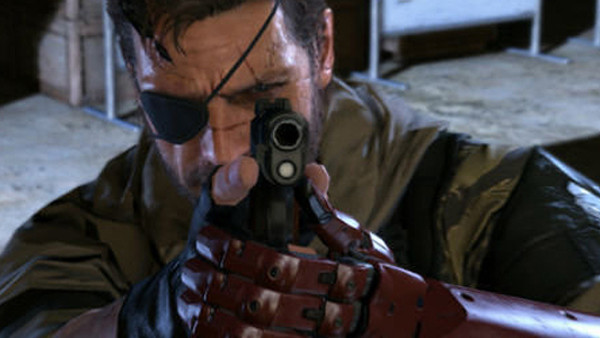
So it would be fair to say that by 2015, all hopes were on Kojima to deliver with the next Metal Gear Solid, the fifth in its numbered series, The Phantom Pain. The biggest fear was it going sandbox, over its more corridor-based approach we were used to. Whilst it took some getting used to, with its haphazard mission and hub structure, the sneaking was just what we needed.
Yet, Metal Gear wasn't the only series making a much-needed comeback around that time. Shortly afterwards, near the start of 2016, IO Interactive brought back Agent 47. Promising a return to "the glory days" (aka Silent Assassin and Blood Money), this new adventure saw a welcome return to the gameplay we loved. Admittedly it suffered with its episode layout, but that was rectified with the sequel in 2018.
Both offerings were wildly divergent games in comparison: one taking on a bold new approach to stealth gameplay, the other going back to what it did best. Normally, this would sound unfavourable but in this case, it was the opposite. Despite their respective flaws, both franchises were given the respect and credit due to what they brought back.
All we need now is Splinter Cell and Thief to sort their acts out... oh.
If Not Into The Light, Then At Least Close Enough To Bask In It

Fast-forward to where we are now, towards the end of 2020. We've seen the birth of a genre centred in subterfuge and sneaking, watched it progress unto acclaim with several series, before being sidelined in favour of supporting gameplay sections. We, the hardcore fans, thought it was in danger of being relegated, but with the return of MGS and Hitman brought new hope.
It's hard to watch franchises come and go. Dishonoured seems indefinitely shelved, Thief saw its fourth offering tank, and Assassin's Creed is doing whatever the hell it wants with different historical time periods with tenuous assassin connections. The fate of Metal Gear Solid seems uncertain, with rumours abound of the first Solid (1998) being remade but not confirmed.
As for Sam Fisher, well... Ubisoft keep teasing us by whacking him in games like Rainbow 6: Siege and Elite Squad. Yet due to Blacklist "not meeting sales expectations", we're no closer to a standalone return to Splinter Cell. They know we want it, but they won't give it to us.
Hitman is seeing a third offering in its rebooted series next year on the new generation, promising to continue the solid framework it's made for itself recently. Yet Deus Ex has gone quiet after the short but well received Mankind Divided, sadly. So in terms of old and newer franchises returning, it's anyone's guess.
The Future Is In The Shadows
So in regards as of where to go, and the point of this retrospective, is what do we want from stealth gaming in the future? Whilst the classics like Chaos Theory and Blood Money, Deadly Shadows and Tenchu have had their time to shine, by modern standards they're too purist and difficult to get into.
Yet conversely, seeing sneaky gameplay being relegated to obligatory one-note missions or as a contextual setting isn't great either. We need a balance to be struck: make it accessible and user-friendly, but at the same time not deviating from its origins.
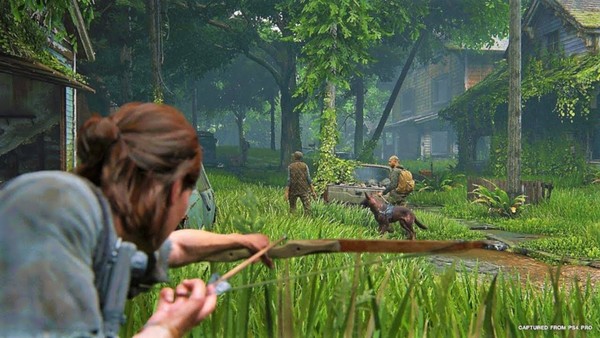
To use an example, Hitman's reboot(s) offers the Mission Objectives that lead you through scenarios to get you used to what to expect. The Last of Us 2 offers stealth and guerrilla warfare on the fly, but you're not forced to use nor depend on it.
It's all about striking that balance. The demand and want for stealth gaming is there, waiting eagerly in the shadows to welcome back those titles that allow it. Fans know it has to evolve from the early days, but don't want that spoon-fed, simplified or action-based "stealth" we saw in the early noughties.
Is it unrealistic to want to see Sam Fisher return in his own game again? Is wanting a remaster/remake of Chaos Theory too much to ask? Apparently so, as Ubisoft are happy to carrot-and-stick us by pimping him out in other titles. Would a return to Deus Ex or Dishonoured also be an ambitious want, given their apparent demise? Also yes, it seems.
But we know there's still a contingent of both fans that want it and developers that are keen to bring it back to its heights. The waters have been tested and formulas refined, now all we need are more dedicated titles catering to stealth as there are others.
...and a proper return of Sam Fisher. Please.