20 Best Electronic Albums Of 2015 (So Far)

"Forget all the equipment, forget the music, it's just literally frequencies and the effects on your brain."

2015 has been an exceptional year for both electronic and club music so far. Standout releases from genres as diverse as noise, grime, IDM, hip-hop, techno, R&B, footwork and grime have consistently strayed beyond the boundaries of where electronic music has gone previously. Old masters like Aphex Twin burst back onto the scene with floods of music uploaded to anonymous SoundCloud accounts. Soulful singers such as Kelela and Dawn Richard have been working alongside some of the weirdest producers around to generate bizarre R&B soundscapes. Club sounds have been chewed up and spat back out by the likes of Flava D, Lotic and M.E.S.H. There has been a notable trend towards electronic releases that use the voice as a instrument for exploring identity and gender. Oh, and the incredible Björk put out another storming release with production credits and accompanying remixes from some truly forward-thinking DJs, as well as being featured (in largely unrecognisable form) on a Death Grips album! Narrowing such a wide range of music down into a list of just 20 proved remarkably difficult. However, this article aims to provide an eclectic overview of many of the best sounds and techniques that stood out most prominently in the electronic and club music released in the first part of 2015, covering Bandcamp releases, albums, SoundCloud dumps and collagic mixes.


20. Aphex Twin €“ user18081971

The first album on this list isn't really an album at all. However, Aphex Twin's spontaneous uploading of over two hundred tracks to an anonymous SoundCloud (hot on the heels of Syro, one of 2014's best electronic albums) was arguably the most significant moment of 2015 for fans of electronic music. Richard D. James had long bragged about how many tapes of unreleased material he had sitting locked away in his bank, but given his penchant for tall tales and media manipulation it was always hard to believe him. Besides, AFX is perhaps the most gifted electronic composer of the past 30 years - the idea that the prodigy had a mountain of music hidden from the public seemed too good to be true. Or at least, that was the case until a SoundCloud account named user18081971 - signposted by the official Aphex Twin account - began posting tracks that sounded suspiciously like outtakes from various stages of James' career. Then more were uploaded, and more. The current total stands at 228 (and that is with several having been deleted in the meantime) and AFX has subsequently confirmed that he has at least 20 more tapes worth of material to upload when he gets the opportunity to do so. While many of the tracks are throwaway curios, there are many absolute stunners for anyone willing to wade through the hours and hours of music. 17 Kids Beach, 4 Red Calx , 5 heliosphan live, 35 Japan, 15 Bradley Jam Pump, GPO Beat, T13 Quadraverb, 13 Short Mental fax, 14 Make a Baby... These are just a few of the best tracks there. James even placed several of the pieces from his early 1990s era (famed for Selected Ambient Works 85-92 and Vol. II) into a playlist named SAW 1.5, which is an excellent place to start if the sheer quantity of music is overwhelming. Or you could do what many others did and leech off the fact that the brilliant DJ Food, as part of Ninja Tune's Solid Steel Radio Show, compiled a hypnotic mix of the best bits called Selected Aphex Works. However you choose to listen, make sure that you do. Even Aphex Twin's cast-offs are superior to the best work of most other producers.

19. Death Grips €“ The Powers That B

The defunct-but-not-really-defunct noise-hop punk antagonists Death Grips returned from their apparent break-up with a double album that was released in two separate parts. Strictly speaking, The Powers That B is a mixed bag in terms of its success. Comprised of 2014's Björk-sampling Niggas On The Moon and this year's noisier Jenny Death, Death Grips' sixth full length (including their mixtape Exmilitary and soundtrack Fashion Week) features one half that is a bit flat, and one that is their best material since 2012's The Money Store. It's worth starting with the album's weaker half. When NOTM dropped last year, most fans were left pretty underwhelmed. It's not a bad release by any means, and Death Grips' penchant for shards of broken samples (first seen on Exmilitary and exaggerated on The Money Store) is put to full use with their deconstruction of Björk's voice. Although Björk didn't personally contribute, her friendship with the countercultural group has led to the album receiving her blessing, and there are some great moments on here. Up My Sleeves, which opens the record, sees Death Grips at their angry, nasty best, for example. However, on too many occasions the album feels a bit like the band is going through the motions. It's Death Grips-by-numbers, so to speak - just with a lot of Björk thrown in. It wasn't until Jenny Death's release in 2015 that The Powers That B began to make more sense as a cohesive piece of work, with the second half actually amounting to a genuinely interesting and aggressive piece of noise-punk. Drummer Zach Hill is in the best form that he has ever shown in this band here, sounding like the avant-mathcore drummer that completely blew everyone away in Hella. Flatlander's use of samples and references to various club styles (such as avant-disco and industrial) evokes the best moments on The Money Store, while tracks like ON GP, Death Grips 2.0 and I Break Mirrors With My Face In The United States display a harsh noise-rock sensibility that is even more aggressive than their pulverising controversial self-release No Love Deep Web. Vocalist MC Ride drops any pretence towards being a rapper, instead turning into a sickeningly angry and brilliantly disturbing hardcore vocalist that outdoes many of the greats from that genre. Where Death Grips go from here is just as unpredictable as ever, and it is perhaps only right that such an inconsistent band should produce such a lopsided release. By virtue of its psychotic second half, though, Death Grips just about make this list.

18. RP Boo €“ Fingers, Bank Pads & Shoe Prints

From its localised beginnings as an offshoot of the Chicago juke sound, footwork has gradually grown (through exposure by internationally respected labels like Hyperdub and Planet Mu) into an international style that is drawn on by everyone from Australians like Lil JaBBA to Brits like Addison Groove and dBridge. 2014's devastating early death of sound originator DJ Rashad shocked the transnational club scene, and his absence is still felt over a year later. One of the most influential footwork DJs, RP Boo, returned earlier this year with what is one of the best full-length albums in the style since Rashad's masterful and scene-defining Double Cup. Footwork is, at its heart, music to dance to. It is music to footwork to, basically, to reference the Chicago dance style that accompanies its rapid-fire hi-hat sounds. However, it is also incessantly experimental, a testament to the continuing need for weird and innovative new sounds to literally keep the dancers on their toes. RP Boo is perhaps the most avant-garde of the early footwork producers, incessantly aiming to create sounds that push the style into unique and exciting new directions, and Fingers, Banks Pads & Shoe Prints is the epitome of this approach. These tracks, taken from across Boo's career, are minimal to the extreme. Sometimes little more than a skeletal rhythm and an aggressively repetitive sample drive the tracks, effectively creating miniature structures formed from disconnected and abstract sounds. Footwork is noted for including cut-up vocal samples, looped and repeated ad infinitum, and Boo's music is no exception. The constantly recurring words and phrases quickly lose their initial meaning, instead becoming like surreal GIFs that never end, inspiring manic and uncontrollable dancing. This is like avant-garde electronica for the dance floor, and it is utterly compelling whether listening to its bizarre contraptions through headphones, or its pulverising rhythms on a club sound system. Footwork may have been around for some time now, and it may have lost arguably its most famous export, but the sound is continuing to expand. FBP&SP proves that RP Boo, one of the scene's founders, also remains one its most prominent trailblazers.

17. Djwwww & Sentinel €“ Designer Environments

SoundCloud and MixCloud have become breeding grounds for increasingly weird and experimental mixes from club producers and electronic musicians alike. Just check out the SoundCloud feeds of Total Freedom, Why Be and Lotic for evidence of this. Given the prominence of these collagic compilations of sounds and songs, it felt necessary to include one of the strangest and most exciting here: Designer Environments, co-produced by Djwwww and Sentinel. While these two producers have both performed in club settings, the style of this piece is indebted to the abstract mixes of both the aforementioned artists Total Freedom, Lotic, etc. and club nights like New York's GHE20G0TH1K and Berlin's Janus. Theirs is a disruptive, avant-garde approach that takes in the information overload culture of the internet's mass archive and spits out the wealth of material available to the creators through discomfortingly shape-shifting bricolages. The ultimate example of this in 2014 was Lotic's ubiquitous Damsel In Distress mix, and this year's most extreme take was this offering from Djwwww and Sentinel. Kanye West, Young Thug, Killer7 and Bioshock are just a handful of the samples drawn on and smashed together in the creepy, complex soup that is Designer Environments. Around every corner the listener is thrown snippets of barely recognisable references, terrifying moulded into an expressionistic image of the hyper-saturated virtual environment. This is like an experimental fusion of noise genres, DJ mixes and the postmodern pastiche of mash-ups, but without any of the comforting structures, cohesiveness or humour that tend to drive those styles. As a piece of conceptual art, Designer Environments (and similar mixes) is incredibly evocative. As a piece of electronic music, it is absolutely astonishing. This is not just the sound of the future - it is the sound of NOW, a period in which everyone maintains a symbiotic relationship with their technological devices and each member of Generation Z is overwhelmed by the ever-increasing mountains of cultural material available online. Terrifying and beautiful.

16. Smurphy €“ A Shapeless Pool Of Lovely Pale Colours Suspended In The Darkness
Smurphy is an affiliate of Mexican club crew NAAFI, which has been a group to watch for some time now. However, no-one could have anticipated that one of its dance floor-oriented members would release an album as mesmeric, immersive and just generally gorgeous as Smurphy's brilliantly titled A Shapeless Pool Of Lovely Pale Colours Suspended In Darkness. The album fuses abstract soundscapes and the influence of avant-garde styles like musique-concrete with the sensual club textures of her NAAFI compatriots and a fascinating take on vocal science techniques in a seamless and utterly unique way. This is one of the most singular records of the year so far. The album is named for synaesthesia, seemingly designed to be a sonic abstract and expressionistic portrayal of colours and non-representational images. Multi-layered vocals drift in and out of a mix that features eerie samples, pressing percussion, interludes that are reminiscent of the softer moments of free jazz and deep, dubby bass. Grime producer Logos has received a wealth of praise for creating a minimalistic, ambient take on the genre that strips away the muscle and leaves shadowy residue, but Smurphy's similarly "stripped back" approach actually has the opposite effect. This is not a shadowy release, despite lacking the propulsion of the club genres that it references. Rather, it is full of evocative sonic images, at once wonderful and surreal. Where Logos' work is like listening to grime music through a misty fog, ASPOLPCSID is more reminiscent of enjoying a particularly strange slowed-down club mix in which everything is actually doubly highlighted in technicolor. Every detail grips the listener's attention from start to finish - woody percussion, dripping water, beautifully rendered brass sounds, off-beat drums coated in static. This is a release that does not let go, despite its frequent ambient leanings. Even in its softer moments, like the gorgeous Heavenly Bodies, weird effects and jarring interjections of noise interrupt the flow and enforce focused listening. Album closer Pisces is almost provocative in its discordant anti-ambience, daring you to try to either drift off or dance while listening. Smurphy may be one of the less recognisable names on this list, and this may well be the most difficult album here, but it is magnificent from start to finish.

15. Prurient €“ Frozen Niagara Falls

Noise is a genre that is often ignored in electronic music circles, owing to its abrasiveness and a perceived lack of meaning beyond its deliberate promotion of harsh sounds. While those in the know realise that this is not true - there has been truly resonant and stunning noise music produced globally over the years - there can be no better document to defend noise's reputation as an exhaustively sensitive, complex and fascinating genre than Prurient's expansive and utterly gorgeous double album Frozen Niagara Falls. Admittedly, this isn't pure noise in the mould of Merzbow or Pain Jerk. Rather, Prurient takes the inspirations of noise from these artists (along with the likes of Wolf Eyes) and fuses them with his own experiences in more melodic but equally dark side projects like Vatican Shadow. Traditional Snowfall fuses static industrial textures with glowing synths that wouldn't sound out of place on a Tangerine Dream album, while Dominick Fernow's heavily-distorted vocals drift incomprehensibly through the mix. Falling Mask is a punishing two minute beast, malfunctioning robots soundtracking a growled scream from the singer, while lengthier pieces like Greenpoint shock the system with plucked acoustic guitars, spoken word vocals, drifting synths and soundscaping beats that pan from channel to channel. The two parts of the title track, split across the second disc, sound like a broken communication device rebelling against its masters, a dark ambient static space that - rather than letting up - actually becomes more discordant as the piece reaches its conclusion. Jester In Agony is a real standout, with science-fictional synths offering delicate respite from the ravages of much of the vast record, while the soft title of Dragonflies To Sew You Up belies a pounding number that combines aggressive percussive pummelling with chiming synth sounds. Noise isn't for everyone, and nor should it be, but Prurient's take on the style features more innovative sounds and techniques than the genre has arguably produced in some time. This is his masterpiece, and it is one of the most cohesive and stunning noise albums of all time.

14. Kelela - CUT 4 ME: Deluxe Edition
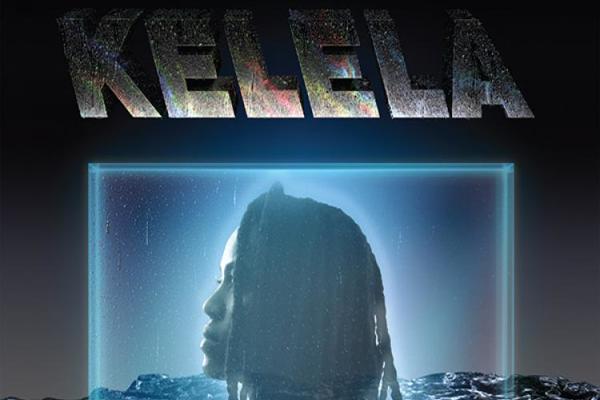
Yes, Kelela's CUT 4 ME mixtape originally came out in 2013, and yes, it received more than enough (justified!) critical praise that year. However, 2015 saw Fade To Mind (one of THE labels to always keep an eye on) put out an expanded "deluxe" version of the record featuring some astonishingly great remixes by associated producers. Somehow, FTM and Kelela have succeeded in making a great set of songs even greater. The original album was a landmark achievement in the increasing crossover between mutated club sounds and soulful R&B. Kelela's stunning vocals and surreal, sexy lyrics are fused with the technicolor soundscapes of Nguzunguzu, the club-ready R&B of label-head Kingdom, the experimental textures of Jam City and P. Morris, and the hefty club constructions of Bok Bok and Girl Unit. Stand-out tracks like Enemy, Cherry Coffee, Keep It Cool and the two-parter Go All Night have rapidly become classics for those in-the-know, while the Kingdom-produced single Bank Head is still one of the best tunes to see substantial radio airplay in the past few years. In the years since, Kelela has toured alongside some of the best DJs from Fade To Mind (and sister-label Night Slugs) including Total Freedom, Kingdom and Bok Bok. In live shows, these DJs contort her tracks into new and weird shapes, with Kelela's beautiful voice becoming a malleable tool for the exploration of novel club textures. She is totally in control on both the album and in live shows, riding the bizarre sounds of her collaborators and fighting against their discordant experimentation. The remixes included on the expanded edition of CUT 4 ME demonstrate this remarkably well. Four of the remixes come from producers that worked on the record. Jam City reworks his own production on Keep It Cool, creating a more minimal vibe than that of the original. Kingdom takes on Enemy, stripping it right back and amplifying the grime sounds of the track with the addition of a pounding drum beat and vampy synth stabs. Nguzunguzu and Girl Unit both provide unique takes on Send Me out, with an unbelievably bass-y version from Nguzunguzu that is sure to blow out your sub-woofers contrasting wonderfully with Girl Unit's gorgeous ballad. The other four remixes are even better, coming from producers with no connection to CUT 4 Me initially. #KUNQ member Rizzla's Keep It Cool is a masterful piece of avant-house, while ballroom legend MikeQ's "Almighty Mix" of Cherry Coffee, which has shown up in mixes by various FTM associates over the past few years, turns Kelela's lyric "Pray to the almighty" into a brilliantly repetitive and rhythmic command. Gang Fatale and Night Slugs associate Neana offers a pounding reworking of Go All Night, before the album concludes with Massacooramaan's creepy and utterly show-stealing slowed-down take on the same track. This is a release that merited celebration for its fusion of club and R&B sounds, but the expanded version has simply taken these themes to new levels. A great record from a great artist on a great label.

13. Flava D €“ More Love

It is about time that Flava D began to achieve more recognition for her innovative blend of slinky garage and aggressive grime, and her self-released mixtape More Love made those that have ignored her abilities for years finally sit up and take notice. A "personal" release according to the statement she included with its upload to Bandcamp, it is effectively a compilation of diverse sounds and ideas from her career to date. What it reveals is an immensely talented club producer with the ability to turn her hand to whichever style takes her fancy. Opener Good For You is marked by a minute of glorious ambience and cut-up vocal samples before that ubiquitous skittering garage beat kicks in, followed by a deep, growling bass. Flava D's sound is unique - it retains the smoky beauty of someone like Burial, the melody and sexiness of garage, and the deep gnarliness of the best grime. War Dub, a nod to the Twitter/SoundCloud-based grime event of 2013, is far more innovative than many of the tracks put out in that period by far more visible producers. Its glowing synths and relentless snare beats sound like a 3am rave in a neon UFO. The delicate keys that open 2 On are just wonderful, while the pitched-up vocals that join them as the track progresses are the best thing this side of T2's Heartbroken or MSSINGNO's XE2. While there is arguably nothing here that is quite as gripping or cohesive as the astonishing one-two punch of Flava D's Butterz releases Hold On and Home, that's not really the point. This is a selection of outtakes and one-offs; it is a mixtape, as Flava D notes, not an album. As a demonstration of her talents, it's immaculate - just listen to its best track Tell Me for proof of that. As an indicator of the ways in which grime's punishing sounds and garage's melodies are being melded wonderfully in the contemporary British underground, it's unrivalled.

12. Mumdance & Logos €“ Proto

Mumdance was responsible for Take Time, arguably the best and most progressive-sounding track of 2014 (his collaboration with Novelist), while Logos produced one of 2013's most stunningly original albums with his deconstructed, floating reimagining of grime's soundscapes. It was with no small amount of excitement, then, that club music fans tuned into their collaborative album Proto. It doesn't disappoint. It is worth quoting the album's press release for some context here, because it acutely explains the goals (and, indeed, the outcome) of Mumdance and Logos' collab:
Proto focuses on the very brief sparks of innovation when new scenes were just forming and genre rules and paradigm were still grey areas; the early bleep track days when imported American techno was starting to be appropriated by the UK, the 93-94 proto era when hardcore was morphing into jungle and later when the darker sound of tech-step reared its mechanical, dystopian head. All of this is underpinned with Wot U Call It grime sensibilities and Mumdance and Logos€™ trademark sonic disortientation.
Effectively, then, Proto refers back to the innovations of 1990s UK dance scenes (what Simon Reynolds refers to as the hardcore continuum) with the aim of locating innovation in their enduringly futuristic sound palettes. Although this undoubtedly runs the risk of falling into retromanic nostalgia, the experimental tendencies of both producers - fused with their technical proficiency - allows them to find new patterns and forms in these older styles. The title track is clearly a nod to early 90s jungle, but it is weird and alien enough to completely fit with the sounds coming out of drum & bass scenes today. Dance Energy is like an early hardcore track amped up on the steroids of contemporary production techniques, while the Eski-grime sounds of Chaos Engine are absolutely typical of the two musicians' forward-leaning approach. While this album has been met with some scepticism - any record that foregrounds its own futuristic sound and historic references in a single press release is bound to raise a few eyebrows - its sheer brilliance lies in its ability to completely confound these fears. It is a genuinely bracing record, tearing through references with abandon while successfully transforming those soundbites into something unlike anything else in club music today. Between them, Mumdance and Logos are undoubtedly two of the producers that are most committed to (and capable of) pushing dance music in novel directions.

 
Posted On: 
Contributor
Contributor

Articles published under the WhatCulture name denote collective efforts of a number of our writers, both past and present.