8 Stephen King Tropes And What They Really Mean
Why no character is safe from the sharp end of Stephen King's pen...
8. The Protagonist Is A Writer

7. The Bittersweet Ending
6. Anyone Can Die At Any Time
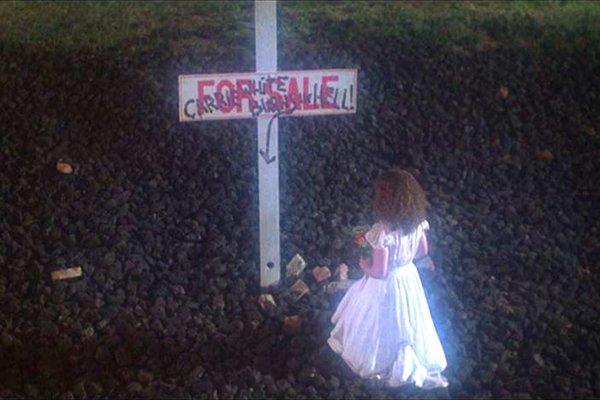
What It Is: If you're a Stephen King fan, by now you've learned not to get attached to certain characters. At any point in any particular novel whether front and centre or fleeting characters are very much at risk of suffering their own mortality. What It Means: King is a horror writer. Horror is founded on truth. Perhaps not literal truth, but a grander truth. It reveals human nature in all its many flaws and intricacies. As King himself said: Fiction is the truth inside the lie. This is never more true than in horror. For this reason, King's characters are expendable. In reality, people don't always live even though they're good or just sometimes life randomly chooses to snuff them out.
5. Insane Levels Of Continuity
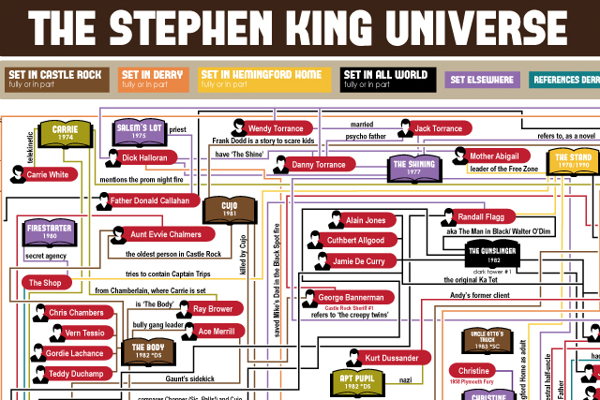
4. Spiders (Or Spider-like Monsters)
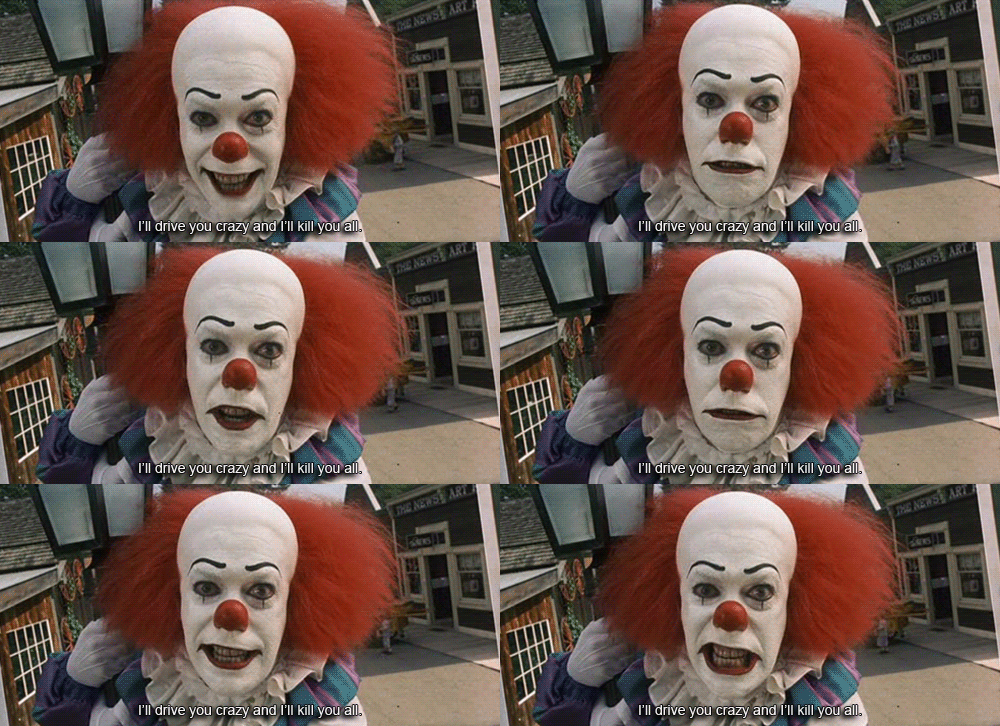
What It Is: Spiders so many people hate them, Stephen King included. For all King's terrifying creations, he still includes (and builds upon) plain old spiders. Examples of this are seen in The Mist, which feature spider-like monsters known as Grey Widowers that can produce corrosive spider webs, and IT, which sees Pennywise show up as its true form, a giant spider. What It Means: Though there are plenty of debates over what Pennywise becoming a giant spider really means (many interpret this as a sign of the children growing up and learning to face their fears in rational ways that they understand) it's clear what spiders in King's novels represent on a larger scale. Throughout his novels, Stephen King comes up with all kinds of horrifying abominations, like He Walks Behind The Rows in Children Of The Corn, Kurt Barlow in Salem's Lot and The Leatherheads in Under The Dome. As scary as these monsters are, it's possible to remind yourself of their unreality they're fictitious, they're invented, they can't harm you. Spiders, on the other hand, are a terror that spring from the real world. Like many of King's best writing qualities, they're founded on truth. They're something that the reader can't tell themselves isn't real.
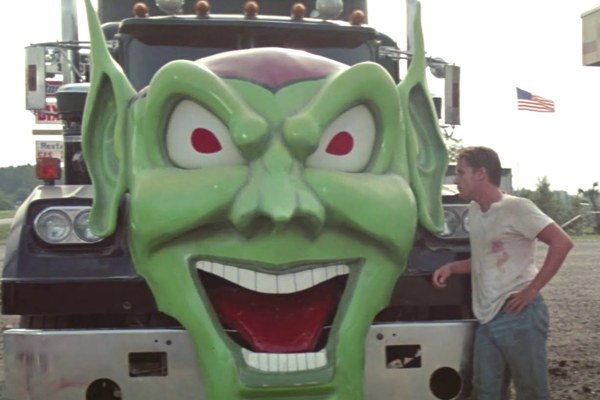
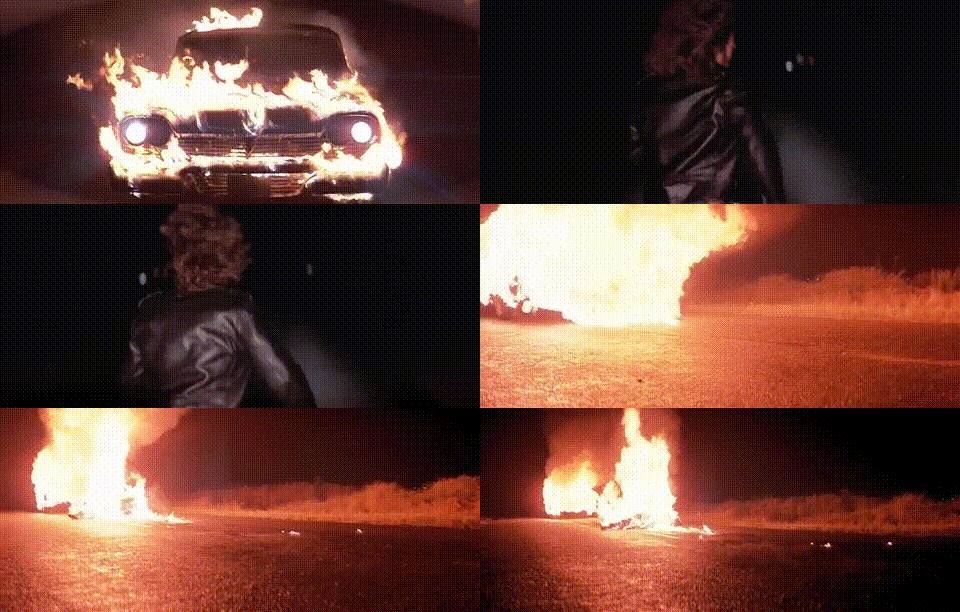
3. Homicidal Machines
2. Danger To Children
What It Is: Throughout King's novels, children are often the target of attack, kidnap, abuse or murder. Probably the most famous example is found in IT, which sees seven children terrorized by Pennywise the Clown. It's not uncommon for King's villains to specifically want to harm children for their own personal enjoyment. What It Means: Children are used by King in multiple ways. For a start, they're a way of heightening the depravity of a villain. Any villain who wants to hurt or make suffer a child is clearly on the psychotic end of the spectrum. To many, children represent total innocence before the reality of adulthood. Threatening or harming a child, then, is a way of showing total and utter evil.
1. Being Billed Above The Title