10 Most Magnificent Bast*rds In Television

They have plans so cunning you could put tails on them and call them weasels.

One of the most popular character archetypes in all of fiction, spanning forms and genres of all shapes and sizes, the €˜magnificent bast*rd€™ is a ruthless, charismatic schemer and plotter. The character type was given its name by the movie Patton, who used the phrase to describe his arch-enemy in World War II, the €˜Desert Fox€™ Field Marshall Erwin Rommel, the most respected and charismatic leader in the German army. Usually a villain or an antagonist in any given narrative, very occasionally an anti-hero friend to the protagonist, the magnificent bast*rd is often best used sparingly in any conventional narrative €“ the size of their cojones can derail a narrative, stealing the show through sheer force of personality. Always seven or eight steps ahead of their opponents, the magnificent bast*rd is rarely ever caught off-guard, and even then will almost always have more than one back-up plan that will allow them to pull off part of the plan and escape to try again later. But it€™s not just the genius of the magnificent bast*rd that sets them apart: audacious, usually charming and witty, magnificent bast*rds are creatures of panache, admired as well as respected for their boldness and ability to improvise under fire. Lateral thinking is where they live, and where others are reckless and impulsive, the magnificent bast*rd is fearless and creative, always innovating, often imitated but never duplicated. Here are the ten most magnificent bast*rds in television€ and of course, here be spoilers. Don€™t say we didn€™t warn you. Oh, and no - despite the tagline to this article, Blackadder isn't on the list. He only thinks he's a magnificent bast*rd...

10. Malcolm Tucker €“ The Thick Of It

The foul-mouthed, savvy spin doctor at the heart of the Armando Iannucci€™s virtuoso political satire The Thick Of It, Malcolm Tucker is outrageously, vindictively brilliant, almost always riding the crest of whatever political wave comes his way, a sneer on his face and a middle finger raised to the world. Tasked with making the government administrations under his purview appear to be competent, even proficient at their jobs, in the face of significant failings in that department, this means that Tucker is constantly fighting a war of attrition, anticipating screw-ups and dealing with them almost before they occur, defending the people in his charge from the machinations of a verminous press, the shadow government and their own stupidity. His inventive and caustic wit is usually employed at the expense of practically everyone around him, meaning that he€™s often utilised as a rite of passage of sorts for junior political staffers: if you haven€™t been €˜Tuckered€™ yet, you€™re about to be. In the film adaptation of the series, In The Loop, Tucker more than holds his own against a ferocious, intimidating US General played by James Gandolfini. That€™s right: he out-Sopranos Tony Soprano. Played with the penetrating eyes, vituperative tongue and terrifying €˜attack eyebrows€™ he€™d bring to bear as the Twelfth Doctor, Peter Capaldi is compelling, hilarious and scary in equal parts in the role, described by the press as having €œthe physical demeanour and the political instincts of a velociraptor". Here€™s the man himself, in fine form: https://www.youtube.com/watch?v=xUky4_A7Zw4

9. J.R. Ewing - Dallas

Heir to the independent oil company Ewing Oil, John Ross Ewing Jnr., nicknamed J.R., is the bast*rd€™s bast*rd: an amoral, narcissistic oil baron with almost sociopathic aspects to his personality, constantly scheming to make himself richer and his enemies (which pretty much count as everyone else in the show) poorer. And by €˜poorer€™, we mean €˜utterly devastated€™. J.R. doesn€™t simply steal or plunder: he wipes people out, never satisfied until their lives and/or careers are a burned out wasteland. Played with a cavalier cowboy swagger by the vastly underrated Larry Hagman, J.R. Ewing was simply the most repellent villain in primetime soap in the 1980s, the nastiest man on TV. More than that, though €“ he was one of the most magnificent bast*rds in all of television. His plotting and duplicity knew no bounds€ he€™d have rivals arrested, deported, and outright murdered if necessary. J.R.€™s vindictive attitude would sometimes backfire on him, when ruining someone came to be more important than winning: however, he always seemed to come out on top in the end. After fourteen years of scheming, Machiavellian evil, the series finale saw his power appear crippled, his influence neutered€ but, true to form, when Dallas was resurrected so was he, cock of the walk once more. https://www.youtube.com/watch?v=_VWNsfNlxj0

8. Methos - Highlander

In a franchise whose unique selling point is the concept of the Immortal warrior, walking throughout the centuries in secret amongst us, fighting and decapitating other Immortals in single combat for a mysterious prize, Methos stands out as an anomaly. He€™s the world€™s oldest man, at least 5,000 years old, so old in fact that he doesn€™t remember when or where he was actually born: he calls it around 5,000 years because that€™s when he took his first head, but it could easily have been far longer. Methos hasn€™t been around for five millennia and some change without getting good at staying alive. He€™s got more twists and turns than a spiral staircase: when he finds out that a secret society of humans have begun watching and recording the activities of Immortals, and that there€™s a Methos Project devoted to the study of the world€™s oldest man, he joins the organisation and has himself assigned to lead the group trying to find him. With a motto like €˜live, get stronger and fight another day€™, it€™s safe to say that Methos isn€™t the most upright of citizens€ but he is an equal opportunity bast*rd. In season four€™s €˜Chivalry€™ the show€™s protagonist, Duncan McLeod can€™t bring himself to take out the sociopathic Kristin because the two had been lovers three hundred years before. Methos castigates him for €œliving and dying by a code of honour that was trendy when you were a kid€, and when McLeod still can€™t take her head, the old man steps in to challenge her, introducing himself as €œsomeone who was born long before the age of chivalry.€ Like all the best characters, Methos has had a tumultuous past: back in the Bronze Age, he€™d been the brains behind a band of reavers and slavers nicknamed the Four Horsemen, who€™d pillaged and plundered their way across the world. Since then, however, Methos has been a myth, a legend amongst even the legendary Immortals: staying alive for 5,000 years by always being the smartest man in the room. https://www.youtube.com/watch?v=VubAUIGDBww

7. Katherine Pierce €“ The Vampire Diaries

A shark amongst minnows, the vampire Katherine Pierce is a born survivor, calculating and brutal in her efforts to stay alive and come out on top. To properly go into her background would require some fiendishly complicated explanations about doppelgangers, primordial witchcraft, the origins of vampirism in The Vampire Diaries€™ mythology and all manner of other shenanigans: this show has more plot happen in four or five episodes than most other shows get in a whole season. Suffice to say that Katherine€™s been on the run from a family of the most powerful, cruel and terrifying creatures in the world for, oh around five hundred years or so: the Original vampires, beings ten times stronger and faster than ordinary vampires, with none of the weaknesses. She was a quick study and a bit of a grifter even back when she was human: centuries of being hunted after her death have turned a clever, selfish little girl into a master manipulator and a genius at callous improvisation. Ruining lives, casually turning the Salvatore brothers into vampires and then against each other, allowing every other vampire in Mystic Falls to be destroyed so that she could make her escape€ and that€™s just 1864. Despite the horrifying undead Brady Bunch pursuing her at every turn, Katherine does more than just survive: she thrives, becoming one of the most notoriously brazen, bold and cunning vampires in history, until history catches up with her in season five, and the born survivor is dragged to Hell. Oh, and did we mention that she's the spitting image of the show's heroine Elena (part of that 'doppelganger' thing we decided not to go into), and takes every opportunity to impersonate her to achieve her sneaky, underhand objectives? There's pretty much no depths Katherine doesn't stoop to in her 541 years on earth. https://www.youtube.com/watch?v=MzoI0B0lgvc

6. Jim Profit - Profit

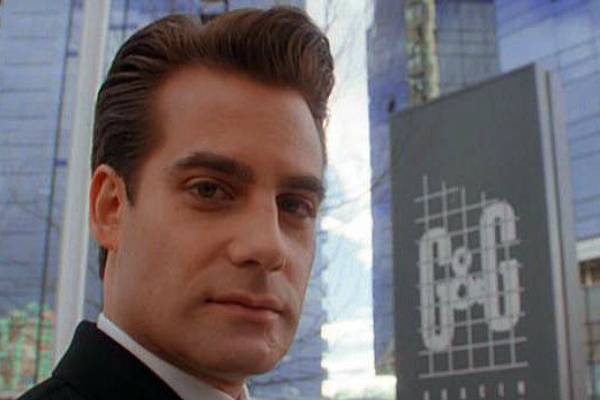
One of the most important TV shows never to make it to a full season, Profit debuted in 1996 on Fox to great fanfare and overwhelmingly positive reviews€ and was cancelled after four of the nine episodes produced had been aired, due to overwhelmingly negative viewing figures. The American audience wasn€™t ready for a network TV show about an amoral sociopathic yuppie, killing, blackmailing, lying and just plain tricking his way to the top of a multinational company. Raised by an abusive father in farming country, forced to live in a large cardboard box with a hole cut in the side so that he could watch television, the boy who would become Jim Profit escaped by tying his father to the bed and setting fire to the house. When he reappears, he€™s a changed man. Masquerading as a highly-educated, well-groomed executive, the newly christened Profit begins to insinuate himself into the corporate hierarchy of Gracen & Gracen, a large but unethical multinational conglomerate, by fair means or foul. As select people begin to suspect Profit€™s actions and motivations and dig a little deeper into his background, Profit begins to move beyond corporate skullduggery, lying and blackmail into outright criminal acts and violence€ All the things that turned the 1996 audience off Profit are the things that have made Dexter, The Shield, Breaking Bad, Mad Men, The Sopranos and Sons Of Anarchy massive worldwide hits. Dexter, in particular, is eerily similar in execution €“ right down to the voiceover narrating Profit€™s interior monologue. The show was just ahead of its time. The perennially underrated Adrian Pasdar plays Profit with a quiet, predatory grace: he€™s brilliant as the sinister mystery man hellbent on taking revenge against an entire corporation for his horrendous childhood, and ruining anyone who gets in his way. Why does he pick on G&>? The box he was raised in was a G&> shipping box. As a result, Profit both hates and loves the company, wanting to do well and join the team, but wanting to tear the family-run concern down as well. And despite living in a luxurious apartment, Jim goes to sleep every night lying on his side in the foetal position, naked, in the G&> cardboard box he was kept in as a child€ https://www.youtube.com/watch?v=ca8B9lUxicU

5. Alice Morgan - Luther

Dr. Alice Morgan is an actual genius €“ a child prodigy, in fact. Receiving a PhD in astrophysics at the age of eighteen, she always felt like she was a freak of nature, loathing her parents for pushing her too hard. That€™s why Alice kills them both in the very first episode of the BBC€™s crime drama, Luther. Well, that and the fact that Dr. Alice Morgan is a narcissistic sociopath. Alice proves impossible to lock up: with the intuition that€™s made his name, Detective Chief Inspector John Luther knows she did it, but is completely incapable of proving it. Alice has her tracks covered far too well. She€™s proud of having killed her parents: it€™s a turning point for her, a moment where she finally grasps power and agency in her life. Her next project is Luther himself €“ she doesn€™t plan to murder him, but to become close to him. The scene is set for some Lecter/Starling style cat and mouse€ so it€™s bizarre that, as the series progresses and Luther investigates other cases, Alice becomes a closer and closer friend. At the end of season one Alice willingly gets herself incarcerated after killing the man who murdered Luther's wife. When Luther, to everyone's lasting astonishment, helps her break out, she disappears to safety, only to mysteriously reappear in his life just when he needs her, seemingly able to materialise back in London again at will despite the fact that she's supposed to be on the run. The following clip is from their first meeting, at the interrogation. Watch Alice run rings around one of the smartest coppers on television. https://www.youtube.com/watch?v=L-ypyLzkg50

4. Benjamin Linus - Lost

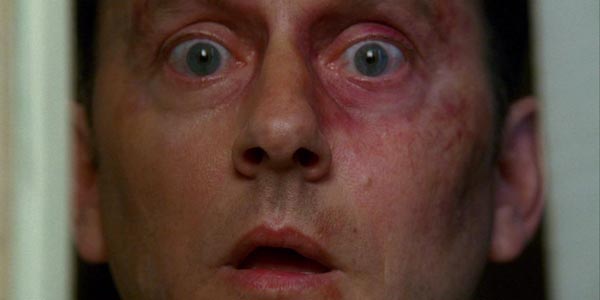
Michael Emerson was only supposed to appear as Henry Gale for a few episodes in the second season of Lost, but impressed the producers so much that they retooled the sinister leader of the mysterious island€™s natives to fit him. Polite and mannered, Ben is a consummate liar and manipulator, inscrutable and drier than sand in the sun. Maintaining wheels within wheels and lies nested inside lies, and juggling the whole convoluted mess with ease, he€™s the perfect antagonist for a show like Lost, which tries to do something very similar with its own narrative for six whole seasons. Appallingly ruthless, morally murky and callously coldblooded, often petty and cruel, Linus is focused on two things: maintaining his position of power, and protecting the island. When those two things come into conflict, there are sparks€ but self-interest wins out, until his moment of clarity when he realises that he himself has been manipulated into murdering Jacob. It€™s a masterclass performance in the role of a lifetime. Benjamin Linus is first the central antagonist, then a major protagonist, and finally achieves a measure of redemption in the climactic episodes of the final season, becoming€ what? The hero? Not quite, but close. Now that€™s a character arc. But here's a reminder of the old, fiendish Ben... https://www.youtube.com/watch?v=FwTH4SCr-do

3. Jim Moriarty - Sherlock

It€™s fitting that Sherlock Holmes€™ nemesis should be his opposite: the consulting detective versus the consulting criminal. Moriarty is a mercurial, sadistic, sociopathic creature: grandiose, overwhelmingly arrogant and very easily bored. His grand machinations are treated almost as a career, a day job to pay the bills €“ he finds interest in matching wits with Sherlock, who appears at first to be someone on his level. When he believes that he€™s outwitted Sherlock he€™s angry and disappointed in him, seeming to regress almost to a childish temper tantrum. That€™s Moriarty€™s trademark, though €“ his unpredictable, chaotic persona, with the weird little voices, pulling faces, is an exaggeration, intended to throw people off, just as his MO relies on decoys and smokescreens, elaborate, ornate schemes with weird little clues. Both men are geniuses in their own way €“ Moriarty, however, recognises Sherlock€™s need to solve intricate puzzles, where his own schemes run far more to the practical: he usually simply manipulates, bribes and blackmails people into doing his dirty work for him. Where Sherlock creates Rube Goldberg machines in his head, needing to be at the heart of complex chicanery that only he understands, Moriarty is a simpler monster: the poisonous spider at the centre of his web. Of course, Jim Moriarty killed himself at the end of season two just to screw with Sherlock some more€ or did he? We€™ll find out soon: filming of season four begins next spring. https://www.youtube.com/watch?v=pOGXSFK3Xsw

2. Frank Underwood €“ House Of Cards

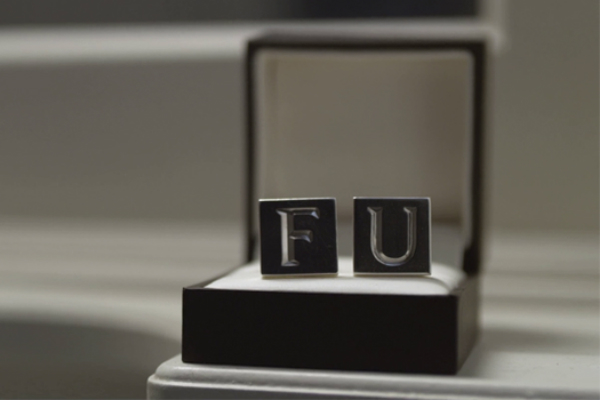
US congressman Frank Underwood€™s initials are the most obvious key to his personality: everything he is circles a need to express his dominance at the expense of others. For Frank, if he can get something without taking it from someone else, it€™s not worth having. Underwood is cold, callous and manipulative, with a predatory focus. Given to breaking the fourth wall and speaking directly to the audience at home, Underwood€™s little soliloquies to us viewers are frequently based around metaphors of hunting and killing, juggling images of the chase, blood and fresh meat. But Frank€™s not one to play with his food. Although a need for vengeance against those that have slighted him fuels his already ambitious ruthlessness, he€™s not needlessly cruel. Instead, he€™s relentlessly, remorselessly effective at getting what he wants, ripping apart threats to his primacy, ruining lives and even personally taking them when necessary: a tiger at large in the city. Unlike a lot of others in this article, Underwood isn€™t a genius €“ he€™s a schemer, smart, tough and powerful, but he makes mistakes and he€™s not infallible. What sets him apart is the breathtaking audacity of the man: snubbed for the position of Secretary of State by the incoming President of the United States, Underwood decides in a moment of cold, terrible rage that he€™s going to have his revenge by taking the top job away from him€ and succeeds. Still not sure how he operates? Talk to Frank: https://www.youtube.com/watch?v=a5Ha3IWeXOo

1. Hannibal Lecter - Hannibal

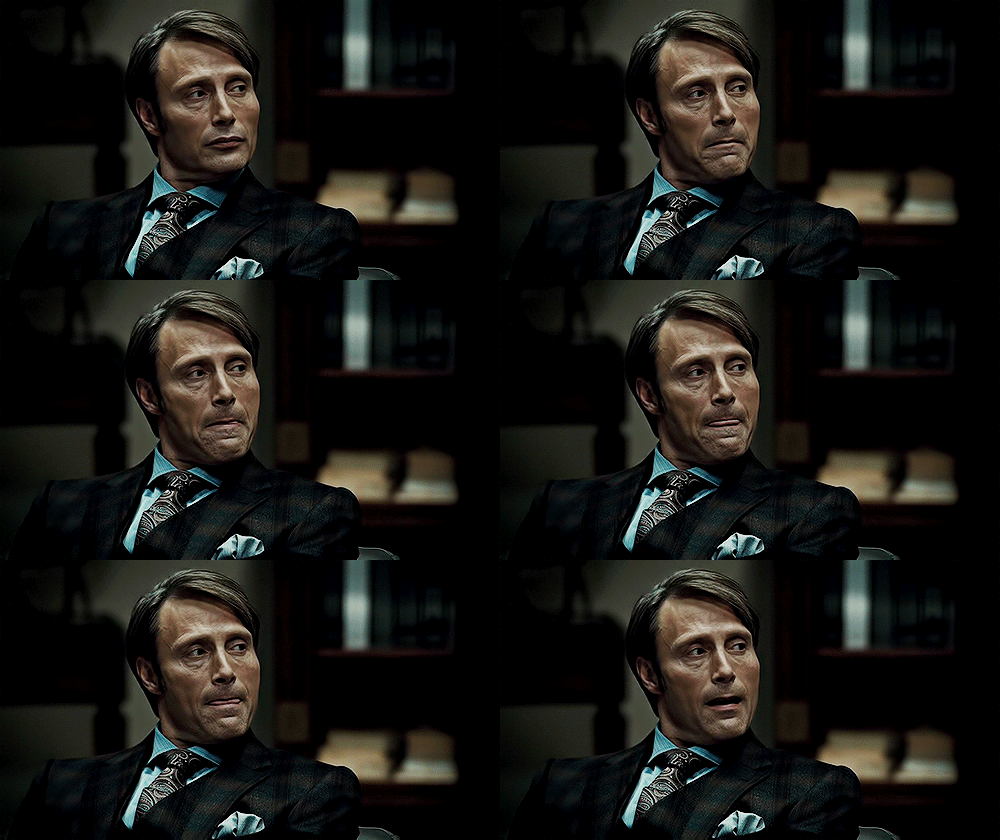
First things first: this isn€™t the middle-aged, reptilian Hannibal Lecter you know from Sir Anthony Hopkins€™ portrayal in the increasingly shoddy film franchise. It€™s certainly not Brian Cox€™ brusquely avuncular €˜Dr. Lector€™ of Manhunter, the far superior first attempt at adapting Thomas Harris€™ Red Dragon to the big screen. Mads Mikkelsen€™s Lecter, the antagonist of Bryan Fuller€™s cerebral, arty TV series Hannibal is a leading forensic psychiatrist, an impeccably dressed bon vivant, a thoughtful, sober bachelor, a connoisseur of fine dining and a patron of the arts. He€™s also what the FBI and the media have come to know as the Chesapeake Ripper, a sadistic, highly theatrical serial killer at large in the Midwestern United States: when he finds himself recommended by a colleague to assist in the investigation of his own crimes and the crimes of others, he begins to interpolate into matters. While there€™s an element of self-preservation in his interference in the FBI€™s investigation, Lecter is mostly concerned with satisfying his intellectual curiosity€ and amusing himself, artistically of course. He€™s a satanic figure, capable of skewing the sanctity of his profession to warp the minds of his patients, carefully constructing new identities for them €“ but he meets his match, almost literally, with Will Graham, the unstable empathetic wunderkind tasked with tracking him down. Hannibal despises the rude, the coarse and the banal, considering most of humanity to be inferior to him: to be like pigs, hence his removal and consumption of body parts from his victims. Will Graham is one of very few exceptions, a man nearly his intellectual equal whose peculiar gifts make him the perfect guinea pig for Hannibal€™s experiments€ that is, if he can stay alive and out of captivity long enough to see the results€ It€™s a testament to Hannibal€™s genius that he does so. When Graham finally convinces his boss Jack Crawford that Hannibal is the Chesapeake Ripper, there€™s no other evidence in play aside from Graham€™s vaunted intuition. They can€™t arrest Lecter, and so matters play out exactly as the doctor intends: in a hail of blood and recrimination, he escapes overseas under a new identity, and resumes his two-decade-old role as Il Mostro: The Monster Of Florence.

Contributor
Contributor

Professional writer, punk werewolf and nesting place for starfish. Obsessed with squid, spirals and story. I publish short weird fiction online at desincarne.com, and tweet nonsense under the name Jack The Bodiless. You can follow me all you like, just don't touch my stuff.